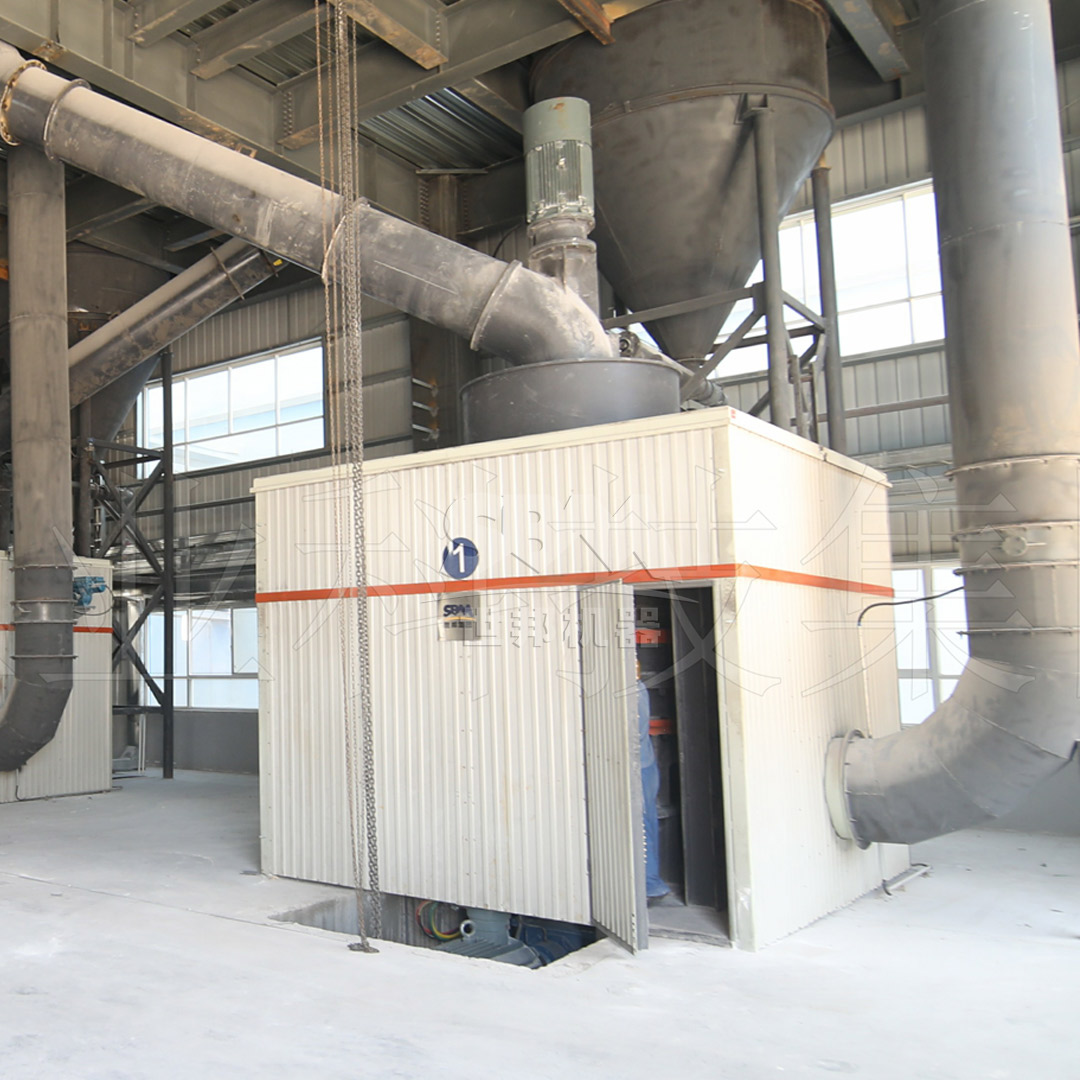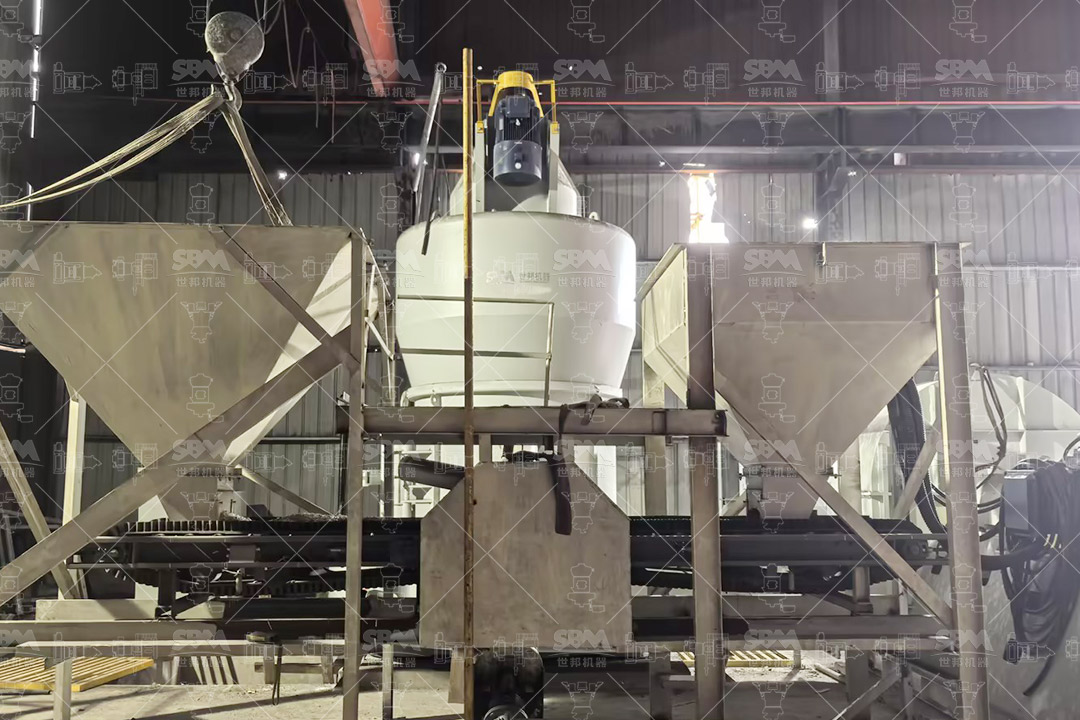
Molybdenum mineral pigments, including molybdenum orange, molybdenum red, and molybdenum yellow, are inorganic pigments derived from molybdenum compounds such as molybdates and molybdenum oxides. These pigments are widely used in dye primers, coatings, inks, and plastics due to their excellent lightfastness, heat stability, and chemical resistance. In dye primer formulations, molybdenum pigments provide opacity, color strength, and corrosion inhibition, making them indispensable in industrial coatings and automotive primers.
The production of molybdenum mineral pigments requires precise particle size reduction and classification. The performance of the final pigment—its tinting strength, dispersibility, and hiding power—depends heavily on the grinding equipment used. This guide explores the key processing equipment for molybdenum mineral pigments, with a focus on selecting the right mill for dye primer applications.
Molybdenum pigments typically exhibit a Mohs hardness of 3–4.5, which is moderate but can cause wear on grinding components over time. The target particle size for dye primer applications is usually in the range of 5–45 μm, with some high-performance primers requiring ultrafine particles down to 5 μm or less. The grinding process must avoid contamination, minimize heat generation, and ensure a narrow particle size distribution.
Critical requirements for processing equipment include:
When selecting a mill for molybdenum mineral pigments, consider the following factors:
Dye primers generally require pigments with a median particle size (D50) of 5–20 μm. Ultrafine grinding may be necessary for high-gloss or thin-film applications. The mill must achieve consistent fineness with minimal oversize particles.
Production scale varies from laboratory batches to continuous industrial output. The equipment should match current demand while allowing for future expansion.
Grinding is energy-intensive. Mills with high grinding efficiency and integrated classification can reduce power consumption by 30–40% compared to traditional ball mills.
Iron contamination can alter pigment color and reduce performance. Mills with ceramic or special alloy liners and grinding media are preferred.
Abrasive pigments cause wear on rollers, rings, and liners. Equipment with extended wear life and easy maintenance reduces downtime and operating costs.
[IMAGE PLACEHOLDER 1]
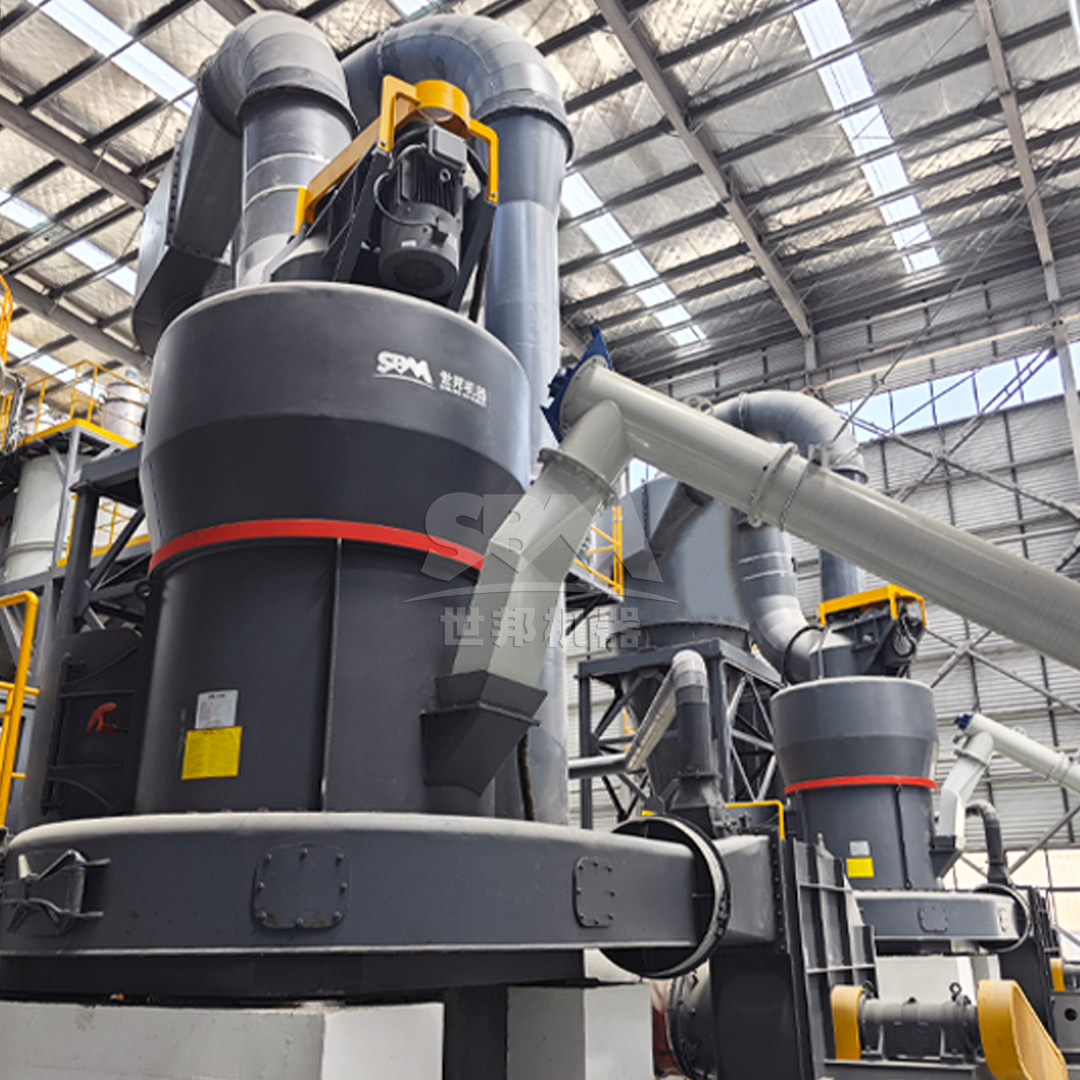
The SCM Series Ultrafine Mill is an ideal choice for producing ultrafine molybdenum pigments for high-performance dye primers. With an output fineness of 325–2500 mesh (45–5 μm), it delivers the fine, uniform particles required for excellent tinting strength and dispersion.
Key advantages for molybdenum pigments:
Models: SCM800 (0.5–4.5 t/h), SCM900 (0.8–6.5 t/h), SCM1000 (1.0–8.5 t/h), SCM1250 (2.5–14 t/h), SCM1680 (5.0–25 t/h). All models accept feed sizes up to 20 mm and achieve fineness of 325–2500 mesh.
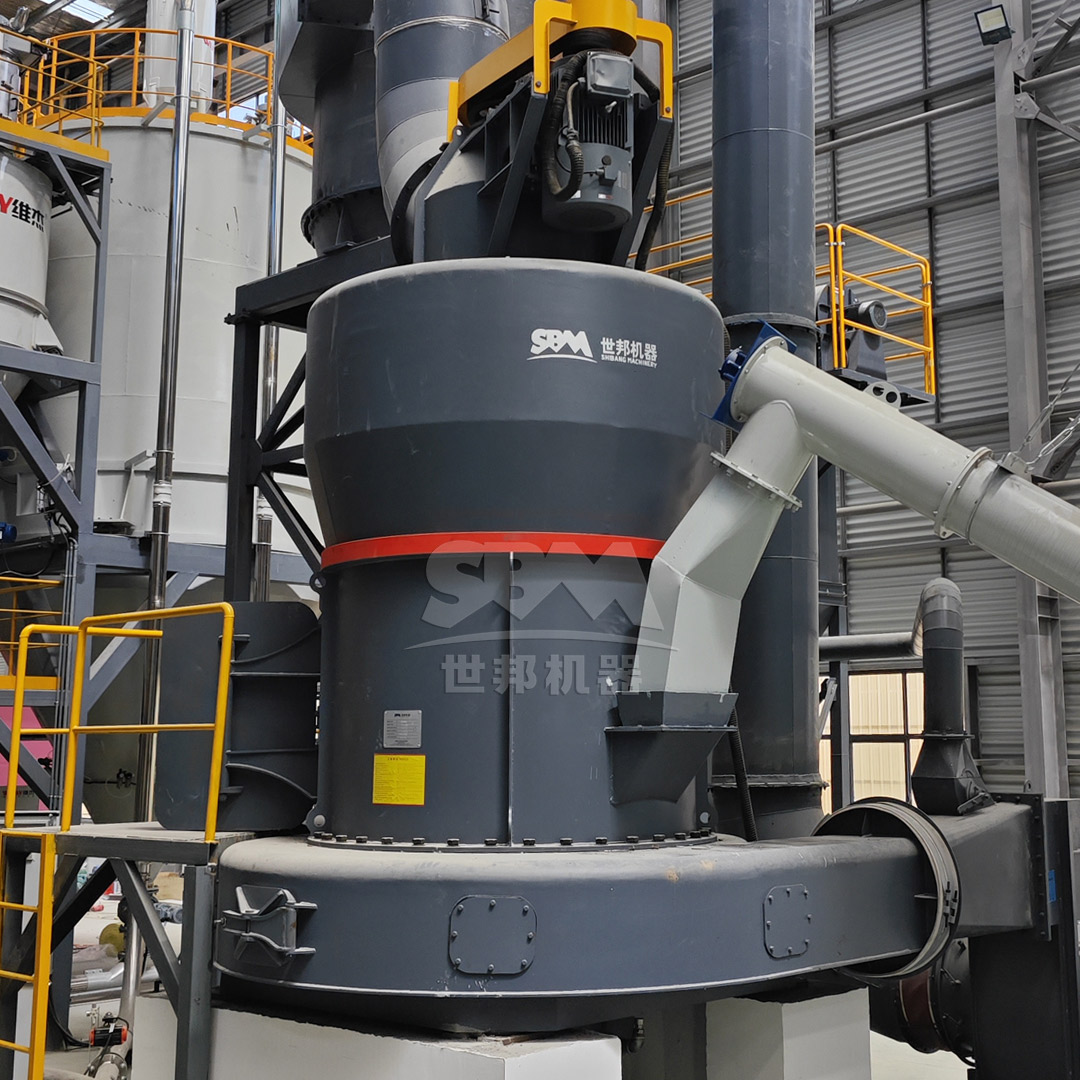
For medium-fine grinding of molybdenum pigments, the MTW Series European Trapezium Mill offers a robust solution. With an output fineness of 30–325 mesh (down to 0.038 mm) and capacities from 3 to 45 t/h, it is suitable for large-scale dye primer production.
Key advantages for molybdenum pigments:
Models: MTW110 (3–9 t/h), MTW110Z (3–10 t/h), MTW138Z (6–17 t/h), MTW175G (9.5–25 t/h), MTW215G (15–45 t/h), MRN158 (7–21 t/h), MRN198 (12–33 t/h), MRN218 (15–45 t/h).
[IMAGE PLACEHOLDER 2]
| Equipment | Fineness Range | Capacity (t/h) | Energy Efficiency | Contamination Risk | Best Application |
|---|---|---|---|---|---|
| SCM Ultrafine Mill | 45–5 μm | 0.5–25 | High (30% lower than jet mill) | Low | Ultrafine pigments for high-gloss primers |
| MTW Trapezium Mill | 600–45 μm | 3–45 | Medium-high | Low | Medium-fine pigments for general primers |
| LM Vertical Roller Mill | 600–45 μm | 3–250 | High (30–40% lower than ball mill) | Very low | Large-scale pigment production |
| LUM Ultrafine Vertical Mill | 325–2500 mesh | 1.6–15 | High | Very low | Ultrafine, high-purity pigments |
| Ball Mill | 0.074–0.8 mm | 0.65–450 | Low | Medium-high | Coarse grinding, pre-processing |
Molybdenum pigments can degrade at high temperatures. Grinding systems should include cooling mechanisms or operate under controlled conditions to prevent color shift.
Molybdenum compounds can be hazardous if inhaled. Efficient pulse dust collection systems, such as those integrated into the SCM and MTW mills, are essential for worker safety and environmental compliance.
Molybdenum pigments tend to agglomerate. Feed systems should ensure consistent flow and avoid moisture ingress. Hammer mills or pre-grinding equipment may be used to prepare feed material.
Regular particle size analysis using laser diffraction or sieve analysis ensures product consistency. The intelligent control systems in modern mills provide real-time feedback for automated adjustments.
[IMAGE PLACEHOLDER 3]
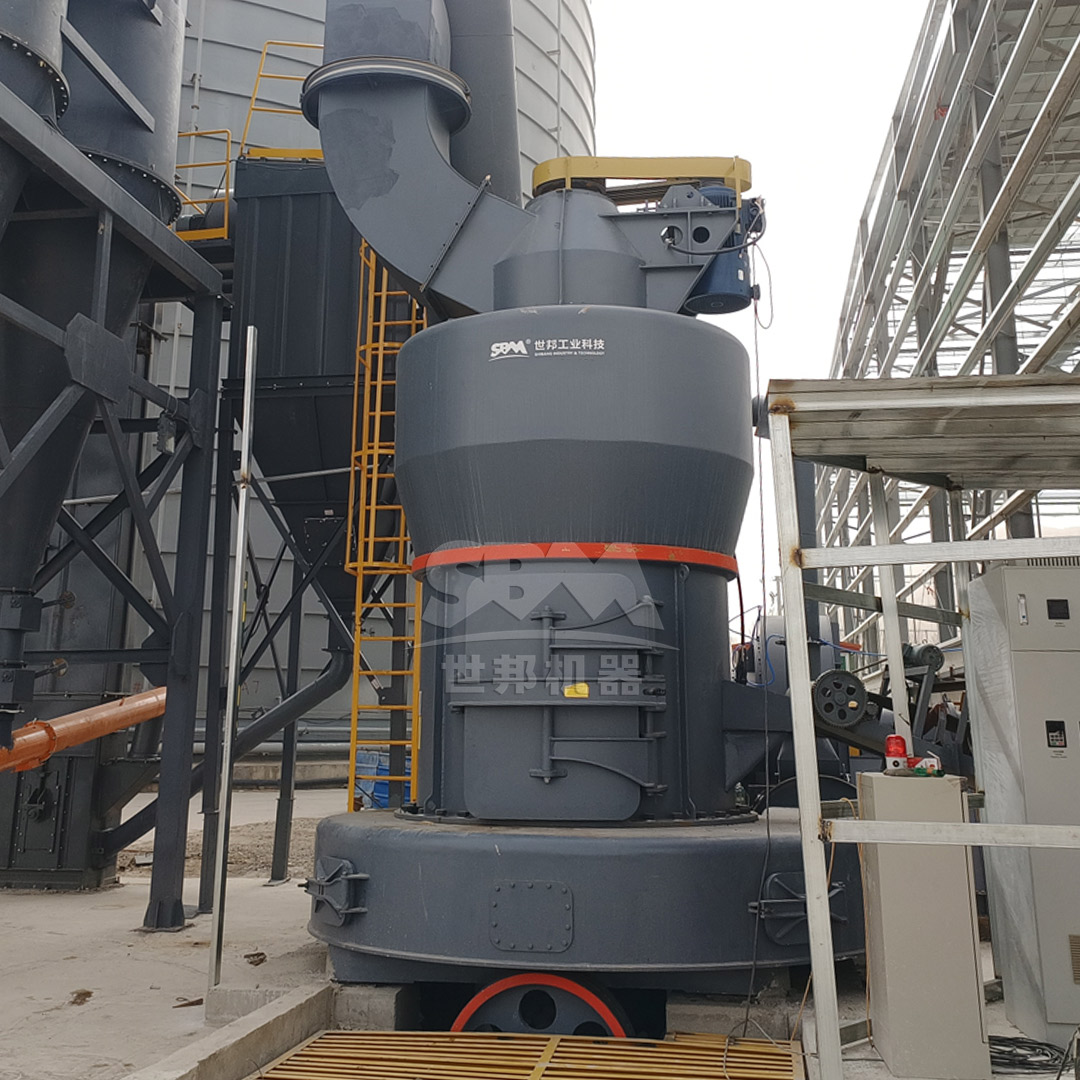
A European pigment manufacturer required ultrafine molybdenum orange for automotive dye primers. The target D50 was 8 μm with a top cut of 20 μm. After testing several mills, they selected the SCM1250 Ultrafine Mill. The system achieved a capacity of 10 t/h with a power consumption of 185 kW, significantly lower than the previous jet mill. The precise classification eliminated coarse particles, improving gloss and hiding power. The pulse dust collection system met EU emission standards, and the soundproof design reduced noise to acceptable levels.
Selecting the right processing equipment for molybdenum mineral pigments in dye primers is critical for product quality, production efficiency, and environmental compliance. The SCM Series Ultrafine Mill and MTW Series European Trapezium Mill offer advanced features that address the specific challenges of pigment grinding, including high classification precision, wear resistance, and energy efficiency. By considering the factors outlined in this guide, manufacturers can optimize their operations and deliver high-performance pigments for demanding dye primer applications.
For further assistance in selecting the appropriate mill for your molybdenum pigment production, please consult our technical team.