
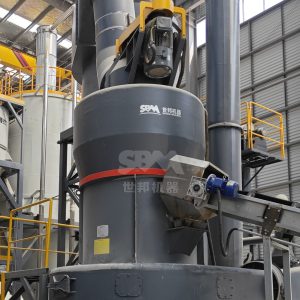
Introduction The production of high-performance anode materials for lithium-ion batteries requires precise control over graphite particle morphology and size distribution. Graphite pulverization is a critical process step that directly impacts the electrochemical performance, energy density, and cycle life of the final battery product. Specialized milling equipment must deliver ultra-fine powders with narrow particle size distributions […]
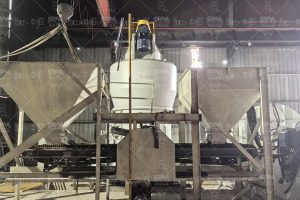
Introduction Cement production is an energy-intensive process, with coal grinding being a critical step that directly impacts kiln efficiency, product quality, and operational costs. The hammer mill, a cornerstone equipment in coal preparation, must achieve optimal fineness and consistency to ensure complete combustion and stable kiln operation. This article explores the technical challenges and solutions […]
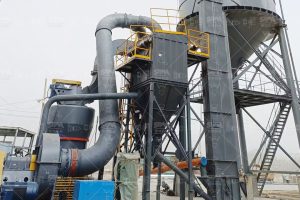
Introduction The paint and coatings industry relies heavily on the quality and consistency of its raw materials. Among these, kaolin, a naturally occurring clay mineral, is a critical component used as an extender and opacifier. Its performance is intrinsically linked to its particle size distribution and purity. Achieving the optimal fineness and uniformity requires advanced […]
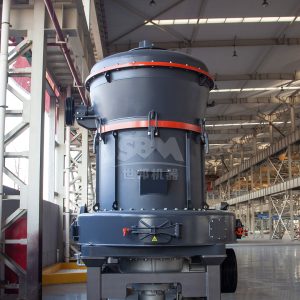
Introduction to Bentonite and Its Metallurgical Significance Bentonite, a clay mineral primarily composed of montmorillonite, plays a crucial role in various metallurgical processes. Its exceptional properties, including high surface area, cation exchange capacity, and swelling behavior, make it an indispensable material for pelletizing iron ore, binding foundry sands, and acting as a viscosifier in drilling […]
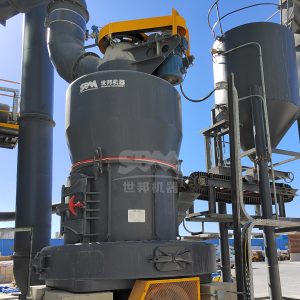
Introduction The ceramic and glass industries are foundational to modern manufacturing, producing everything from everyday tableware and containers to advanced technical ceramics and high-performance glass. At the heart of these production processes lies a critical raw material: feldspar. As a key source of alumina and alkalis, feldspar acts as a flux, lowering the melting temperature […]
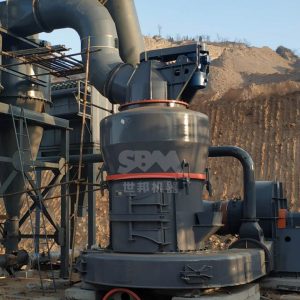
Introduction The production of high-quality refractory materials is a demanding process that begins with the precise comminution of raw bauxite. The selection of an appropriate grinding system is not merely an operational decision but a strategic one, impacting product quality, energy consumption, overall production costs, and environmental footprint. Bauxite, the primary ore for aluminum and […]
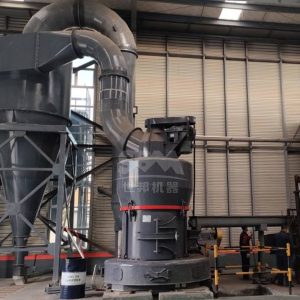
Introduction Dolomite, a calcium magnesium carbonate mineral, is widely used in the chemical industry for applications such as magnesium compound production, pH regulation, and filler material manufacturing. Efficient processing of dolomite requires advanced milling technology to achieve the desired fineness and purity while maintaining operational efficiency. The 21 Roller Mill represents a significant advancement in […]
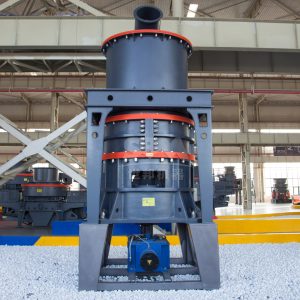
Superfine Talc Grinding Mill: Essential Equipment for High-Quality Cosmetic Powder Production The cosmetics industry demands the highest standards of quality, consistency, and purity for its powdered ingredients. Talc, a naturally occurring mineral, is a fundamental component in many cosmetic products, including face powders, eyeshadows, and blushes. Its efficacy and feel are directly tied to its […]
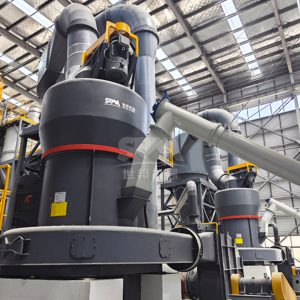
Introduction The manufacturing of high-purity glass demands exceptionally fine and consistent quartz powder with minimal impurities. The grinding process is a critical stage that directly impacts the quality, clarity, and strength of the final glass product. An optimized grinding plant design is therefore not merely an operational consideration but a fundamental requirement for manufacturers aiming […]