
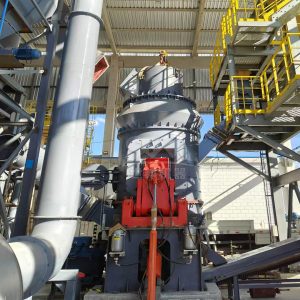
Introduction: The Role of Superphosphate in Modern Agriculture Superphosphate, a cornerstone of modern agricultural fertilization, has been instrumental in enhancing soil fertility and crop productivity for over a century. As a phosphorus-rich fertilizer, it provides essential nutrients that promote root development, flowering, and fruiting in a wide variety of crops. However, the effectiveness of superphosphate […]
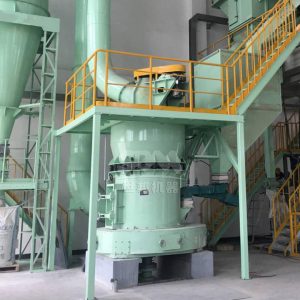
Introduction: The Critical Role of Grinding in Superphosphate Production Superphosphate fertilizers, including single superphosphate (SSP), triple superphosphate (TSP), and enriched superphosphates, are fundamental to modern agriculture. Their production involves the reaction of phosphate rock with sulfuric or phosphoric acid, followed by curing, granulation, and drying. However, one of the most energy-intensive and quality-determining stages is […]
Introduction: The Role of Calcite in Metallurgical Flux Calcite, a naturally occurring calcium carbonate mineral, is an indispensable component in metallurgical flux formulations. In steelmaking and other pyrometallurgical processes, calcite serves as a fluxing agent that helps remove impurities, control slag viscosity, and improve the efficiency of smelting operations. The demand for finely ground calcite […]
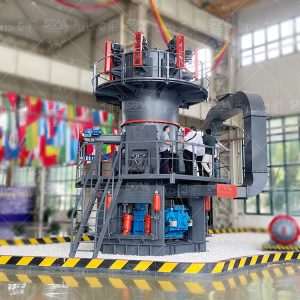
Introduction Calcite, a naturally occurring calcium carbonate mineral, is one of the most widely used industrial minerals in the world. Its applications span from construction and agriculture to pharmaceuticals, plastics, and paper manufacturing. In lime production, calcite serves as a primary raw material, and the efficiency of its processing directly impacts the quality and cost-effectiveness […]
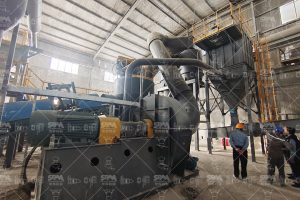
Introduction: The Role of Calcite in Cement Production Calcite, a crystalline form of calcium carbonate (CaCO3), is one of the most abundant minerals on Earth and a critical raw material in cement manufacturing. In cement production, calcite serves multiple purposes: it acts as a filler material, contributes to clinker formation, and influences the setting time […]
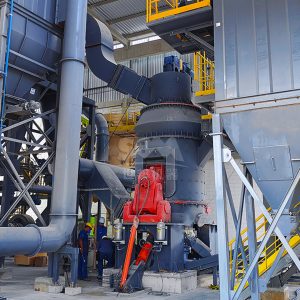
Introduction: The Strategic Importance of Magnesia Ore Processing Magnesium, the lightest structural metal, has become indispensable in modern industry. From automotive lightweighting and aerospace alloys to refractory materials and pharmaceutical applications, the global demand for magnesium continues to rise. The cornerstone of efficient magnesium extraction lies in the proper preparation of magnesia ore raw materials—and […]
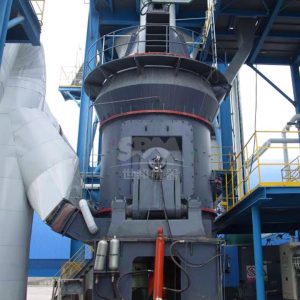
Introduction: The Critical Role of Grinding in Magnesite Refractory Production In the world of refractory manufacturing, magnesite (magnesium carbonate, MgCO3) and its derived products—such as dead-burned magnesia (DBM) and fused magnesia—are indispensable. These materials form the backbone of high-temperature industrial processes, lining steel ladles, cement kilns, glass furnaces, and non-ferrous metallurgical vessels. However, the performance […]
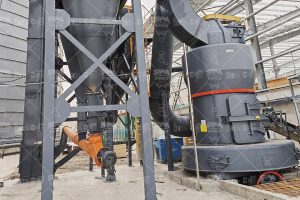
Introduction: The Critical Role of Magnesite in Refractory Materials Magnesite (MgCO3) is the primary source of magnesia (MgO), one of the most essential raw materials in the refractory industry. Due to its exceptional thermal stability, high melting point (approximately 2,800°C), and resistance to alkaline environments, magnesia-based refractories are indispensable in steelmaking, cement production, glass manufacturing, […]
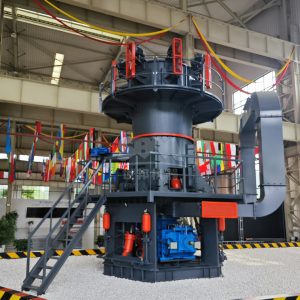
Introduction: The Critical Role of Attapulgite in Foundry Sand Binders Attapulgite, also known as palygorskite, is a hydrated magnesium aluminum silicate clay mineral with a unique needle-like or fibrous crystal structure. This distinctive morphology endows attapulgite with high surface area, excellent adsorption capacity, and superior colloidal properties, making it an indispensable raw material in the […]