Attapulgite, also known as palygorskite, is a hydrated magnesium aluminum silicate clay mineral with a unique needle-like or fibrous crystal structure. This distinctive morphology endows attapulgite with high surface area, excellent adsorption capacity, and superior colloidal properties, making it an indispensable raw material in the production of foundry sand binders. In foundry applications, attapulgite-based binders enhance green strength, thermal stability, and permeability of molding sands, which are essential for producing high-quality castings with minimal defects. As the global foundry industry continues to demand higher precision and efficiency, the processing of attapulgite into ultrafine powders has become a critical step. Choosing the right grinding mill is paramount to achieving the desired particle size distribution, maintaining the fibrous structure, and ensuring cost-effective production. This article provides a comprehensive guide to selecting the appropriate grinding equipment for attapulgite processing, with a focus on the specific requirements of foundry sand binders.
Attapulgite’s fibrous structure is its most valuable characteristic for foundry binder applications. Unlike platy clays such as kaolin, attapulgite fibers provide reinforcement and thixotropic behavior to sand mixtures. However, this fibrous nature also presents challenges during grinding: excessive mechanical force can break the fibers, reducing their aspect ratio and diminishing binder performance. Therefore, the ideal grinding mill for attapulgite should achieve ultrafine comminution while preserving the fibrous morphology as much as possible. Additionally, attapulgite typically has a Mohs hardness of 2-3, which is relatively soft, but its moisture content and tendency to agglomerate require careful handling. The target fineness for foundry sand binders usually ranges from 200 to 600 mesh (approximately 75 to 25 microns), depending on the specific casting process and sand system. Coarser particles may not disperse uniformly, while overly fine particles can increase binder demand and reduce permeability. Thus, a grinding mill with precise classification capability and adjustable fineness is essential.
Several types of grinding mills are commonly used for attapulgite processing, each with distinct advantages and limitations. Raymond mills (pendulum mills) are traditional choices for clay grinding, offering fineness up to 325 mesh. They are robust and cost-effective but may not achieve the ultrafine sizes required for high-performance binders. Ball mills can produce very fine powders but are energy-intensive and may damage the fibrous structure due to prolonged impact and attrition. Hammer mills are suitable for coarse grinding (0-3mm) but cannot produce the fine powders needed for binder applications. For ultrafine grinding while preserving fiber integrity, advanced mills such as the SCM Series Ultrafine Mill and LM Series Vertical Roller Mill are highly recommended. These mills combine efficient grinding with precise classification, ensuring minimal fiber breakage and consistent product quality.
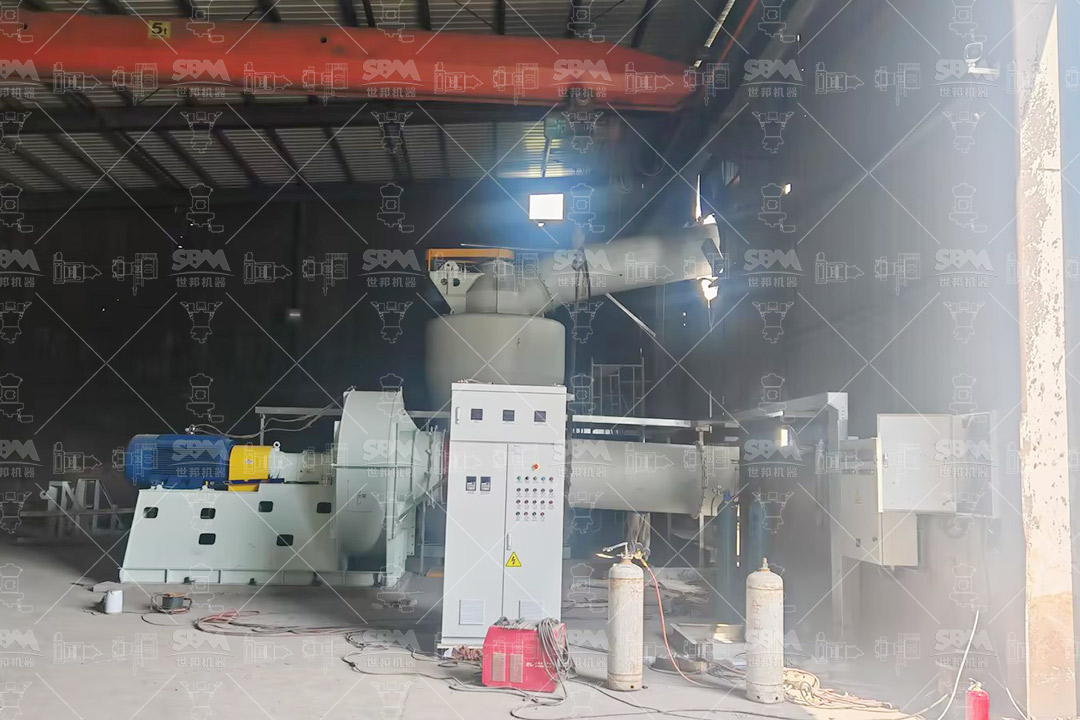
The SCM Series Ultrafine Mill is specifically engineered for producing ultrafine powders from soft to medium-hard materials, making it an excellent choice for attapulgite processing. With an output fineness range of 325-2500 mesh (45-5μm), it can easily meet the fineness requirements for foundry sand binders. The mill features a vertical turbine classifier that enables precise particle size cutting, ensuring uniform finished products without coarse powder mixing. This is crucial for attapulgite, as consistent particle size distribution directly affects binder performance. The SCM Series also boasts high efficiency and energy savings: its capacity is twice that of jet mills, while energy consumption is 30% lower. The intelligent control system with automatic finished product granularity feedback allows operators to maintain optimal grinding conditions with minimal manual intervention. Furthermore, the durable design includes special material rollers and rings that extend service life several times over, and a shaftless screw grinding chamber that ensures stable operation. For foundry sand binder manufacturers, the SCM Series offers a reliable, efficient, and eco-friendly solution. With models ranging from SCM800 (0.5-4.5t/h) to SCM1680 (5-25t/h), there is a suitable configuration for both small and large-scale production.
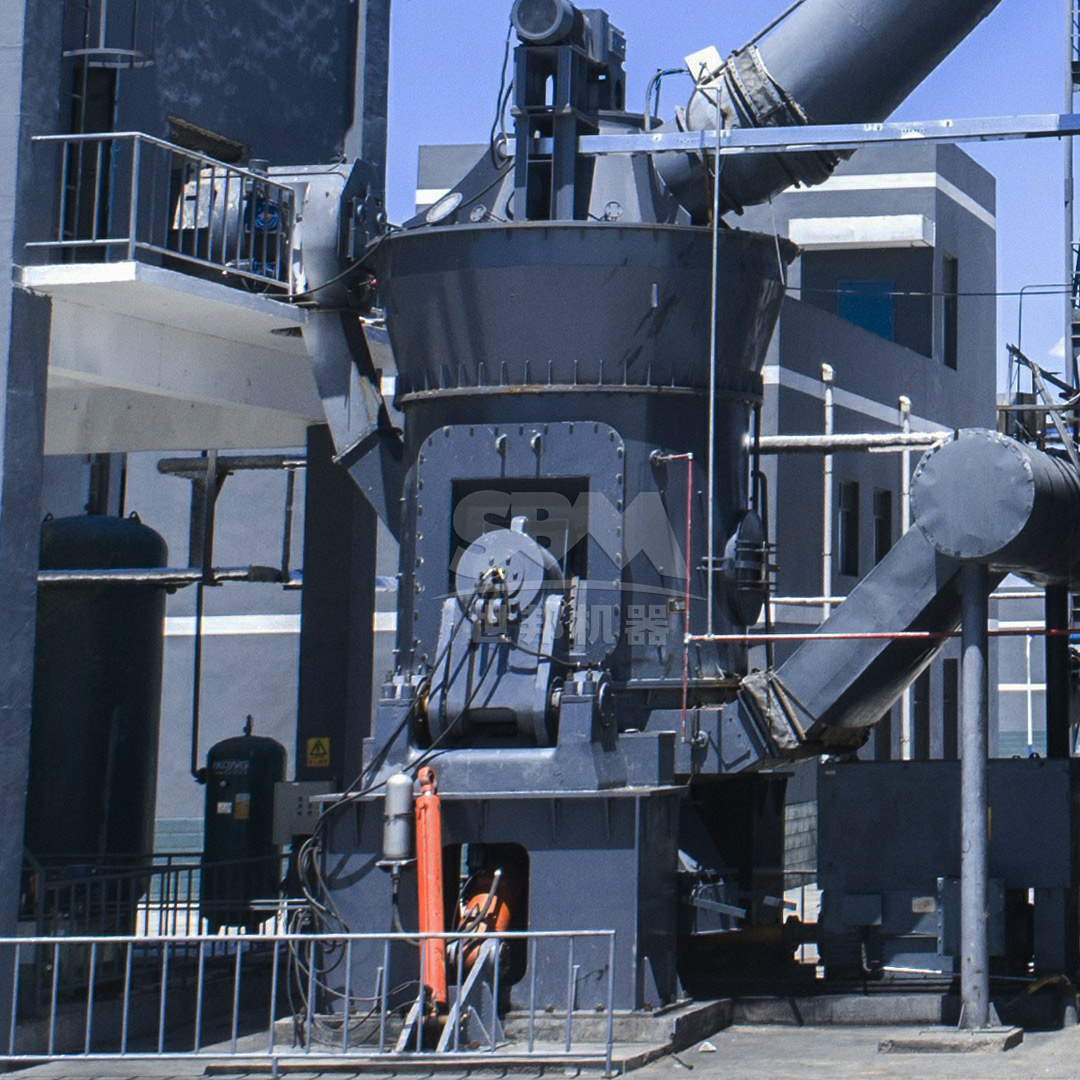
For high-capacity attapulgite processing, the LM Series Vertical Roller Mill is an outstanding option. This mill integrates crushing, grinding, and classification into one system, reducing floor space by 50% and allowing outdoor installation, which lowers infrastructure costs by 40%. The LM Series can produce powders from 30 to 325 mesh (up to 600 mesh for special models), with capacities ranging from 3 to 250 tons per hour, depending on the model. Its non-contact design between rollers and table minimizes wear, extending wear part life by up to three times compared to traditional mills. Energy consumption is 30-40% lower than ball mill systems, significantly reducing operating costs. The intelligent control system supports remote/local switching and real-time monitoring, ensuring stable operation and consistent product quality. For attapulgite, the LM Series’ gentle grinding action helps preserve the fibrous structure, while the dynamic classifier ensures precise fineness control. The fully sealed negative pressure operation and advanced dust collection system ensure environmental compliance, with dust emissions and noise levels well below international standards. Models such as LM130K (10-28t/h) and LM220K (36-105t/h) are particularly suitable for large foundry binder production lines.
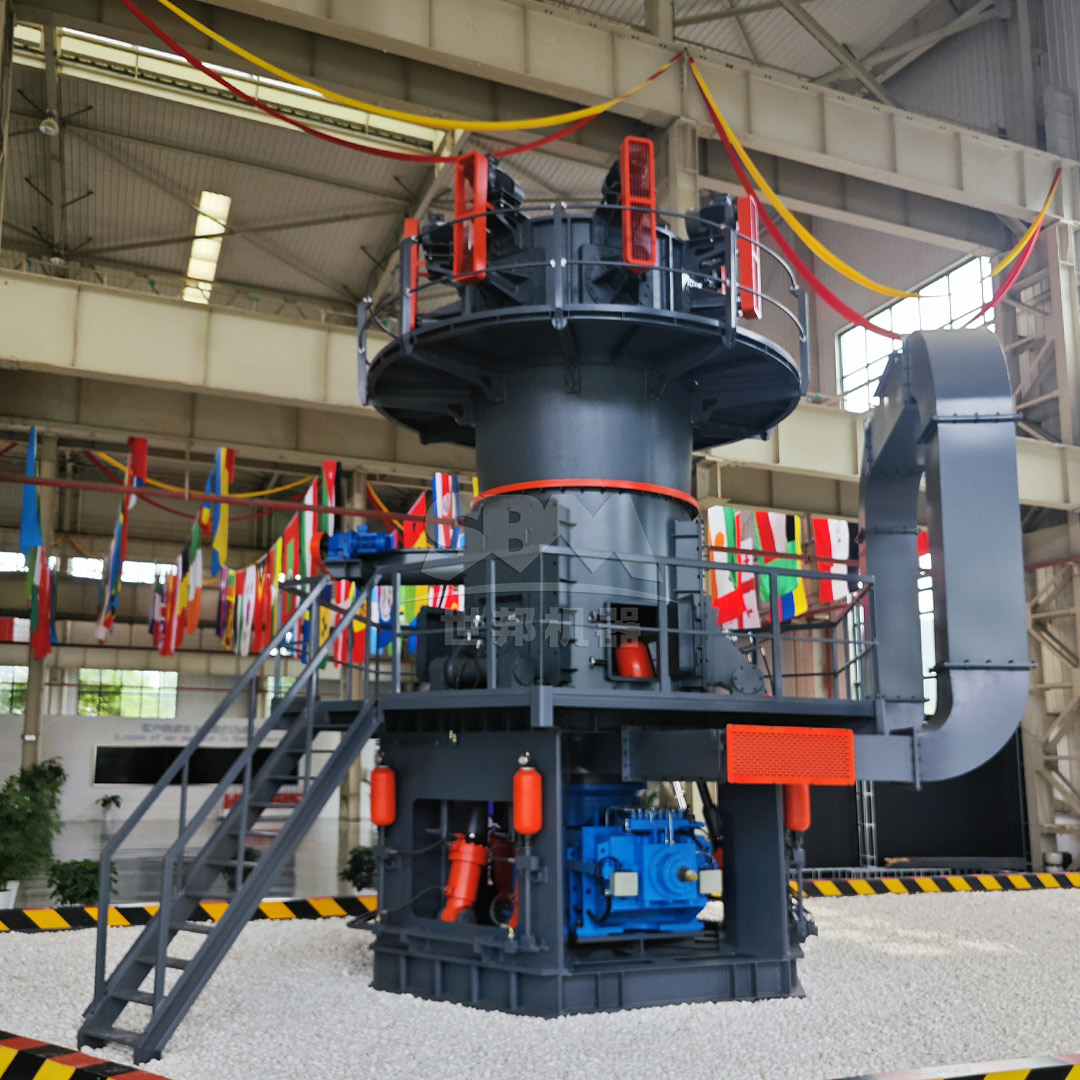
When selecting a grinding mill for attapulgite processing, several factors must be carefully evaluated. First, the required fineness and particle size distribution: foundry sand binders typically require 200-400 mesh, but higher-end applications may need 600 mesh or finer. The mill must be capable of achieving this consistently. Second, capacity: production scale dictates the necessary throughput, from a few tons per hour to over 100 tons per hour. Third, the preservation of fiber morphology: excessive impact or shear forces can break the fibers, reducing binder efficacy. Mills with gentle grinding mechanisms, such as vertical roller mills and ultrafine mills with precise classification, are preferred. Fourth, energy efficiency and operating costs: the grinding process can be energy-intensive, so mills with low power consumption per ton are advantageous. Fifth, maintenance and wear part life: attapulgite is abrasive to some extent, so mills with wear-resistant materials and easy maintenance are beneficial. Finally, environmental compliance: dust and noise emissions must be controlled to meet regulations. The SCM and LM Series mills address all these factors, making them ideal for attapulgite processing in the foundry industry.
Choosing the right grinding mill for attapulgite processing is a strategic decision that impacts product quality, production efficiency, and profitability. The unique properties of attapulgite demand equipment that can deliver ultrafine grinding while preserving its fibrous structure. The SCM Series Ultrafine Mill and LM Series Vertical Roller Mill from our company represent the state-of-the-art in attapulgite processing technology. With their advanced classification systems, energy-efficient designs, and robust construction, they ensure consistent, high-quality powders for foundry sand binders. We invite you to consult with our technical experts to determine the optimal mill configuration for your specific attapulgite processing needs. By investing in the right grinding equipment, you can enhance your binder performance, reduce operating costs, and gain a competitive edge in the foundry market.