
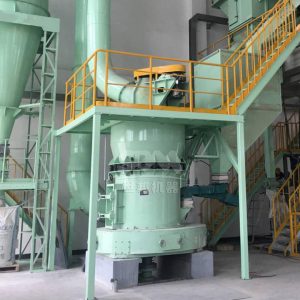
Introduction: The Critical Role of Kaolin in Rubber Manufacturing Kaolin, a naturally occurring hydrated aluminum silicate clay mineral, is a cornerstone functional filler and reinforcing agent in the rubber industry. Its incorporation into rubber compounds significantly enhances mechanical properties such as tensile strength, tear resistance, and abrasion resistance, while also improving dimensional stability, electrical insulation, […]
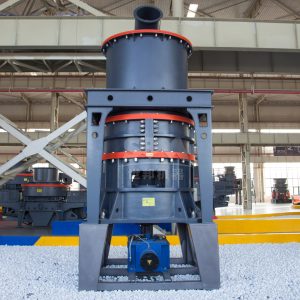
Kaolin Filler Manufacturing Machinery for Plastics Industry The plastics industry is a cornerstone of modern manufacturing, and its performance is heavily reliant on the quality and characteristics of its additives. Among these, kaolin clay stands out as a critical functional filler, enhancing mechanical strength, thermal stability, dimensional accuracy, and surface finish. However, the transition from […]
Introduction The paper industry is a major consumer of kaolin, utilizing its unique properties to enhance the quality, appearance, and functionality of paper products. For coating applications, kaolin provides a smooth, white, and opaque surface that improves printability and brightness. For filling applications, it increases opacity, bulk, and smoothness while reducing production costs. The efficacy […]
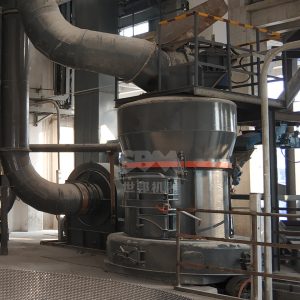
Introduction: The Critical Role of Kaolin in Fiberglass Production In the sophisticated world of fiberglass manufacturing, the selection and processing of raw materials are paramount to achieving the desired mechanical strength, thermal stability, and chemical resistance in the final product. Among these materials, kaolin, a naturally occurring hydrated aluminum silicate clay, serves as a vital […]
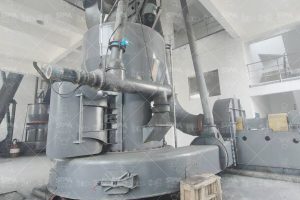
Introduction White cement, distinguished by its high whiteness and aesthetic appeal, is a specialized hydraulic binder used in architectural concrete, terrazzo, tile grouts, and decorative renders. Its production demands stringent control over raw material purity, processing technology, and equipment selection. Unlike ordinary grey Portland cement, the key to achieving exceptional whiteness lies in minimizing iron […]
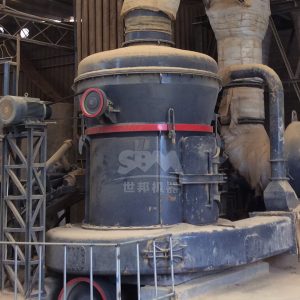
Introduction: The Critical Role of Kaolin in Refractory Materials The refractory materials industry relies heavily on high-purity, thermally stable additives to enhance the performance and longevity of linings used in extreme-temperature environments such as furnaces, kilns, and reactors. Among these additives, kaolin—particularly when calcined into metakaolin or mullite—stands out for its ability to improve thermal […]
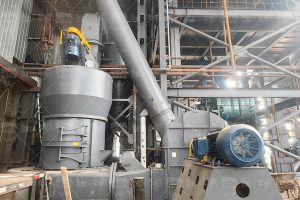
Introduction The production of high-performance ceramic additives demands kaolin of exceptional purity, whiteness, and, most critically, precise particle size distribution. The grinding process is the cornerstone of achieving these properties, directly influencing the final ceramic product’s density, strength, translucency, and firing behavior. Selecting the optimal grinding mill is therefore not merely an equipment purchase but […]
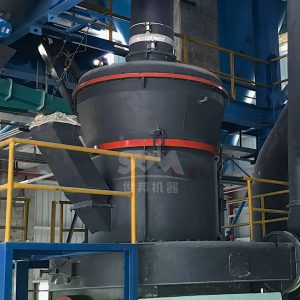
Introduction to Chemical Grade Dolomite Processing Dolomite, a calcium magnesium carbonate mineral (CaMg(CO3)2), is a cornerstone raw material in numerous chemical industries. Its applications range from glass and ceramics manufacturing to soil conditioners, flame retardants, and as a filler in paints, plastics, and rubber. Producing high-purity, chemically consistent dolomite powder requires a sophisticated grinding production […]
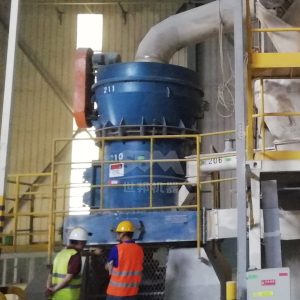
Introduction Dolomite, a calcium magnesium carbonate mineral (CaMg(CO3)2), is a cornerstone raw material in the construction industry. Its processed powder is integral to the production of high-performance concrete, asphalt mixtures, mortars, plasters, and various building materials. The key to unlocking dolomite’s full potential lies in the grinding process, which directly influences the powder’s fineness, particle […]