
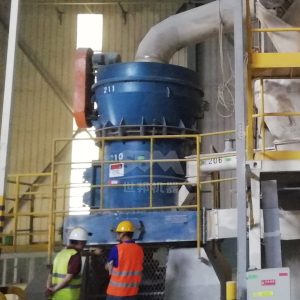
Introduction Dolomite, a calcium magnesium carbonate mineral (CaMg(CO3)2), is a cornerstone raw material in the construction industry. Its processed powder is integral to the production of high-performance concrete, asphalt mixtures, mortars, plasters, and various building materials. The key to unlocking dolomite’s full potential lies in the grinding process, which directly influences the powder’s fineness, particle […]
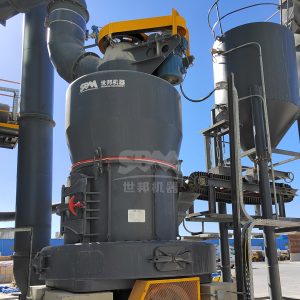
Introduction The production of high-quality fertilizers, particularly those requiring slow-release or soil-conditioning properties, often relies on finely ground minerals. Dolomite, a calcium magnesium carbonate mineral, is a prime example. Its application in fertilizers provides essential magnesium and calcium, neutralizes soil acidity, and improves soil structure. However, the efficacy of dolomite in fertilizer blends is heavily […]
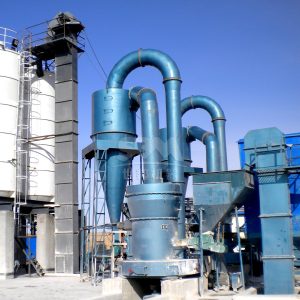
Introduction Dolomite, a calcium magnesium carbonate mineral, is a critical functional filler and additive in the rubber industry. Its incorporation enhances mechanical properties, improves dimensional stability, reduces costs, and can even impart flame-retardant characteristics. However, the efficacy of dolomite in rubber compounds is profoundly influenced by its particle size distribution, fineness, and particle morphology. Selecting […]
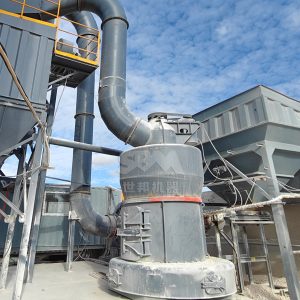
Introduction: The Critical Role of Dolomite Additives Dolomite, a calcium magnesium carbonate mineral (CaMg(CO3)2), serves as a vital additive in both the petroleum refining and steelmaking industries. In refineries, calcined dolomite is employed as a cost-effective agent for desulfurization and as a catalyst support. In steelmaking, it functions as a fluxing agent in sintering plants […]
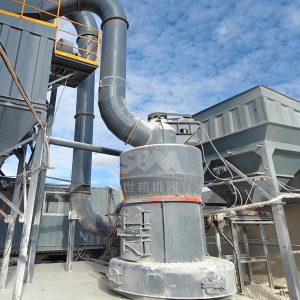
Introduction: The Role of Dolomite in Modern Coatings Dolomite, a calcium magnesium carbonate mineral (CaMg(CO3)2), has emerged as a critical functional filler and extender in the coatings industry. Its unique properties, including high brightness, low oil absorption, excellent weather resistance, and reinforcing capabilities, make it an ideal additive for paints, primers, and various surface coatings. […]
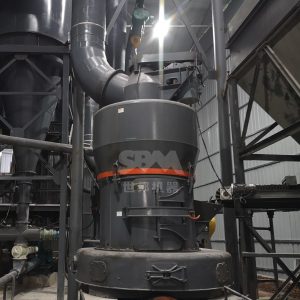
Introduction The strategic incorporation of dolomite (CaMg(CO3)2) as an additive in ceramic formulations is a well-established practice to enhance product properties. Its primary roles include acting as a flux to lower firing temperatures, improving mechanical strength, reducing thermal expansion, and promoting the formation of desirable crystalline phases like anorthite. However, the efficacy of dolomite is […]
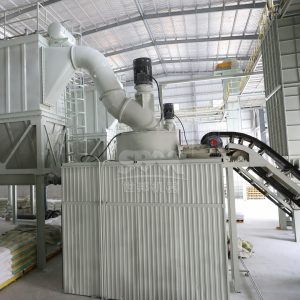
Introduction Dolomite, a calcium magnesium carbonate mineral, is a crucial raw material in industries such as construction, glass, ceramics, agriculture, and environmental protection. Producing high-quality dolomite powder, especially at a fineness of 300 mesh (approximately 48 microns), requires precise and efficient grinding technology. Selecting the right grinding mill is paramount to achieving optimal product quality, […]
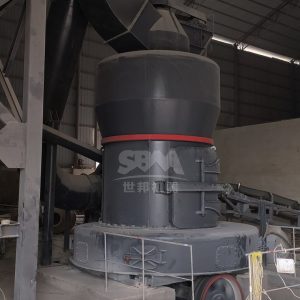
Introduction Dolomite, a calcium magnesium carbonate mineral (CaMg(CO3)2), is a versatile raw material with extensive applications in construction, agriculture, glass manufacturing, ceramics, and as a filler in paints and plastics. Producing high-quality dolomite powder, particularly at a fineness of 200 mesh (approximately 74 microns), requires a carefully designed production line that balances efficiency, product quality, […]
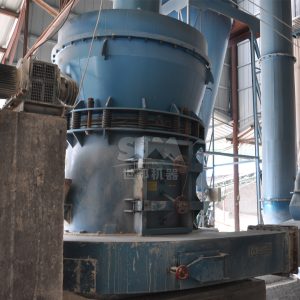
Introduction Dolomite, a calcium magnesium carbonate mineral, is a crucial raw material in numerous industries, including construction, agriculture, glass manufacturing, ceramics, and plastics. Producing high-quality dolomite powder, especially at a target fineness like 150 mesh (approximately 100 microns), requires selecting the most efficient and cost-effective grinding equipment. The choice of mill directly impacts product quality, […]