
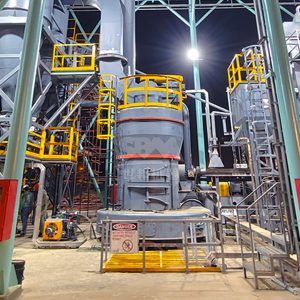
Introduction: The Role of Attapulgite in Modern Papermaking Attapulgite, a naturally occurring hydrated magnesium aluminum silicate clay, has emerged as a versatile and cost-effective filler material in the papermaking industry. Its unique needle-like crystal structure, high surface area, and excellent adsorption properties make it ideal for improving paper opacity, printability, and ink retention. As paper […]
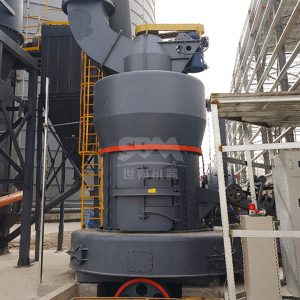
Introduction to Attapulgite as a Plastic Filler Attapulgite, also known as palygorskite, is a naturally occurring hydrated magnesium aluminum silicate mineral with a unique needle-like or fibrous crystal structure. This distinctive morphology gives attapulgite exceptional properties that make it highly valuable as a functional filler in plastic products. When properly processed, attapulgite can significantly enhance […]
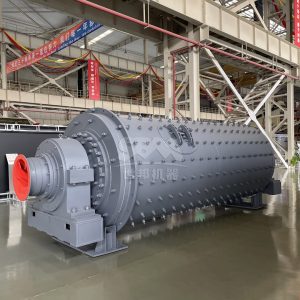
Introduction to Attapulgite as a Rubber Filler Attapulgite, also known as palygorskite, is a naturally occurring hydrated magnesium aluminum silicate clay mineral with a unique chain-like crystal structure. This distinctive needle-like morphology gives attapulgite exceptional properties that make it highly valuable as a functional filler in rubber compounds. When incorporated into rubber formulations, attapulgite enhances […]
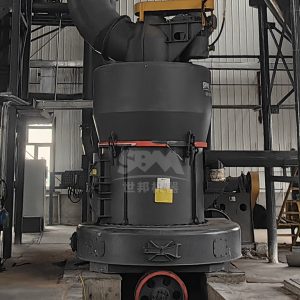
Introduction to Attapulgite as a Functional Filler for Wall Panels Attapulgite, a naturally occurring hydrated magnesium aluminum silicate clay mineral, has emerged as a highly valued functional filler in the production of wall panel materials. Its unique needle-like crystal morphology, high surface area, and excellent adsorption properties make it indispensable in modern construction materials. When […]
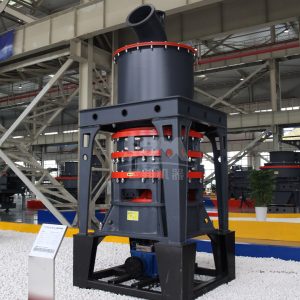
Introduction: The Role of Kaolin in Cosmetic Formulations Kaolin, also known as china clay, is one of the most widely used mineral ingredients in the cosmetic and personal care industry. Its unique properties—including excellent oil absorption, gentle abrasive action, superior mattifying effect, and natural whiteness—make it indispensable in products ranging from loose powders and pressed […]
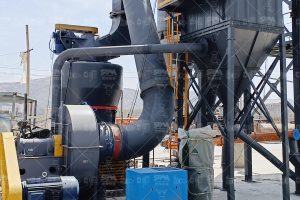
Introduction: The Role of Kaolin in Water Purification Kaolin, a naturally occurring hydrated aluminosilicate clay mineral, has been used for centuries in water treatment and purification processes. Its unique properties—including high surface area, cation exchange capacity, and ability to adsorb suspended particles and organic matter—make it an ideal material for removing turbidity, heavy metals, and […]
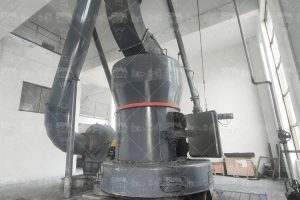
Introduction: The Critical Role of Kaolin in FCC Catalysts Kaolin, a hydrated aluminum silicate mineral, is one of the most important raw materials in the production of petroleum cracking catalysts (FCC catalysts). In the petrochemical industry, kaolin-based catalysts are widely used to crack heavy hydrocarbon fractions into lighter, more valuable products such as gasoline and […]
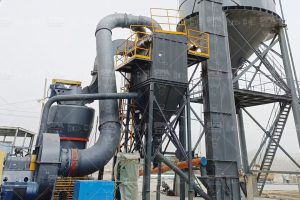
Introduction: Why Dolomite Matters in Water Purification Dolomite (CaMg(CO₃)₂) is a naturally occurring double carbonate mineral that has become increasingly important in modern water treatment and purification systems. Its unique chemical composition—rich in both calcium and magnesium—makes it highly effective for neutralizing acidic water, removing heavy metal ions, and adjusting water hardness. As global demand […]
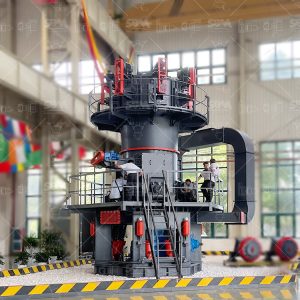
Introduction to Dolomite in Glass Manufacturing Dolomite, a naturally occurring mineral composed of calcium magnesium carbonate (CaMg(CO₃)₂), plays a critical role in the glass manufacturing industry. As a glass flux, dolomite contributes magnesium oxide (MgO) and calcium oxide (CaO) to the glass batch, lowering the melting temperature and improving the chemical durability and mechanical strength […]