
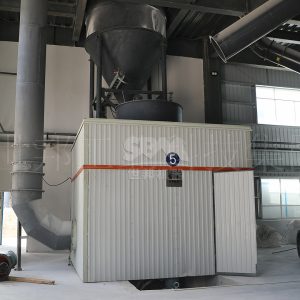
Introduction to Dolomite and Magnesium Extraction Dolomite, a calcium magnesium carbonate mineral with the chemical formula CaMg(CO₃)₂, represents one of the most important raw materials for magnesium metal production worldwide. With its unique chemical composition containing both calcium and magnesium, dolomite serves as a primary source for extracting magnesium through various metallurgical processes, including the […]
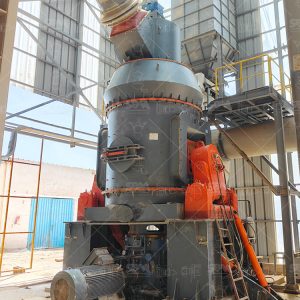
Introduction to Dolomite in Magnesium Cementitious Materials Dolomite, a naturally occurring double carbonate of calcium and magnesium (CaMg(CO₃)₂), has emerged as a cornerstone raw material in the production of magnesium cementitious materials. When calcined at controlled temperatures between 650°C and 750°C, dolomite undergoes decomposition to form a reactive mixture of magnesium oxide (MgO) and calcium […]
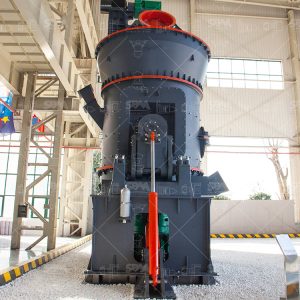
Introduction In the cement manufacturing industry, the grinding stage is one of the most energy-intensive and critical processes. Cement clinker, produced by sintering limestone and clay at high temperatures, must be ground to a fine powder to achieve the desired reactivity and strength development. The choice of grinding mill directly affects production capacity, energy consumption, […]
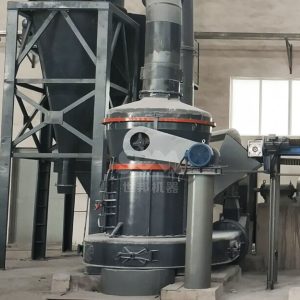
Introduction: The Critical Role of Milling in Cement Production In the cement manufacturing process, the preparation of raw materials is a pivotal stage that directly influences clinker quality, energy consumption, and overall plant efficiency. Limestone, clay, and gypsum constitute the primary raw materials, each presenting distinct physical and chemical characteristics that demand tailored milling solutions. […]
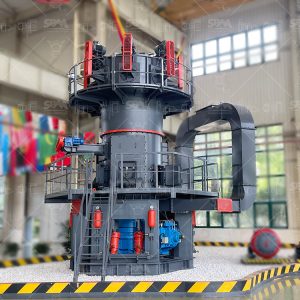
Introduction: The Critical Role of Clinker Grinding in Cement Production In the cement manufacturing process, clinker grinding is one of the most energy-intensive and cost-critical stages. After the clinkering process in the rotary kiln, the resulting clinker nodules must be ground to a fine powder—typically with a Blaine fineness of 300–450 m²/kg—to produce the final […]
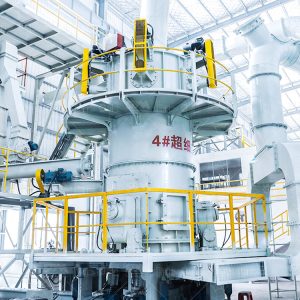
Introduction to Modern Cement Grinding The cement industry forms the backbone of global infrastructure development, and at its core lies the critical process of clinker grinding. The efficiency of this final production stage directly determines not only cement quality but also the economic viability of the entire plant. Modern clinker processing equipment has evolved dramatically […]
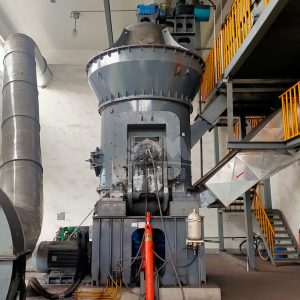
Introduction: The Critical Role of Specific Surface Area in Modern Cement Production In the contemporary landscape of construction materials, the quality of cement is paramount, directly influencing the durability, strength, and workability of concrete structures. At the heart of this quality lies the concept of specific surface area (SSA), often measured in cm²/g or m²/kg […]
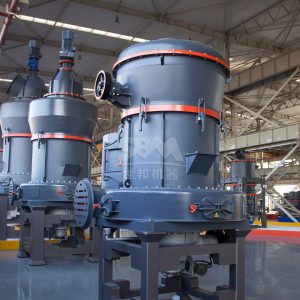
Introduction: The Critical Role of Specific Surface Area in Cement Quality In modern cement manufacturing, the specific surface area (SSA) of cement clinker, typically measured in cm²/g or m²/kg using the Blaine method, is a paramount quality indicator. It directly correlates with key performance properties such as early compressive strength, rate of hydration, and overall […]
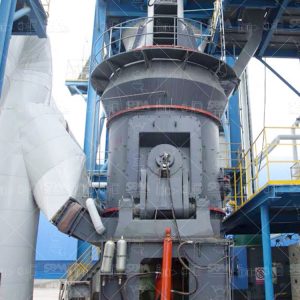
Introduction In the modern cement manufacturing industry, the pursuit of high specific surface area (Blaine fineness) in cement clinker is a critical objective. A higher Blaine value, typically ranging from 350 to 450 m²/kg for ordinary Portland cement, directly correlates with enhanced early strength development and improved overall cement quality. However, achieving this fine grinding […]