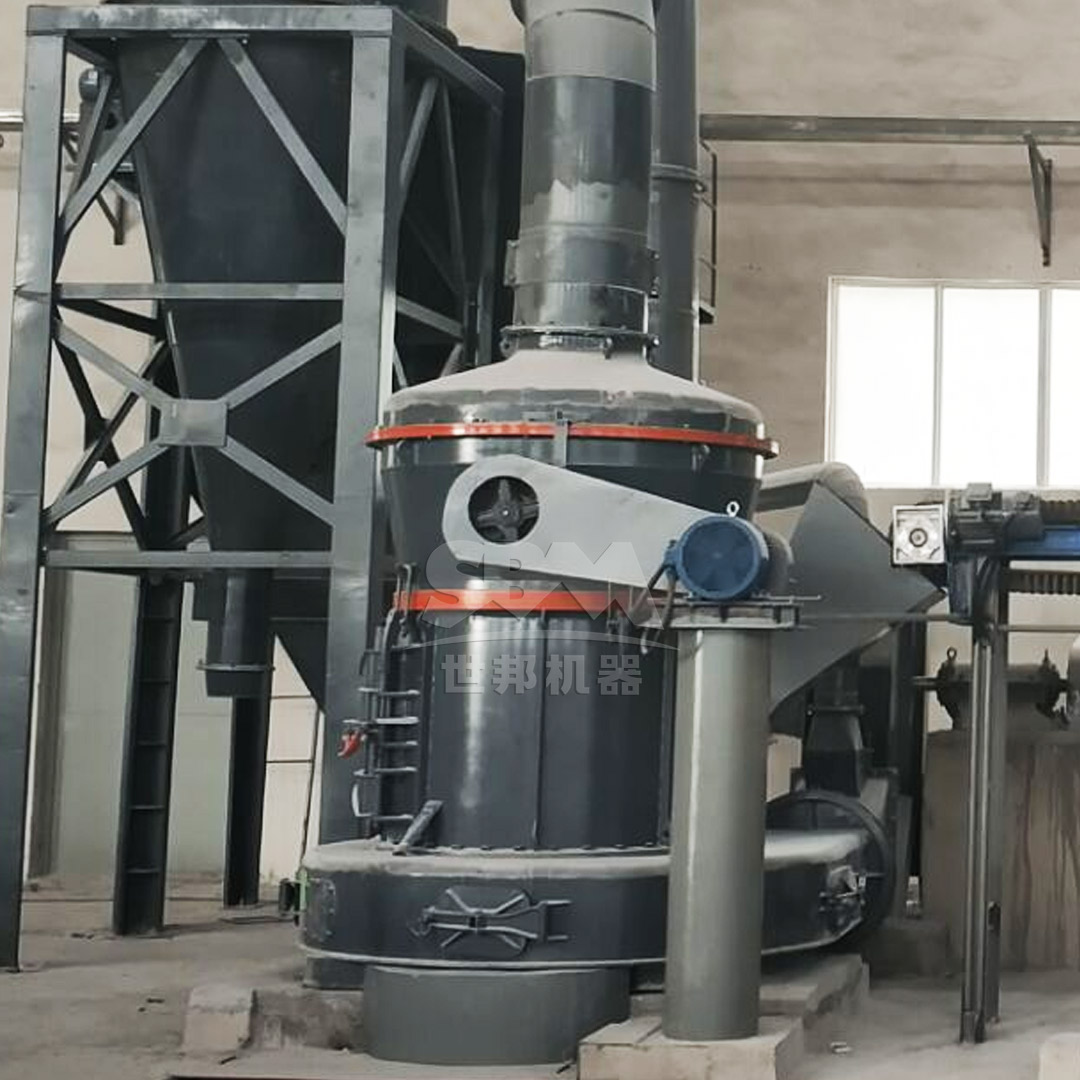
In the cement manufacturing industry, the grinding stage is one of the most energy-intensive and critical processes. Cement clinker, produced by sintering limestone and clay at high temperatures, must be ground to a fine powder to achieve the desired reactivity and strength development. The choice of grinding mill directly affects production capacity, energy consumption, product quality, and overall operational costs. With a wide range of technologies available—from ball mills to vertical roller mills, trapezium mills, and ultrafine mills—selecting the right equipment for your specific production line requires a careful evaluation of several factors. This article provides a comprehensive guide to choosing the optimal grinding mill for building material grade cement clinker processing, based on the latest equipment technologies and industry best practices.
Before diving into specific equipment options, it is essential to understand the primary parameters that influence the selection process. These include:
Your target output—whether a few tons per hour or several hundred—will determine the scale of the mill. Small to medium-scale plants may opt for trapezium or ultrafine mills, while large-scale cement lines often require vertical roller mills or ball mills with high throughput.
Cement clinker typically needs to be ground to a fineness of 300–500 m²/kg (Blaine), corresponding to approximately 30–60 μm. However, some applications demand ultrafine grinding (down to 5–45 μm), which requires specialized mills such as the SCM series or LUM series.
Grinding accounts for a significant portion of total cement production costs. Mills with advanced classification and material-bed grinding principles can reduce energy consumption by 30–50% compared to traditional ball mills.
Cement clinker is highly abrasive. Equipment with wear-resistant materials (e.g., high-chrome rollers, ceramic liners) and easy maintenance features—such as hydraulic roller replacement—can minimize downtime and extend service life.
Dust emission and noise levels are strictly regulated. Choose mills with efficient pulse dust collection, negative pressure operation, and soundproof designs.
Vertical mills and integrated grinding systems require less floor space and can be installed outdoors, reducing civil construction costs.
Several types of grinding mills are commonly used in cement clinker processing. Below is a detailed comparison to help you match the technology to your production line.
Ball mills are traditional and widely used for cement grinding. They offer high crushing ratio (up to 300:1), continuous adjustability of fineness, and large capacity (up to 450 t/h). However, they are energy-intensive, noisy, and have a large footprint. They are suitable for plants with moderate capacity requirements and where investment cost is a primary concern.
VRMs, such as the LM series, have become the preferred choice for modern cement grinding due to their high efficiency, low energy consumption (30–40% less than ball mills), and compact design. They integrate crushing, grinding, and classification in one unit, and can handle feed sizes up to 50 mm with capacities ranging from 3 to 250 t/h. The LM series offers specialized models for cement clinker, slag, and coal, making it a versatile option.
MTW and MTM series trapezium mills are designed for medium-fine grinding (30–325 mesh). They feature anti-wear shovel blades, optimized air ducts, and bevel gear drives for high transmission efficiency. These mills are ideal for production lines requiring 3–45 t/h with moderate fineness.
For applications demanding ultrafine cement or supplementary cementitious materials (e.g., 325–2500 mesh), the SCM series ultrafine mill and LUM series vertical roller mill are excellent choices. They offer precise particle size classification, high capacity (up to 25 t/h for SCM), and low noise operation.
The LM-Y series vertical pre-grinding roller mill is designed specifically for cement clinker and limestone. It uses a material-bed grinding principle that reduces energy consumption by 30–50% and can process up to 330 t/h. This mill is ideal for pre-grinding circuits, increasing the capacity of existing ball mills.
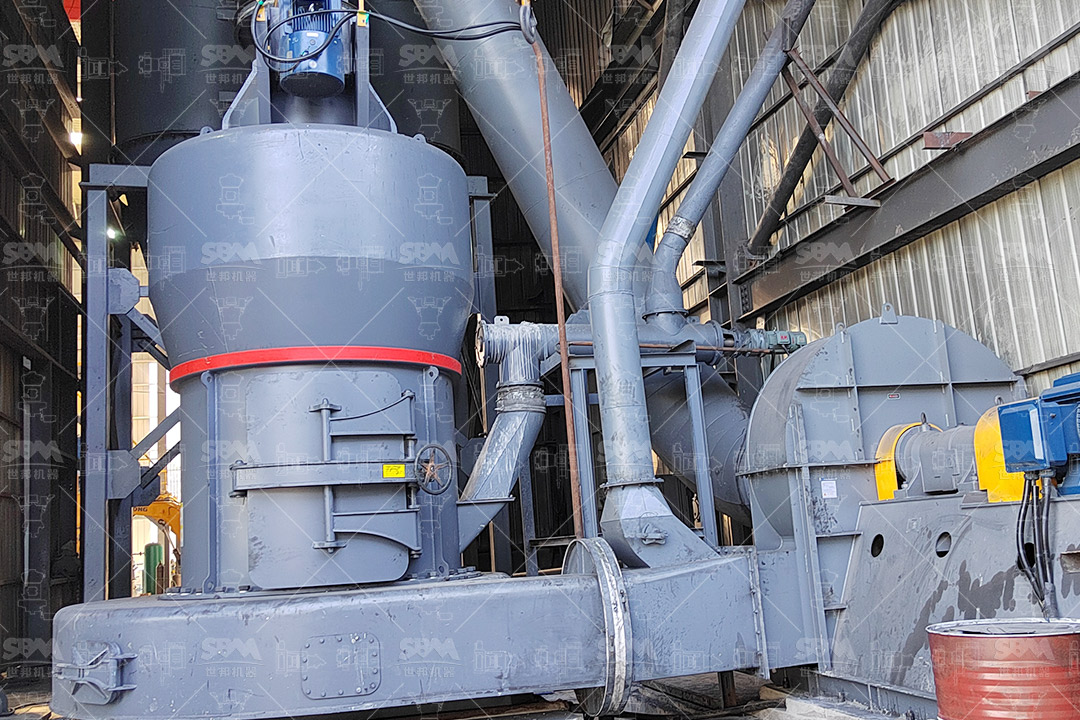
Based on our extensive product portfolio, we recommend the following two mills for building material grade cement clinker processing:
The LM series vertical roller mill is a flagship product for cement clinker grinding. It features an integrated design that combines crushing, grinding, and classification, reducing floor space by 50% and infrastructure costs by 40%. With a capacity range of 3–250 t/h and fineness adjustable from 30 to 325 mesh (up to 600 mesh for special models), it can handle various cement types. The non-contact design between rollers and table extends wear part life by three times, while the expert control system ensures stable operation with minimal manual intervention. The LM series is particularly suitable for large-scale cement production lines where energy efficiency and environmental compliance are paramount.
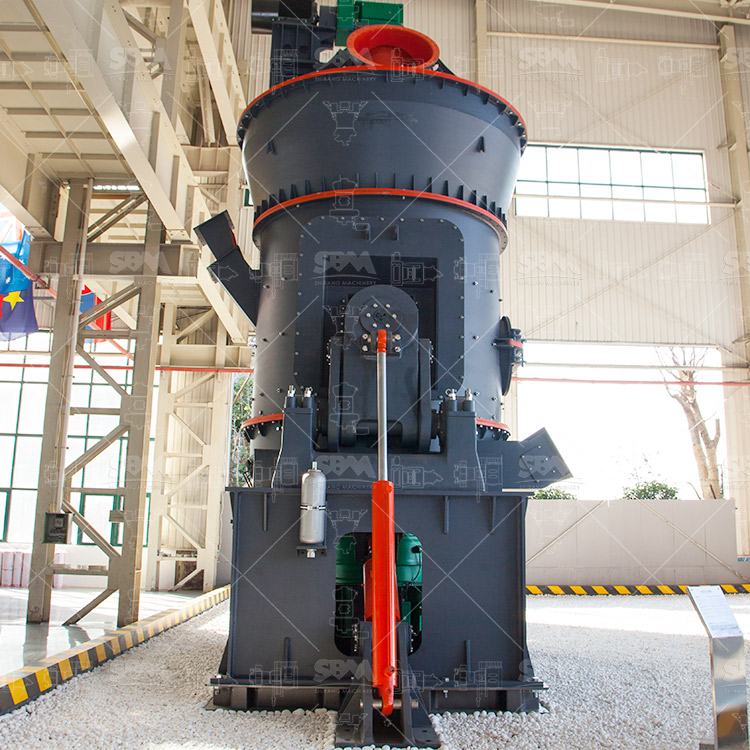
For production lines requiring ultrafine cement or high-grade supplementary cementitious materials, the SCM series ultrafine mill is an excellent choice. It achieves output fineness of 325–2500 mesh with a capacity of 0.5–25 t/h. The vertical turbine classifier ensures precise particle size cutting with no coarse powder mixing, resulting in uniform finished products. The special material rollers and rings extend service life several times over, and the pulse dust collection system exceeds international standards for dust emission. The SCM series is ideal for grinding clinker to ultrafine levels for specialty cement applications.
To choose the right mill, follow these steps:
Determine your required capacity, fineness, and product specifications. For example, a typical Portland cement requires 300–400 m²/kg, while sulfate-resistant cement may need finer grinding.
Cement clinker varies in hardness and abrasiveness. Higher abrasiveness may require mills with enhanced wear protection, such as the LM series with its wear-resistant rollers.
Consider the total cost of ownership. Vertical mills and pre-grinding mills offer significant energy savings over ball mills. Calculate the expected power consumption per ton of cement.
If your site has limited space or strict emission regulations, choose a mill with a compact footprint and advanced dust collection, such as the LM or SCM series.
Opt for equipment with easy maintenance features, such as hydraulic roller replacement (LM series) and thin oil lubrication (MRN pendulum mill). Ensure the manufacturer provides reliable after-sales support.
Selecting the right grinding mill for cement clinker processing is a strategic decision that impacts productivity, cost, and product quality. While ball mills remain an option for certain applications, modern vertical roller mills and ultrafine mills offer superior energy efficiency, precise classification, and environmental benefits. The LM series vertical roller mill and SCM series ultrafine mill are two standout solutions that can meet the demands of building material grade cement production. By carefully evaluating your capacity, fineness, material characteristics, and operational constraints, you can choose the optimal equipment to achieve a competitive edge in the cement market. For further assistance, please consult our technical team to customize a grinding solution tailored to your production line.