
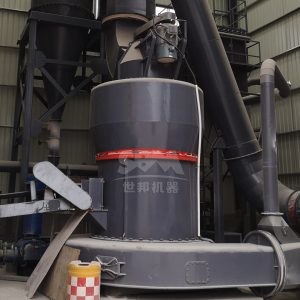
Introduction to Adhesive Limestone Filler Processing In the production of adhesives, limestone filler plays a crucial role as a functional extender and reinforcing agent. The processing of this mineral into fine, uniform powder requires specialized equipment that can deliver consistent particle size distribution, high throughput, and energy efficiency. From large-scale manufacturing plants to compact production […]
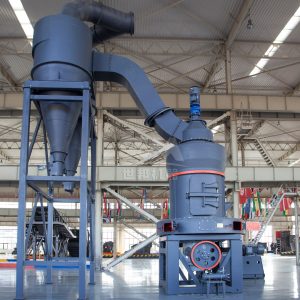
Introduction In the production of high-quality sealants, the selection of limestone filler processing equipment is a critical decision that directly impacts product performance, production efficiency, and operational costs. Limestone filler, when ground to precise particle sizes, serves as a functional extender that improves the rheological properties, adhesion, and durability of sealants. However, achieving the optimal […]
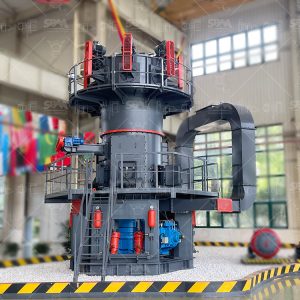
1. Introduction to Limestone in Glass Manufacturing Limestone is a critical raw material in the production of glass, providing calcium oxide (CaO) as a flux to reduce melting temperature and improve the chemical durability of the final product. In float glass, container glass, and fiberglass manufacturing, limestone powder must meet stringent specifications for particle size […]
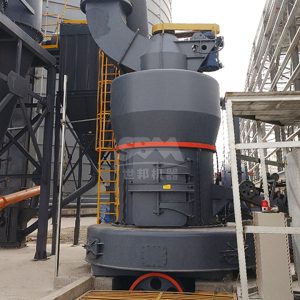
In the metallurgical industry, limestone serves as a critical flux material, primarily used to remove impurities such as silica, alumina, and sulfur during the smelting of iron and steel. The quality and particle size of metallurgical flux limestone directly influence the efficiency of slag formation, energy consumption, and the final quality of the metal. Processing […]
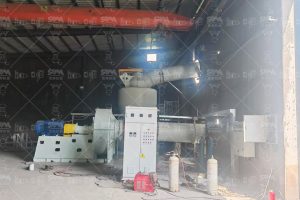
Introduction: The Critical Role of 200-Mesh Limestone in Cement Production In the modern cement manufacturing process, the fineness and quality of raw materials directly determine the efficiency of clinker calcination and the final strength of the cement. Limestone, as the primary raw material (accounting for approximately 70-80% of the raw mix), must be ground to […]
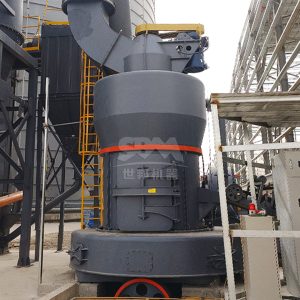
Introduction: The Critical Role of 180-Mesh Limestone in Cement Production In the cement manufacturing industry, raw material grinding represents one of the most energy-intensive and cost-critical stages. Among the various raw materials, limestone typically accounts for 70–80% of the cement raw mix. To achieve the optimal chemical composition for clinker production, limestone must be ground […]
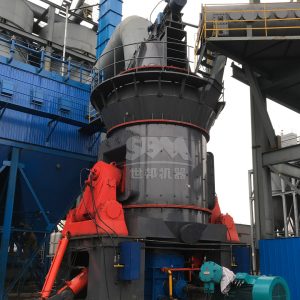
Introduction In the cement manufacturing industry, the grinding of limestone – the primary raw material – to a specific fineness is critical for ensuring high-quality clinker production and optimal plant efficiency. Achieving a product fineness of 325 mesh (44 microns) is a common standard for raw meal preparation, as it provides the ideal surface area […]
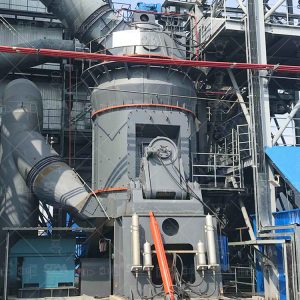
Limestone is the primary raw material for cement production, accounting for approximately 70-80% of the raw meal composition. Selecting the optimal processing equipment is critical to ensuring high production efficiency, consistent product quality, and low operating costs. The best equipment depends on several factors, including the required fineness of the final product, the desired capacity, […]
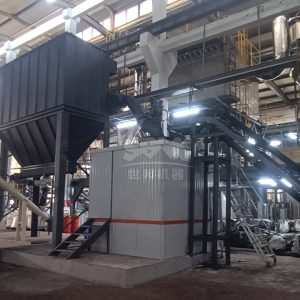
Introduction The production of metallurgical grade titanium powder is a cornerstone of modern manufacturing, underpinning critical industries ranging from aerospace and biomedical implants to automotive components and additive manufacturing. Unlike iron or aluminum, titanium presents unique challenges due to its high reactivity, toughness, and sensitivity to contamination. Consequently, the equipment used to reduce titanium sponge […]