In the cement manufacturing industry, the grinding of limestone – the primary raw material – to a specific fineness is critical for ensuring high-quality clinker production and optimal plant efficiency. Achieving a product fineness of 325 mesh (44 microns) is a common standard for raw meal preparation, as it provides the ideal surface area for subsequent calcination reactions. Selecting the right grinding equipment for this task is not merely a matter of meeting specification targets; it directly impacts energy consumption, operational costs, product consistency, and overall plant throughput. This article explores the key considerations and optimal equipment strategies for processing 325 mesh limestone, highlighting advanced mill technologies that deliver superior performance in cement raw material grinding.
Grinding limestone to 325 mesh poses several technical challenges. The material is moderately hard but highly abrasive, which accelerates wear on grinding elements. Traditional ball mills, while reliable, suffer from high energy consumption (typically 30-40% more than modern mills) and large footprint requirements. Furthermore, the industry increasingly demands higher capacity, finer control over particle size distribution (PSD), and lower environmental impact. To address these challenges, modern grinding technologies have evolved to offer integrated solutions that combine crushing, grinding, and classification in a single, efficient system. Among these, vertical roller mills (VRMs) and ultra-fine grinding mills have emerged as the preferred choices for large-scale cement raw material processing.
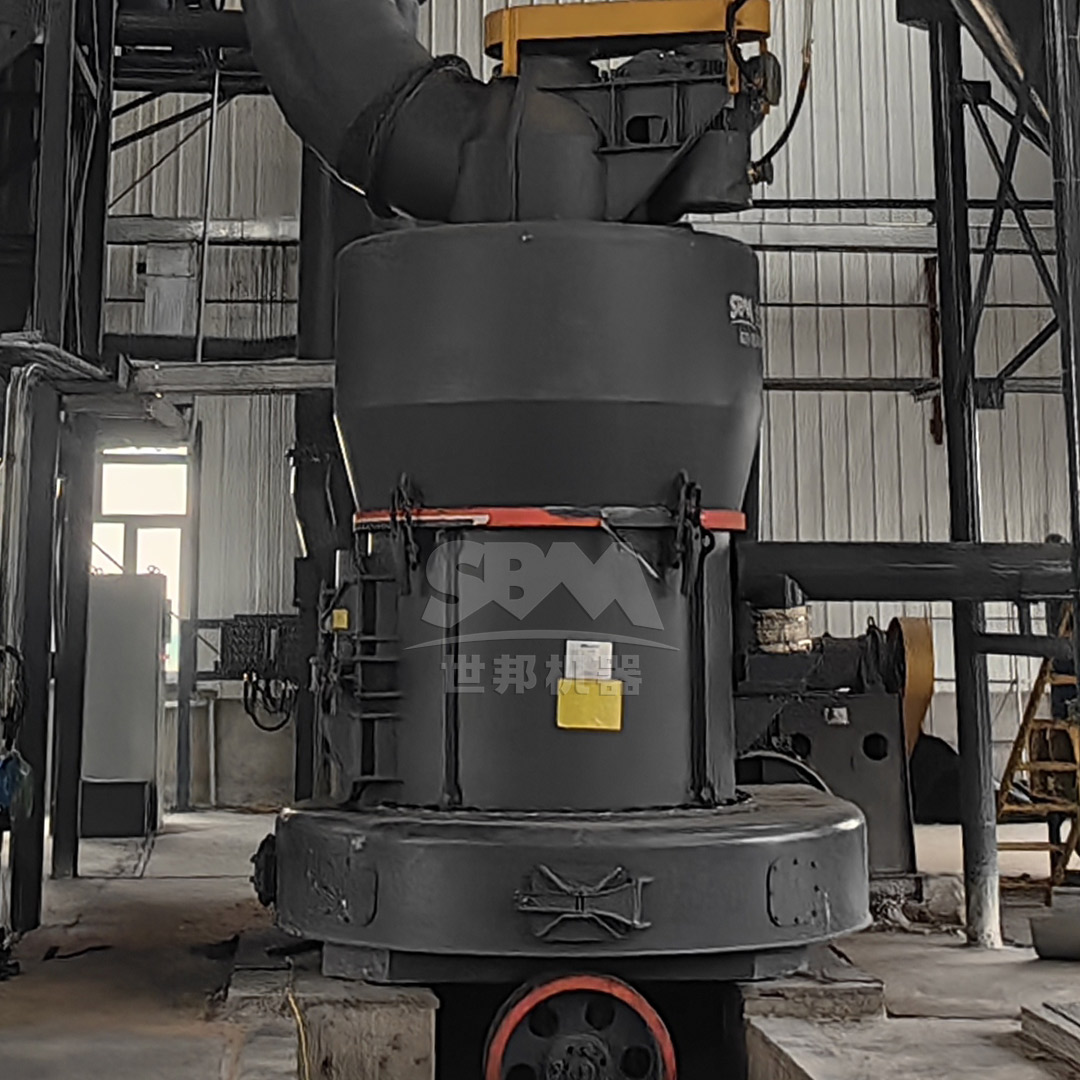
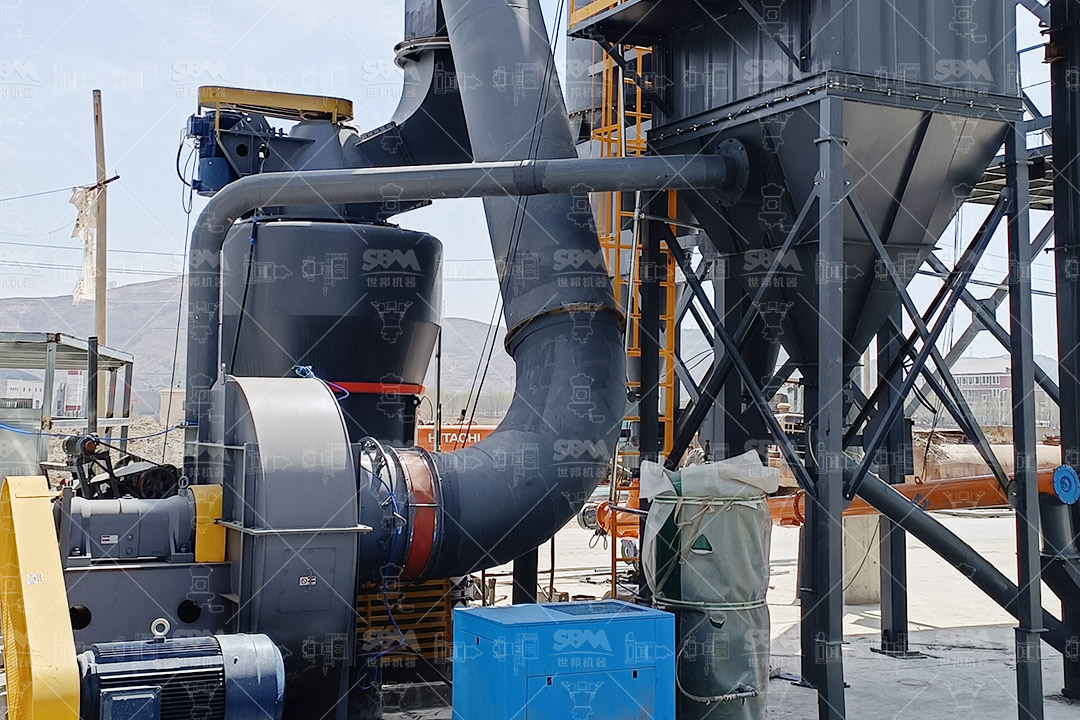
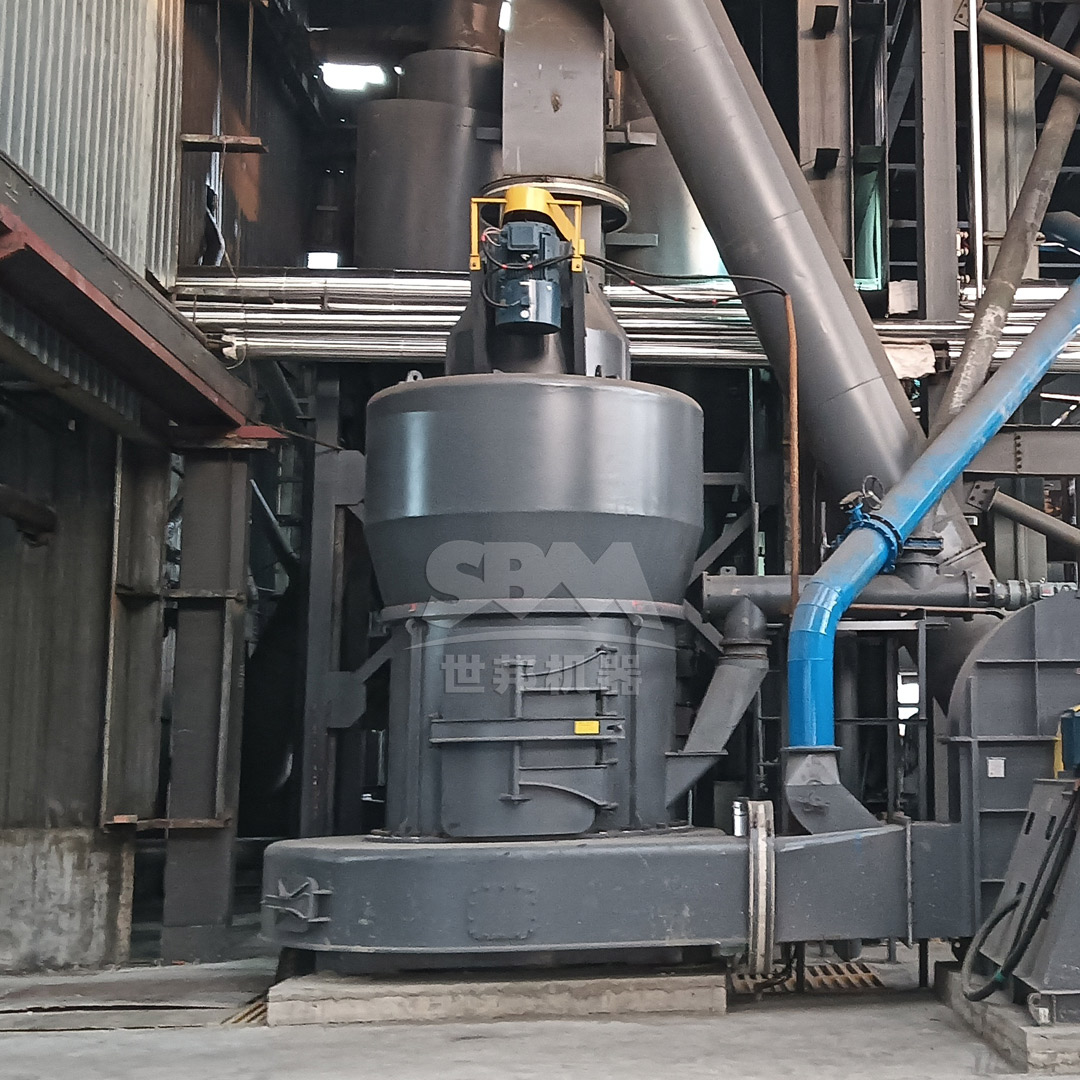
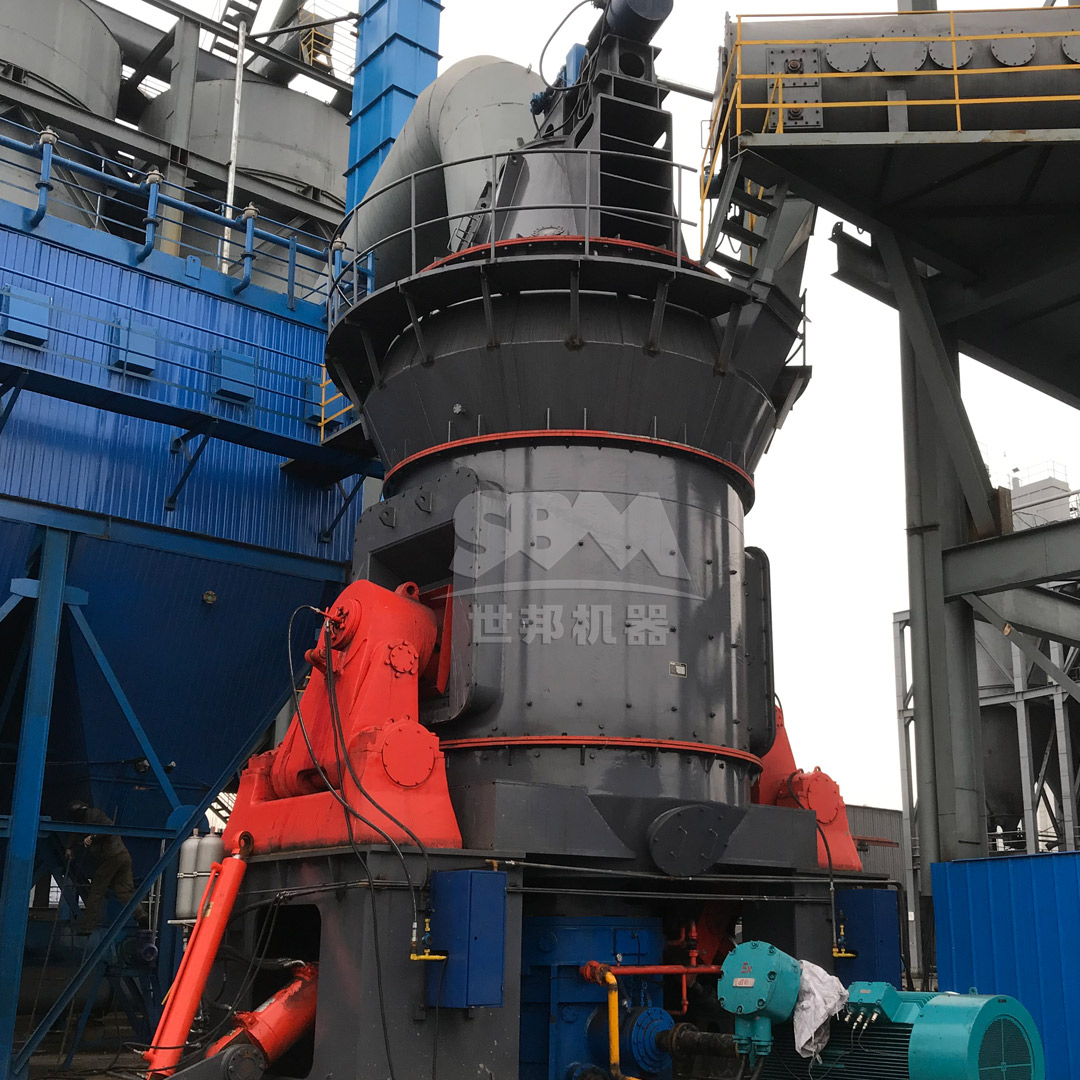
For high-capacity cement plants requiring stable and continuous 325 mesh limestone powder, the LM Series Vertical Roller Mill stands out as a flagship solution. Its integrated design combines crushing, grinding, and material classification within a single unit, significantly reducing the plant footprint by up to 50% compared to traditional ball mill systems. The LM mill operates on the principle of bed grinding, where material is ground between a rotating table and stationary rollers. This non-contact design between rollers and the table dramatically extends the service life of wear parts, often by three times or more, while achieving 30-40% lower energy consumption than ball mills.
The LM Series is engineered for intelligent control, featuring an expert-level auto-control system that supports remote and local switching. Real-time monitoring of parameters such as vibration, temperature, and grinding pressure reduces manual intervention and ensures stable operation even with varying limestone feed quality. The mill’s fully sealed negative pressure operation guarantees dust emissions below 30mg/m³ and noise levels under 85dB, meeting the strictest environmental standards. For a typical 2500-5000 TPD clinker production line, models such as the LM190K (table diameter 1900mm, capacity 23-68 t/h) or the LM220K (capacity 36-105 t/h) are ideally suited for grinding limestone to 325 mesh at a low operating cost.
| Model | Table Diameter (mm) | Capacity (t/h) | Main Power (kW) | Fineness |
|---|---|---|---|---|
| LM170K | 1700 | 18-48 | 400 | 170-40 μm |
| LM190K | 1900 | 23-68 | 500 | 170-40 μm |
| LM220K | 2200 | 36-105 | 800 | 170-45 μm |
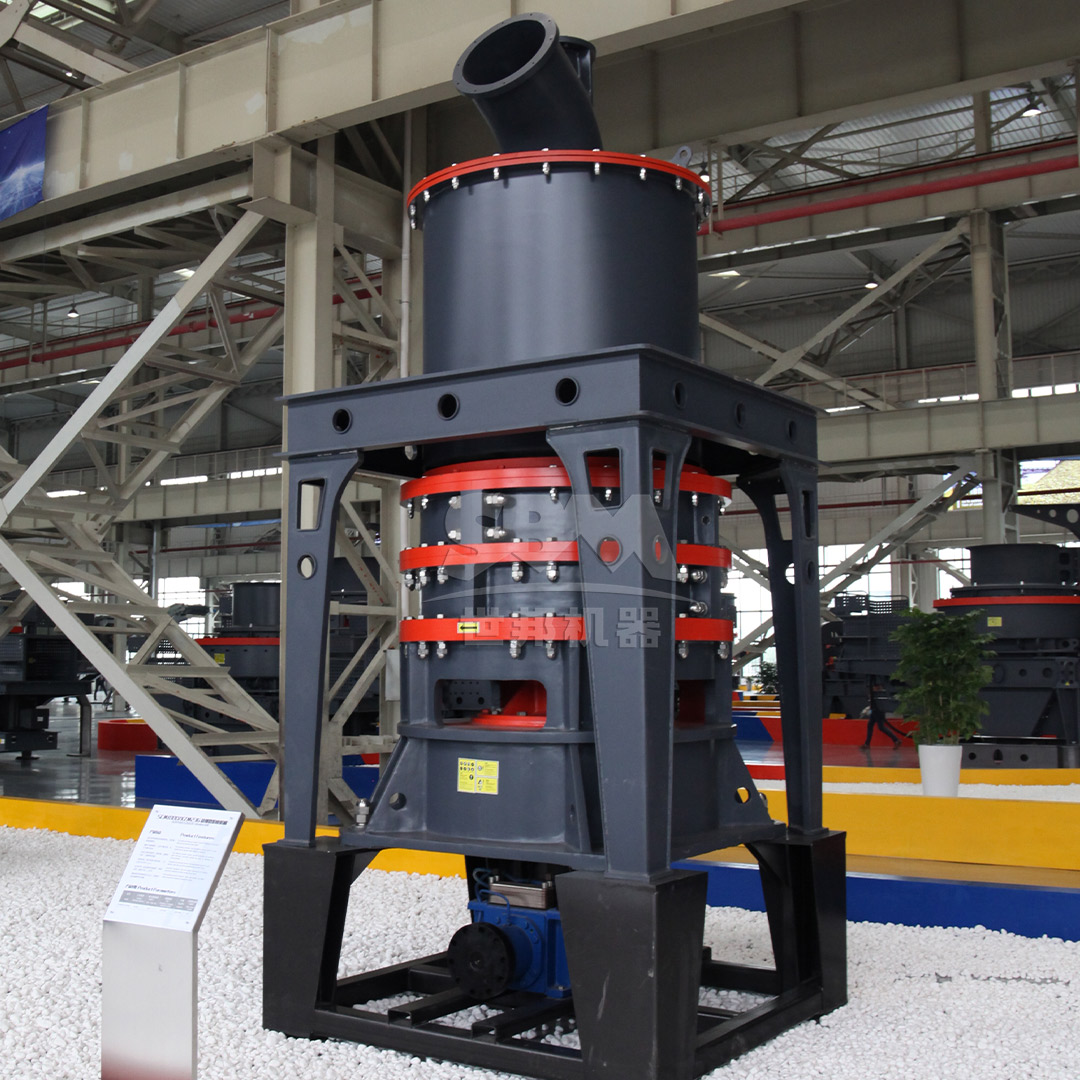
While the LM series excels in large-scale production, some cement plants require a finer and more precisely controlled product, especially when producing high-grade cement or when the raw mix demands a narrower particle size distribution. For these applications, the SCM Series Ultrafine Mill offers an unmatched solution. Capable of producing powders from 325 mesh down to an ultra-fine 2500 mesh (5 microns), the SCM mill provides the highest precision in particle size cutting through its vertical turbine classifier. This classifier ensures no coarse powder mixing, delivering a uniformly fine finished product that enhances the reactivity of the raw meal in the kiln.
The SCM mill is designed with energy efficiency as a core principle. Its capacity is double that of conventional jet mills, while energy consumption is reduced by 30%. The intelligent control system automatically adjusts the grinding parameters based on real-time feedback of the finished product granularity, ensuring consistent quality without operator intervention. The mill’s durable design features special alloy rollers and rings that extend service life several times over, and the shaftless screw grinding chamber guarantees stable and smooth operation. For cement plants focusing on ultra-fine limestone powder as a mineral additive or for specialized raw mix formulations, the SCM1000 (capacity 1.0-8.5 t/h) or SCM1250 (capacity 2.5-14 t/h) models are the ideal choice, bridging the gap between standard fine grinding and ultra-fine processing.
| Model | Capacity (t/h) | Main Power (kW) | Feed Size (mm) | Fineness (mesh) |
|---|---|---|---|---|
| SCM800 | 0.5-4.5 | 75 | 0-20 | 325-2500 |
| SCM1000 | 1.0-8.5 | 132 | 0-20 | 325-2500 |
| SCM1250 | 2.5-14 | 185 | 0-20 | 325-2500 |
| SCM1680 | 5.0-25 | 315 | 0-20 | 325-2500 |
To meet the diverse needs of cement raw material grinding, we offer two highly optimized solutions. For large-scale, energy-efficient production of standard 325 mesh limestone, we highly recommend the LM190K Vertical Roller Mill. Its proven track record in the cement industry, combined with its low power consumption and intelligent operation, makes it the best choice for mainstream raw meal preparation.
For applications requiring superior fineness control and the capability to produce ultra-fine limestone powder, the SCM1250 Ultrafine Mill is the preferred equipment. Its precision classification and high throughput for ultra-fine milling allow cement plants to diversify their product portfolio, producing both standard raw meal and high-value fine limestone powder for other applications.
Optimizing 325 mesh limestone processing requires a careful balance of capacity, energy efficiency, product quality, and operational reliability. The LM Series Vertical Roller Mill offers an unbeatable combination of high capacity and low operating cost for the bulk production of cement raw meal. Meanwhile, the SCM Series Ultrafine Mill provides the precision and ultra-fine capability needed for specialized applications. By selecting the appropriate technology from these advanced grinding solutions, cement manufacturers can significantly enhance their grinding efficiency, reduce their carbon footprint, and improve the overall quality of their final product. Investing in modern milestones like the LM and SCM series is not just an operational upgrade – it is a strategic move towards more sustainable and profitable cement production.