The electrical and electronics industry relies heavily on high-purity quartz stone for its exceptional insulating properties, thermal stability, and dielectric strength. From circuit board substrates to high-voltage insulators, quartz-based insulation materials demand precise particle size distribution, minimal contamination, and consistent quality. Selecting the right quartz stone processing equipment is therefore critical for manufacturers aiming to meet stringent industry standards while optimizing production costs. This buyer’s guide provides a comprehensive overview of the key equipment options, technical considerations, and practical recommendations for professionals tasked with setting up or upgrading a quartz processing line for electrical insulation materials.
Quartz (silicon dioxide, SiO₂) offers a unique combination of properties that make it indispensable in electrical insulation applications. Its high dielectric constant, low dielectric loss, and excellent volume resistivity ensure reliable performance under high voltages. Additionally, quartz’s thermal expansion coefficient is low, providing dimensional stability across temperature fluctuations. However, these benefits are only realized when the quartz is processed to the correct fineness, purity, and particle morphology. Coarse or irregular particles can create voids, leading to partial discharge and premature failure. Therefore, the processing equipment must deliver precise classification, minimal iron contamination, and high energy efficiency.
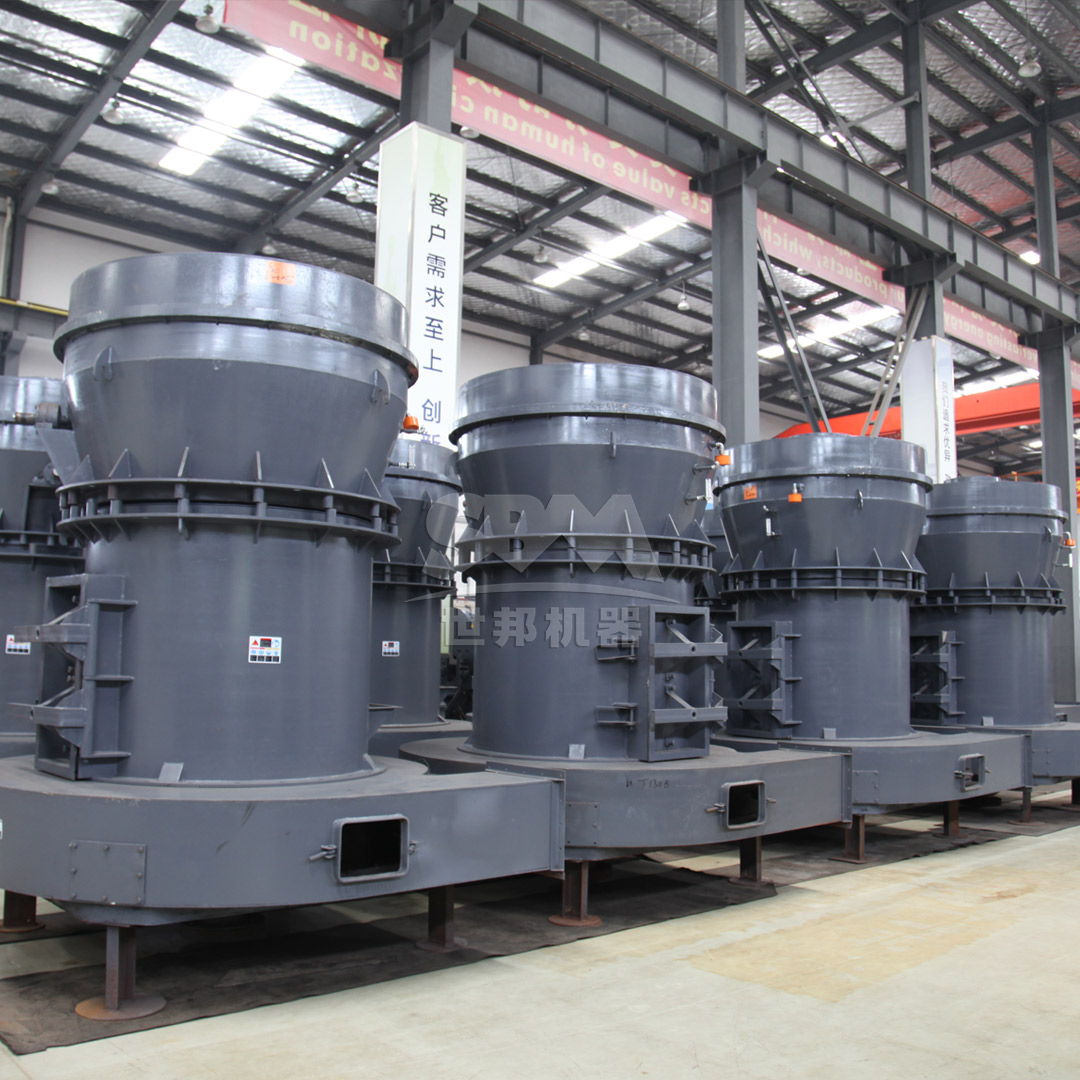
The first step in quartz processing is reducing large rocks to a manageable feed size. Jaw crushers or hammer mills are typically used for primary crushing. For finer pre-grinding, vertical pre-grinding roller mills or hammer mills can be employed. When selecting crushing equipment, consider the feed size, desired output size, and the need to minimize iron contamination. Equipment with wear-resistant liners (e.g., high manganese steel) is preferred to extend service life and maintain product purity.
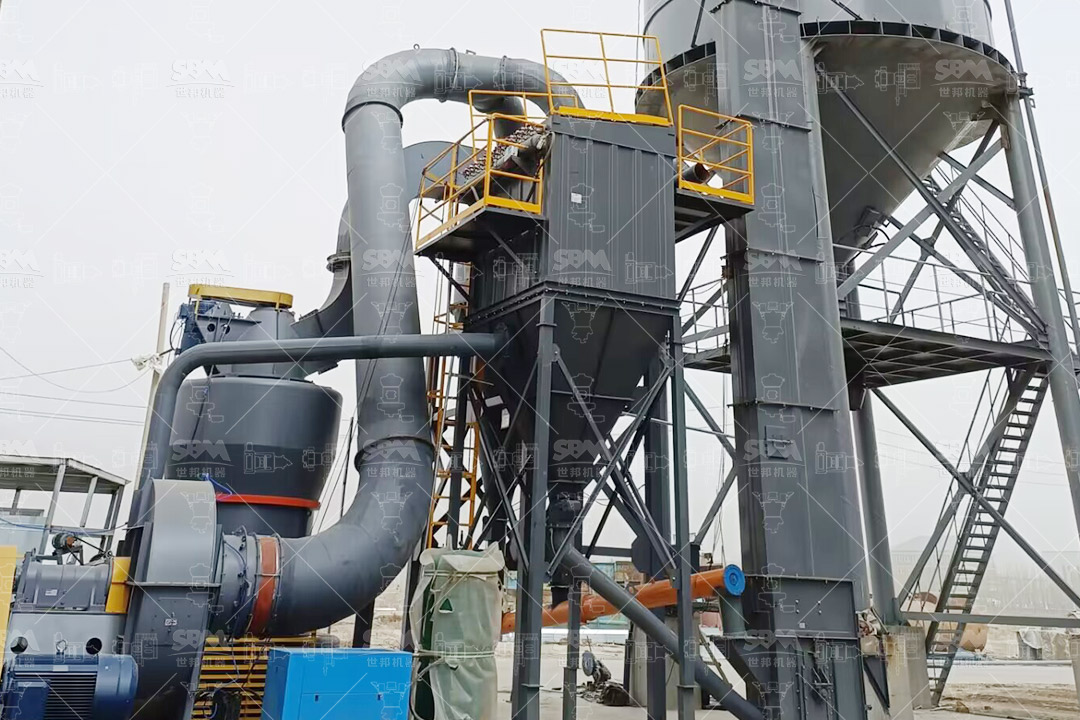
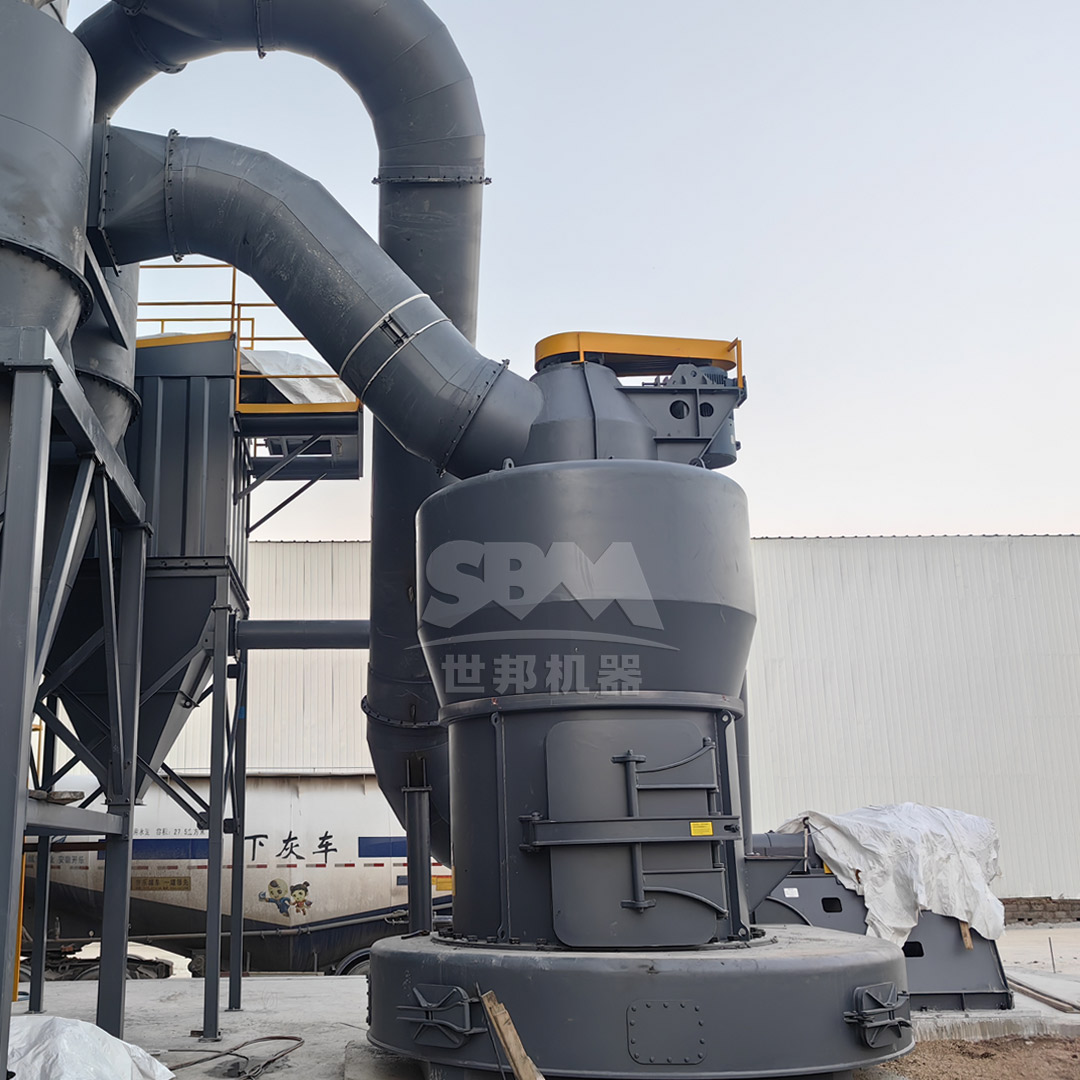
This is the heart of the quartz processing line. For electrical insulation materials, fineness typically ranges from 325 mesh (45 μm) down to 2500 mesh (5 μm) or even finer. The choice of mill depends on the required capacity, fineness, and energy efficiency. Common options include ball mills, Raymond mills (pendulum mills), vertical roller mills, and ultrafine mills. Each has its own advantages and limitations.
Precise classification ensures that only particles within the desired size range are collected as finished product, while coarse particles are returned for further grinding. Modern mills integrate dynamic classifiers with multi-stage adjustment. Pulse dust collectors are essential for environmental compliance and product recovery.
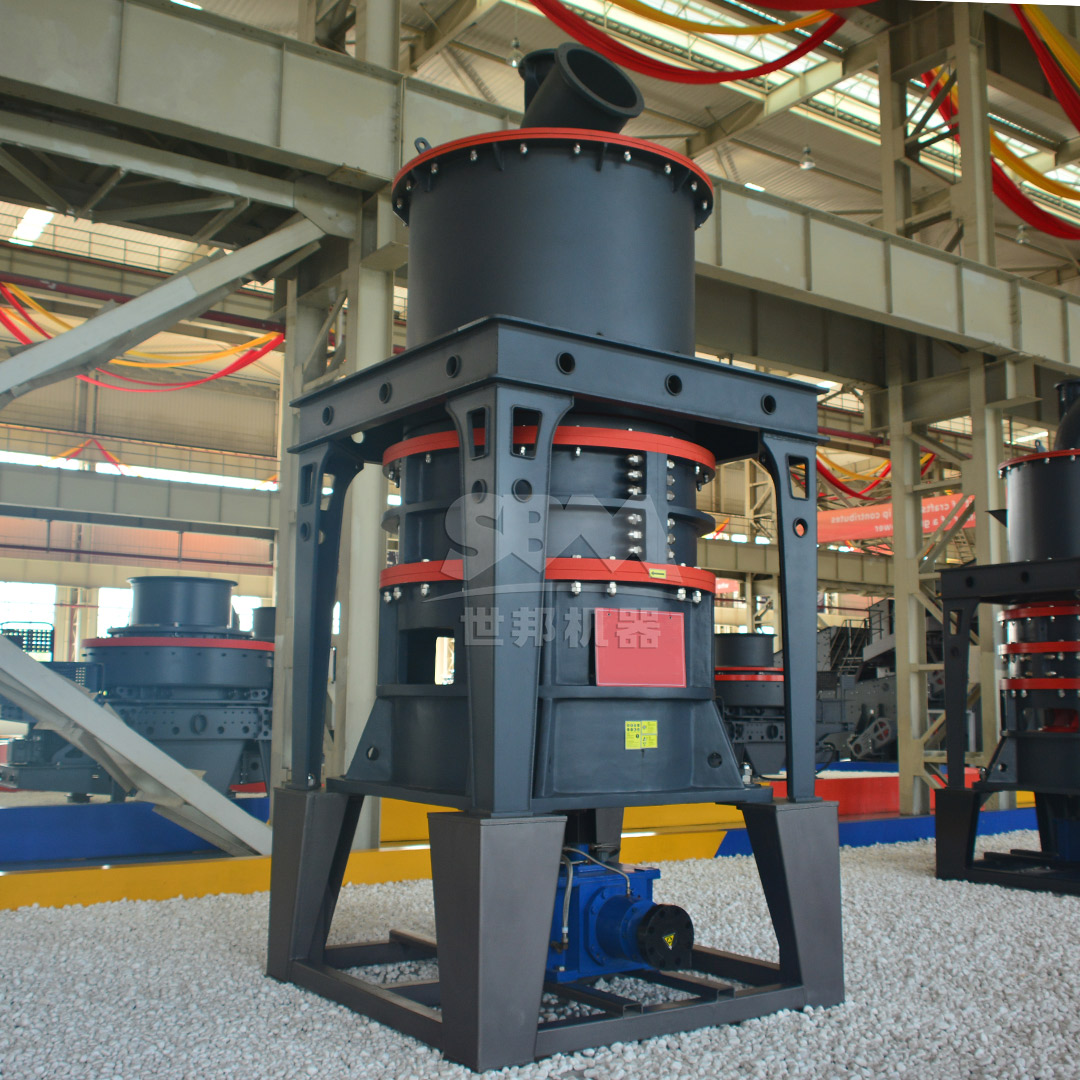
Based on the specific requirements of the electrical insulation industry, two equipment lines stand out for their performance and reliability: the SCM Series Ultrafine Mill and the MTW Series European Trapezium Mill. Both are designed to deliver high-precision grinding with minimal contamination and low operating costs.
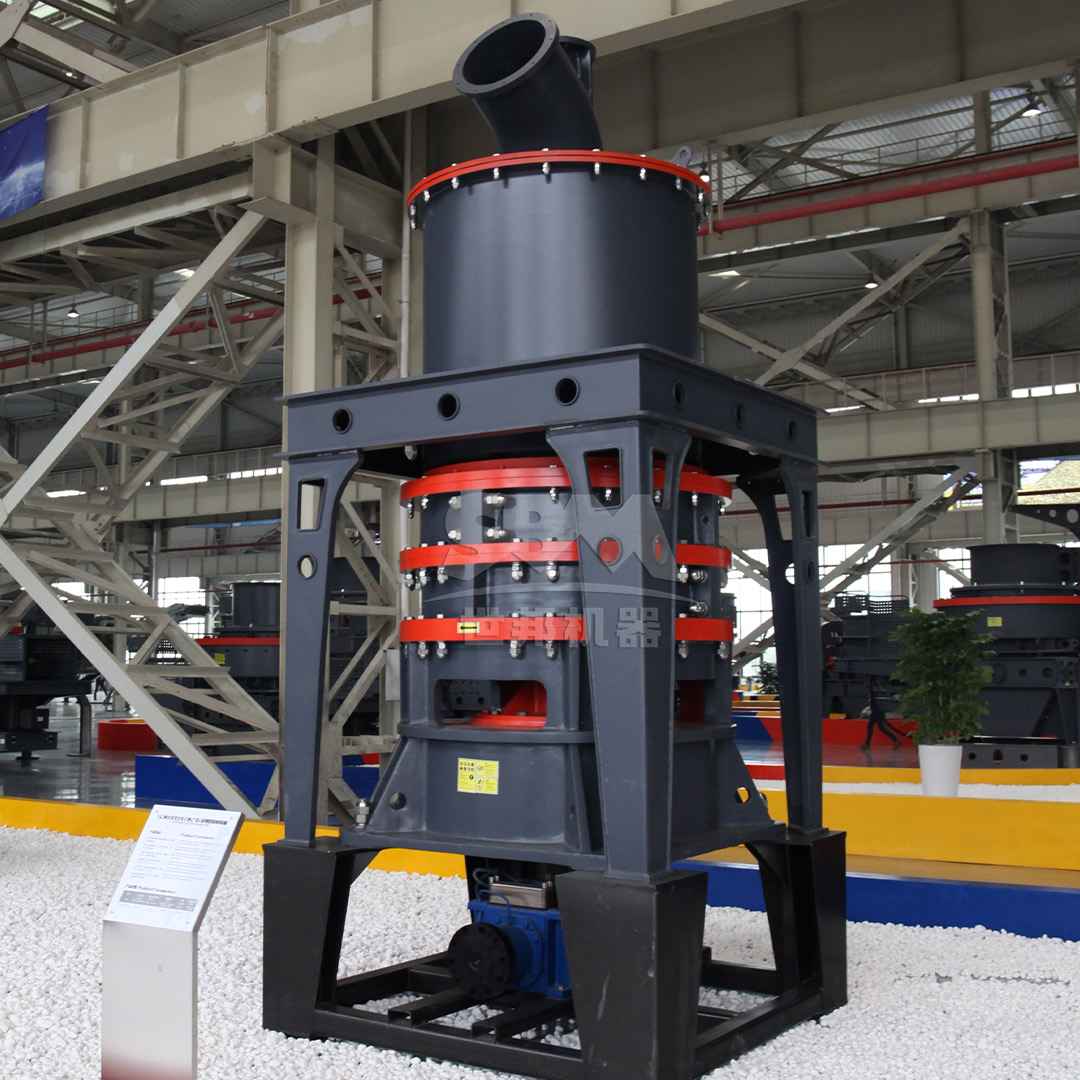
The SCM Series Ultrafine Mill is an ideal choice for producing ultrafine quartz powder for high-performance insulation materials. With an output fineness adjustable from 325 to 2500 mesh (45–5 μm), it can meet the most demanding specifications. Key features include:
For electrical insulation applications requiring fine powders (e.g., epoxy casting resins, high-voltage insulators), the SCM Series provides the reliability and precision needed.
For manufacturers needing a broader range of fineness (30–325 mesh) with high capacity, the MTW Series European Trapezium Mill offers an excellent balance of performance and economy. Its technical advantages include:
The MTW Series is particularly suitable for producing medium-fine quartz powders used in electrical laminates, potting compounds, and other insulation components where a balance between fineness and production volume is required.
To aid in the selection process, the following table summarizes the key parameters of the recommended mills.
| Model | Fineness Range | Capacity (t/h) | Main Power (kW) | Key Features |
|---|---|---|---|---|
| SCM800 | 325–2500 mesh | 0.5–4.5 | 75 | Ultrafine, high precision |
| SCM1000 | 325–2500 mesh | 1.0–8.5 | 132 | Ultrafine, high capacity |
| SCM1250 | 325–2500 mesh | 2.5–14 | 185 | Ultrafine, large scale |
| MTW110 | 30–325 mesh | 3–9 | 55 | Versatile, low cost |
| MTW138Z | 30–325 mesh | 6–17 | 90 | Medium-fine, efficient |
| MTW175G | 30–325 mesh | 9.5–25 | 160 | High capacity, robust |
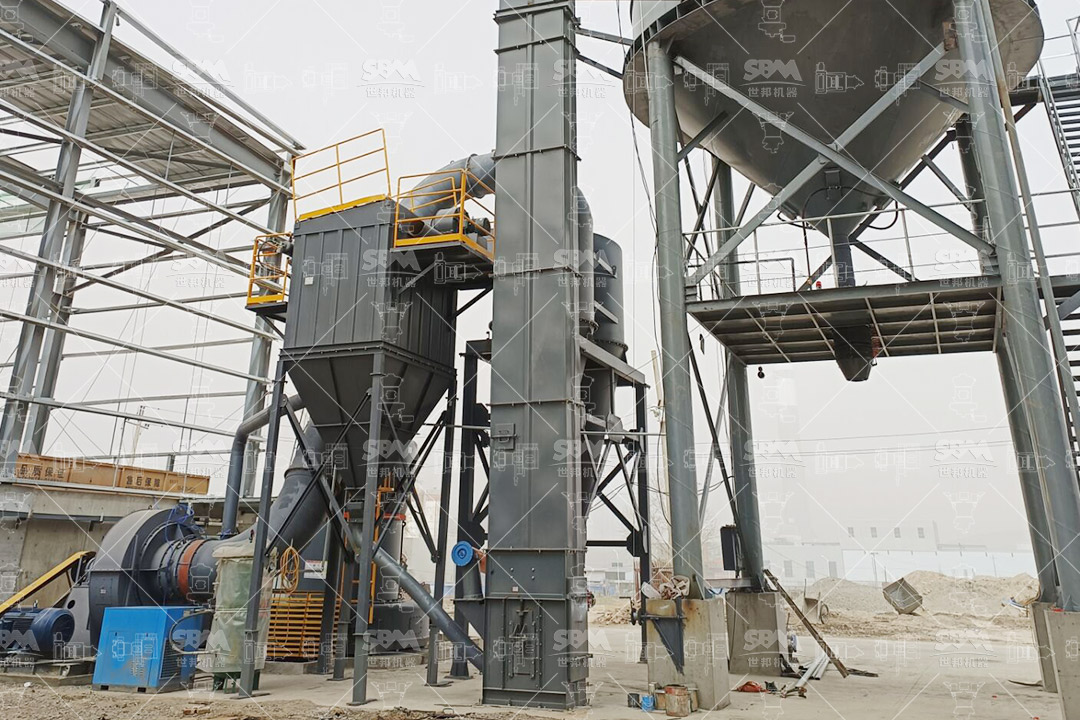
Electrical insulation materials demand high purity. Equipment should minimize iron contamination through wear-resistant materials (e.g., ceramic liners, special alloys) and proper dust collection. The SCM and MTW series both offer optional ceramic or polyurethane liners for contamination-sensitive applications.
A narrow particle size distribution is crucial for consistent dielectric properties. Mills with dynamic classifiers (such as the SCM’s vertical turbine classifier) provide sharper cut points and reduce coarse particles.
Grinding is energy-intensive. Choose equipment with high grinding efficiency and low power consumption. The SCM Series, for instance, consumes 30% less energy than jet mills for the same fineness.
Quartz is highly abrasive. Equipment with long-lasting wear parts (e.g., special material rollers and rings in SCM, or anti-wear shovel design in MTW) reduces downtime and maintenance costs.
Dust and noise regulations are tightening. Ensure the equipment includes efficient pulse dust collection and noise reduction features. Both SCM and MTW series meet stringent environmental standards.
Intelligent control systems with automatic feedback (e.g., SCM’s granularity feedback) ensure stable product quality and reduce operator intervention.
A leading manufacturer of high-voltage insulators switched from a ball mill to an SCM1250 ultrafine mill to produce quartz powder with a top cut of 10 μm. The result was a 40% increase in production capacity, a 30% reduction in energy consumption, and a significant improvement in product consistency, leading to fewer rejects and higher customer satisfaction. The mill’s integrated classifier and dust collector also simplified the production line and reduced floor space.
Selecting the right quartz stone processing equipment is a strategic decision that impacts product quality, operational costs, and environmental compliance. For electrical component insulation materials, the SCM Series Ultrafine Mill and MTW Series European Trapezium Mill offer proven solutions that combine precision, efficiency, and durability. By understanding your specific fineness requirements, production capacity, and purity standards, you can choose the equipment that best fits your needs and gain a competitive edge in the market. Always consult with equipment suppliers to conduct pilot testing with your actual quartz material to ensure optimal performance. With the right equipment, you can produce high-quality quartz insulation materials that meet the rigorous demands of the electrical industry.