
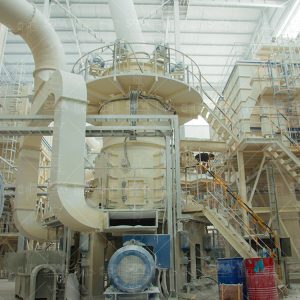
Introduction In the modern cement industry, the efficient processing of blast furnace slag is critical for producing high-quality blended cements and reducing environmental impact. Water-quenched blast furnace slag, a byproduct of iron production, must be ground to a fine powder to unleash its latent hydraulic properties. Selecting the right grinding mill for this task is […]
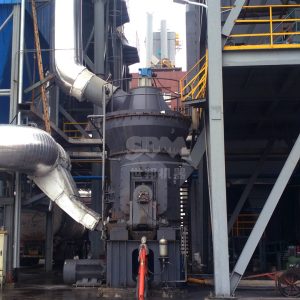
Introduction to Non-Fired Brick Production Non-fired bricks, also known as unfired or chemically bonded bricks, represent a sustainable alternative to traditional fired clay bricks. By eliminating the high-temperature firing process, manufacturers can significantly reduce energy consumption and carbon emissions while producing high-quality construction materials. A key component in many non-fired brick formulations is slag filler—a […]
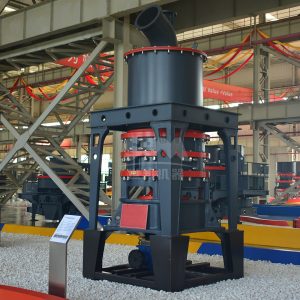
Introduction: The Strategic Importance of Cobalt and the Role of Milling Cobalt is a critical metal in the modern economy, indispensable for lithium-ion batteries, superalloys, and hard-facing materials. As demand for electric vehicles and renewable energy storage surges, the efficient extraction and processing of cobalt ore have become more important than ever. Whether you are […]

Introduction: The Critical Role of Cobalt in Catalyst Manufacturing Cobalt-based catalysts are indispensable in a wide range of chemical processes, including Fischer-Tropsch synthesis, hydrodesulfurization, and the production of fine chemicals. The performance of these catalysts is profoundly influenced by the particle size, particle size distribution (PSD), and morphology of the cobalt precursor or the final […]

Introduction: The Critical Role of Cobalt Pigments and Precision Milling Cobalt-based pigments—including cobalt blue, cobalt violet, cobalt green, and cobalt black—have long been prized in the ceramics, glass, coatings, and plastics industries for their exceptional color stability, thermal resistance, and chemical inertness. Unlike many organic pigments, cobalt pigments retain their vivid hue even under high-temperature […]
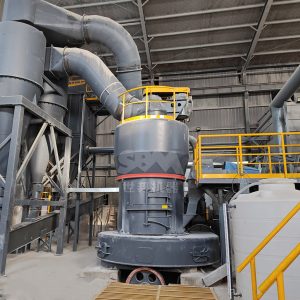
Introduction: The Role of Cobalt in Colored Glass Cobalt is a critical colorant in the glass industry, renowned for imparting deep, brilliant blue hues to glass products ranging from decorative art pieces to automotive and architectural glass. The intensity and consistency of the blue color depend heavily on the particle size, purity, and dispersion of […]
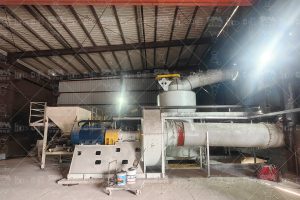
Introduction Cobalt is a critical element in the production of high-performance permanent magnet alloys, particularly samarium-cobalt (SmCo) and neodymium-iron-boron (NdFeB) magnets. These magnets demand ultra-fine, uniformly sized cobalt powders to achieve optimal magnetic properties, including high coercivity and energy density. The processing of cobalt from raw ore or recycled scrap into suitable alloy components requires […]

Introduction Cobalt-based alloys are indispensable in modern manufacturing, particularly as powder alloy binders for cemented carbides, diamond tools, and wear-resistant coatings. The performance of these binders hinges on precise particle size distribution, morphology, and purity. Selecting the appropriate milling equipment is therefore critical to achieving consistent product quality, operational efficiency, and cost control. This article […]

Introduction Cobalt is a critical metal in the production of high-performance alloys, particularly for superalloys used in aerospace, medical implants, and high-temperature applications. The processing of cobalt ores and concentrates into suitable powders for alloy manufacturing demands precise milling and classification technologies. Choosing the right milling solution is essential to achieve the required particle size […]