Non-fired bricks, also known as unfired or chemically bonded bricks, represent a sustainable alternative to traditional fired clay bricks. By eliminating the high-temperature firing process, manufacturers can significantly reduce energy consumption and carbon emissions while producing high-quality construction materials. A key component in many non-fired brick formulations is slag filler—a byproduct of steel production or other metallurgical processes—which improves mechanical properties, durability, and waste utilization. This guide provides a comprehensive overview of the equipment required for processing non-fired bricks with slag filler, from raw material preparation to final mixing and forming. For manufacturers aiming to optimize their production lines, selecting the right grinding and mixing equipment is critical. Below, we explore the essential stages and recommend specific machinery from our portfolio that excels in handling slag and other hard materials.
Slag, particularly steel slag or blast furnace slag, is rich in calcium silicates and aluminosilicates. When finely ground and mixed with activators (such as cement, lime, or gypsum), it forms a cementitious matrix that hardens at ambient conditions. The benefits of incorporating slag filler include:
However, slag must be processed to a suitable fineness—typically 300–500 m²/kg Blaine surface area—to ensure adequate reactivity. This requires efficient grinding equipment capable of handling abrasive materials.
The production of non-fired bricks with slag filler involves several stages: raw material storage, crushing, grinding, batching, mixing, forming, and curing. Among these, grinding and mixing are the most energy-intensive and critical for product quality. Below, we detail the equipment needed for each stage, with a focus on our advanced mills.
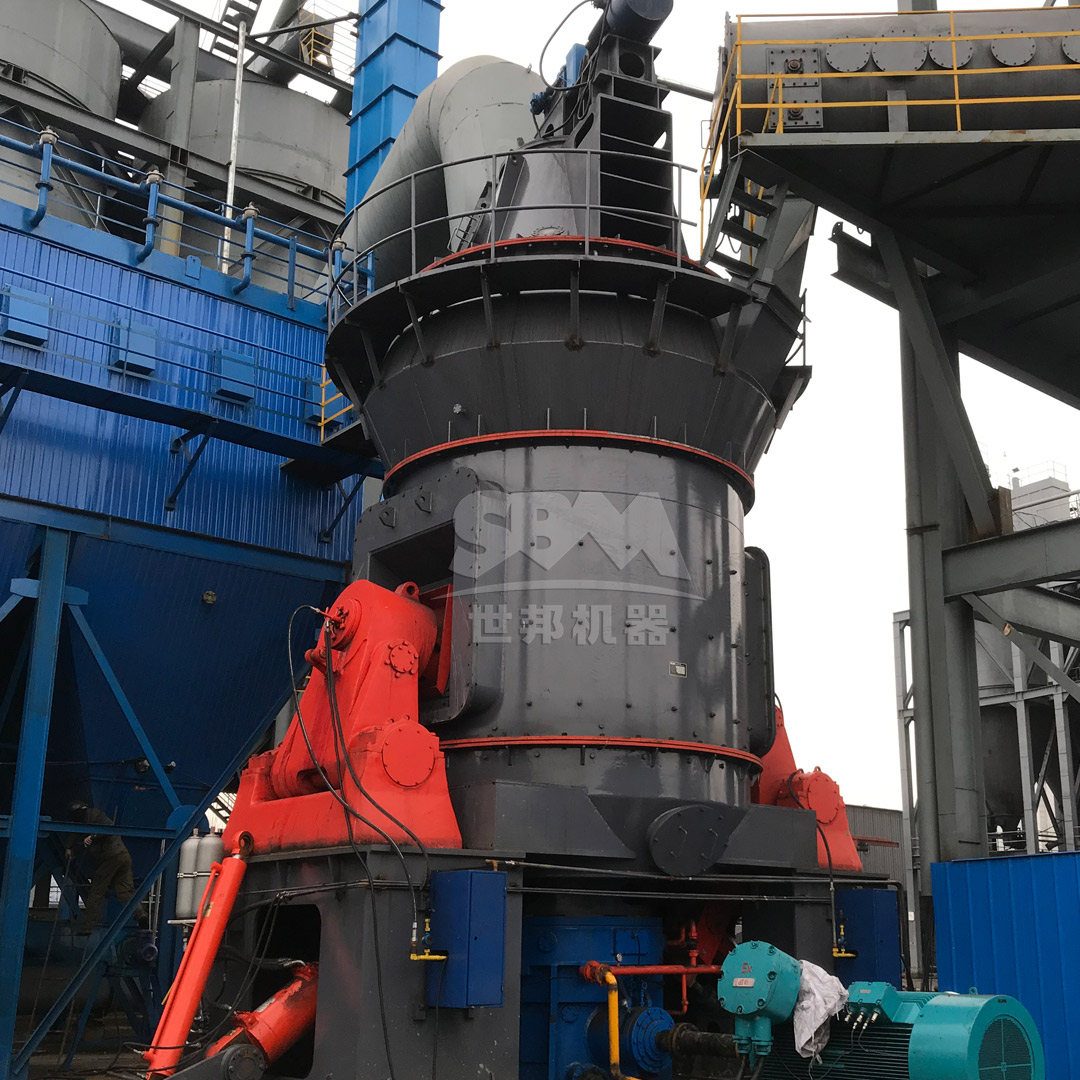
Slag lumps and other hard raw materials (e.g., clinker, limestone) must be crushed to a manageable size before grinding. A hammer mill or jaw crusher is typically used. For high-capacity operations, a vertical pre-grinding mill can reduce particle size while minimizing energy consumption. Our LM-Y Vertical Pre-grinding Roller Mill is ideal for this purpose, featuring a bed-grinding principle that consumes 30–50% less power than traditional crushers and integrates sand making and grinding functions. With models ranging from 6 to 330 TPH, it can handle the toughest slag feed.
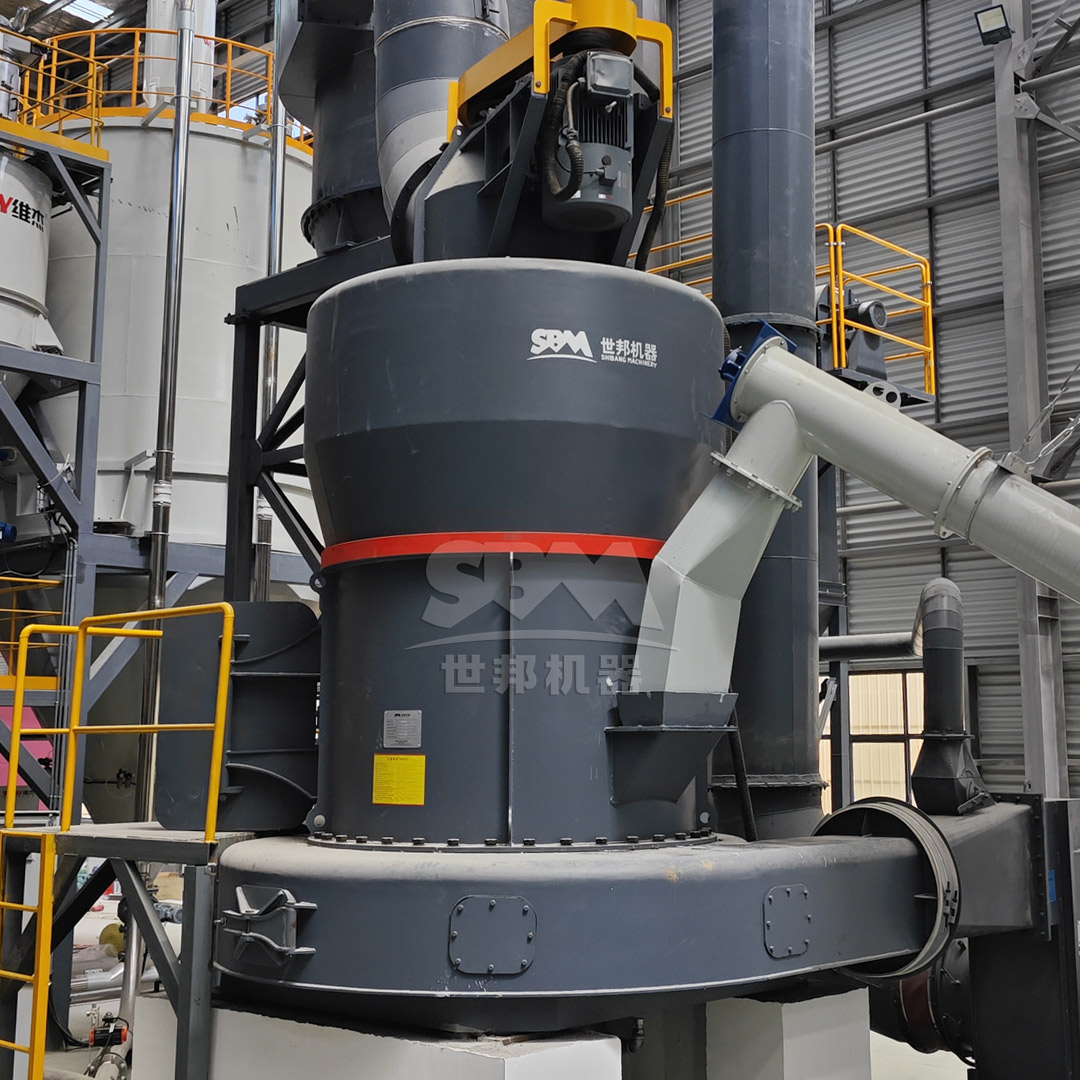
To achieve the required fineness for optimal reactivity, slag must be ground to 325–500 mesh (or finer). This is where our flagship mills shine. For manufacturers seeking high efficiency and precise classification, we recommend the SCM Series Ultrafine Mill. With output fineness adjustable from 325 to 2500 mesh and capacities up to 25 t/h, the SCM mill delivers twice the capacity of jet mills while consuming 30% less energy. Its vertical turbine classifier ensures no coarse powder mixing, and the durable rollers and rings extend service life. The SCM800 model (0.5–4.5 t/h) is perfect for small to medium brick plants, while the SCM1680 (5–25 t/h) suits large-scale operations.
| Model | Capacity (t/h) | Main Power (kW) | Fineness (mesh) |
|---|---|---|---|
| SCM800 | 0.5–4.5 | 75 | 325–2500 |
| SCM900 | 0.8–6.5 | 90 | 325–2500 |
| SCM1000 | 1.0–8.5 | 132 | 325–2500 |
| SCM1250 | 2.5–14 | 185 | 325–2500 |
| SCM1680 | 5.0–25 | 315 | 325–2500 |
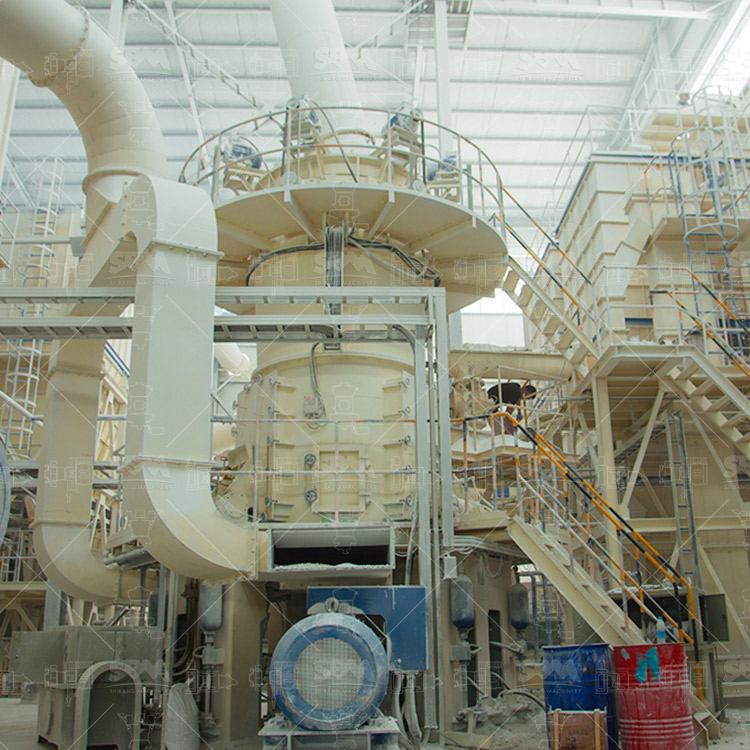
For operations requiring higher capacity (up to 250 t/h) and integrated drying, the LM Series Vertical Roller Mill is the workhorse of choice. Its LM130N to LM370N slag mills are specifically designed for slag grinding, with capacities from 4 to 110 t/h and specific surface areas up to 500 m²/kg. The LM vertical mill features a compact footprint, low noise, and dust emissions below 10 mg/m³, ensuring environmental compliance.
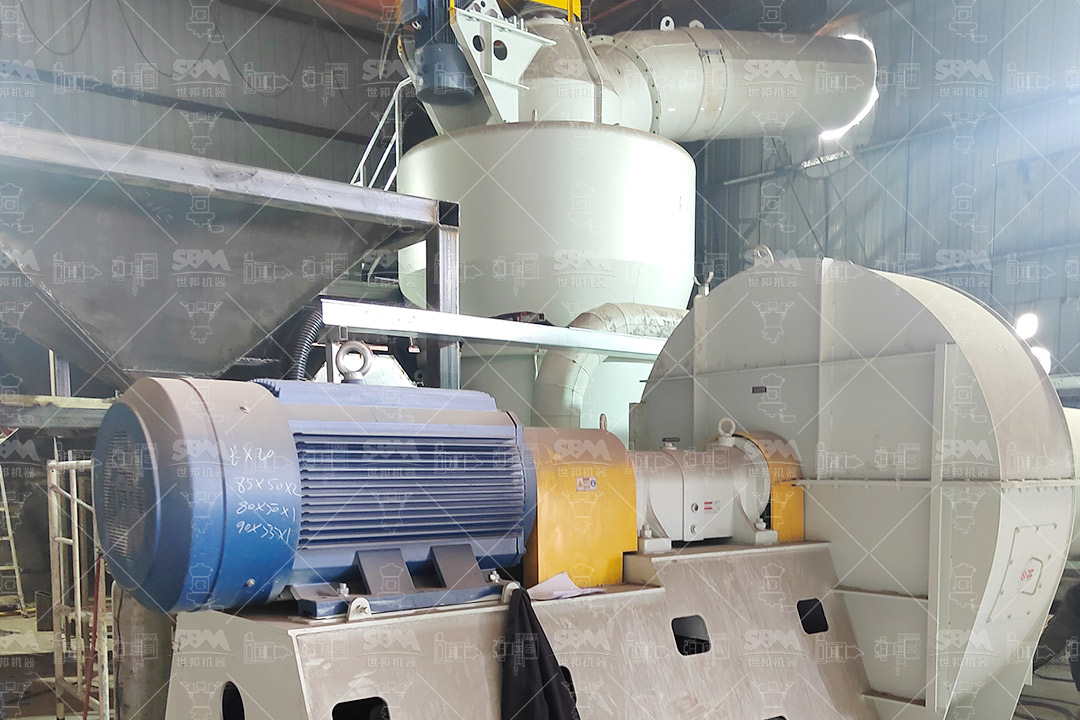
Accurate batching of slag powder, cement, sand, and additives is essential for consistent brick quality. A twin-shaft paddle mixer or planetary mixer is commonly used. While we do not manufacture mixers, our grinding equipment integrates seamlessly with existing batching systems via automated controls.
Non-fired bricks are typically formed using hydraulic presses or vibration-compaction machines. Curing is done under controlled humidity and temperature. These stages are outside the scope of this guide, but the quality of the grind directly influences forming efficiency and final strength.
Based on the unique requirements of slag processing—high abrasiveness, need for fine grinding, and large capacity—we recommend two products from our lineup:
Both mills are equipped with advanced dust collection systems (pulse dust collectors with efficiency >99.9%) and soundproof enclosures, ensuring a safe and clean working environment.
| Feature | SCM Ultrafine Mill | LM Vertical Roller Mill |
|---|---|---|
| Fineness Range | 325–2500 mesh | 30–325 mesh (special up to 600 mesh) |
| Capacity | 0.5–25 t/h | 4–110 t/h (slag mill series) |
| Energy Consumption | 30% lower than jet mills | 30–40% lower than ball mills |
| Classification | Vertical turbine classifier, precise cut | Dynamic classifier, multi-stage adjustment |
| Wear Parts Life | Special material rollers/rings, several times longer | Non-contact roller/table, 3x longer |
| Footprint | Compact | 50% less floor space than ball mill systems |
A leading brick manufacturer in Hebei Province recently installed an SCM1250 ultrafine mill to process steel slag for non-fired bricks. The mill produces 10 t/h of slag powder at 400 mesh, which is blended with cement and sand. The resulting bricks achieve compressive strength of 25 MPa after 28 days, surpassing the GB/T 21144-2007 standard. The SCM mill’s automatic granulinity feedback and pulse dust collector have reduced downtime and maintenance costs by 40% compared to the previous ball mill system.
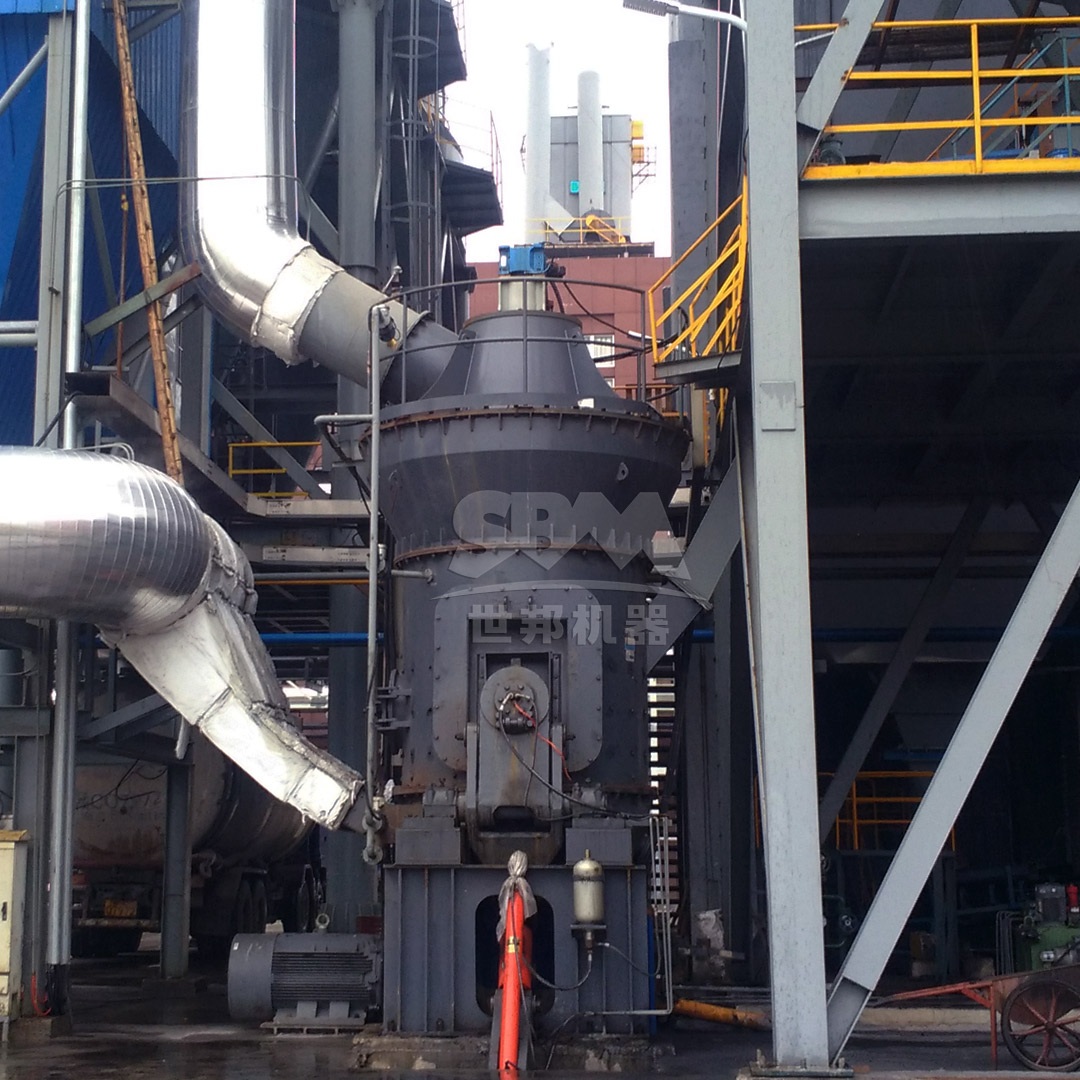
By adopting our energy-efficient mills, manufacturers can achieve significant savings. For example, replacing a ball mill with an LM vertical mill for slag grinding reduces power consumption by 30–40%, translating to lower operating costs. Additionally, the use of slag as filler diverts waste from landfills, earning carbon credits and enhancing corporate sustainability. Our equipment is designed with noise reduction (≤85 dB) and dust containment, helping plants meet stringent environmental regulations.
Non-fired brick production with slag filler is a promising avenue for sustainable construction materials. The key to success lies in selecting robust, efficient grinding equipment that can handle abrasive slag while delivering the fine particle size needed for reactivity. Our SCM Series Ultrafine Mill and LM Series Vertical Roller Mill are proven solutions, offering high capacity, precise classification, and low environmental impact. For manufacturers looking to upgrade their processing lines, these mills provide a rapid return on investment through energy savings and superior product quality. Contact our engineering team today to discuss customized configurations for your specific slag and brick formulation.