Fly ash, a byproduct of coal combustion in thermal power plants, has become an indispensable supplementary cementitious material in modern construction. When classified as Grade I fly ash with a fineness of 325 mesh (approximately 45μm), it offers superior pozzolanic activity, improved workability, and enhanced durability in concrete. However, achieving consistent 325 mesh Grade I fly ash requires precise grinding and classification technology. Selecting the right grinding mill is critical to project success, balancing capacity, energy consumption, product quality, and operational reliability. This article provides a comprehensive guide to choosing the optimal grinding equipment for 325 mesh Grade I fly ash processing, with detailed comparisons of leading mill technologies and specific product recommendations from our portfolio.
Grade I fly ash, as defined by ASTM C618 and GB/T 1596, requires a fineness of no more than 12% retained on a 45μm (325 mesh) sieve. This fine particle size distribution is essential for ensuring high pozzolanic reactivity, reduced water demand, and superior concrete performance. To achieve this specification consistently, the grinding mill must deliver precise particle size control, uniform product distribution, and minimal over-grinding. The equipment must also handle the abrasive nature of fly ash, which contains silica, alumina, and iron oxides that accelerate wear on grinding components.
When evaluating grinding mills for 325 mesh Grade I fly ash, consider the following factors:
Several types of grinding mills are commonly used for fly ash processing. Each has distinct advantages and limitations depending on project scale, budget, and product requirements.
Ball mills are traditional workhorses for fly ash grinding, capable of producing 325 mesh product with capacities up to 450 t/h. They are robust and reliable but suffer from high energy consumption (often 30-40% higher than vertical mills) and relatively low classification efficiency. Ball mills also generate significant noise and require large foundations. For small-scale projects with limited capital, ball mills remain a viable option, but they are increasingly being replaced by more efficient technologies.
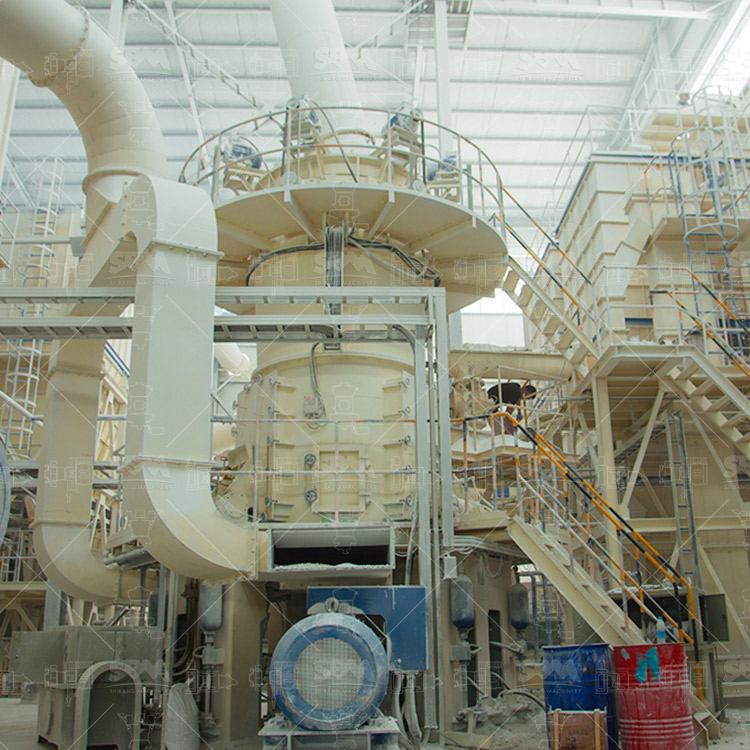
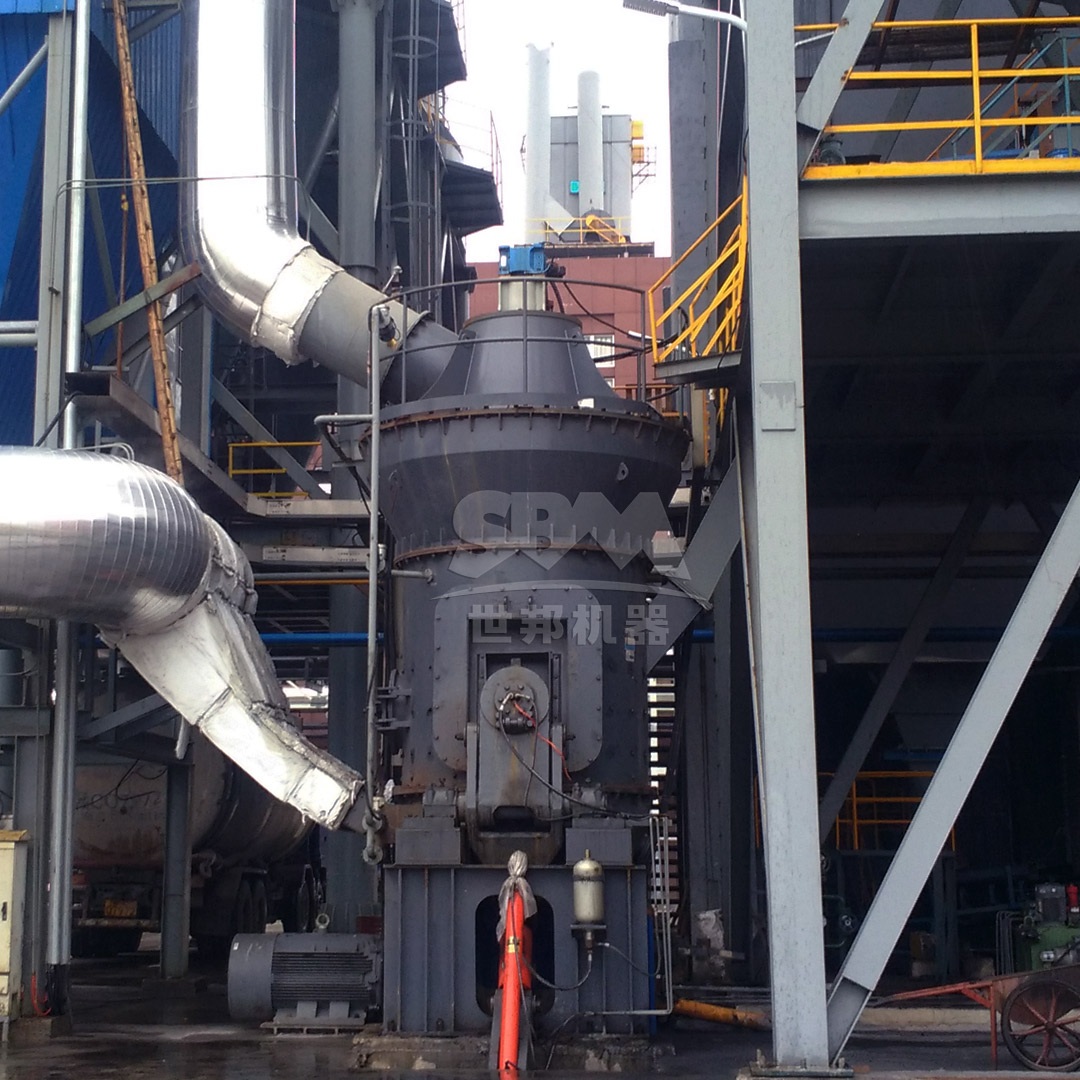
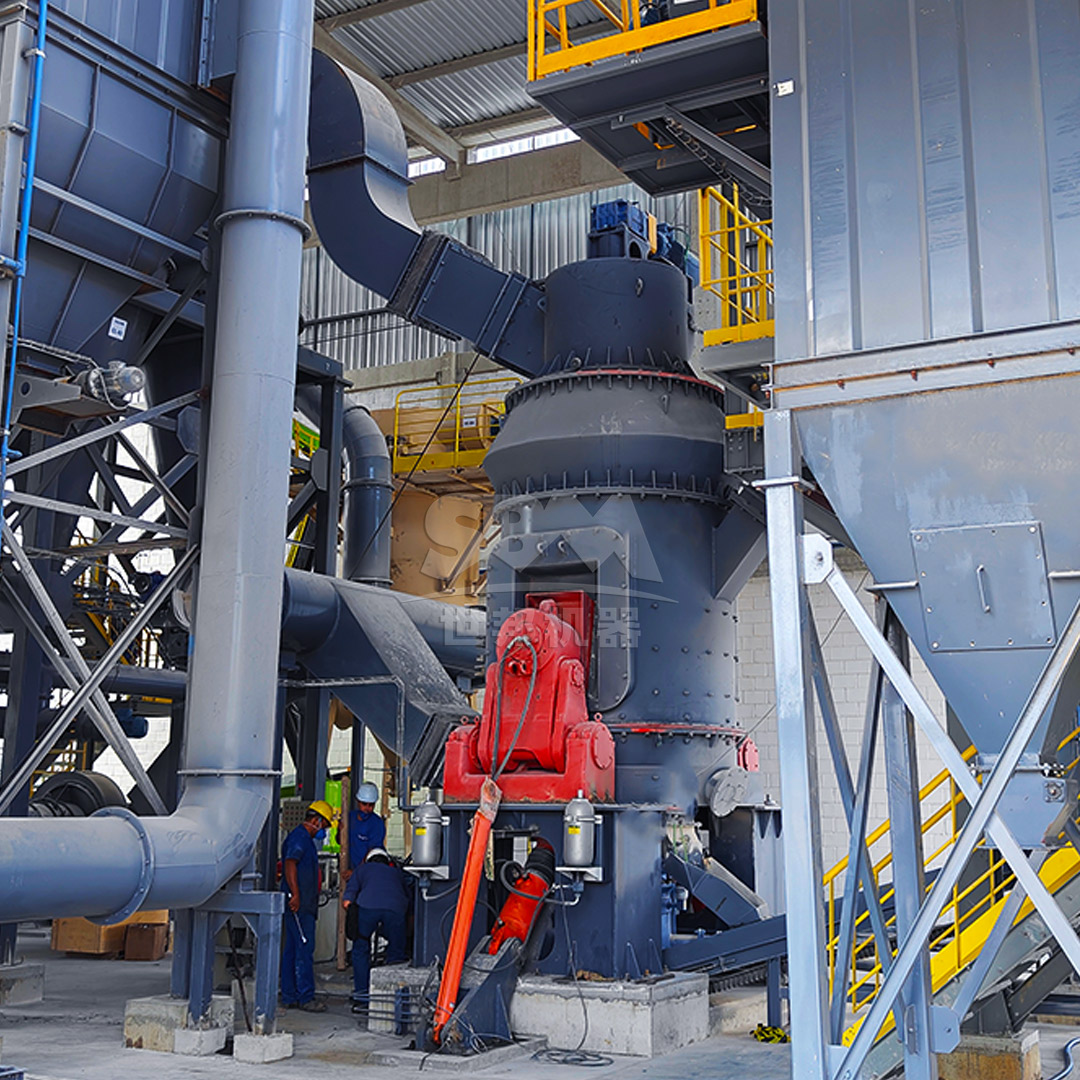
Vertical roller mills (VRMs) have revolutionized fly ash processing. The LM Series Vertical Roller Mill integrates crushing, grinding, and classification in a single compact unit, reducing floor space by 50% and infrastructure costs by 40%. With capacities from 3 to 250 t/h and fineness adjustable from 30 to 325 mesh, the LM Series is ideal for medium to large-scale fly ash projects. Its non-contact roller-table design extends wear part life by 3x and reduces energy consumption by 30-40% compared to ball mills. The expert-level automatic control system ensures stable operation and consistent product fineness.
Recommended Product: For projects requiring 325 mesh Grade I fly ash at capacities of 10-170 t/h, the LM Series Vertical Roller Mill (e.g., LM130K to LM280K models) offers exceptional efficiency and reliability. Its dynamic classifier multi-stage adjustment technology guarantees precise fineness control, while the fully sealed negative pressure operation ensures dust emissions below 10 mg/m³.
For projects requiring ultra-fine fly ash (finer than 325 mesh, up to 2500 mesh), the SCM Series Ultrafine Mill is the optimal choice. With a capacity of 0.5-25 t/h and output fineness adjustable from 325 to 2500 mesh, the SCM Series delivers precise particle size cutting via its vertical turbine classifier. The intelligent control system provides automatic finished product granularity feedback, ensuring uniform product quality. Its special material rollers and rings extend service life several times over, while the pulse dust collection system exceeds international standards for dust removal efficiency.
Recommended Product: For high-value applications requiring ultrafine fly ash (e.g., high-performance concrete or specialized cement blends), the SCM Series Ultrafine Mill (SCM800 to SCM1680 models) provides unmatched fineness control and energy efficiency. Its capacity is twice that of jet mills with 30% lower energy consumption, making it a cost-effective solution for premium fly ash products.
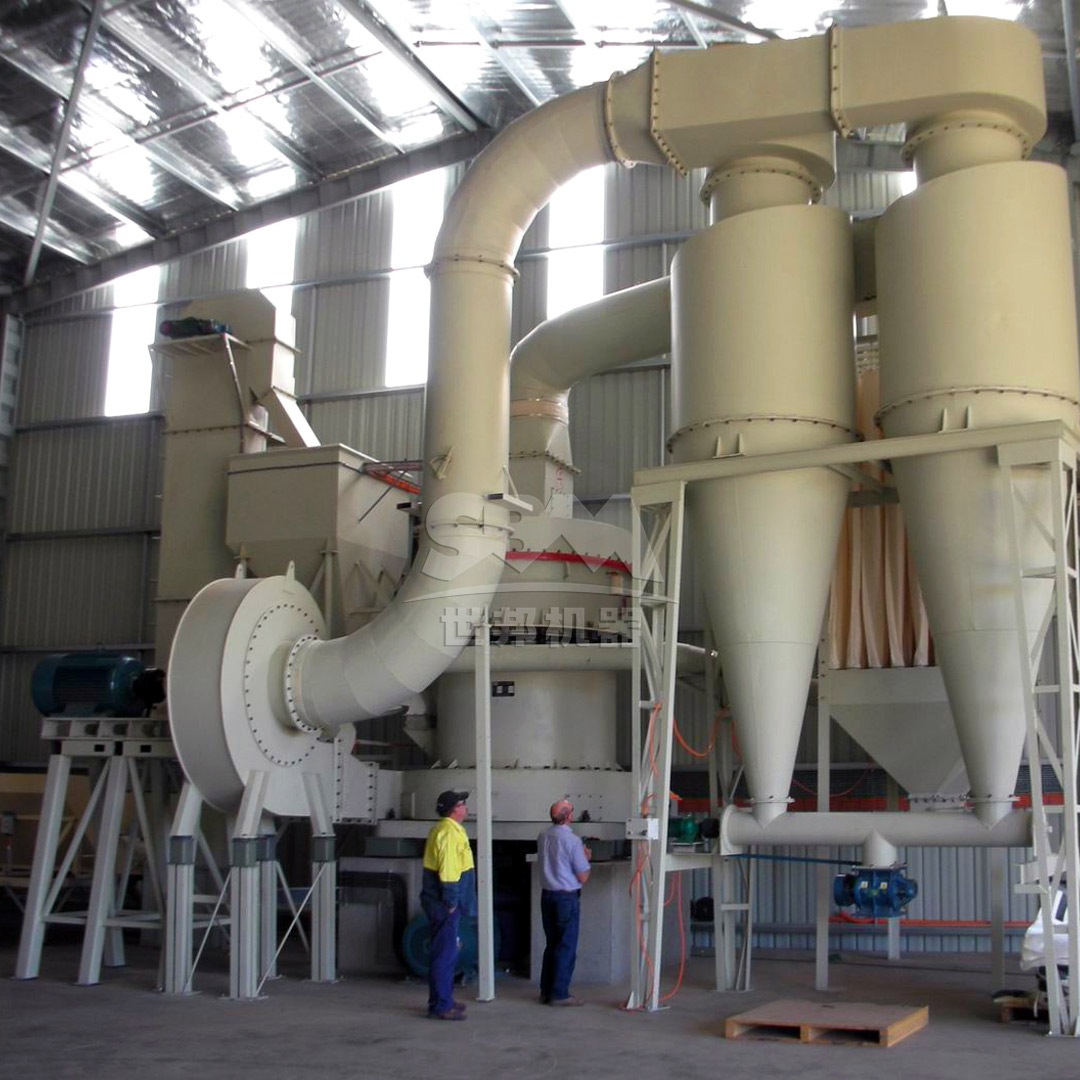
The MTW Series European Trapezium Mill offers a balance between capacity and fineness, with output adjustable from 30 to 325 mesh and capacities from 3 to 45 t/h. Its anti-wear shovel design and optimized arc air duct reduce maintenance costs and improve transmission efficiency. The integral bevel gear drive achieves 98% transmission efficiency, while the wear-resistant volute structure reduces maintenance costs by 30%. The MTW Series is well-suited for medium-scale fly ash projects where 325 mesh product is required with moderate capital investment.
The MTM Series Medium-speed Trapezium Mill is another option for 325 mesh fly ash, with capacities from 3 to 22 t/h. Its intelligent pressure regulation system automatically compensates for roller wear, extending roller and ring life by 30%. The innovative roller assembly protects main shaft bearings, while damping springs and sealing strips reduce noise and vibration. The MTM Series is ideal for small to medium-scale projects with limited space and budget.
For small-scale projects (less than 10 t/h), the MTM Series or SCM Series offers a compact, cost-effective solution. For medium-scale projects (10-50 t/h), the MTW Series or LM Series provides excellent balance of capacity and efficiency. For large-scale projects (over 50 t/h), the LM Series Vertical Roller Mill is the clear choice, with models up to 250 t/h and energy savings of 30-40% compared to ball mills.
If the project strictly requires 325 mesh Grade I fly ash with minimal over-grinding, the SCM Series Ultrafine Mill and LM Series Vertical Roller Mill offer the most precise classification. The SCM Series vertical turbine classifier achieves precise particle size cutting, while the LM Series dynamic classifier ensures no coarse powder mixing. Both technologies deliver uniform finished products that consistently meet Grade I specifications.
Energy costs often account for 30-50% of total operating expenses in fly ash grinding. The LM Series Vertical Roller Mill and SCM Series Ultrafine Mill both offer significant energy savings: the LM Series consumes 30-40% less energy than ball mills, while the SCM Series consumes 30% less energy than jet mills. Over a 10-year project lifecycle, these savings can amount to millions of dollars.
Fly ash abrasiveness demands robust wear protection. The SCM Series features special material rollers and rings that extend service life several times over. The LM Series uses a non-contact roller-table design that increases wear part life by 3x. The MTW Series employs anti-wear shovel blades and curved grinding rollers to reduce maintenance costs. When selecting a mill, consider the availability of replacement parts and the ease of maintenance access.
All modern fly ash grinding mills must comply with strict dust emission standards. The SCM Series pulse dust collection efficiency exceeds international standards, while the LM Series fully sealed negative pressure operation ensures dust emissions below 10 mg/m³. The MTW Series offers multi-stage dust collection options. Ensure the selected mill is equipped with appropriate dust collection and noise reduction features.
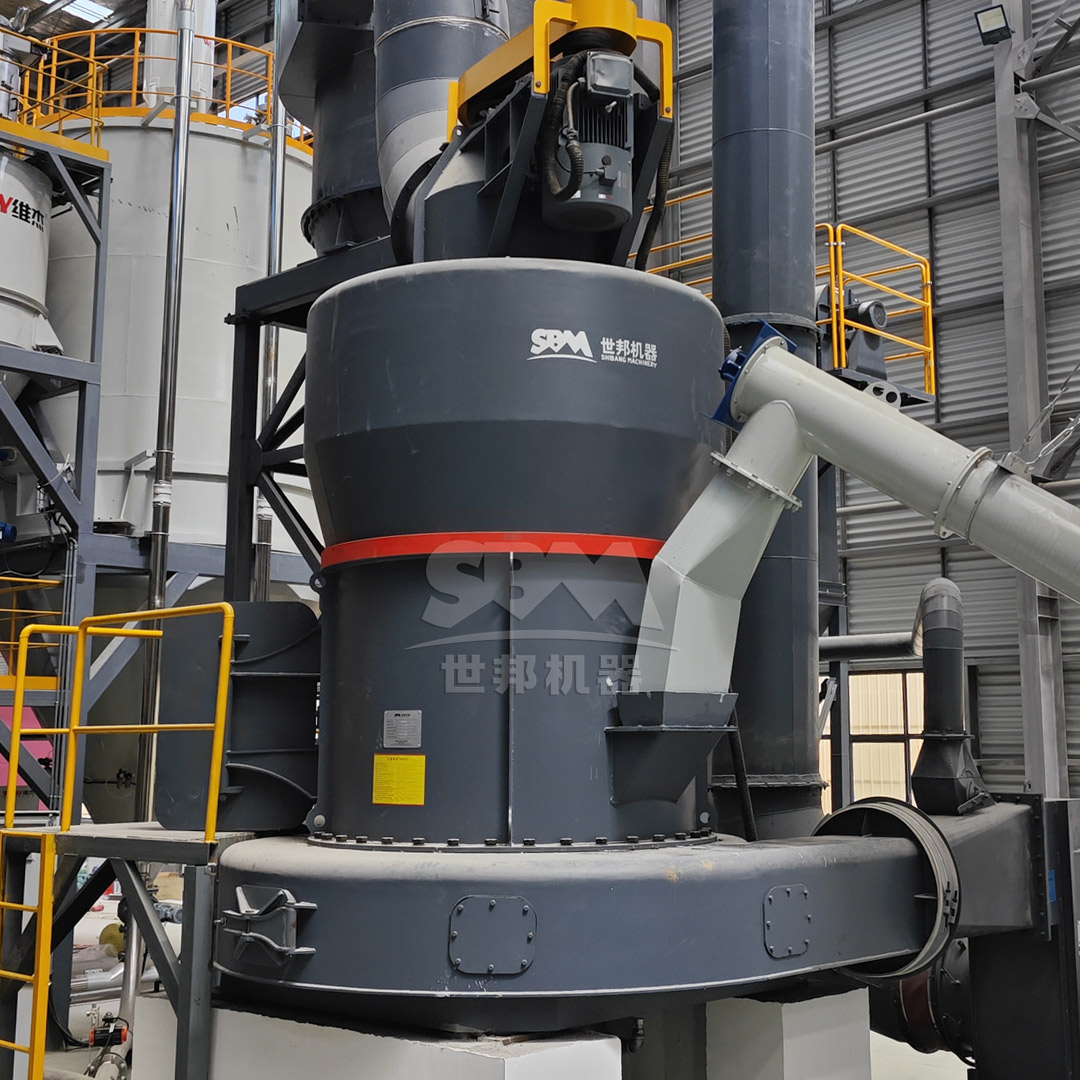
Based on our extensive experience in fly ash processing, we recommend the following two products for 325 mesh Grade I fly ash projects:
The LM Series is our flagship solution for medium to large-scale fly ash grinding. With capacities from 10 to 170 t/h and fineness adjustable from 170 to 45μm (and up to 325 mesh), the LM Series delivers exceptional energy efficiency, precise classification, and reliable operation. Its integrated design reduces floor space by 50%, and its intelligent control system ensures consistent product quality. The LM Series is particularly well-suited for projects requiring high-volume, continuous production of 325 mesh Grade I fly ash.
For projects requiring ultra-fine fly ash or precise 325 mesh product with minimal over-grinding, the SCM Series is the ideal choice. With capacities from 0.5 to 25 t/h and fineness adjustable from 325 to 2500 mesh, the SCM Series offers unmatched fineness control and energy efficiency. Its vertical turbine classifier ensures precise particle size cutting, while its intelligent control system provides automatic finished product granularity feedback. The SCM Series is perfect for high-value applications where product quality is paramount.
Selecting the right grinding mill for 325 mesh Grade I fly ash processing requires careful consideration of project scale, product fineness requirements, energy costs, wear part life, and environmental compliance. While ball mills remain an option for small-scale projects, vertical roller mills and ultrafine mills offer superior energy efficiency, precise classification, and reliable operation for medium to large-scale fly ash production. Our LM Series Vertical Roller Mill and SCM Series Ultrafine Mill represent the most advanced and cost-effective solutions for 325 mesh Grade I fly ash processing, delivering consistent product quality, low operating costs, and environmental compliance. By choosing the right equipment and partnering with an experienced supplier, project developers can ensure the successful production of high-quality Grade I fly ash for decades to come.