
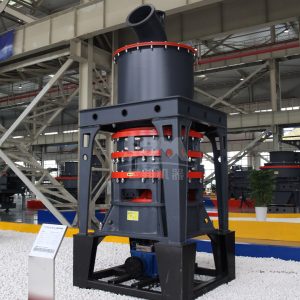
Introduction to Titanium Dioxide Milling and Powder Production Titanium dioxide (TiO2) is a critical white pigment used extensively in paints, coatings, plastics, paper, and cosmetics. The production of high-quality titanium dioxide powder requires precision grinding and classification equipment to achieve the desired particle size distribution, whiteness, and purity. From the sulfate process to the chloride […]
Introduction: The Critical Role of Titanium Additives in Ceramic Manufacturing Titanium-based additives, such as titanium dioxide (TiO₂) and barium titanate (BaTiO₃), are essential functional components in advanced ceramics. They enhance whiteness, opacity, dielectric properties, and mechanical strength. Whether producing high-end ceramic tiles, electronic substrates, or structural components, the particle size distribution of these additives directly […]
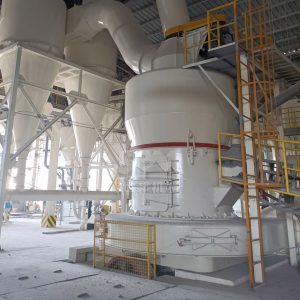
Introduction: The Critical Role of Grinding in Titanium Additive Manufacturing for Coatings The coatings industry is undergoing a paradigm shift, driven by the demand for high-durability, corrosion-resistant, and aesthetically superior finishes. At the heart of this evolution lies titanium additive production equipment, which enables the creation of advanced pigments and functional fillers. However, the performance […]
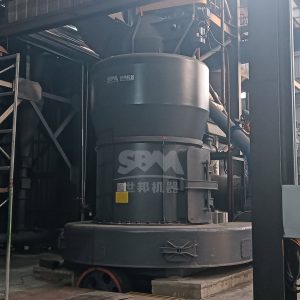
Introduction: The Critical Role of 40-Mesh Titanium Powder Titanium metal powders, particularly those in the 40-mesh (approximately 400-micron) range, are essential raw materials for additive manufacturing, powder metallurgy, thermal spraying, and medical implant coatings. The production of high-purity 40-mesh titanium powder demands precise control over particle size distribution (PSD), morphology, and contamination levels. Achieving these […]
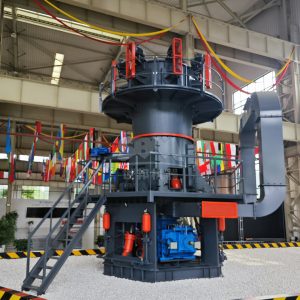
Introduction The production of chemical-grade quartz powder demands the highest levels of purity, consistency, and efficiency. Unlike standard industrial minerals, high-purity quartz (HPQ) used in semiconductors, solar panels, optical fibers, and advanced ceramics requires ultra-fine particle sizes (often down to 5-45 microns) with minimal contamination. The selection of milling and classification equipment is critical to […]
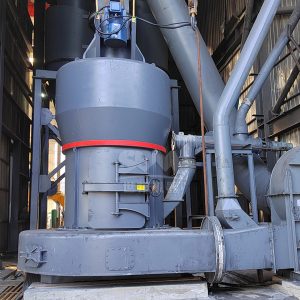
Introduction In the modern construction and building materials industry, quartz powder stands as a critical raw material for producing high-end terrazzo, engineered stone, decorative coatings, and high-performance concrete. The quality of quartz powder directly determines the strength, durability, and aesthetic appeal of the final product. As a result, selecting the right production equipment is not […]
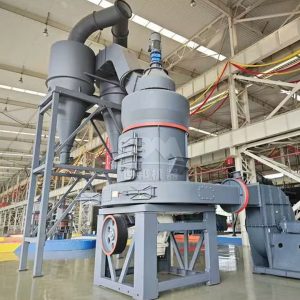
Introduction In the rubber manufacturing industry, the quality and performance of end products such as tires, seals, hoses, and industrial belts are heavily influenced by the fillers and additives used. Quartz stone powder, valued for its hardness, chemical stability, and reinforcing properties, has become a critical additive for improving the wear resistance, tensile strength, and […]
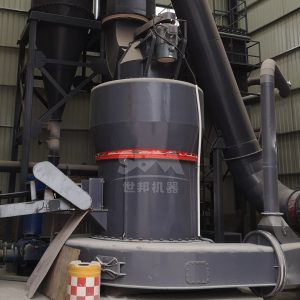
Introduction: The Rise of Quartz Additives in Plastics The modern plastics industry is increasingly turning to mineral additives to enhance product performance, reduce costs, and meet stringent environmental standards. Among these, quartz powder (silicon dioxide, SiO₂) stands out as a versatile and highly effective filler. When processed to the correct fineness and purity, quartz additives […]
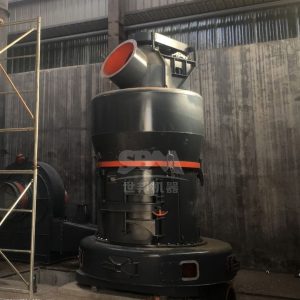
Introduction: The Growing Demand for 400 Mesh Quartz Powder Quartz powder with a fineness of 400 mesh (approximately 38 microns) is a critical raw material in industries ranging from electronics and ceramics to glass manufacturing and construction. Achieving this specific particle size consistently and efficiently requires specialized grinding equipment. As a leading manufacturer of industrial […]