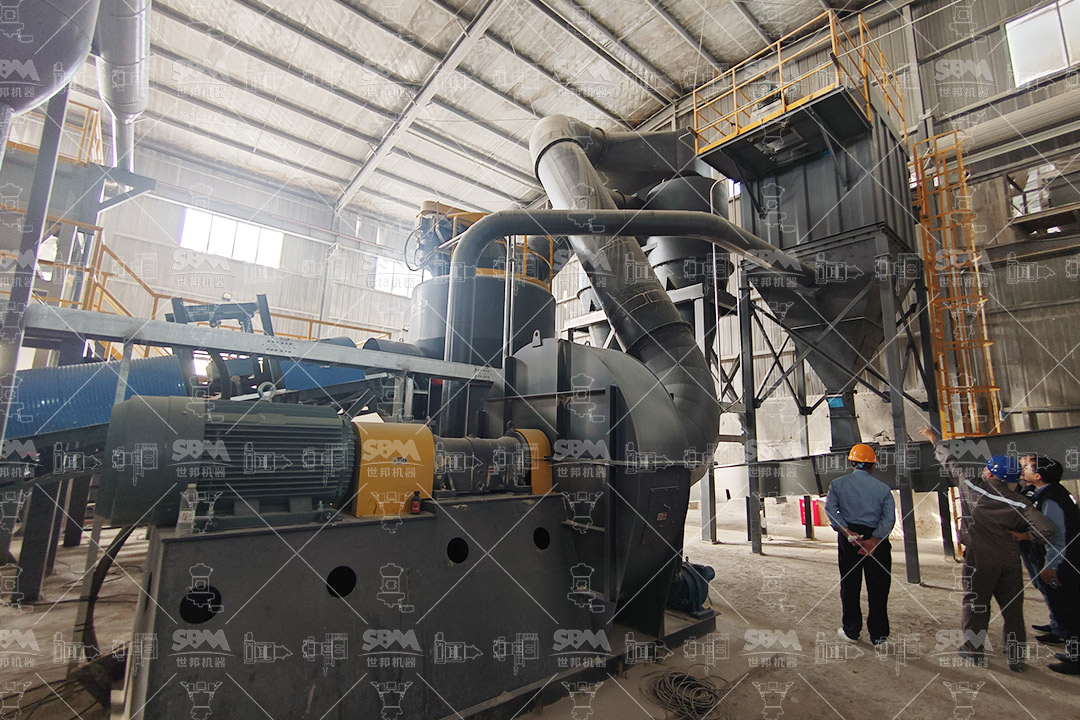
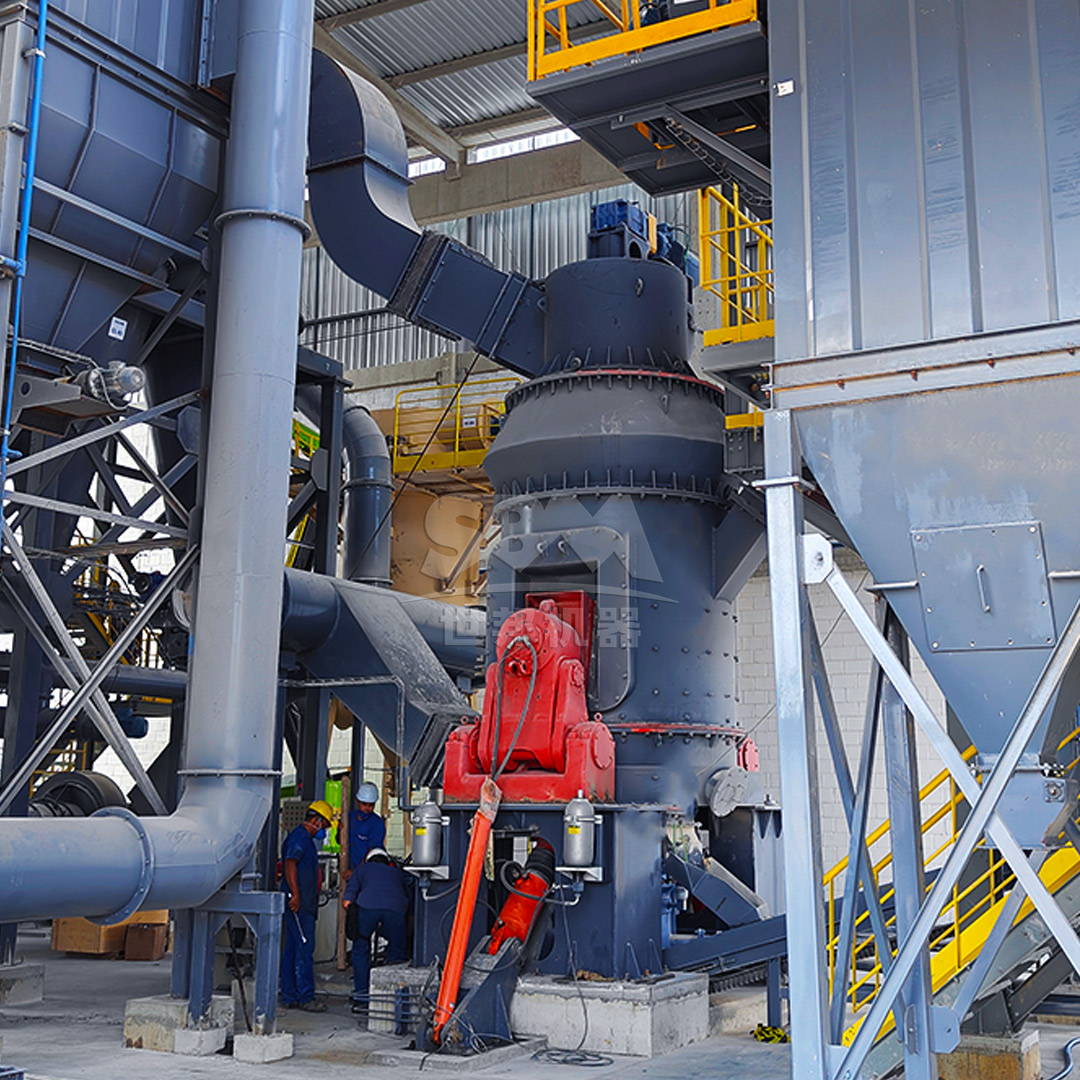
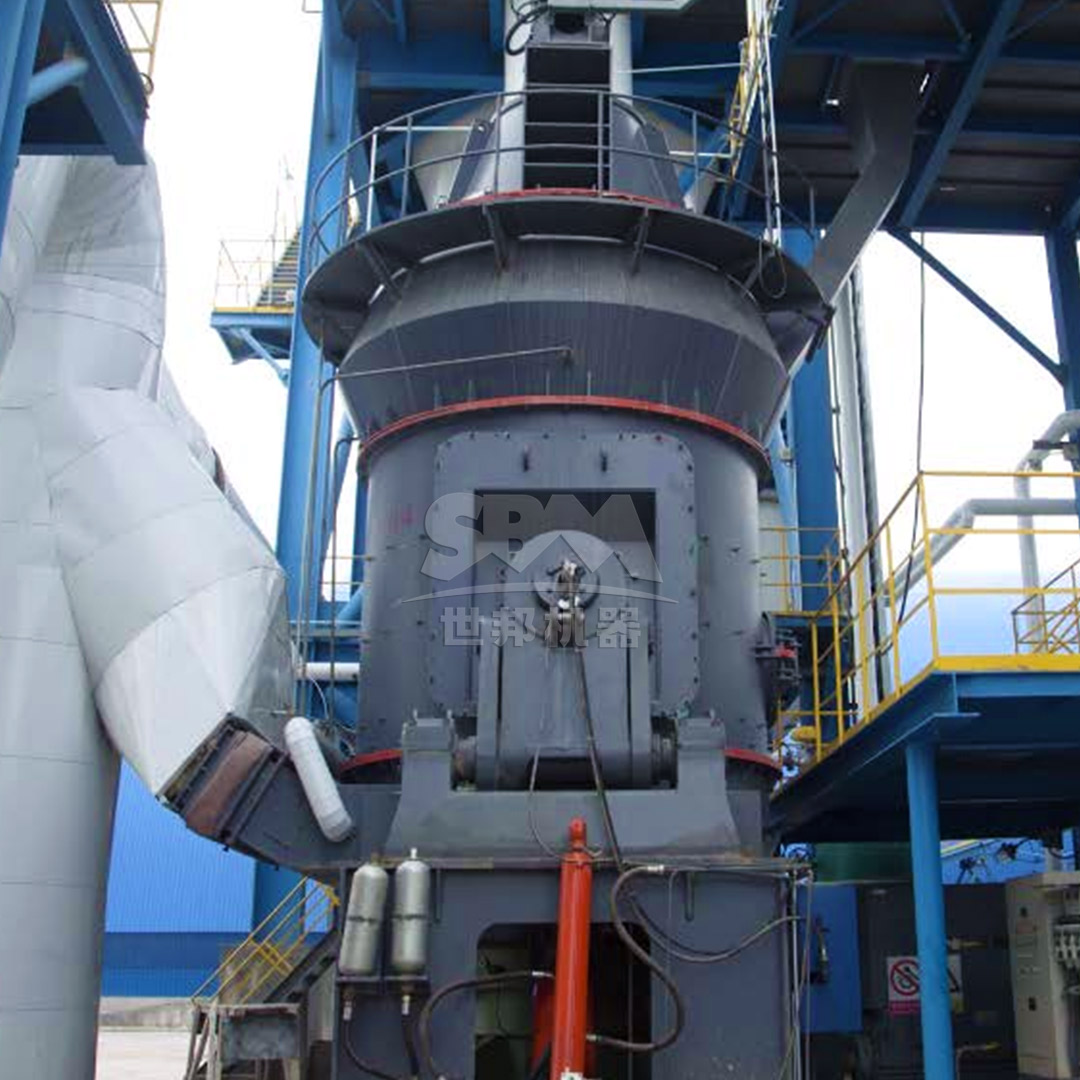
In the rubber manufacturing industry, the quality and performance of end products such as tires, seals, hoses, and industrial belts are heavily influenced by the fillers and additives used. Quartz stone powder, valued for its hardness, chemical stability, and reinforcing properties, has become a critical additive for improving the wear resistance, tensile strength, and dimensional stability of rubber compounds. However, to unlock the full potential of quartz as an additive, precise grinding and classification are non-negotiable. This article explores the key features of specialized quartz stone additive production equipment and provides a comprehensive selection guide for rubber product manufacturers seeking to optimize their production lines.
For rubber applications, the particle size distribution of quartz powder directly impacts the dispersion quality and the mechanical properties of the final product. Coarse particles can act as stress concentrators, leading to premature failure, while particles that are too fine may cause excessive viscosity or agglomeration. Typically, quartz additives for rubber require fineness ranging from 325 mesh (45 μm) to 2500 mesh (5 μm) for premium applications. This demands milling equipment capable of precise classification and consistent output, free from oversize contamination.
The production equipment must therefore offer high-efficiency classification systems, low energy consumption, and wear-resistant components to handle the abrasive nature of quartz. Let us examine the key technologies available in the market, focusing on the mill models that dominate the industry.
Traditional mills often suffer from inefficient classification, resulting in a wide particle size distribution and high recirculation loads. Modern ultrafine and vertical roller mills address this by incorporating vertical turbine classifiers or dynamic multi-rotor classifiers. These systems allow operators to precisely cut the particle size, ensuring that no coarse powder mixes into the finished product. For example, the SCM Series Ultrafine Mill utilizes a vertical turbine classifier to achieve a sharp particle size cut, making it ideal for producing high-value quartz additives where uniformity is critical.
Quartz, with a Mohs hardness of 7, is one of the most abrasive materials processed in powder technology. To maintain stable production and low operational costs, grinding equipment must feature durable wear parts. Mills using special material rollers and rings, such as high-chrome alloys or ceramics, can extend service life several times compared to standard components. Additionally, designs like the shaftless screw grinding chamber ensure that there are no weak points where material can accumulate or cause blockages, ensuring stable operation over long periods.
Energy costs represent a significant portion of the operating expenses in mineral processing. Equipment that incorporates intelligent control systems, such as automatic finished product granularity feedback and pressure regulation, can drastically reduce energy waste. For instance, advanced mills offer capacity up to 2x that of traditional jet mills while consuming up to 30% less energy. The integration of PLC automation enables real-time monitoring and remote operation, allowing plant managers to maintain consistent quality with minimal manual intervention.
| Feature | Traditional Ball Mill | Ultrafine Mill (e.g., SCM) | Vertical Roller Mill (e.g., LM) |
|---|---|---|---|
| Fineness Range | 80-400 mesh | 325-2500 mesh | 30-600 mesh |
| Energy Consumption (vs Ball Mill) | Baseline | -30% to -40% | -30% to -50% |
| Wear Life (Relative) | 1x | 3x – 5x | 3x – 4x |
| Floor Space Requirement | Large | Compact | Compact (Outdoor ready) |
Selecting the correct equipment depends on several factors: desired throughput, target fineness, feed material characteristics, and budget. Below is a guide to matching your requirements with the most appropriate technology.
For applications requiring large volumes of quartz powder in the range of 30 to 325 mesh, such as general rubber fillers, the MTW Series European Trapezium Mill or the LM Series Vertical Roller Mill are optimal choices. The MTW mill features an integral bevel gear drive with transmission efficiency up to 98% and a robust, wear-resistant volute structure. Its capacity ranges from 3 to 45 tons per hour, making it suitable for medium to large-scale operations. The LM Series, with its integrated design, combines crushing, grinding, and classification, reducing floor space by 50% and infrastructure costs by 40%. It is ideal for greenfield projects where space and construction costs are primary concerns.
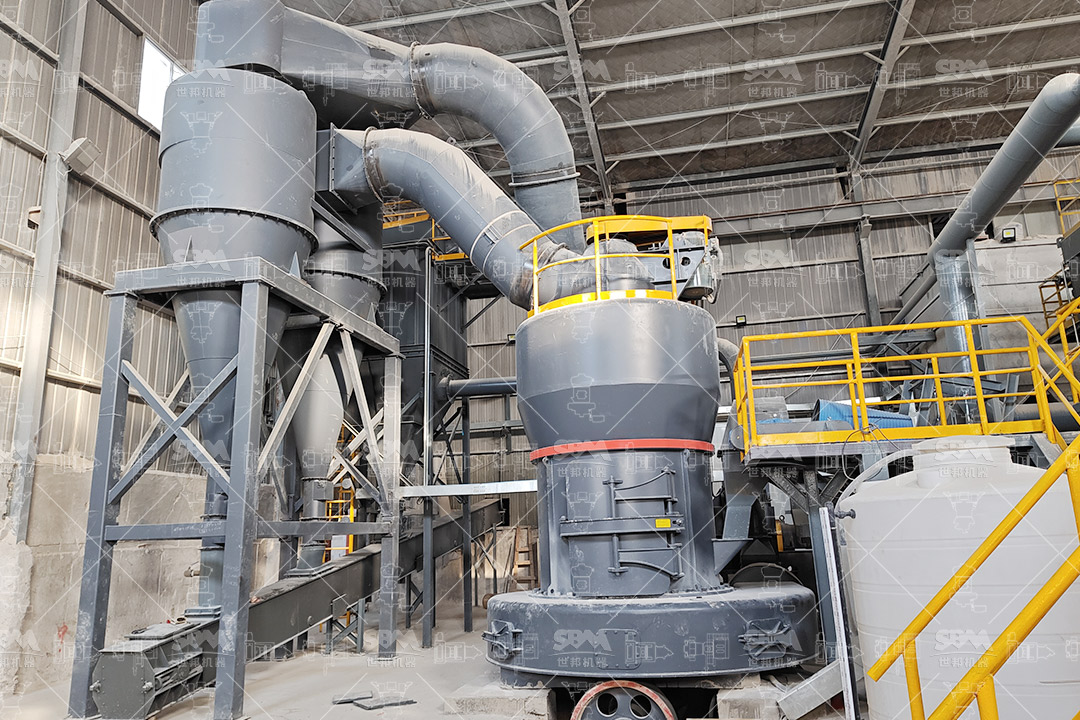
When the goal is to produce high-value, ultra-fine quartz powder for specialized rubber products (e.g., high-performance seals or precision engine mounts), the SCM Series Ultrafine Mill and the LUM Ultrafine Vertical Roller Mill are the recommended solutions. The SCM series specifically targets fineness between 325 and 2500 mesh (45-5 μm). Its unique design, featuring three layers of grinding rings, ensures material is crushed layer by layer under roller pressure, resulting in a highly uniform particle shape and size. The LUM Series offers similar fineness ranges but utilizes a vertical roller mill configuration with multi-rotor classification technology, making it perfect for ultra-fine production where zero coarse particle contamination is required.
| Target Fineness | Capacity Requirement | Recommended Models | Key Consideration |
|---|---|---|---|
| 30 – 325 mesh | < 10 t/h | MTW110, MTW138 | Lowest investment cost per ton |
| 30 – 325 mesh | 10 – 45 t/h | MTW215, LM170K, LM190K | Best balance of capacity and energy efficiency |
| 325 – 800 mesh | 0.5 – 8 t/h | SCM900, SCM1000 | Superior particle shape uniformity |
| 325 – 2500 mesh | 1.5 – 15 t/h | LUM1525, LUM1836 | Highest precision in classification |
Based on our analysis of your typical production profile, we strongly recommend evaluating the SCM1000 Ultrafine Mill for operations targeting high-value, fine-powder markets. It offers a capacity of 1.0-8.5 t/h at 325-2500 mesh with a main power of 132kW, providing an excellent return on investment for medium-volume, premium product lines. For higher throughput requirements, the MTW138Z European Trapezium Mill is an outstanding choice, delivering 6-17 t/h of consistent 10-325 mesh material, featuring a durable curved shovel design and low maintenance costs.
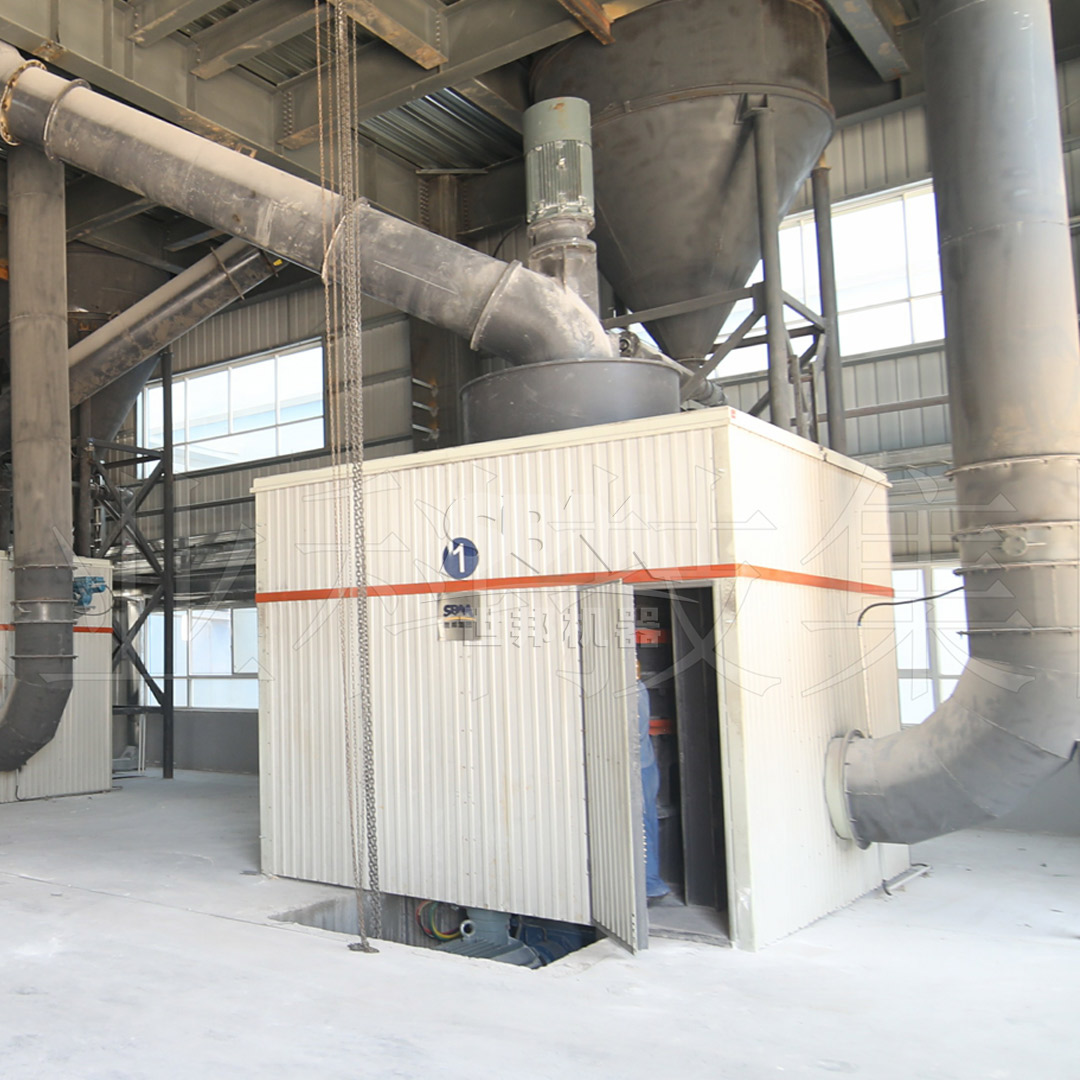
The main motor drives three layers of grinding rings to rotate. Materials are dispersed into the grinding path by centrifugal force, crushed by roller pressure, and ground layer by layer. The multi-stage process ensures that the material is reduced to the target fineness efficiently. The airflow then carries the fine particles to the vertical turbine classifier, where any oversize particles are rejected and returned for further grinding. The final powder is collected by a cyclone collector and a high-efficiency pulse dust removal system.
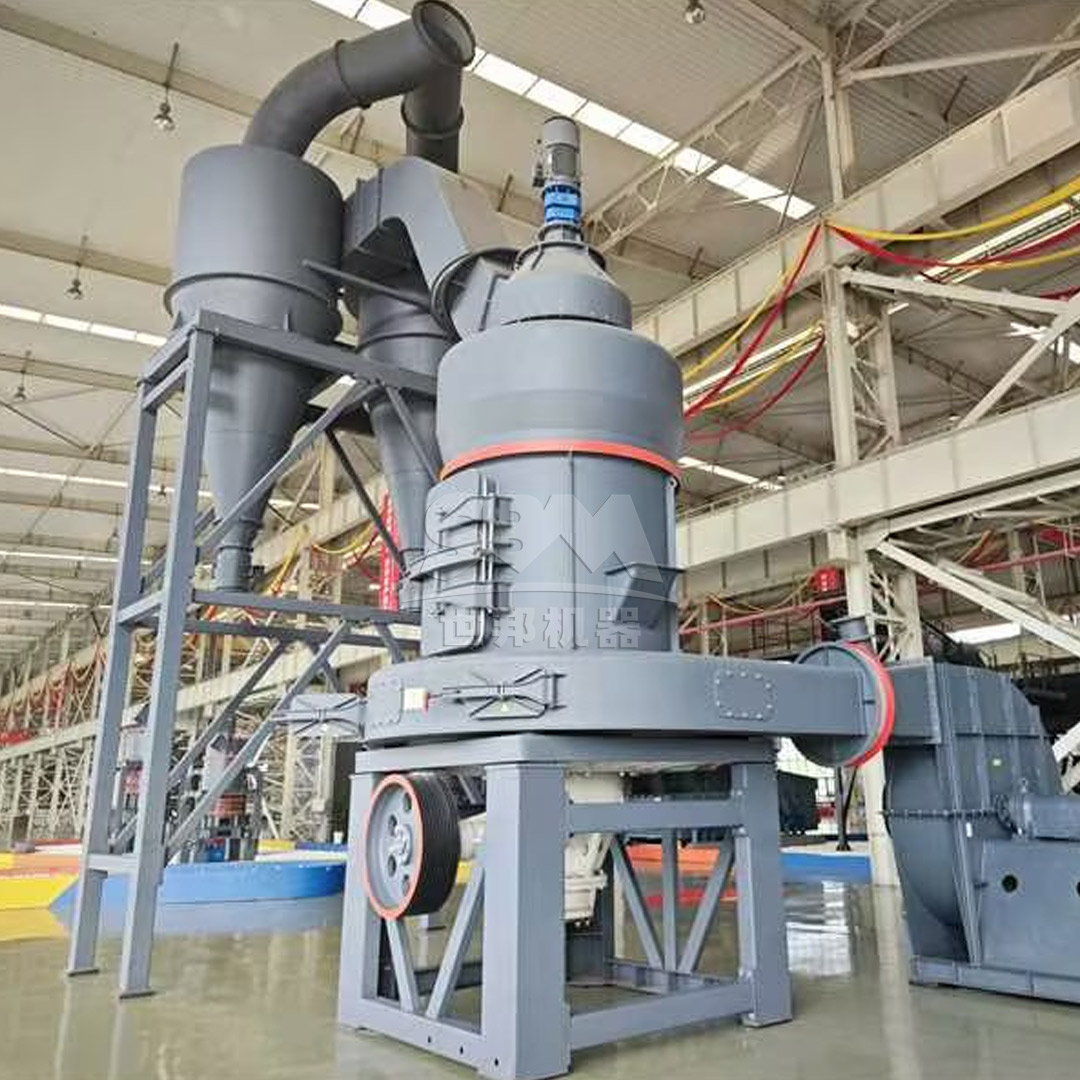
The main motor drives the grinding rollers to revolve around the central axis while self-rotating. Shovels at the bottom continuously throw material between the grinding ring and the rollers. High centrifugal force creates a dense material bed, and the material is crushed through a combination of extrusion and shearing. The curved design of the shovel and roller increases the effective grinding area, enhancing efficiency. The classification system, powered by an adjustable-speed classifier motor, precisely controls the upper limit of the particle size.
Modern quartz milling facilities must comply with stringent environmental regulations. Equipment manufacturers have responded with integrated design features. The pulse dust collection efficiency in many advanced models exceeds international standards, achieving near-zero dust emissions. Furthermore, soundproof room designs are available to ensure that noise levels remain below 85 dB(A), creating a safer and more comfortable working environment. For example, the eco-friendly design of the SCM series includes a fully sealed negative pressure system that prevents any dust leakage during operation.
Investing in the right quartz stone additive production equipment is crucial for maintaining a competitive edge in the rubber products market. The ideal system must provide precise fineness control, energy efficiency, wear resistance, and environmental compliance. By carefully evaluating your production needs against the core parameters of available technologies, you can achieve consistent product quality and lower total cost of ownership. Whether you choose the high-precision classification of the SCM Series or the high-capacity grinding of the MTW Series, aligning your selection with the specific demands of your rubber formulation will ensure optimal results.
For a personalized consultation and to test your materials on our pilot mills, please contact our sales engineering team. We can help you select the perfect configuration from our comprehensive range of over 20 models, including the popular SCM1000 and MTW138Z, ensuring your production line is ready for the challenges of tomorrow.