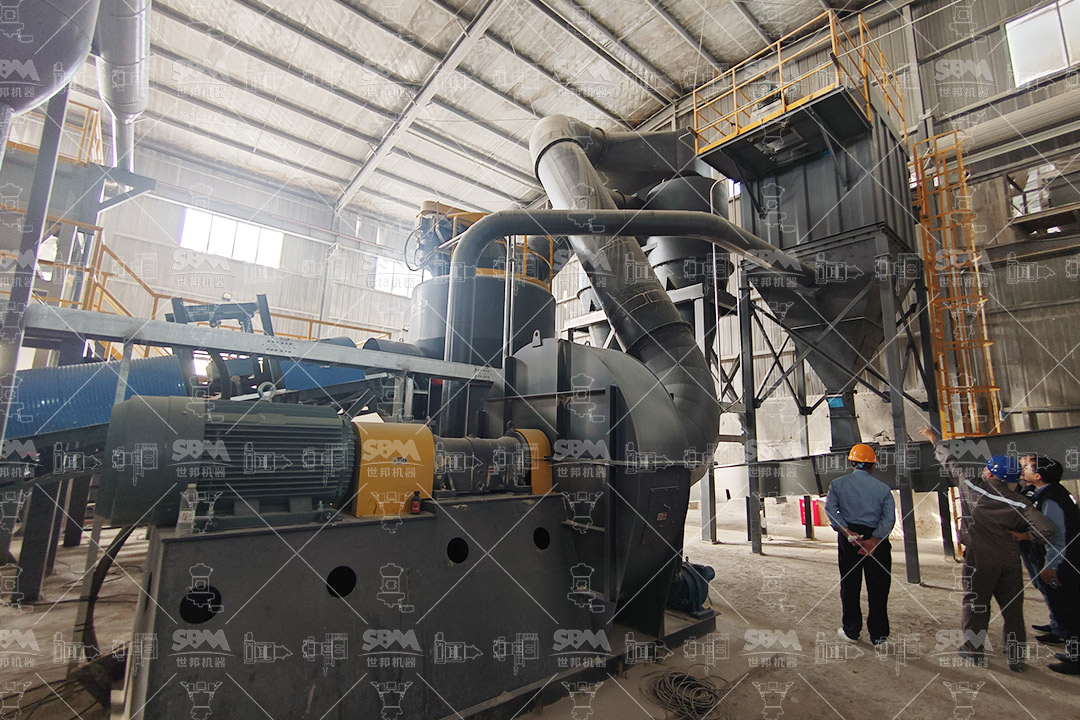
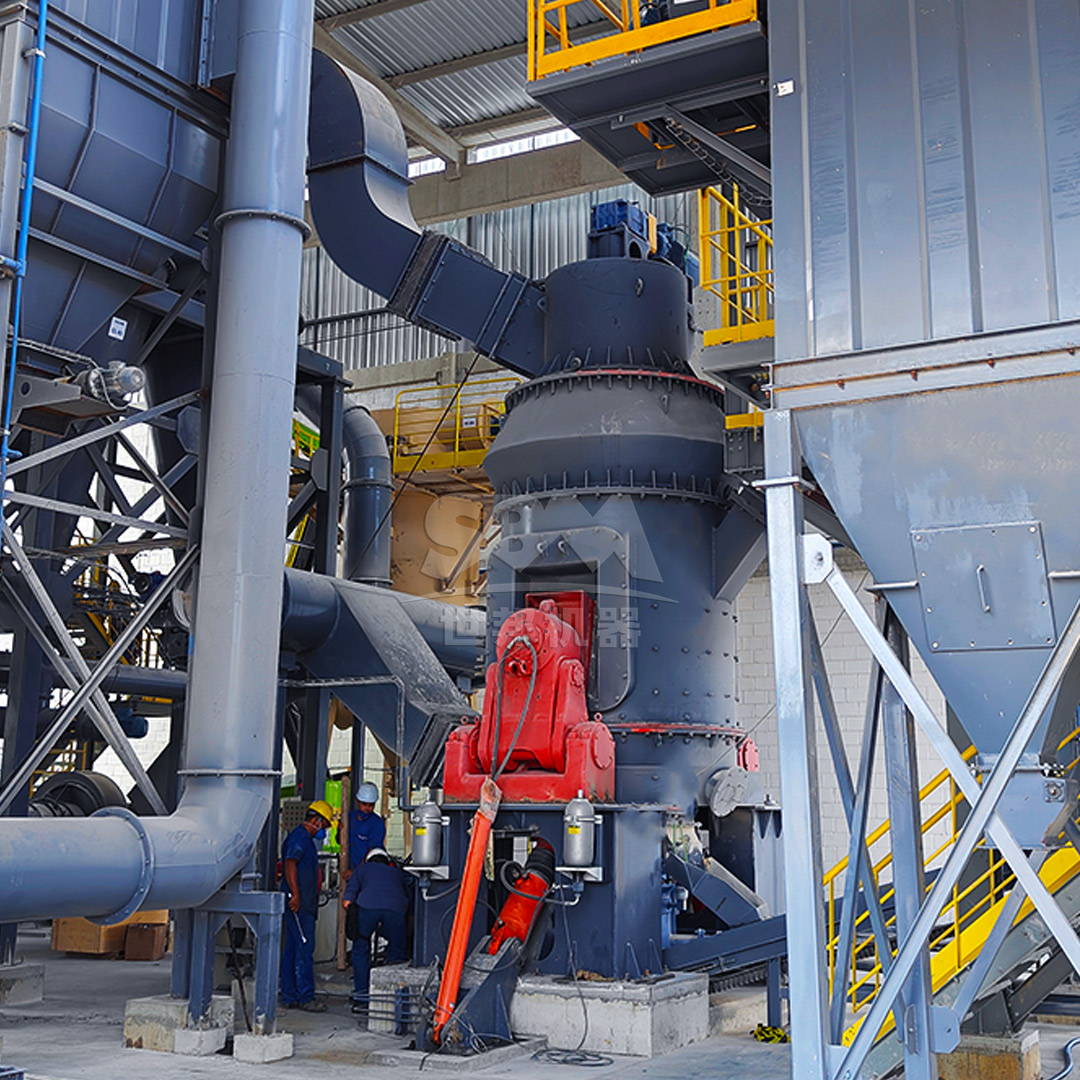
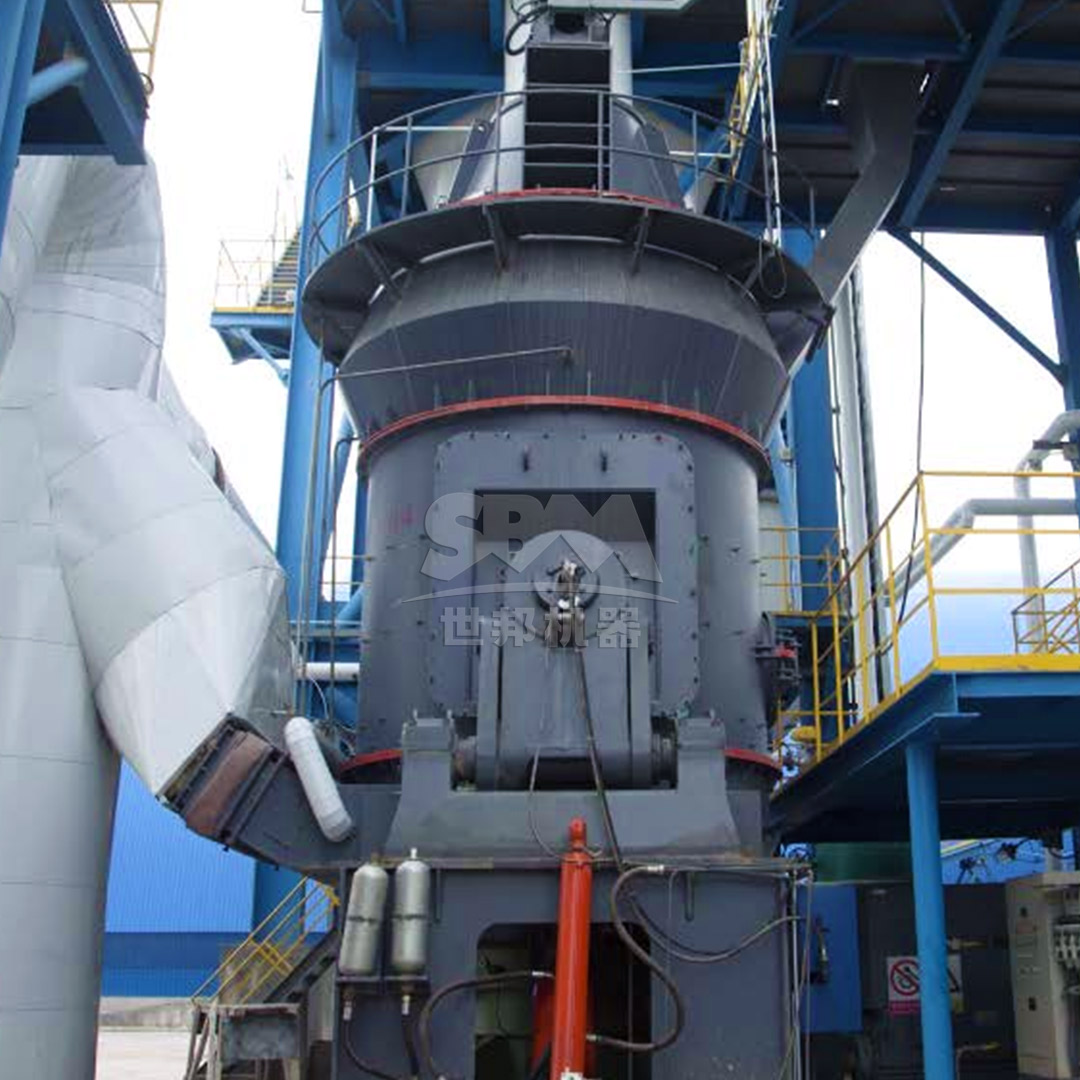
The production of chemical-grade quartz powder demands the highest levels of purity, consistency, and efficiency. Unlike standard industrial minerals, high-purity quartz (HPQ) used in semiconductors, solar panels, optical fibers, and advanced ceramics requires ultra-fine particle sizes (often down to 5-45 microns) with minimal contamination. The selection of milling and classification equipment is critical to achieving these stringent specifications. This article provides a comprehensive overview of the key machines and processing technologies used in chemical-grade quartz powder production, focusing on how modern grinding systems can deliver superior purity and throughput.
Chemical-grade quartz processing presents unique challenges. The raw material, while inherently hard (Mohs hardness 7), must be ground without introducing iron, chromium, or other metallic contaminants from the equipment. Furthermore, the process must achieve a specific particle size distribution (PSD)—typically D50 below 10 µm for high-end applications—while maintaining industrial-scale throughput. Traditional ball mills, while robust, often suffer from high energy consumption, significant wear, and difficulty in achieving narrow PSDs. This has driven the industry toward advanced roller mill and vertical mill technologies that offer contactless or low-pressure grinding principles combined with high-precision classification.
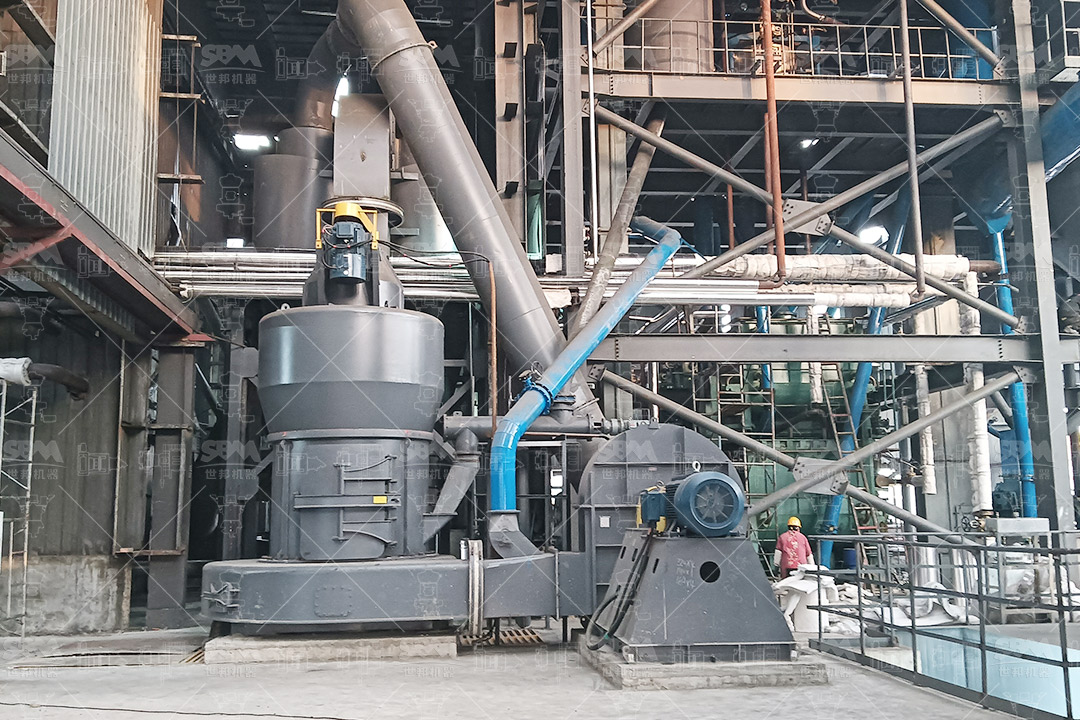
Before fine grinding, quartz ore must be reduced from run-of-mine size (100-300mm) to a manageable feed size (typically ≤20-50mm). Jaw crushers and cone crushers are standard. However, for chemical-grade applications, the use of ceramic-lined or tungsten carbide-coated crushing surfaces is recommended to minimize metallic contamination. After primary crushing, the material often undergoes magnetic separation and intensive washing to remove iron-bearing minerals and surface impurities.
For achieving the 325-2500 mesh (45-5 µm) range required by chemical-grade quartz, two mill types dominate: vertical roller mills and ultrafine grinding mills. The key is to combine low-energy grinding with a highly efficient classifying system that ensures no coarse particles contaminate the final product.
Our SCM Series Ultrafine Mill is specifically engineered to meet these demands. It features a unique three-layer grinding ring design driven by a main motor. Materials are dispersed by centrifugal force and crushed under roller pressure, achieving a precise cutting point. The vertical turbine classifier ensures that the final product is uniformly fine, with zero coarse powder mixing. Compared to jet mills, the SCM Series offers double the capacity with 30% lower energy consumption. Intelligent control systems automatically adjust parameters based on real-time granularity feedback, making it ideal for the consistent production of high-purity quartz powder.
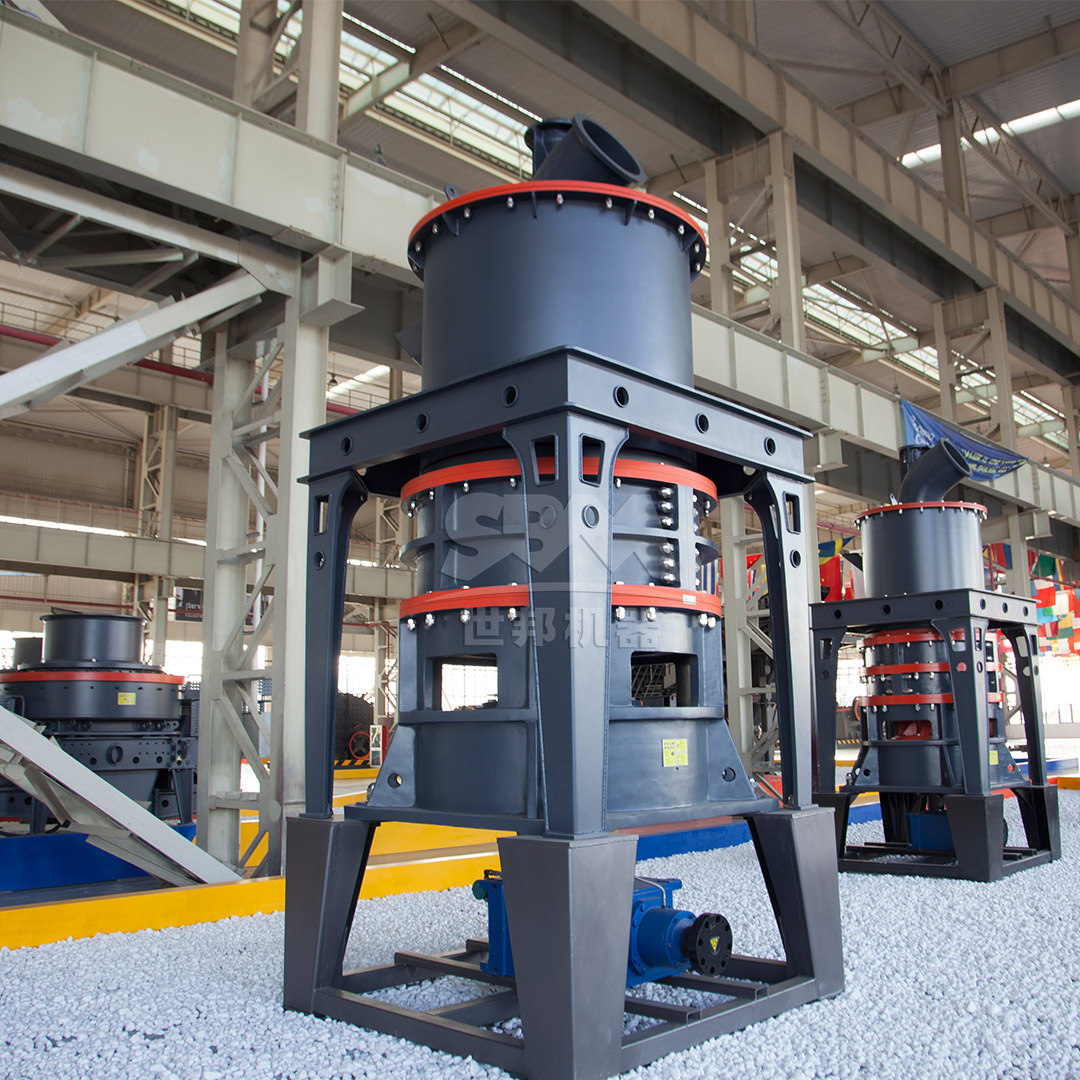
No milling process is complete without a world-class classifier. In high-purity applications, the classifier must separate fines without causing particle aggregation or re-contamination. Vertical turbine classifiers (VTCs) are the gold standard. They utilize a high-speed rotor to create a centrifugal field that separates fine from coarse material. The cut size can be adjusted dynamically, allowing for rapid changes in product specification. For quartz, achieving a D97 of <45 µm requires classifiers with air-sealing technology to prevent coarse particle bypass.
Environmental compliance and product purity go hand-in-hand. A fully sealed, negative pressure system is mandatory. Pulse dust collectors with cartridge or bag filters are used to capture 99.9% of airborne fines. In our designs, the pulse dust collection efficiency exceeds international standards, ensuring that the workplace remains clean and that the product is not lost to the atmosphere. Soundproof rooms are also incorporated to keep noise levels below 85 dB, creating a safer working environment.
Every contact point in the system must be designed to avoid iron pick-up. This includes:
For applications requiring the highest purity (< 100 ppm Fe2O3), the grinding elements themselves must be made of special materials. Our mills utilize proprietary roller and ring alloys that extend service life several times over while maintaining low iron content in the product.
For manufacturers seeking to produce chemical-grade quartz powder with maximum efficiency and minimal contamination, we highly recommend the SCM Series Ultrafine Mill. Its combination of ultra-high fineness (325-2500 mesh), low energy consumption, and precise classification makes it the premier choice for this demanding application.
| Model | Capacity (t/h) | Main Power (kW) | Fineness (mesh) |
|---|---|---|---|
| SCM800 | 0.5-4.5 | 75 | 325-2500 |
| SCM900 | 0.8-6.5 | 90 | 325-2500 |
| SCM1000 | 1.0-8.5 | 132 | 325-2500 |
| SCM1250 | 2.5-14 | 185 | 325-2500 |
| SCM1680 | 5.0-25 | 315 | 325-2500 |
Alternatively, for operations that require a broader fineness range (30-325 mesh) with massive throughput, the LM Series Vertical Roller Mill is an excellent choice. Its integrated design (crushing, grinding, and selection in one unit) reduces floor space by 50% and energy consumption by 30-40% compared to ball mill systems. The non-contact design between rollers and table drastically extends wear part life, making it a low-cost, high-volume solution for pre-grinding or standard purity quartz.
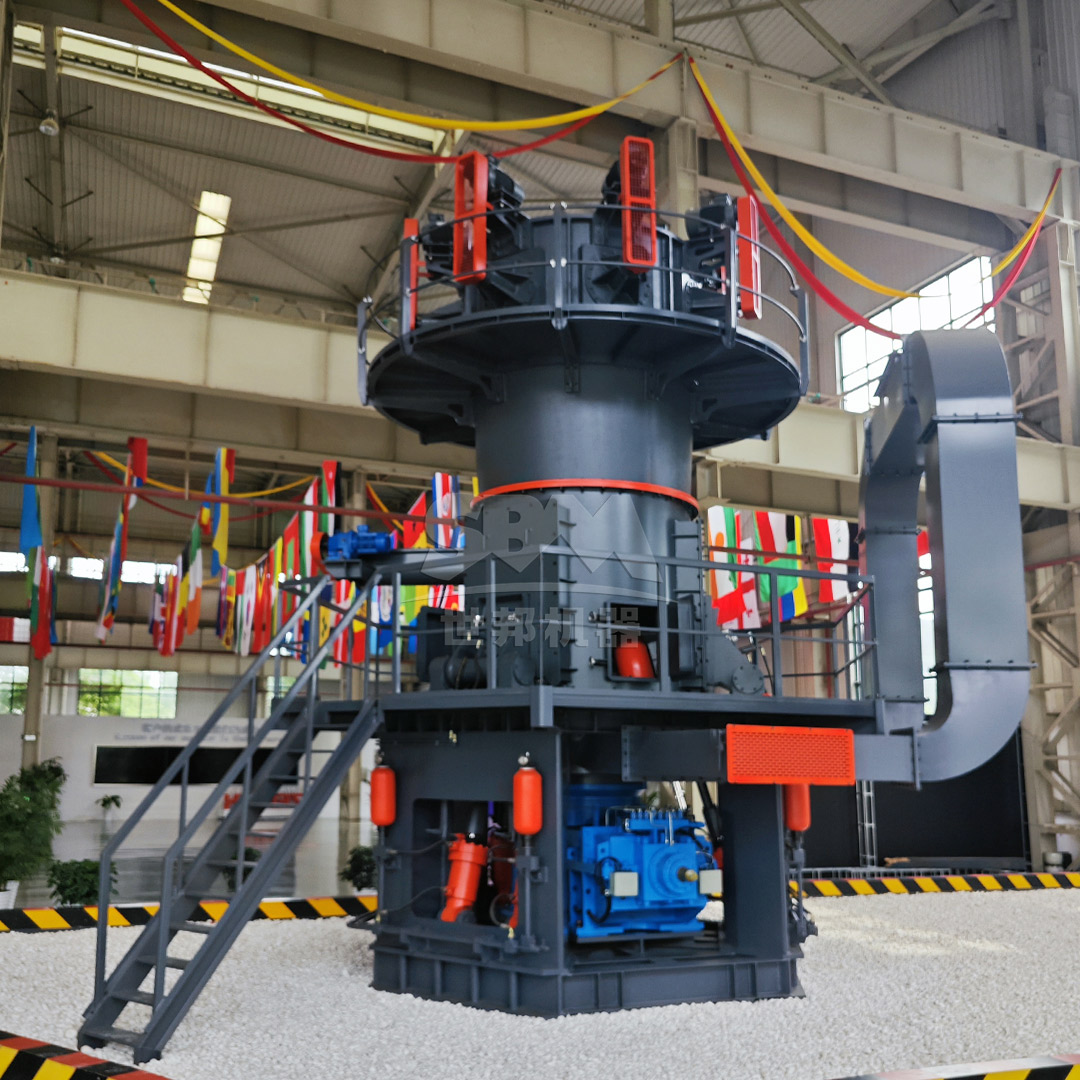
A typical chemical-grade quartz powder production line follows this sequence:
The production of chemical-grade quartz powder is a technologically intensive process that requires a careful balance of particle size reduction, purity preservation, and cost efficiency. By utilizing advanced machinery like the SCM Series Ultrafine Mill and the LM Series Vertical Roller Mill, manufacturers can achieve the precise specifications demanded by the high-tech industry. Investing in durable, intelligent, and eco-friendly equipment is not just a matter of compliance; it is the key to producing a consistent, high-value product that meets the rigorous standards of the global market.
For a detailed analysis of your specific quartz material and a customized solution, contact our engineering team to review your feed size, desired output, and purity requirements.