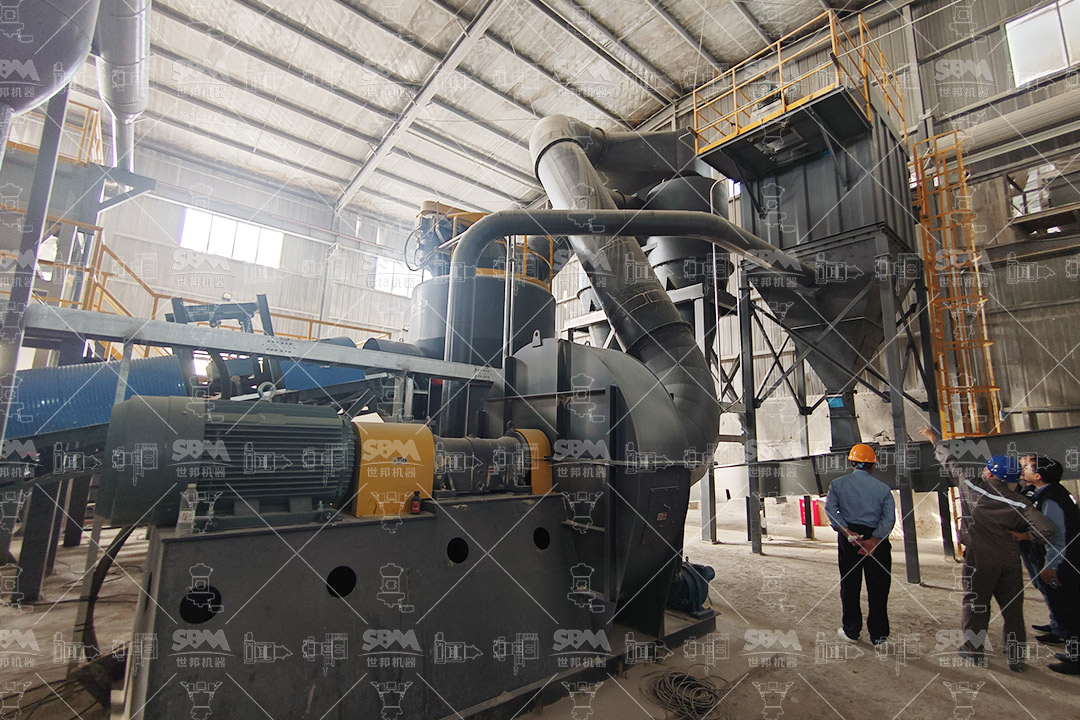
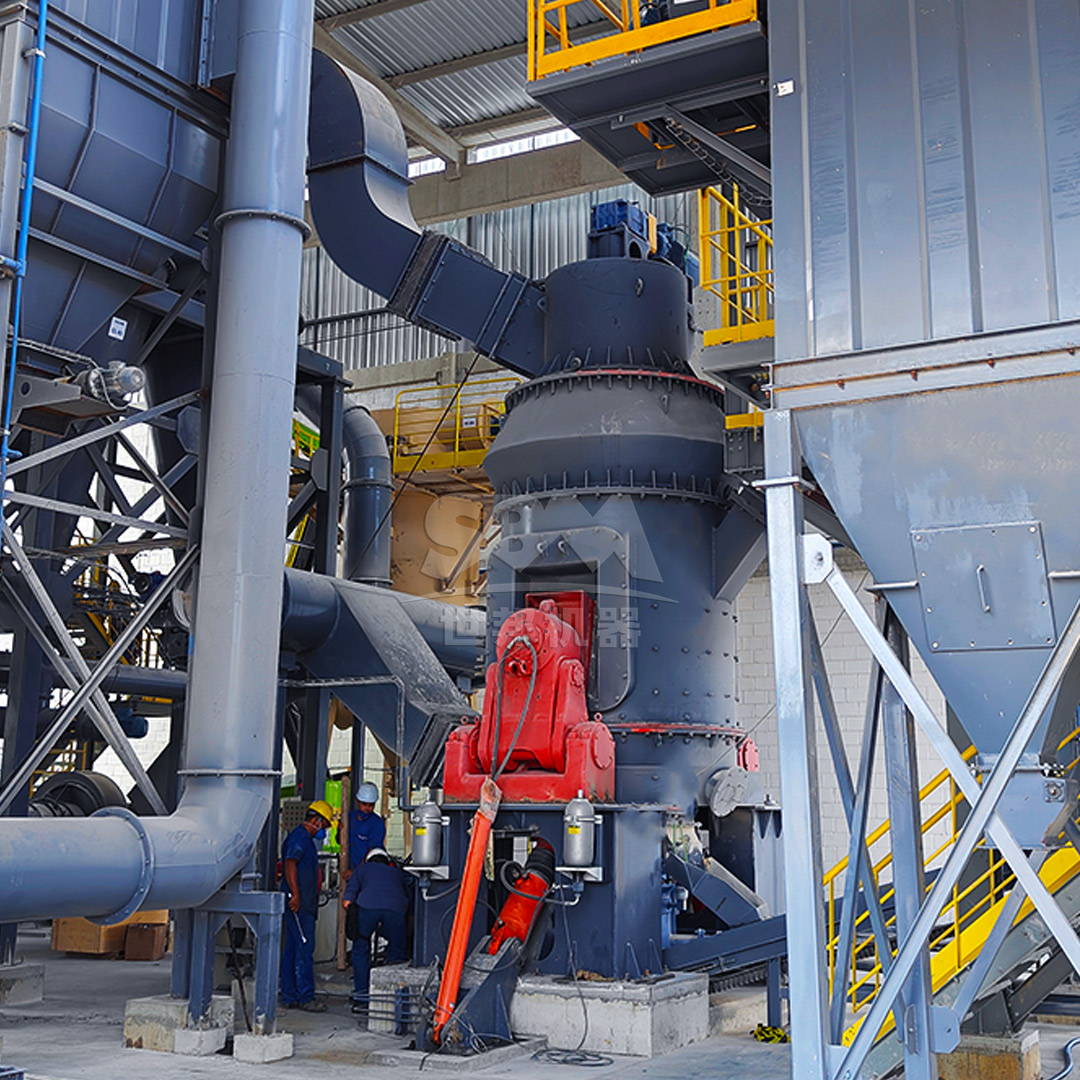
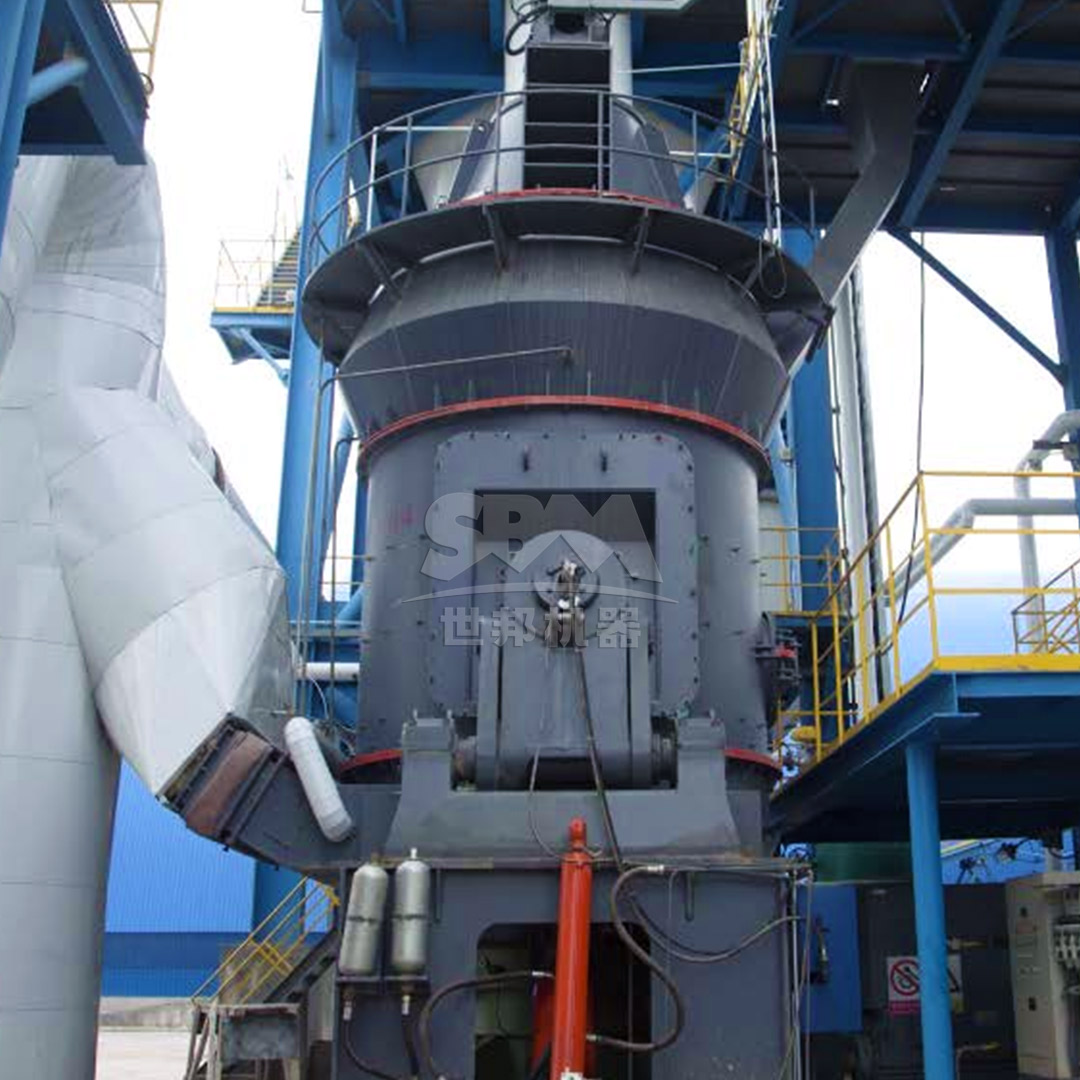
The coatings industry is undergoing a paradigm shift, driven by the demand for high-durability, corrosion-resistant, and aesthetically superior finishes. At the heart of this evolution lies titanium additive production equipment, which enables the creation of advanced pigments and functional fillers. However, the performance of these additives—whether titanium dioxide (TiO2) for opacity or titanium-based alloys for specialized coatings—is intrinsically linked to the precision of the powder processing stage. Achieving the optimal particle size distribution (PSD) and morphology is not merely a quality metric; it is a prerequisite for superior dispersion, enhanced color strength, and increased surface coverage. This is where industrial grinding mills transition from being ancillary equipment to core strategic assets. For manufacturers seeking to dominate the high-performance pigment market, selecting the right milling solution is the single most impactful decision.
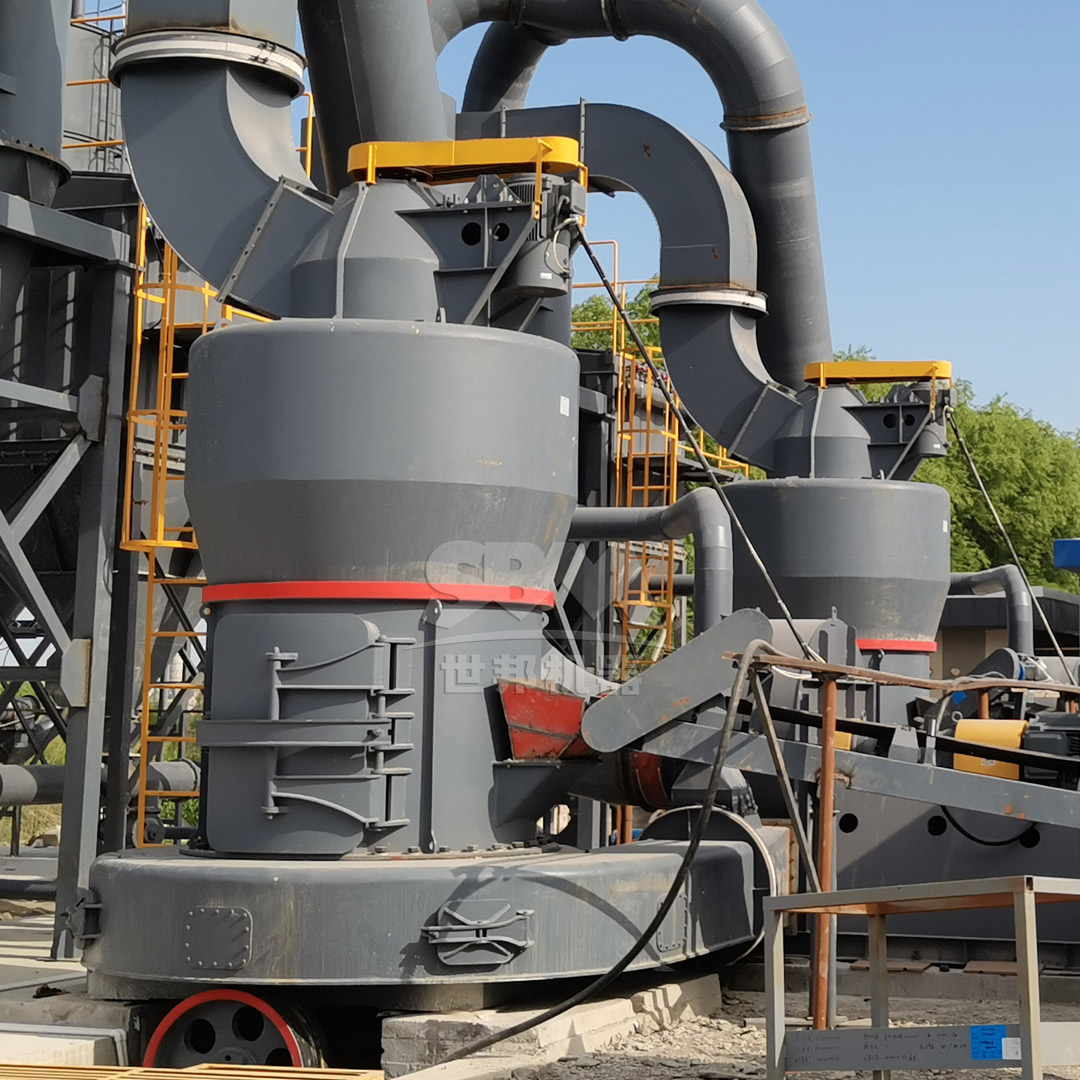
Processing titanium-based pigments presents unique physical and chemical challenges. The feed material, often derived from ilmenite or rutile ore, requires intense mechanical energy to break down agglomerates and reduce primary particle size to the sub-micron or micron level. Key challenges include:
Titanium compounds are notoriously abrasive. Standard milling components can suffer from rapid wear, leading to metal contamination of the pigment—a fatal flaw in high-purity coating applications. Equipment must employ special alloy rollers, liners, and grinding rings to maintain product integrity and operational longevity.
In coatings, the presence of oversized particles (“grits”) can ruin the surface finish, while excessive fines can increase oil absorption and reduce gloss. The mill must integrate a high-efficiency classifier capable of sharp cut points and consistent particle size control within a narrow range, such as D97 < 5μm for premium grades.
The specific energy consumption for fine grinding of titanium dioxide can be extraordinarily high. A mill that offers a higher capacity per unit of power—such as 2x the capacity of a jet mill with 30%% lower energy consumption—provides a direct competitive advantage in terms of operational expenditure (OPEX).
Different milling technologies offer distinct advantages for titanium pigment processing. The choice depends on the target fineness and throughput requirements.
For the highest performance coatings requiring nano-effect or ultra-high gloss, the fineness must reach the sub-micron level. Traditional ball mills are inefficient in this range due to high energy loss and long grinding times. Advanced solutions include the SCM Series Ultrafine Mill and the LUM Ultrafine Vertical Roller Mill. These machines utilize a multi-layer grinding ring principle or a specialized roller/liner curve design to achieve extreme fineness without sacrificing throughput.
| Application Grade | Target Fineness (D97) | Mesh Equivalent | Recommended Mill Type |
|---|---|---|---|
| Nano-coatings / Functional Coatings | < 5 μm | > 2500 mesh | SCM Series / LUM Series |
| High-End Automotive & Marine | 5 – 45 μm | 325 – 2500 mesh | SCM Series / MTW Series |
| General Industrial & Architectural | 45 – 100 μm | 150 – 325 mesh | MTW Series / LM Series |
For bulk titanium dioxide pigment production where the target is to achieve a consistent 325-mesh (45μm) residue, high-capacity vertical mills and trapezium mills are the industry standard. The MTW Series European Trapezium Mill and LM Series Vertical Roller Mill offer integrated crushing, grinding, and classifying in a single unit. Their high capacity (up to 250 t/h) and intelligent control systems make them indispensable for large-scale pigment manufacturing plants.
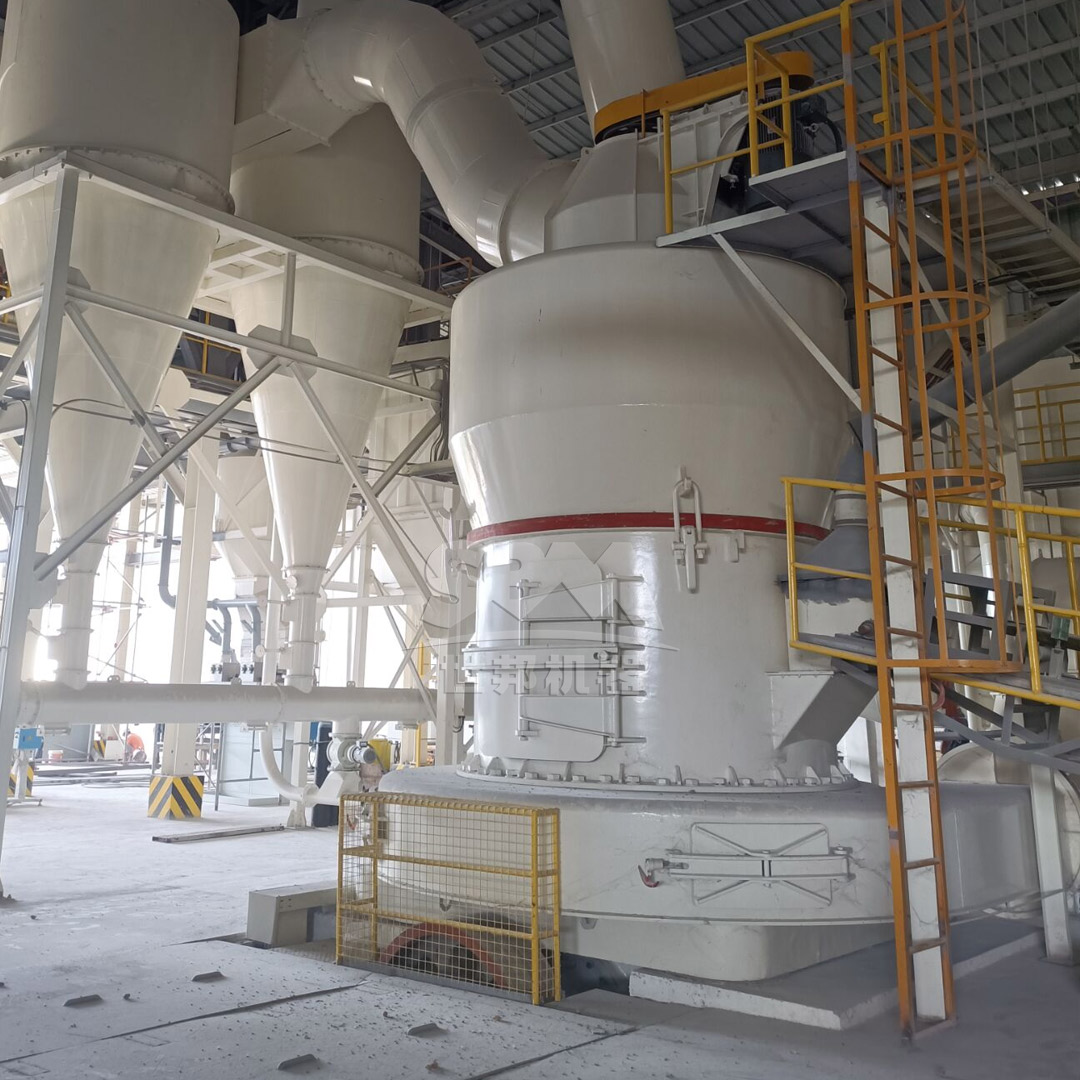
The LM Series Vertical Roller Mill excels in this domain due to its unique bed grinding principle. The non-contact design between the grinding roller and the table significantly extends the life of wear parts by up to 3 times compared to traditional ball mills. Furthermore, the negative pressure and fully sealed operation ensure a dust-free environment, crucial for maintaining the factory’s cleanliness and meeting stringent environmental regulations. Its expert-level auto-control system allows for remote monitoring of parameters like grinding pressure and classifier speed, ensuring consistent product quality with minimal manual intervention.
We recommend our SCM Series Ultrafine Mill as the premier solution for high-value titanium pigment processing requiring exceptional fineness. This machine is engineered specifically for the 45-5μm range, outperforming jet mills by doubling the capacity while reducing energy consumption by 30%%. This efficiency translates directly into a lower cost per ton of finished pigment.
The core of the SCM mill is its vertical turbine classifier, which provides precise particle size cutting without the mixing of coarse particles. This ensures the final pigment has a uniform particle size distribution, essential for achieving consistent color development and hiding power in coatings. With an input size of ≤20mm and a capacity range of 0.5 to 25 t/h (model-dependent), the SCM Series can be seamlessly integrated into both batch and continuous pigment production lines. Its soundproof room design and efficient pulse dust collection system make it an environmentally friendly choice for modern factories.
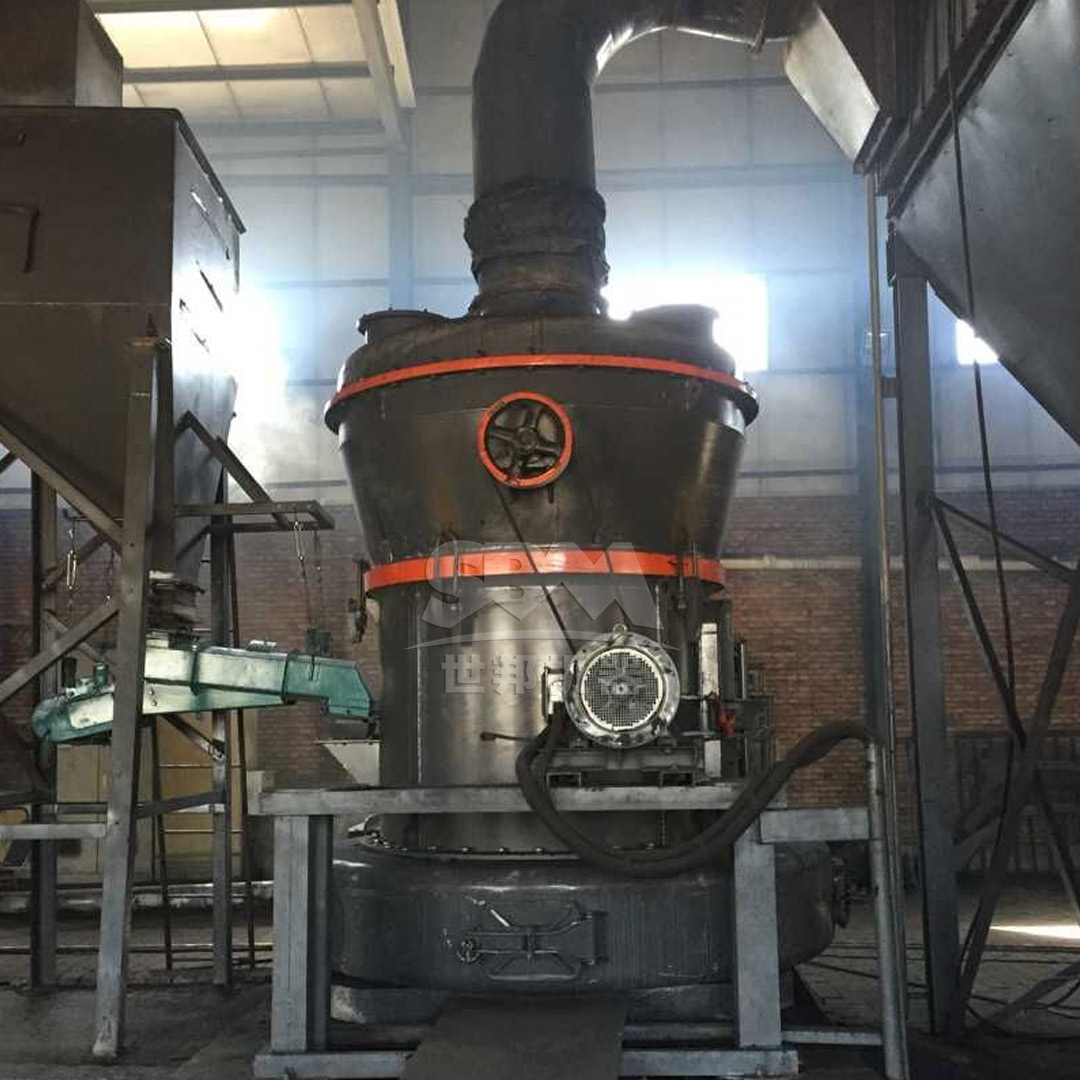
For manufacturers prioritizing high throughput and low operating costs, the LM Series Vertical Roller Mill is the optimal choice. Its integrated design, combining crushing, grinding, classifying, and drying, reduces the floor space requirement by 50%% and infrastructure costs by 40%%. This is a significant advantage when building a new greenfield pigment plant.
The LM mill’s intelligent control system is a standout feature for the coatings industry. It provides real-time monitoring of key parameters and supports remote/local switching, drastically reducing the need for manual oversight. This is particularly valuable in continuous production environments where consistent quality and stable operation are paramount. The mill’s ability to handle large feed sizes (≤50mm) directly reduces the need for pre-crushing equipment, simplifying the overall process flow.
The production of high-performance coatings is a science of precision. From the initial ore refining to the final pigment dispersion, every step influences the end product’s quality. Titanium additive production equipment, specifically the grinding mill, is the critical bridge between raw material and finished pigment. By investing in advanced grinding solutions like the SCM Series Ultrafine Mill or the LM Series Vertical Roller Mill, coating manufacturers can achieve:
In the fiercely competitive world of coatings, the ability to produce a superior, consistent product at scale is the definitive competitive advantage. The right grinding mill is the engine that drives this capability.