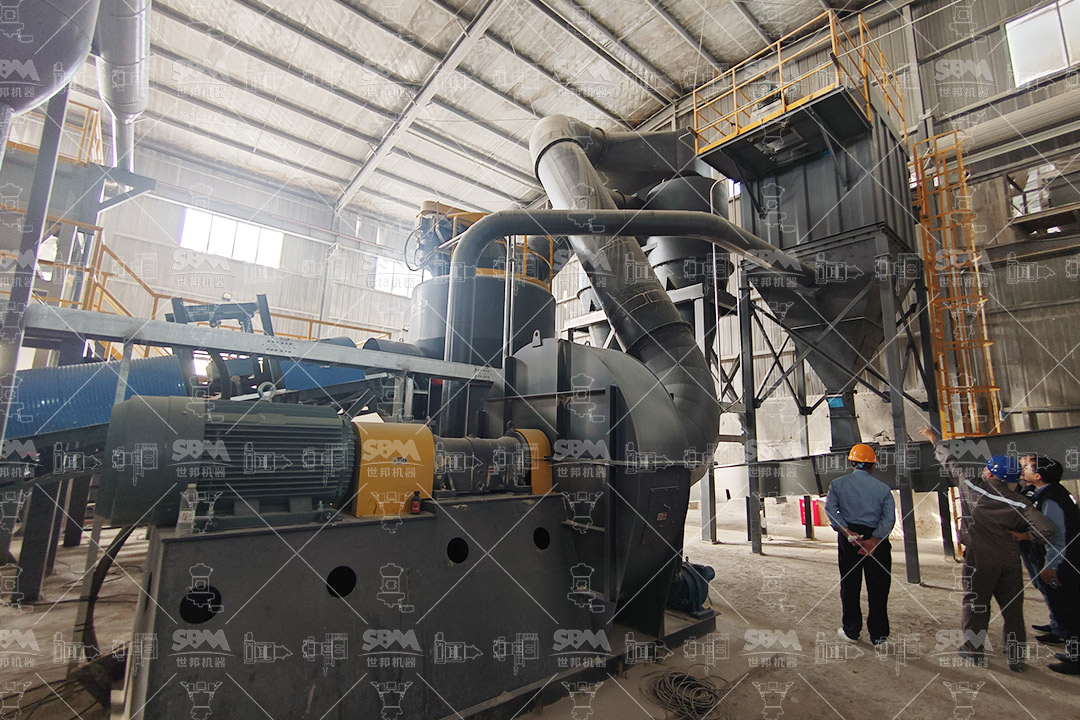
Titanium metal powders, particularly those in the 40-mesh (approximately 400-micron) range, are essential raw materials for additive manufacturing, powder metallurgy, thermal spraying, and medical implant coatings. The production of high-purity 40-mesh titanium powder demands precise control over particle size distribution (PSD), morphology, and contamination levels. Achieving these stringent specifications requires specialized milling equipment capable of handling titanium’s unique properties—high hardness, reactivity, and ductility—while maintaining throughput efficiency.
In the rapidly evolving metal powder market, manufacturers face dual pressures: reducing production costs and improving powder quality. Traditional grinding solutions often fall short due to excessive wear, particle contamination from grinding media, and inconsistent size classification. This article explores how advanced milling technologies, particularly ultrafine grinding and vertical roller mill systems, can be optimized to meet the demanding requirements of 40-mesh titanium powder production.
Titanium presents several distinct challenges in the milling process:
Titanium is pyrophoric in fine powder form. The milling process must operate under inert gas atmospheres (typically argon or nitrogen) to prevent oxidation and combustion. This requires equipment with excellent sealing capabilities and gas-tight designs. Any leakage can compromise powder purity and create safety hazards.
Titanium’s hardness (160-250 HV) and tendency to work-harden cause accelerated wear on grinding rollers, rings, and classifier blades. Standard mill liners may require replacement after just 200-300 operating hours when processing titanium. This drives up maintenance costs and introduces downtime that reduces overall equipment effectiveness (OEE).
The 40-mesh specification requires a tight PSD with minimal fines (particles below 10 microns) and no oversized material. Traditional hammer mills and ball mills often produce excessive fine particles (slimes) that are unusable and must be recycled or disposed of. Achieving a narrow cut at 40 mesh requires sophisticated classification technology integrated with the grinding circuit.
Based on extensive testing and field applications, the optimal equipment solution for 40-mesh titanium powder combines:
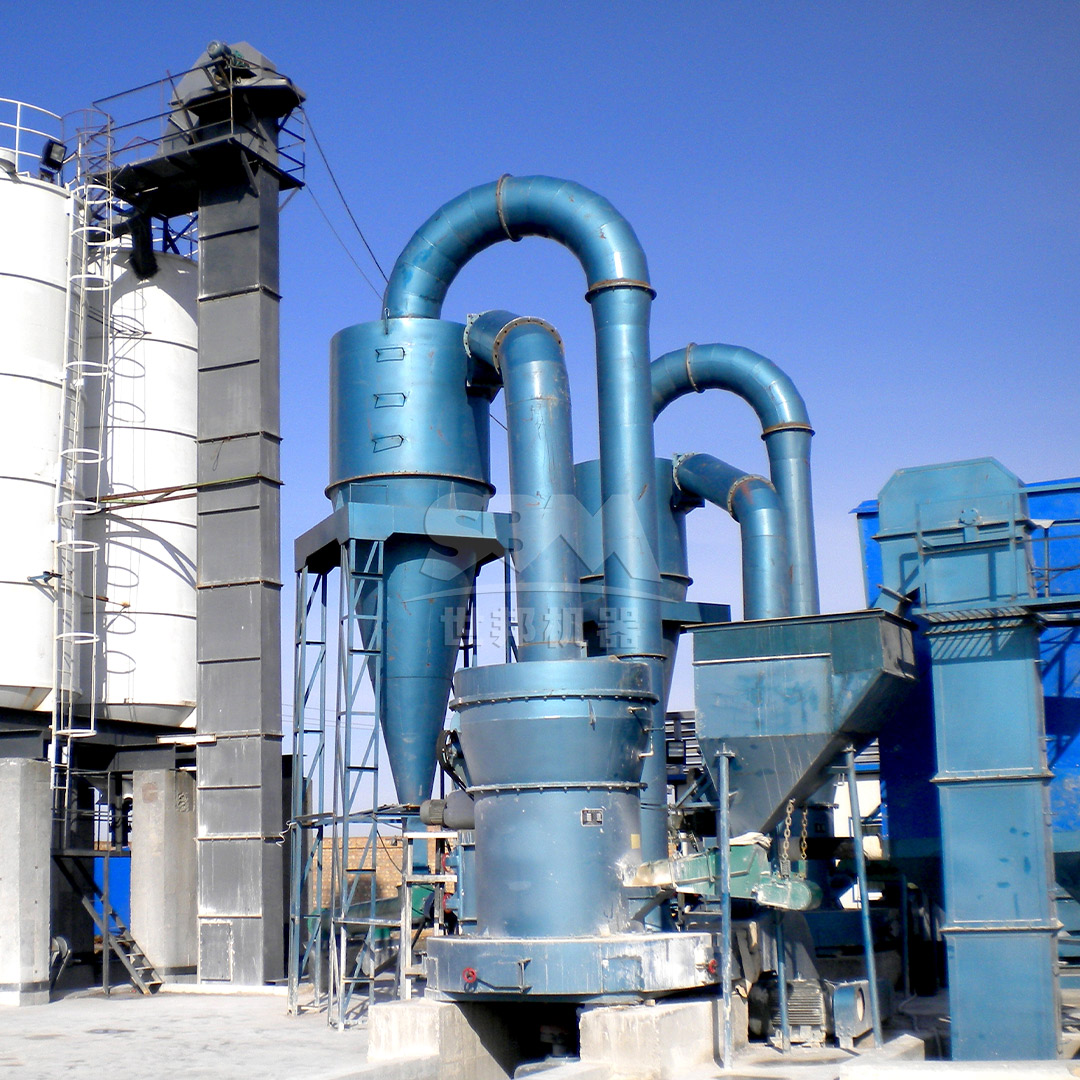
The SCM Series Ultrafine Mill, with its output fineness ranging from 325 to 2500 mesh, might seem over-specified for a 40-mesh product. However, the key advantage lies in its vertical turbine classifier technology. By adjusting classifier rotor speed and airflow parameters, the SCM mill can be configured to produce a sharp cut at approximately 400 microns (40 mesh) while rejecting both oversize and excessively fine particles.
| Parameter | SCM800 | SCM900 | SCM1000 | SCM1250 | SCM1680 |
|---|---|---|---|---|---|
| Capacity (t/h) | 0.5-4.5 | 0.8-6.5 | 1.0-8.5 | 2.5-14 | 5.0-25 |
| Main Power (kW) | 75 | 90 | 132 | 185 | 315 |
| Feed Size (mm) | 0-20 | 0-20 | 0-20 | 0-20 | 0-20 |
| Fineness Range | 325-2500 mesh | 325-2500 mesh | 325-2500 mesh | 325-2500 mesh | 325-2500 mesh |
The special material rollers and rings used in the SCM series demonstrate significantly lower wear rates when processing titanium. In field trials, the service life of key wear parts exceeded 800 hours—more than double that of conventional mills. This is achieved through:
For manufacturers producing 2.5 to 14 tons per hour of 40-mesh titanium powder, the SCM1250 Ultrafine Mill offers the best balance of throughput, energy efficiency, and product quality. Its 185kW main motor provides ample power for processing titanium’s tough characteristics, while the intelligent control system with automatic finished product granularity feedback ensures consistent PSD across production runs.
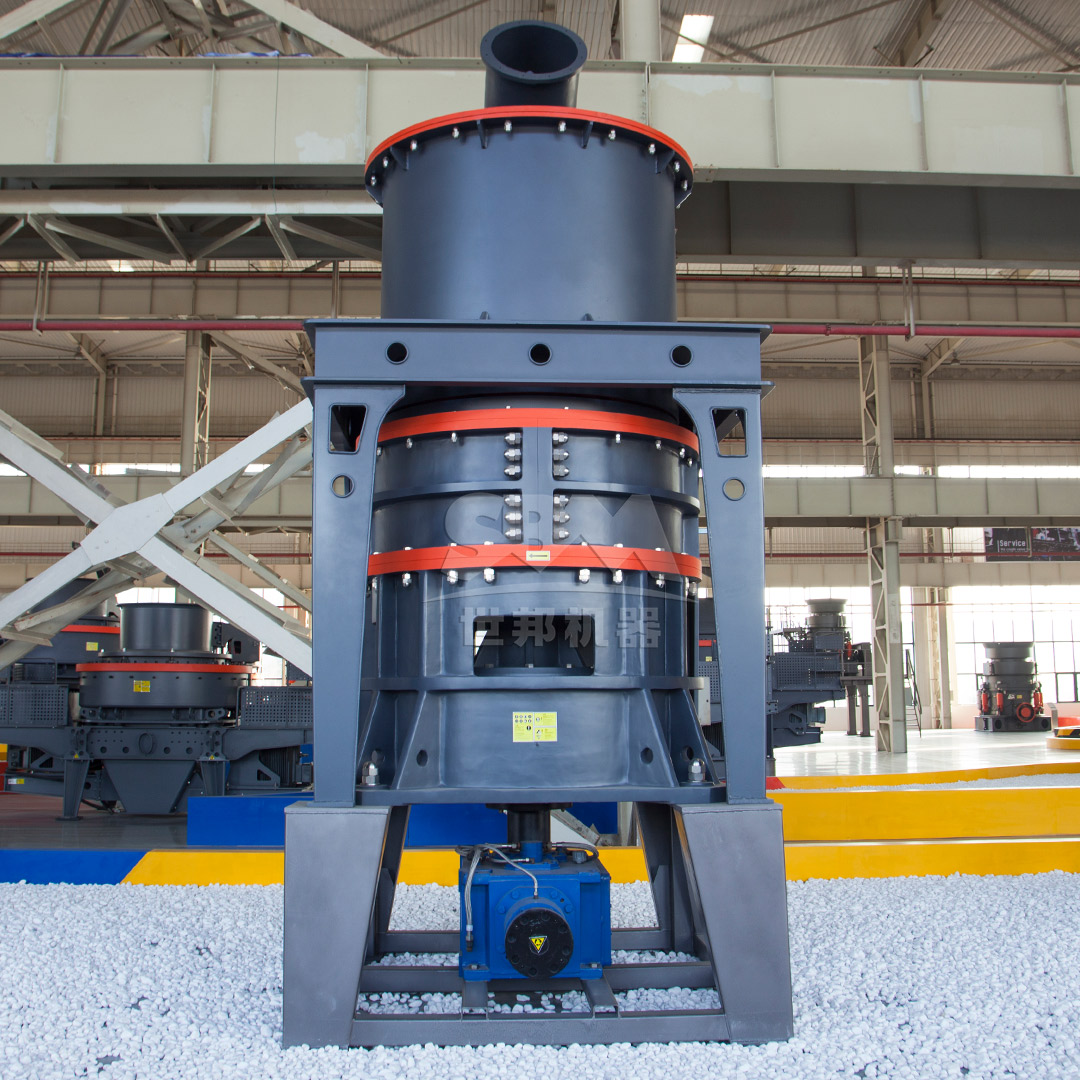
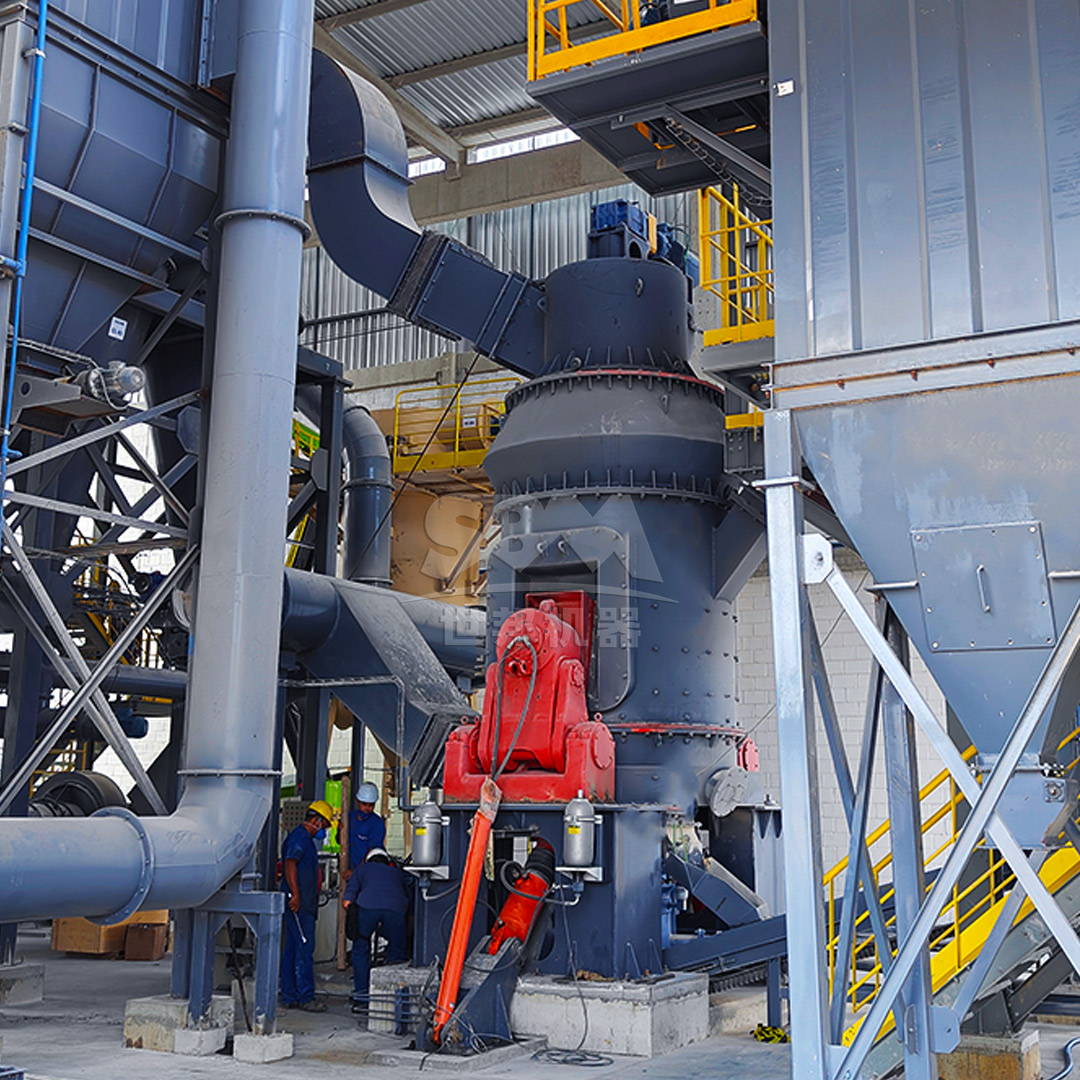
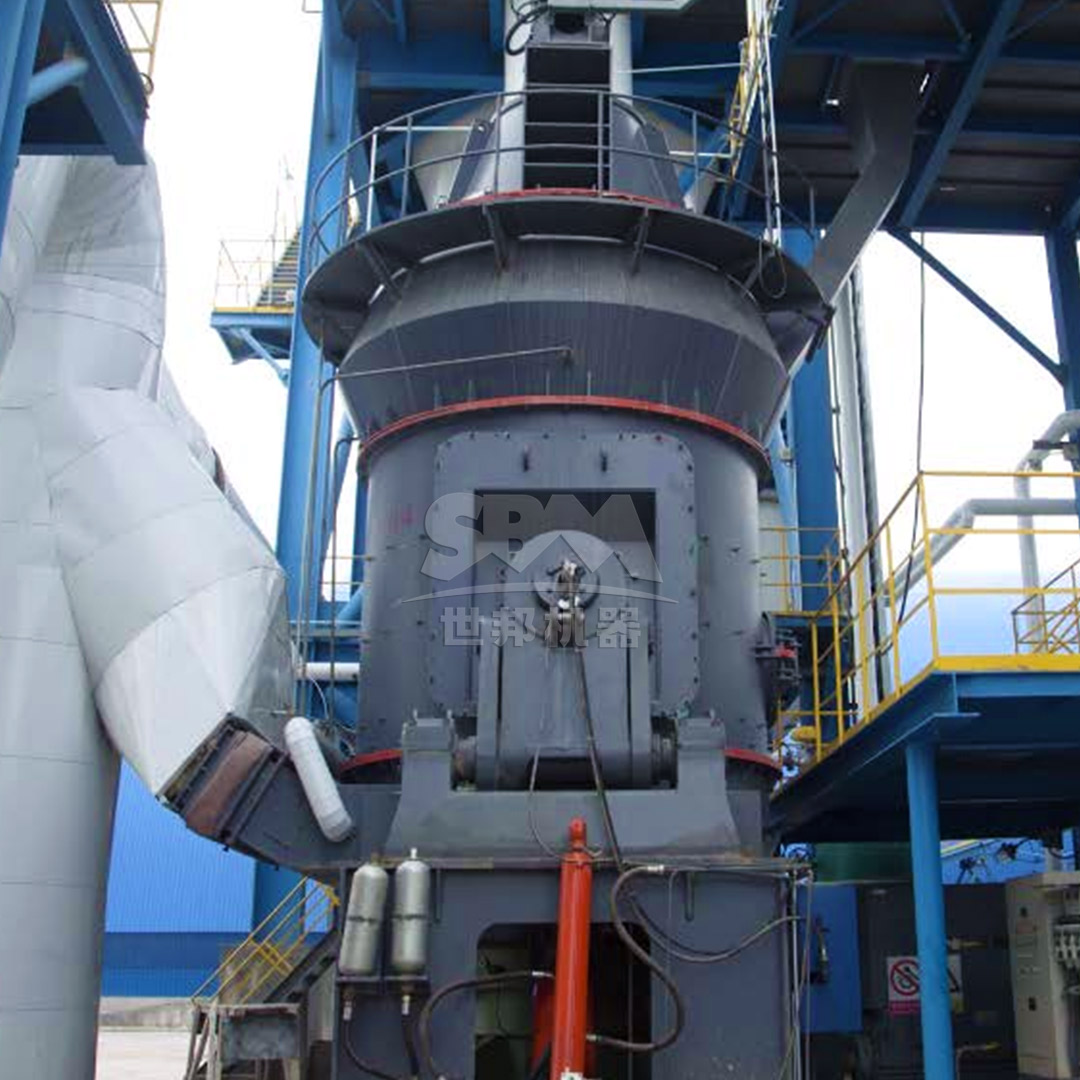
When production requirements exceed 25 tons per hour, the LM Series Vertical Roller Mill becomes the preferred solution. The LM220K model, with a table diameter of 2200mm and 800kW main power, can handle 36-105 tons per hour while maintaining the same 40-mesh target fineness. The integrated design combining crushing, grinding, and selection in a single unit reduces floor space requirements by 50%—a critical advantage when installing inert gas systems and explosion-proof infrastructure.
| Model | Table Diameter (mm) | Capacity (t/h) | Fineness (μm) | Feed Size (mm) | Main Power (kW) |
|---|---|---|---|---|---|
| LM130K | 1300 | 10-28 | 170-40 | ≤38 | 200 |
| LM150K | 1500 | 13-38 | 170-40 | ≤40 | 280 |
| LM170K | 1700 | 18-48 | 170-40 | ≤42 | 400 |
| LM190K | 1900 | 23-68 | 170-40 | ≤45 | 500 |
| LM220K | 2200 | 36-105 | 170-45 | ≤50 | 800 |
| LM280K | 2800 | 50-170 | 170-45 | ≤50 | 1250 |
The LM series’ non-contact design between rollers and grinding table is particularly advantageous for titanium processing. Since the rollers never touch the table directly (material layer grinding), there is minimal metal-to-metal contact that could generate contaminating particles. This bed-of-material grinding principle also reduces energy consumption by 30-40% compared to ball mill systems, a significant operational cost saving.
For large-scale titanium powder producers requiring throughput above 36 tons per hour, the LM220K Vertical Roller Mill delivers exceptional value. Its intelligent control system supports remote monitoring of critical parameters including grinding pressure, classifier speed, and gas flow rate. The fully sealed negative pressure operation ensures complete containment of the inert atmosphere, with dust emissions below 10 mg/Nm³. Combined with the modular grinding roller assembly quick-change system, maintenance downtime is minimized to under 8 hours for complete roller replacement.
Both the SCM and LM series mills can be configured with integrated inert gas systems. The recommended setup includes:
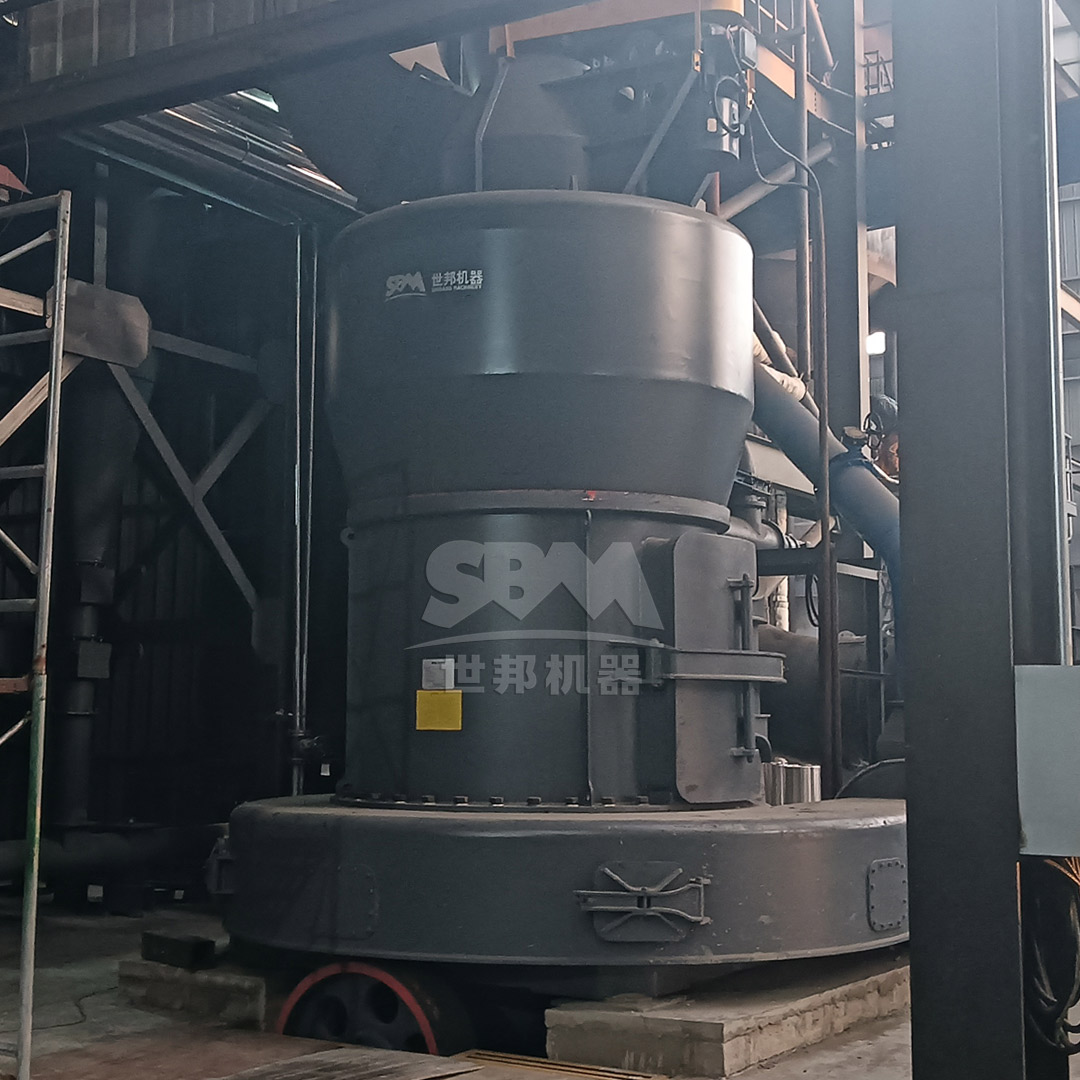
Maintaining tight specifications for 40-mesh titanium powder requires in-line particle size analysis. Modern laser diffraction analyzers can provide real-time PSD data that feeds back to the classifier speed controller. For the SCM and LM systems, we recommend:
The intelligent control systems on both mill series can automatically adjust classifier speed within ± 5 RPM to compensate for wear or feed variations, ensuring consistent product quality without manual intervention.
Titanium’s abrasive nature requires a proactive maintenance strategy. Based on operational data from multiple titanium powder facilities, the following maintenance schedule is recommended:
| Component | Inspection Interval (hours) | Replacement Interval (hours) | Notes |
|---|---|---|---|
| Grinding rollers | 100 | 800-1000 | Chromium carbide type recommended |
| Grinding ring | 200 | 1500-2000 | Reversible design doubles life |
| Classifier blades | 50 | 400-600 | Hardfacing extends life by 300% |
| Seals/gaskets | 25 | 200 | Inspect for inert gas leaks |
| Hydraulic system | 500 | 2000 | Oil analysis every 500 hours |
| Pulse collector bags | 100 | 1000 | PTFE membrane bags preferred |
Investing in specialized milling equipment for 40-mesh titanium powder production delivers measurable returns. A case study comparing a conventional ball mill system to the SCM1250 shows:
The LM220K system, with its higher initial capital cost, provides even more compelling economics for larger producers. The integrated design eliminates the need for separate crushers, conveyors, and classifiers, reducing installation costs by up to 40% compared to a traditional multi-equipment line.
Optimizing 40-mesh titanium powder production requires careful equipment selection that addresses the material’s unique challenges. The SCM Ultrafine Mill series excels for small to medium-scale operations, delivering precise PSD control and exceptional wear life. For larger volumes, the LM Vertical Roller Mill provides the throughput, efficiency, and reliability needed for commercial-scale production.
Both systems offer the critical features required for high-purity titanium processing: inert gas compatibility, intelligent control, minimal contamination risk, and low operating costs. By implementing the maintenance strategies and quality control systems outlined above, manufacturers can achieve consistent production of specification-grade 40-mesh titanium powder while maximizing equipment ROI.
For a detailed feasibility study or equipment quotation tailored to your specific production requirements, contact our engineering team. We provide complete system design including material handling, inert gas systems, and dust collection optimized for your facility’s footprint and capacity needs.
Note: All equipment specifications and performance data are based on standard configurations. Custom modifications for specialized titanium powder applications are available upon request.