In the metallurgical industry, limestone serves as a critical flux material, primarily used to remove impurities such as silica, alumina, and sulfur during the smelting of iron and steel. The quality and particle size of metallurgical flux limestone directly influence the efficiency of slag formation, energy consumption, and the final quality of the metal. Processing raw limestone into a fine, uniform powder suitable for blast furnace or basic oxygen furnace (BOF) applications requires a carefully designed multi-stage system involving crushing, grinding, and classification. This comprehensive guide explores the complete processing chain for metallurgical flux limestone, providing detailed insights into equipment selection and operational best practices.
Limestone used as a metallurgical flux must meet strict chemical and physical specifications. Typically, the CaO content should exceed 50%%, with low levels of SiO₂, Al₂O₃, and MgO. The required fineness for flux limestone generally ranges from 0.075mm to 0.8mm (200 mesh to 20 mesh), depending on the specific smelting process. The processing flow usually comprises three main stages: primary crushing, secondary crushing/screening, and fine grinding. Proper equipment selection at each stage ensures optimal particle size distribution, high production efficiency, and low operating costs.
Run-of-mine (ROM) limestone can have a feed size of up to 1000mm or more. The first stage of processing involves reducing this material to a manageable size, typically below 100mm. Primary crushers for limestone must handle high throughput and abrasive materials.
Jaw crushers are the most common choice for primary limestone crushing. They offer a high crushing ratio (up to 6:1) and can handle very large feed sizes. The compressive strength of limestone is relatively low (typically 50-150 MPa), making jaw crushers highly effective. Key parameters include the feed opening size, closed side setting (CSS), and eccentric shaft speed. For metallurgical flux applications, a robust jaw crusher with hydraulic adjustment is recommended to minimize downtime when handling occasional oversize or tramp iron.
For softer limestone, horizontal shaft impactors (HSI) can be used in the primary or secondary stage. They produce a more cubical product shape, which is beneficial for downstream grinding. However, wear costs can be higher due to the abrasive nature of limestone. The selection between a jaw crusher and an impact crusher depends on the limestone’s hardness, silica content, and the desired product shape.
After primary crushing, the material is typically reduced to 0-40mm through secondary crushing and screening. This stage is crucial for ensuring a consistent feed size to the grinding mill, which directly impacts mill efficiency and product quality. Cone crushers or secondary impact crushers are commonly employed. Vibrating screens with multi-deck configurations separate oversized material for recirculation back to the crusher, while the fines (typically <20mm for fine grinding) are directed to the mill feed bin.
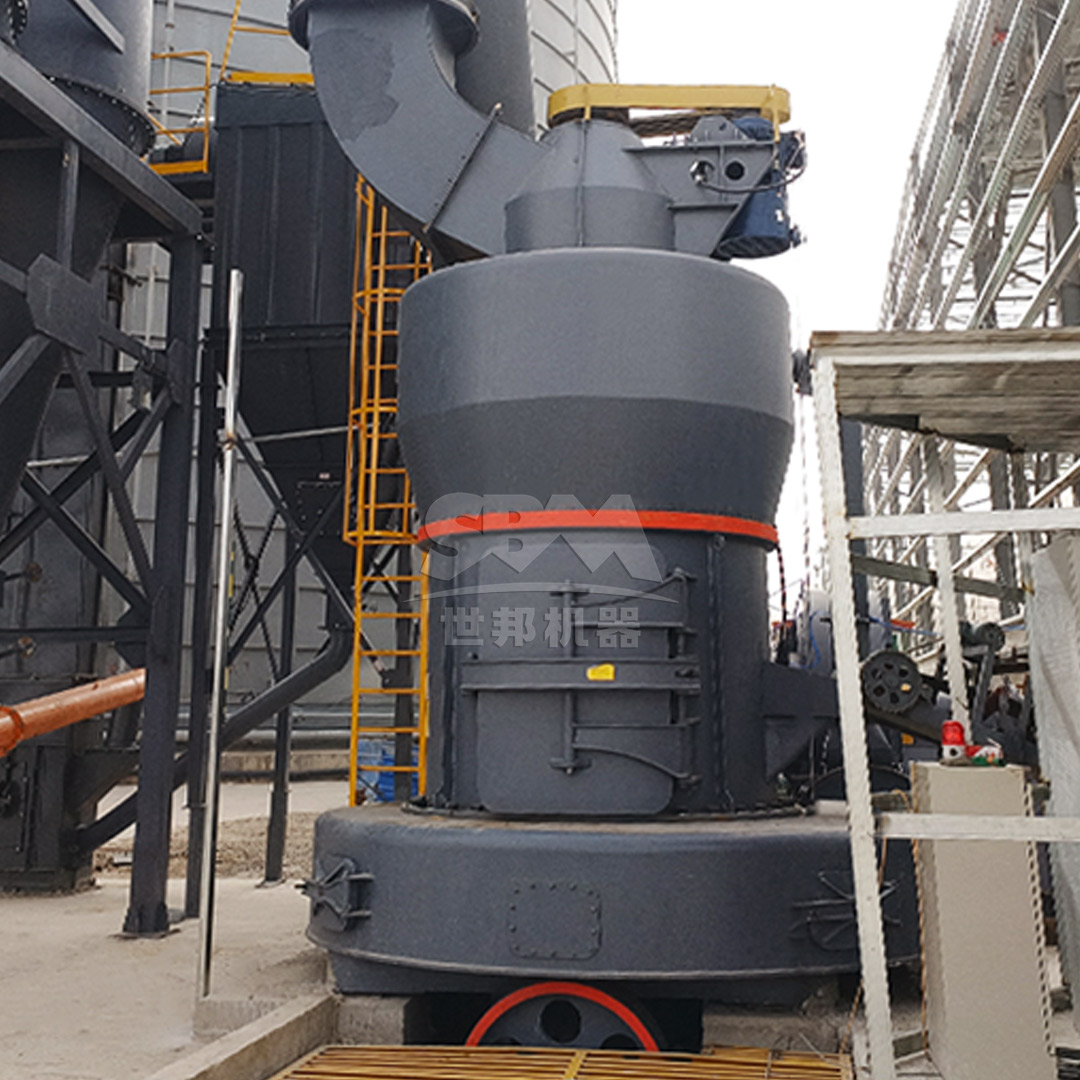
Fine grinding is the most critical stage in producing metallurgical flux powder. The choice of grinding mill determines the fineness, throughput, energy efficiency, and operating cost of the entire plant. Several technologies are available, ranging from traditional ball mills to advanced vertical roller mills and pendulum mills.
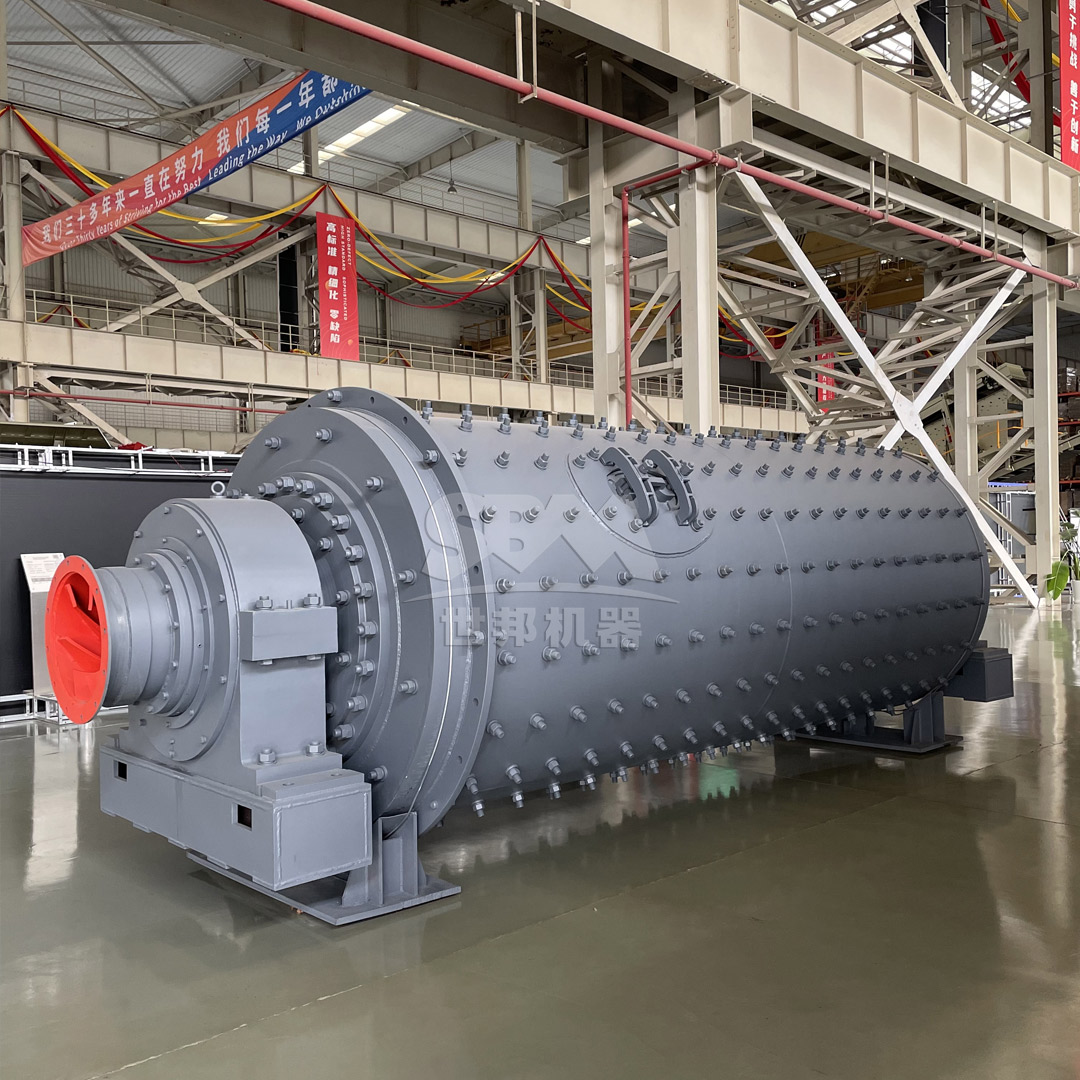
Ball mills are a mature technology capable of producing a wide range of fineness (0.074mm to 0.8mm). They are highly reliable and can handle wet or dry grinding. For metallurgical flux, dry ball mills with a closed-circuit classifier are standard. However, ball mills have high energy consumption (typically 25-35 kWh/t for limestone) and are less efficient for fine products below 200 mesh. Their large footprint and high media consumption (steel balls) can lead to higher operational costs.
| Model | Capacity (t/h) | Main Power (kW) | Fineness |
| GMQG1530 | 1.2 – 2.8 | 75 | 0.074 – 0.8mm |
| GMQG2445 | 5.5 – 10.5 | 400 | 0.074 – 0.8mm |
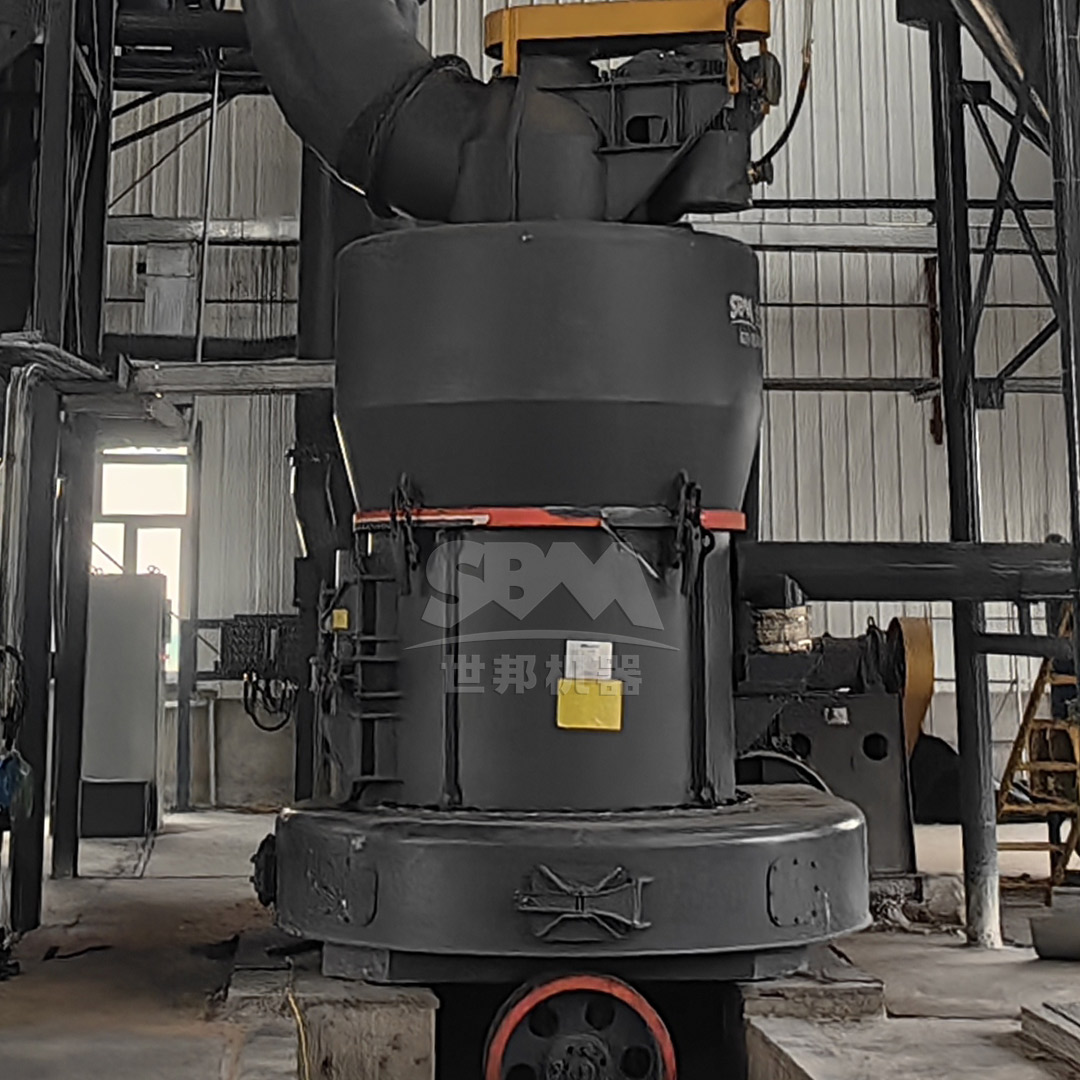
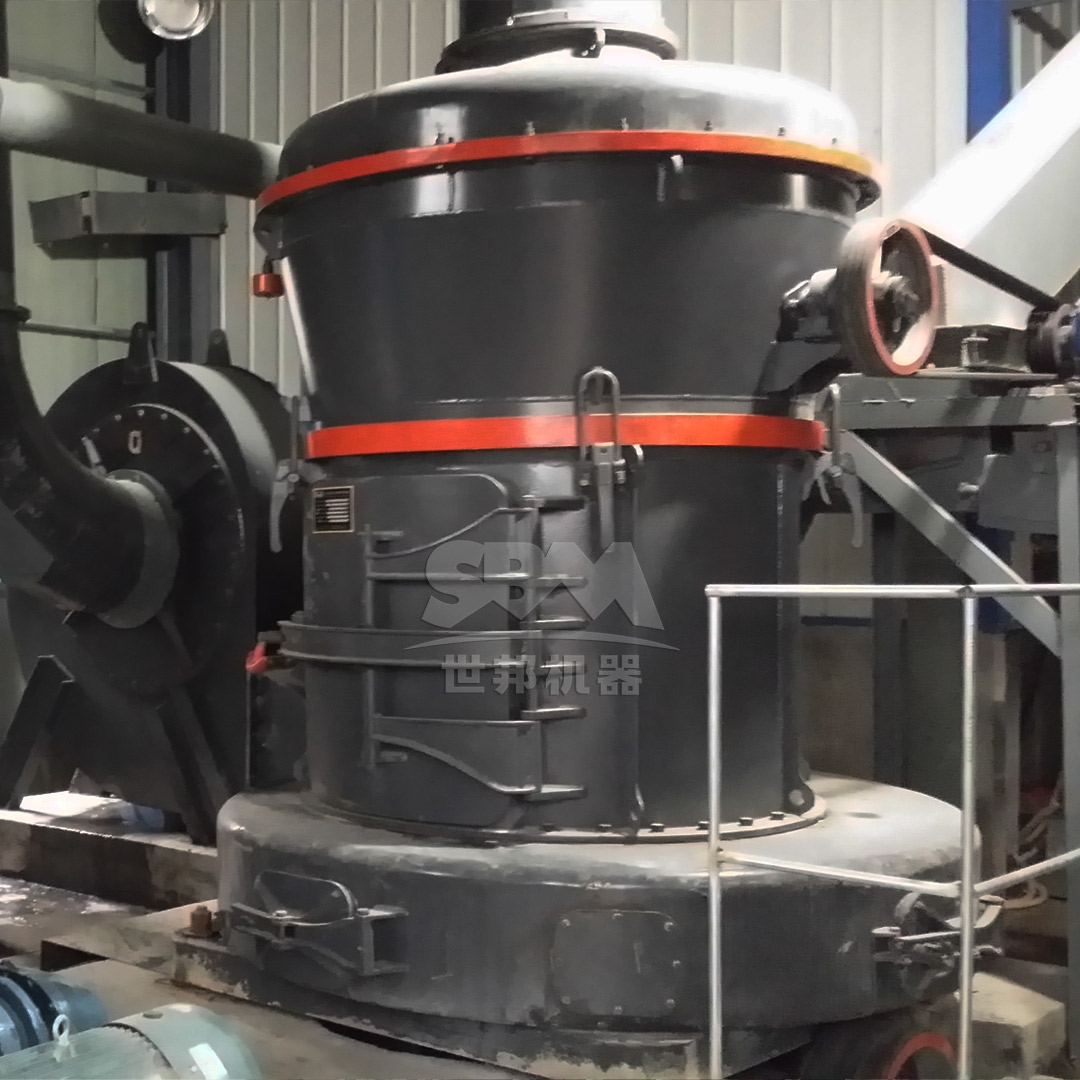
Pendulum roller mills, such as the MRN series, are widely used for grinding limestone to a fineness of 30-325 mesh. They offer a balance of low capital cost and moderate efficiency. The MRN pendulum mill features an internal classifier and a pneumatic conveying system. The MB5X98 and larger MRN218 models provide capacities suitable for mid-size flux production lines. Key advantages include simple operation, low floor space, and the ability to handle materials with up to 6%% moisture.
| Model (MRN Series) | Capacity (t/h) | Main Power (kW) | Feed Size (mm) |
| MRN158 | 7 – 21 | 132 | <40 |
| MRN218 | 15 – 45 | 280 | <50 |
For large-scale metallurgical flux operations demanding high capacity, low energy consumption, and precise particle size control, advanced European trapezium mills and ultrafine grinding mills are the optimal choices. These machines incorporate the latest grinding technology, including integral gear drives, automatic lubrication, and high-efficiency classifiers.
The MTW series mill is designed for high-capacity grinding of non-metallic minerals like limestone. It features an integral bevel gear drive system achieving transmission efficiency up to 98%%, significantly reducing energy consumption compared to traditional gearboxes. The patented anti-wear shovel design and optimized arc air duct reduce maintenance costs by up to 30%%. For metallurgical flux powder (typically 100-200 mesh), the MTW175G or MTW215G models provide capacities from 10 to 45 tons per hour, making them ideal for large steel plant flux stations.
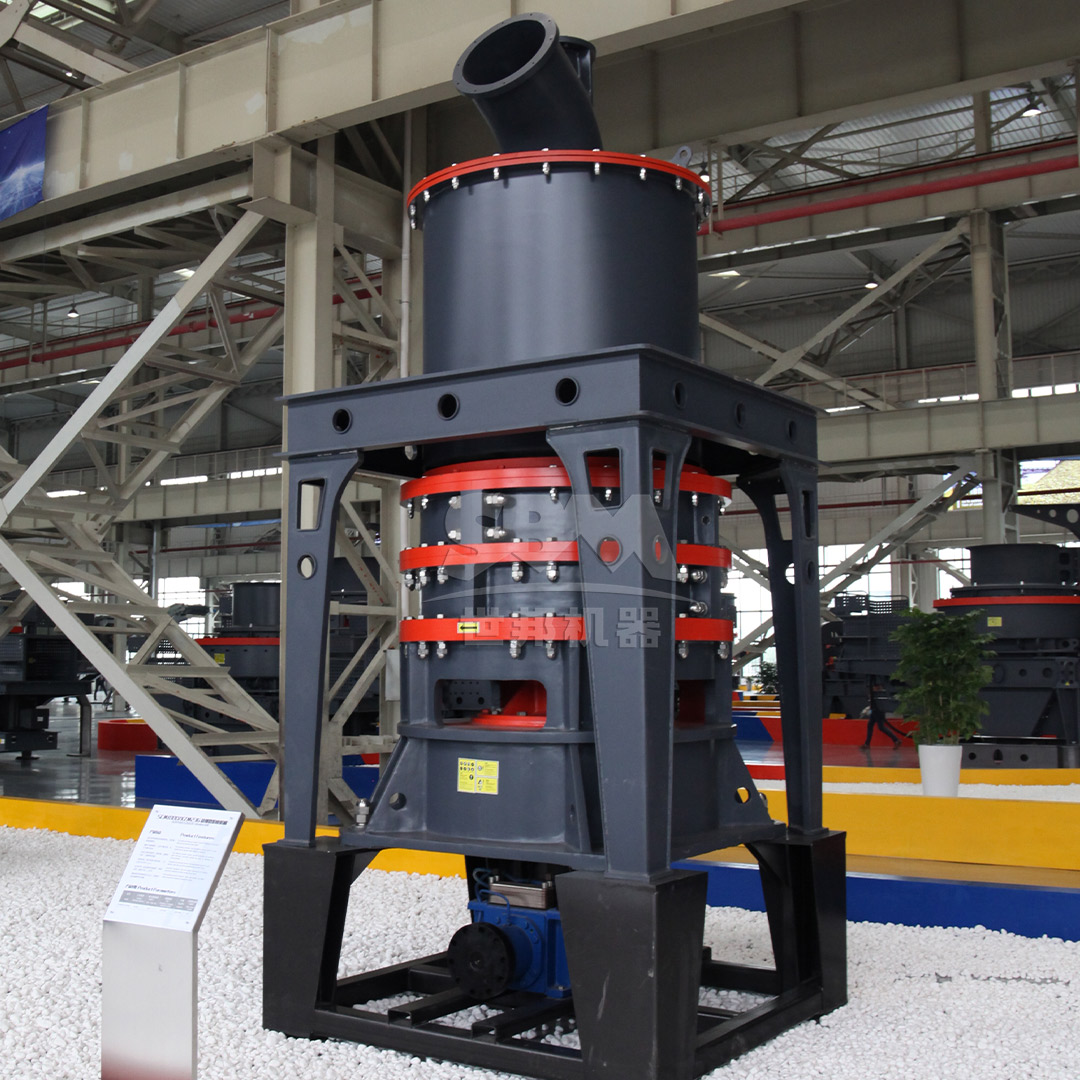
When the metallurgical process requires an ultrafine flux powder (325 mesh to 1250 mesh) for enhanced reaction kinetics or direct injection systems, the SCM series ultrafine mill is the leading choice. Its capacity is twice that of jet mills, with 30%% lower energy consumption. The vertical turbine classifier ensures precise particle size cutting with no coarse powder mixing. The shaftless screw grinding chamber and special material rollers guarantee stable long-term operation. Models like the SCM1250 and SCM1680 offer capacities up to 25 tons per hour, suitable for high-volume ultrafine flux production.
| Model (SCM Series) | Capacity (t/h) | Fineness (mesh) | Main Power (kW) |
| SCM1250 | 2.5 – 14 | 325 – 2500 | 185 |
| SCM1680 | 5 – 25 | 325 – 2500 | 315 |
Recommended Product: For most metallurgical flux limestone applications requiring a fineness of 30-325 mesh with high throughput, we strongly recommend the MTW175G European Trapezium Mill. Its 160kW main motor and 200kW fan system deliver a stable 9.5-25 t/h capacity, with the lowest cost per ton in its class. For producers targeting ultrafine flux for advanced smelting technologies, the SCM1680 Ultrafine Mill offers unmatched precision and energy efficiency at capacities up to 25 t/h.
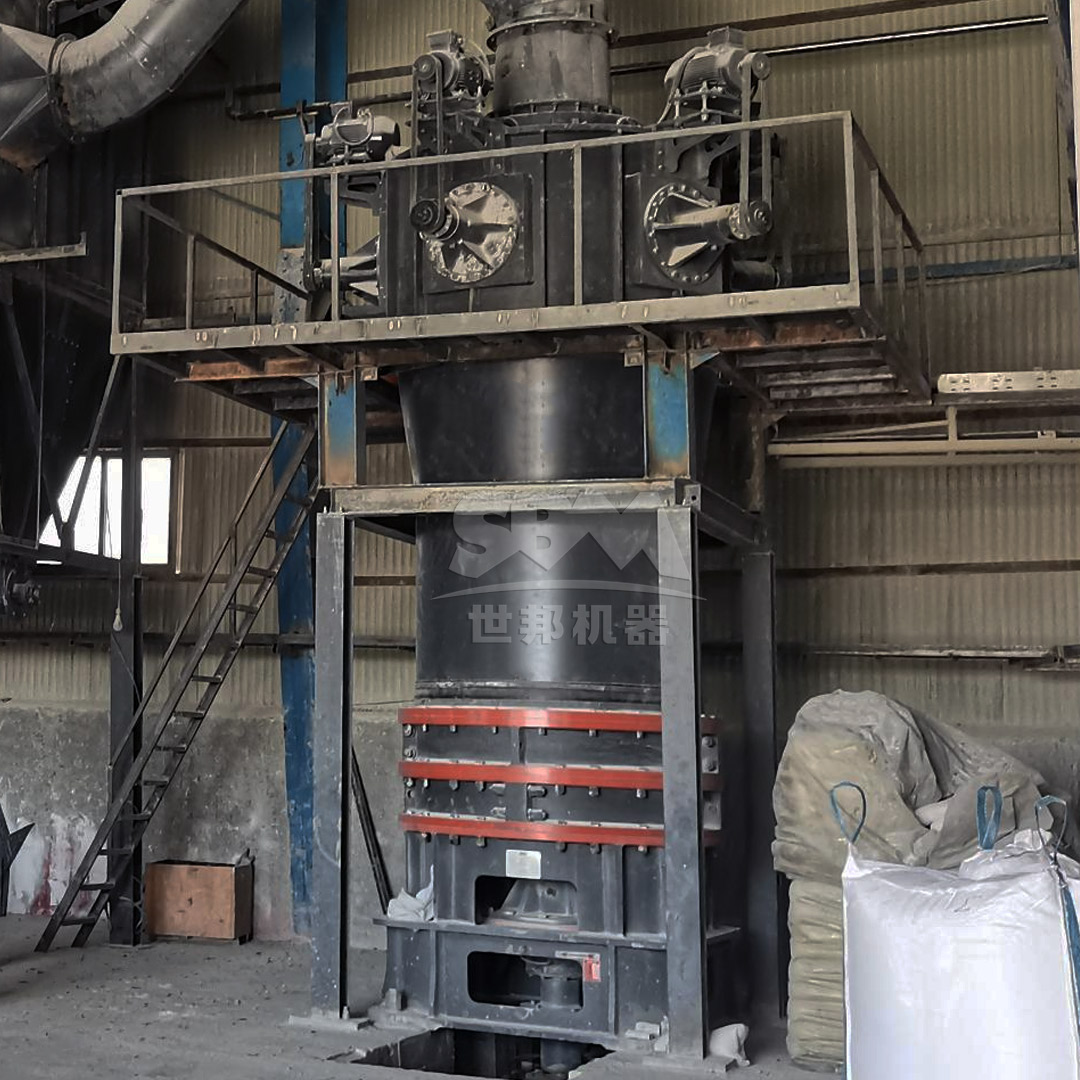
The LM series vertical roller mill represents the pinnacle of integrated grinding technology. It combines crushing, grinding, drying, and classification in a single unit, reducing floor space by 50%% and infrastructure costs by 40%%. This is particularly beneficial for greenfield flux plants. The non-contact design between the roller and table extends wear part life by 3 times, while energy consumption is 30-40%% lower than ball mill systems. The LM190K (capacity 23-68 t/h) or LM220K (capacity 36-105 t/h) are excellent choices for large-scale metallurgical flux centers.
Choosing the right grinding mill depends on several critical factors:
Metallurgical flux limestone processing is a demanding application that requires robust, efficient, and reliable equipment. From primary crushing to fine grinding, each stage must be carefully engineered to meet the strict quality standards of the steel industry. While ball mills and pendulum mills remain viable for certain applications, modern European trapezium mills (MTW series) and vertical roller mills (LM series) offer superior energy efficiency, lower operating costs, and better product quality. For ultrafine applications, the SCM series provides an unmatched combination of capacity and precision. By selecting the appropriate equipment based on specific production requirements, metallurgical plants can optimize their flux preparation process, reduce costs, and improve smelting performance.
For detailed technical consultation and equipment sizing for your specific limestone characteristics, contact our engineering team.