In the cement manufacturing industry, raw material grinding represents one of the most energy-intensive and cost-critical stages. Among the various raw materials, limestone typically accounts for 70–80% of the cement raw mix. To achieve the optimal chemical composition for clinker production, limestone must be ground to a specific fineness — and 180 mesh (approximately 0.083 mm or 83 microns) is a common target specification. This fineness ensures adequate surface area for the subsequent calcination and clinkerization reactions, while also avoiding excessive energy consumption associated with ultra-fine grinding.
Selecting the correct grinding equipment for 180-mesh limestone processing directly impacts production efficiency, product quality, operational costs, and environmental compliance. This comprehensive guide examines the key factors in choosing a mill for 180-mesh limestone cement raw material processing, with a focus on technical specifications, energy efficiency, and long-term reliability.
180 mesh corresponds to a particle size where 100% of the material passes through a 180-mesh sieve (0.083 mm opening). In cement raw meal preparation, typical fineness requirements range from 80–90% passing 200 mesh (0.074 mm), with 180 mesh serving as a practical intermediate target. The residue on a 180-mesh screen (R180) is often specified at 10–15% maximum, depending on the raw material’s burnability and the cement plant’s process design.
Particle size distribution (PSD) is equally important. A narrow PSD ensures uniform chemical reactions during clinker production, while an excessively wide distribution can lead to incomplete calcination or increased fuel consumption. Modern grinding equipment must therefore offer precise classification capabilities to meet these PSD requirements consistently.
Limestone from quarries naturally contains varying moisture levels, typically ranging from 1% to 8% depending on geological conditions and weather exposure. For dry process cement plants, the raw material must be dried and ground simultaneously. Mills equipped with hot air drying systems — such as vertical roller mills (VRMs) — can handle higher moisture content, making them ideal for challenging raw material conditions. Ball mills and pendulum mills, on the other hand, may require pre-drying or more sophisticated feeding systems when processing high-moisture limestone.
Limestone has a Mohs hardness of 3–4, making it relatively soft compared to clinker or slag. However, the presence of silica impurities, quartz veins, or chert nodules can significantly increase abrasiveness and wear on grinding components. Mills with wear-resistant materials, such as special alloy rollers and rings, are essential for maintaining consistent performance over extended operational periods.
| Mill Technology | Output Fineness Range | Capacity Range (t/h) | Feed Size | Energy Consumption |
|---|---|---|---|---|
| MTW Trapezium Mill | 30–325 mesh | 3–45 | ≤50mm | Medium |
| LM Vertical Roller Mill | 30–600 mesh | 3–250 | ≤50mm | Low |
| SCM Ultrafine Mill | 325–2500 mesh | 0.5–25 | ≤20mm | Very Low |
| Ball Mill | 0.074–0.8 mm | 0.65–450 | ≤25mm | High |
| MTM Medium-speed Mill | 45–325 mesh | 3–22 | ≤35mm | Medium |
While 180 mesh falls within the operating range of multiple mill types, the optimal choice depends on capacity requirements, energy costs, maintenance capabilities, and specific quality targets. The following sections provide detailed analysis of the most suitable technologies for this application.
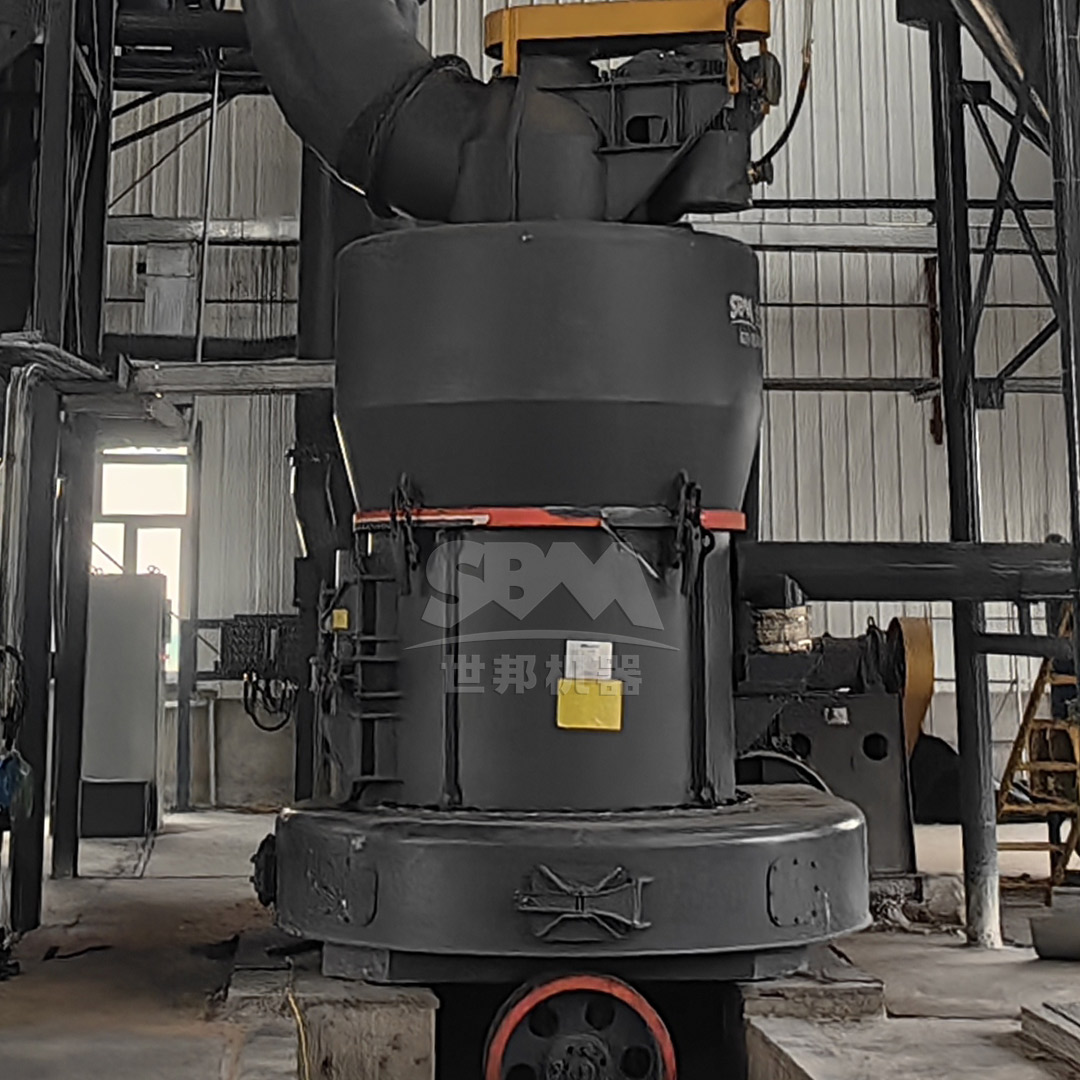
The MTW series European Trapezium Mill is engineered for processing non-metallic minerals with Mohs hardness below 9, making it an excellent choice for limestone grinding in cement raw material preparation. With an output fineness range of 30–325 mesh (600–45 μm), the MTW mill comfortably covers the 180-mesh target while offering flexible adjustment for varying production requirements.
Anti-wear Shovel Design: The combined shovel blade design extends component service life by 30% compared to conventional shovels. This is particularly beneficial when processing limestone with silica impurities that accelerate wear.
Optimized Arc Air Duct: The curved air duct design reduces airflow resistance by 15–20%, improving classification efficiency and reducing fan power consumption. This translates directly to lower specific energy consumption per ton of 180-mesh finished product.
Integral Bevel Gear Drive: With transmission efficiency reaching 98%, the integral gear system minimizes energy losses. For a cement plant processing 20 tons per hour of limestone, this efficiency gain can save over 10,000 kWh annually compared to conventional gear drives.
Wear-resistant Volute Structure: The non-resistance flow design of the volute housing reduces maintenance cycles by 30%, which is critical for continuous cement production operations.
Recommended Product Showcase: For medium-capacity cement raw material grinding requiring 180-mesh fineness, the MTW138Z (capacity 6–17 t/h, main power 90kW) or the MTW175G (capacity 9.5–25 t/h, main power 160kW) offer the optimal balance of efficiency, capacity, and operational cost. These models incorporate all patented technologies including internal suction oil lubrication and internationally advanced pulse dust removal systems.
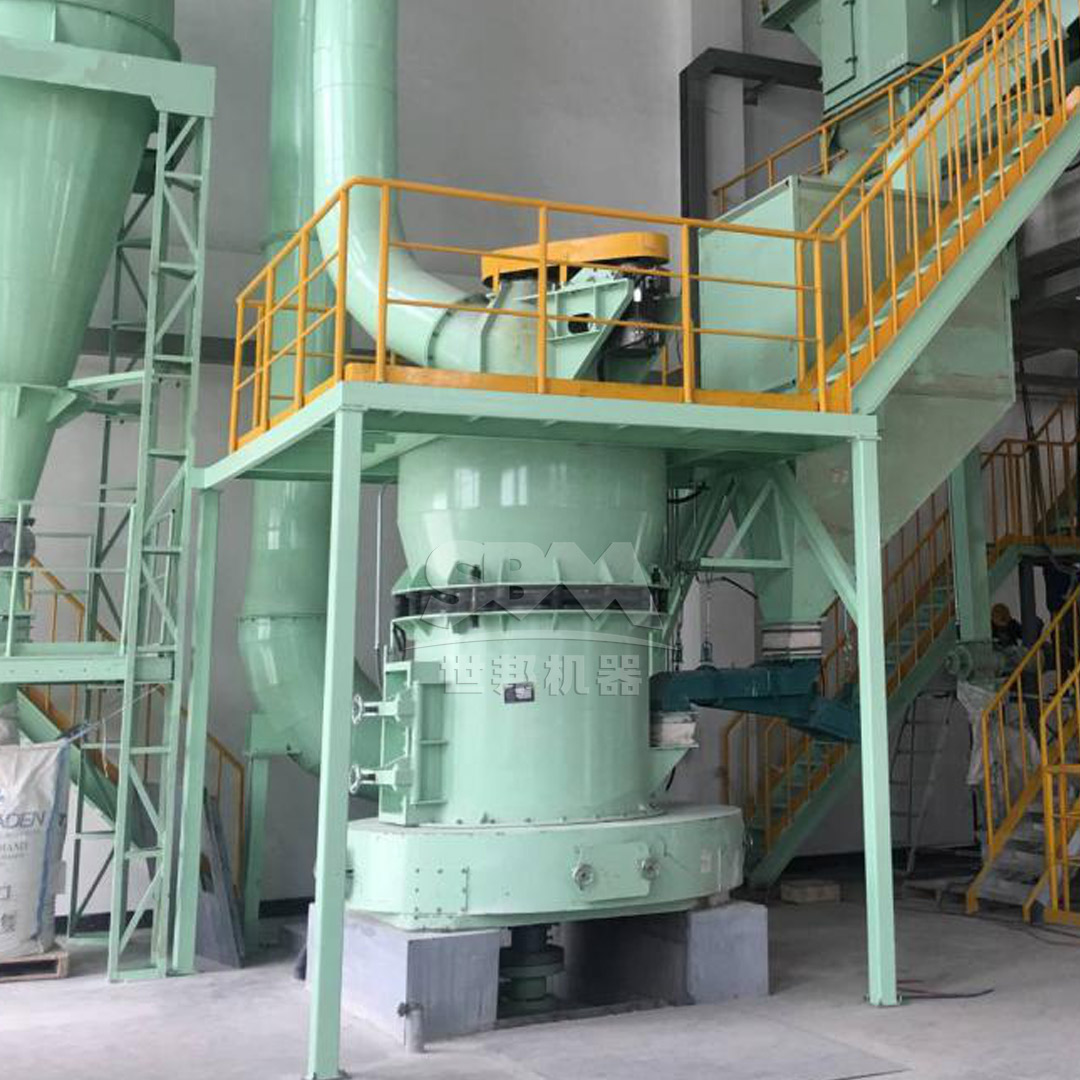
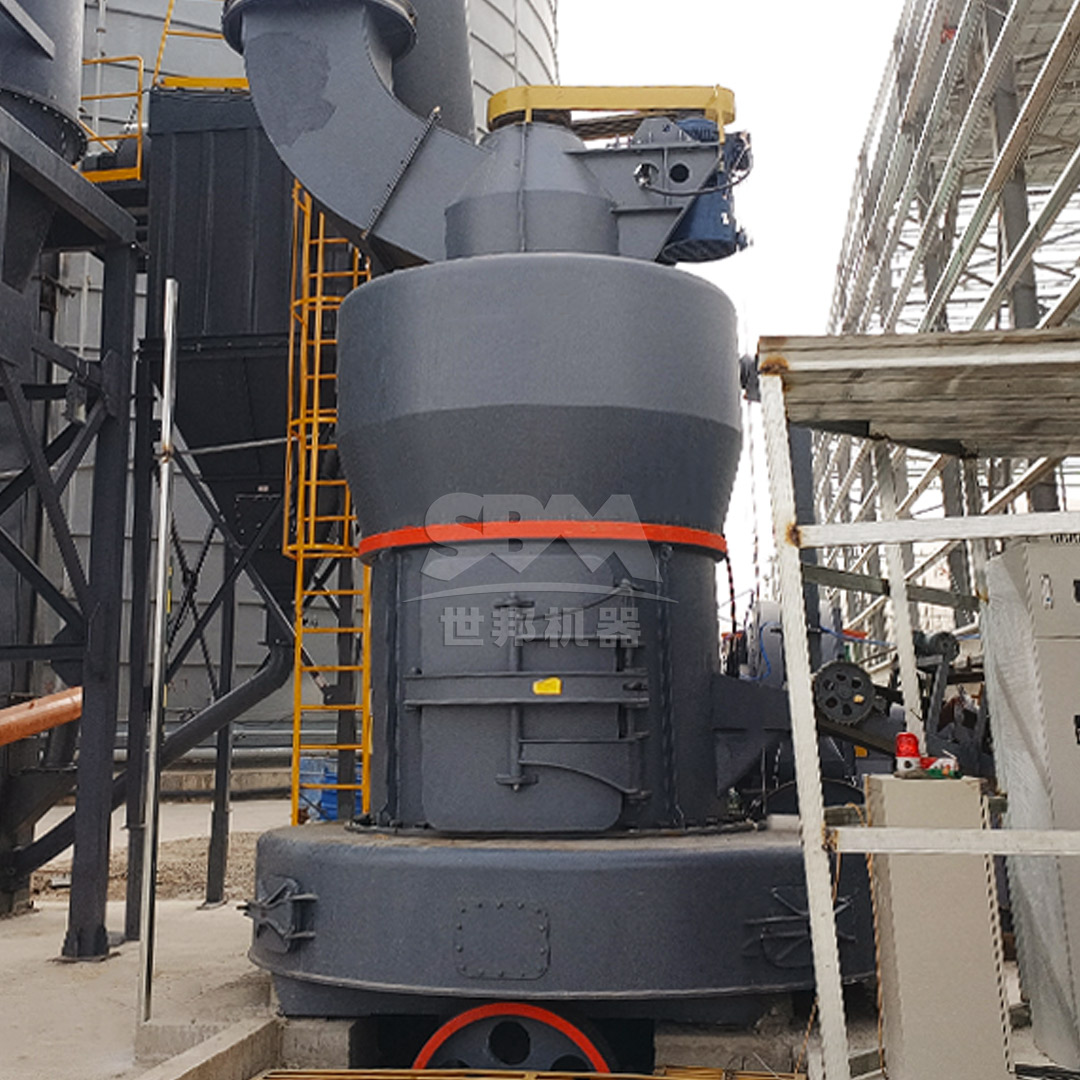
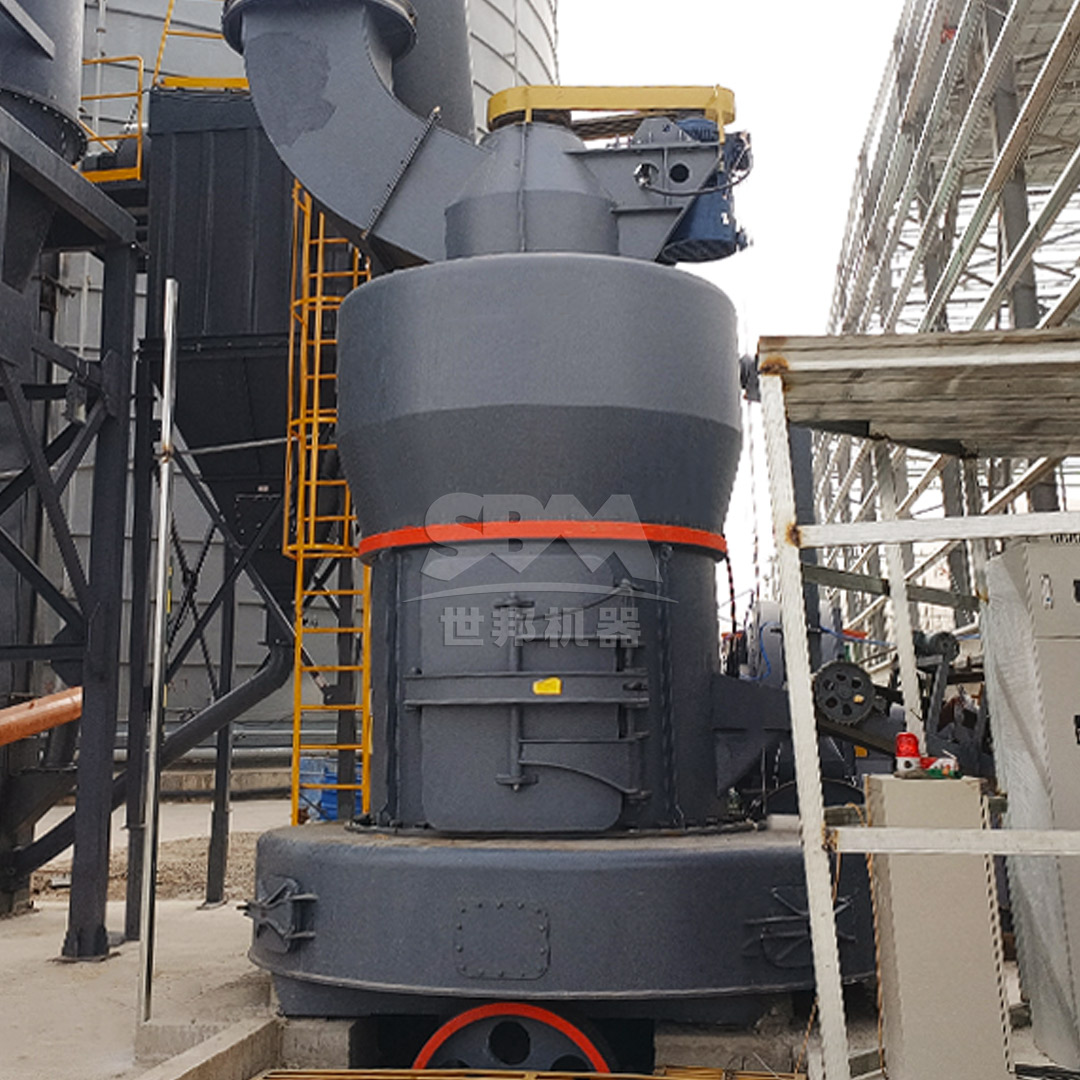
For cement plants requiring large-scale limestone processing, the LM Series Vertical Roller Mill represents the state of the art in grinding efficiency. With capacities ranging from 3 to 250 ton/h and fineness capabilities up to 600 mesh, LM mills are particularly well-suited for 180-mesh raw meal preparation at industrial scale.
Integrated Design: The LM mill combines crushing, grinding, drying, and classification in a single unit. This integration reduces floor space requirements by 50% compared to ball mill systems and allows outdoor installation, reducing infrastructure costs by up to 40%. For a 5,000 ton/day cement plant, this translates into significant capital expenditure savings.
Low Operating Cost: The non-contact design between rollers and grinding table means no metal-to-metal contact during operation. This extends wear part lifespan by 3 times compared to traditional grinding systems. Energy consumption is 30–40% lower than ball mill systems — for a plant processing 100 t/h of limestone, annual energy savings can exceed 2 million kWh.
Intelligent Control System: Expert-level auto-control with remote monitoring capabilities allows real-time adjustment of separator speed and mill pressure to maintain consistent 180-mesh product quality. The system supports both local and remote operation, reducing manual intervention and human error.
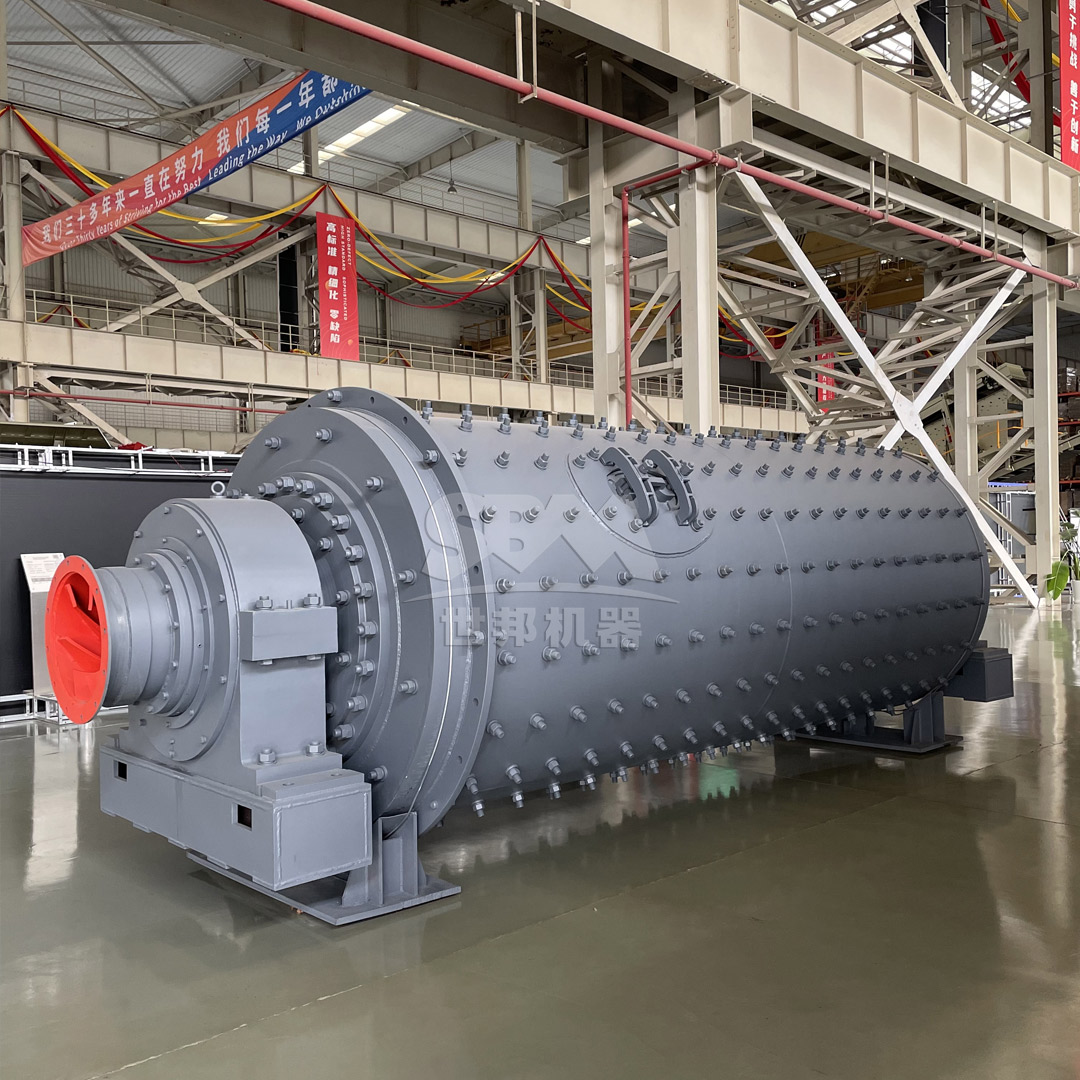
The Ball Mill remains a widely used solution for cement raw material grinding due to its robust design and proven reliability. With output fineness ranging from 0.074 to 0.8 mm, ball mills can achieve 180-mesh (0.083 mm) particle sizes effectively.
Advantages: Ball mills offer the highest crushing ratio (up to 300:1), continuous fineness adjustment, and reliable operation with minimal downtime. They can operate in both dry and wet modes, providing flexibility for different process requirements.
Limitations: Energy consumption is 30–50% higher than VRM systems, and the grinding media (steel balls) require periodic replacement. The noise level during operation is also significantly higher, necessitating additional soundproofing measures.
For plants that already have ball mill infrastructure or require wet grinding capabilities, models such as the GMQY3660 (volume 62.7 m³, capacity 280–34 t/h, power 1250kW) or the GMQY3685 (volume 73.4 m³, capacity 400–45 t/h, power 1500kW) provide the large-scale capacity needed for cement raw material processing.
While 180 mesh (approximately 0.083 mm) is coarser than the SCM series’ primary range of 325–2500 mesh (45–5 μm), the SCM Ultrafine Mill offers unique advantages when cement raw material specifications demand tighter particle size control or when processing requires high-precision classification.
Core Parameters: Input size up to 20mm, capacity 0.5–25 t/h, fineness 325–2500 mesh. For cement plants producing specialized cements or those requiring raw meal with extremely narrow PSD, the SCM series provides capacity 2 times that of jet mills with 30% lower energy consumption. The vertical turbine classifier ensures precise particle size cutting with no coarse powder mixing, guaranteeing uniform finished products.
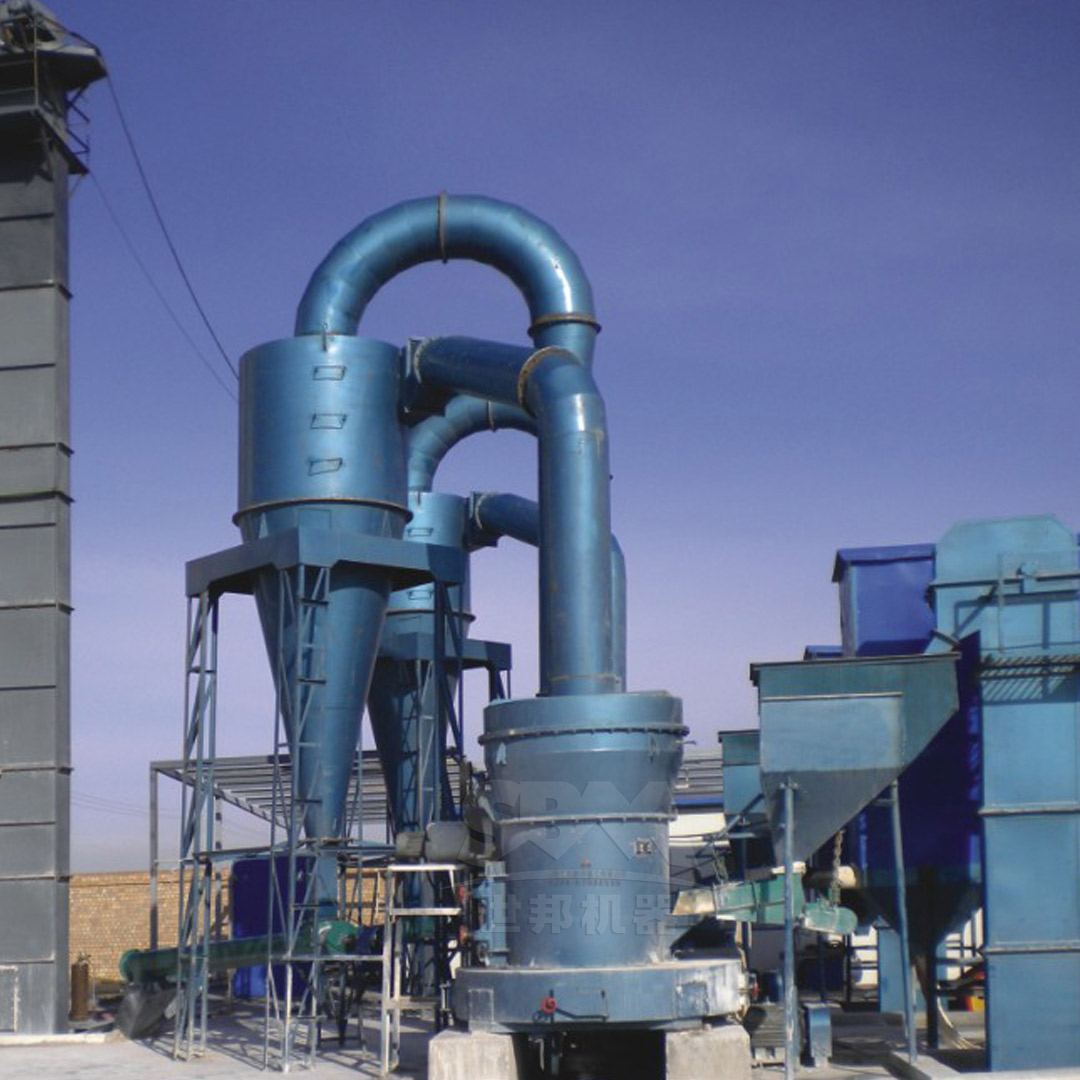
Small to medium cement plants (500–2,000 t/d clinker) typically require raw mill capacities of 10–50 t/h, making MTW trapezium mills or smaller LM vertical mills ideal choices. Large plants (5,000–12,000 t/d clinker) with raw mill requirements exceeding 100 t/h will benefit from the LM series’ high-capacity capabilities.
With energy representing up to 40% of cement production costs, mill efficiency directly impacts profitability. LM vertical roller mills offer the lowest specific energy consumption (15–25 kWh/t for raw material grinding), while ball mills consume 25–35 kWh/t. MTW trapezium mills fall in between at 20–30 kWh/t, making them competitive for operations where capital investment constraints limit VRM adoption.
Cement plants in remote locations may prioritize mills with simpler maintenance requirements and readily available spare parts. Ball mills and MTW mills have well-established supply chains worldwide, while VRM maintenance requires specialized expertise for roller and table replacement. The modular design of modern LM mills, including quick-change roller assembly systems, addresses this concern effectively.
All modern mills can achieve dust emission levels below 30 mg/Nm³ when equipped with appropriate pulse dust collection systems. However, VRM and MTW mills operate under negative pressure with fully sealed systems, reducing fugitive dust emissions. Noise levels in LM mills are also significantly lower — below 85 dB(A) for the mill body — compared to 95–105 dB(A) for ball mills.
Based on comprehensive analysis of grinding requirements, operational efficiency, and total cost of ownership, the following products are recommended for 180-mesh limestone cement raw material processing:
For Medium-Capacity Plants (10–25 t/h): MTW175G European Trapezium Mill — This model offers an outstanding balance of capacity (9.5–25 t/h), energy efficiency (main power 160kW), and fineness control (10–325 mesh). The integral bevel gear drive (98% efficiency) and anti-wear shovel design ensure reliable operation with minimal maintenance. The built-in pulse dust removal system meets international environmental standards.
For High-Capacity Plants (40–100+ t/h): LM220K or LM280K Vertical Roller Mill — These models deliver unmatched efficiency with 30–40% lower energy consumption than ball mills. The intelligent control system automatically adjusts grinding pressure and classifier speed to maintain consistent 180-mesh product quality. Outdoor installation capability reduces civil engineering costs by 40%.
For Special Applications Requiring Precise Classification: SCM1250 or SCM1680 Ultrafine Mill — When cement specifications demand extremely uniform particle size distribution or when processing particularly abrasive limestone, these models provide 2x the capacity of jet mills with 30% lower energy consumption. The vertical turbine classifier ensures zero coarse powder contamination.
Selecting the right mill for 180-mesh limestone cement raw material processing is a strategic decision that impacts plant profitability, product quality, and environmental compliance for decades. The choice between MTW trapezium mills, LM vertical roller mills, SCM ultrafine mills, and ball mills depends on capacity requirements, energy costs, maintenance capabilities, and specific quality targets.
Modern grinding technology has evolved to offer solutions that combine high efficiency, precision classification, and environmental friendliness. The recommended products from our company — the MTW175G for medium capacity, the LM220K/LM280K for large-scale operations, and the SCM1250/SCM1680 for precision applications — represent the cutting edge of grinding technology, backed by decades of engineering expertise and thousands of successful installations worldwide.
For cement producers seeking to optimize their raw material preparation process, investing in the appropriate grinding technology for 180-mesh limestone processing is not merely an operational decision — it is a competitive advantage that pays dividends through lower energy costs, higher product quality, and reduced environmental impact for the entire lifecycle of the cement plant.
Contact our technical team for a personalized mill selection recommendation based on your specific limestone characteristics, capacity requirements, and operational conditions.