Attapulgite, also known as palygorskite, is a naturally occurring hydrated magnesium aluminum silicate mineral with a unique needle-like or fibrous crystal structure. This distinctive morphology gives attapulgite exceptional properties that make it highly valuable as a functional filler in plastic products. When properly processed, attapulgite can significantly enhance the mechanical properties, thermal stability, and dimensional stability of various plastic composites, including polypropylene (PP), polyethylene (PE), polyvinyl chloride (PVC), and polyamide (PA).
The growing demand for high-performance plastic products across automotive, construction, packaging, and electrical industries has driven increased interest in attapulgite as a cost-effective and functional mineral filler. However, raw attapulgite requires careful processing—particularly grinding and classification—to achieve the optimal particle size distribution, aspect ratio, and surface characteristics necessary for effective reinforcement in plastic matrices.
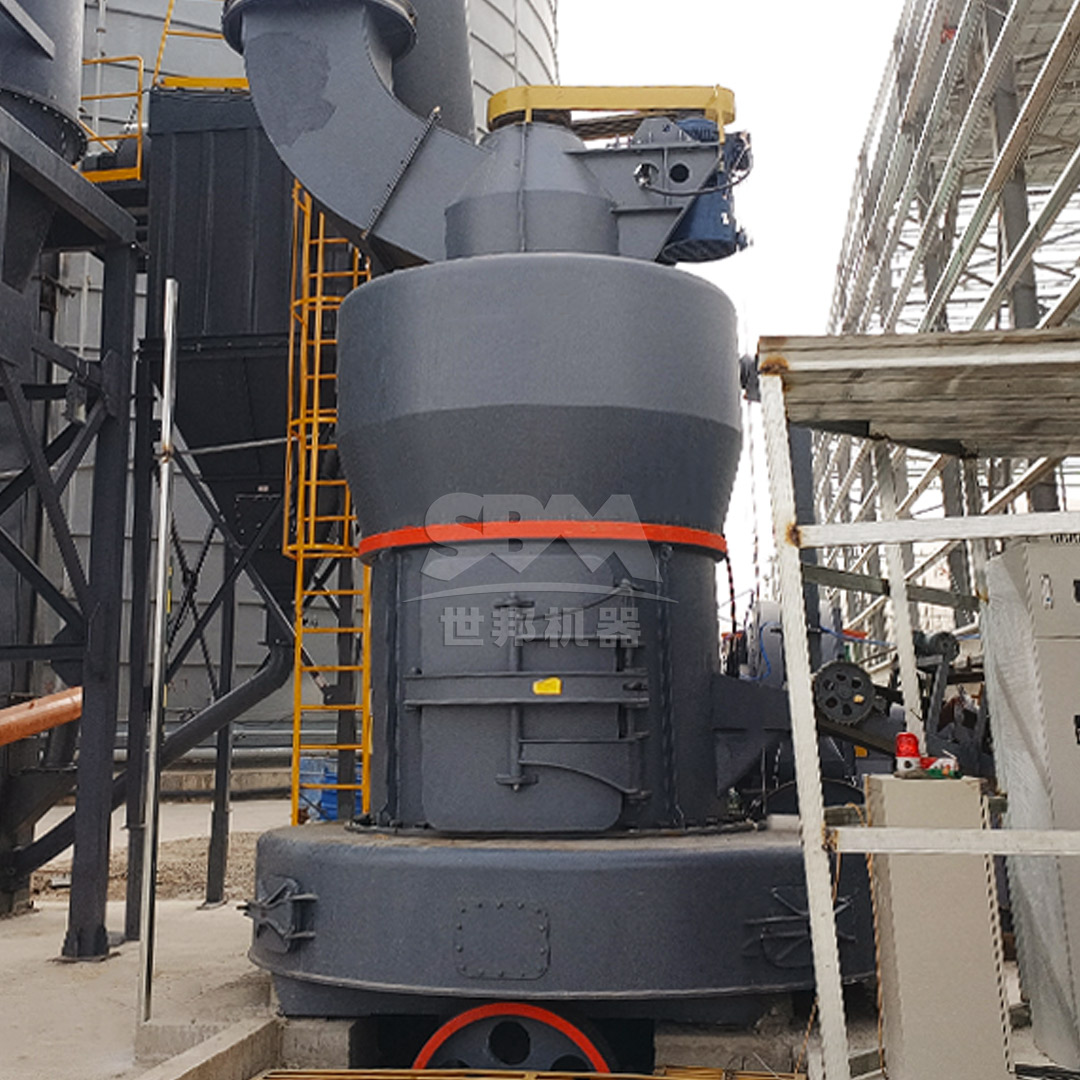
The selection of appropriate grinding equipment is perhaps the most critical decision in establishing an efficient attapulgite processing operation. Unlike many other mineral fillers, attapulgite presents unique processing challenges due to its fibrous morphology. Improper grinding can destroy the needle-like structure that provides reinforcement benefits, while inadequate classification can result in inconsistent particle size distribution that negatively impacts plastic product quality.
Key considerations when selecting grinding equipment for attapulgite filler production include:
Attapulgite filler for plastic products typically requires specific processing parameters to achieve optimal performance. The typical specifications for attapulgite fillers used in different plastic applications include:
| Application | Target Fineness (mesh) | Particle Size (μm) | Key Requirements |
|---|---|---|---|
| PP Composites | 400-800 | 15-38 | High aspect ratio, good dispersion |
| PE Films | 325-625 | 20-45 | Low moisture, narrow PSD |
| PVC Products | 325-1250 | 10-45 | Consistent quality, low oil absorption |
| Engineering Plastics | 800-1250 | 10-18 | Ultrafine, surface treated |
| Automotive Plastics | 600-1250 | 10-25 | High purity, thermal stability |
Before selecting grinding equipment, it is essential to characterize the raw attapulgite material, including its initial particle size, moisture content, hardness, and intended application. This information forms the basis for determining the appropriate mill type, configuration, and processing parameters.
For high-value plastic applications requiring ultrafine attapulgite fillers, ultrafine grinding mills represent the optimal choice. These mills can achieve fineness levels of 325-2500 mesh while maintaining the fibrous structure of attapulgite through gentle grinding mechanisms.
The SCM Series Ultrafine Mill is an excellent choice for processing attapulgite filler for premium plastic products. With its innovative design featuring three layers of grinding rings and a vertical turbine classifier, this mill achieves precise particle size cutting with no coarse powder mixing. The capacity of this mill is twice that of jet mills with 30% lower energy consumption, making it highly cost-effective for large-scale attapulgite production.
Key advantages of the SCM Series for attapulgite processing include:
| Model | Capacity (t/h) | Main Power (kW) | Feed Size (mm) | Fineness (mesh) |
|---|---|---|---|---|
| SCM800 | 0.5-4.5 | 75 | 0-20 | 325-2500 |
| SCM900 | 0.8-6.5 | 90 | 0-20 | 325-2500 |
| SCM1000 | 1.0-8.5 | 132 | 0-20 | 325-2500 |
| SCM1250 | 2.5-14 | 185 | 0-20 | 325-2500 |
| SCM1680 | 5.0-25 | 315 | 0-20 | 325-2500 |
For medium to large-scale attapulgite processing operations requiring fineness levels between 30-325 mesh, the MTW Series European Trapezium Mill offers an excellent balance of capacity, efficiency, and product quality. This mill is particularly well-suited for producing attapulgite fillers for general plastic applications where ultrafine particles are not required.
The MTW Series features several technical innovations that benefit attapulgite processing:
With capacities ranging from 3-45 t/h depending on the model, the MTW Series can accommodate various production scales. The fineness range of 10-325 mesh makes it ideal for producing standard attapulgite fillers for PVC, PE, and general-purpose plastic composites.
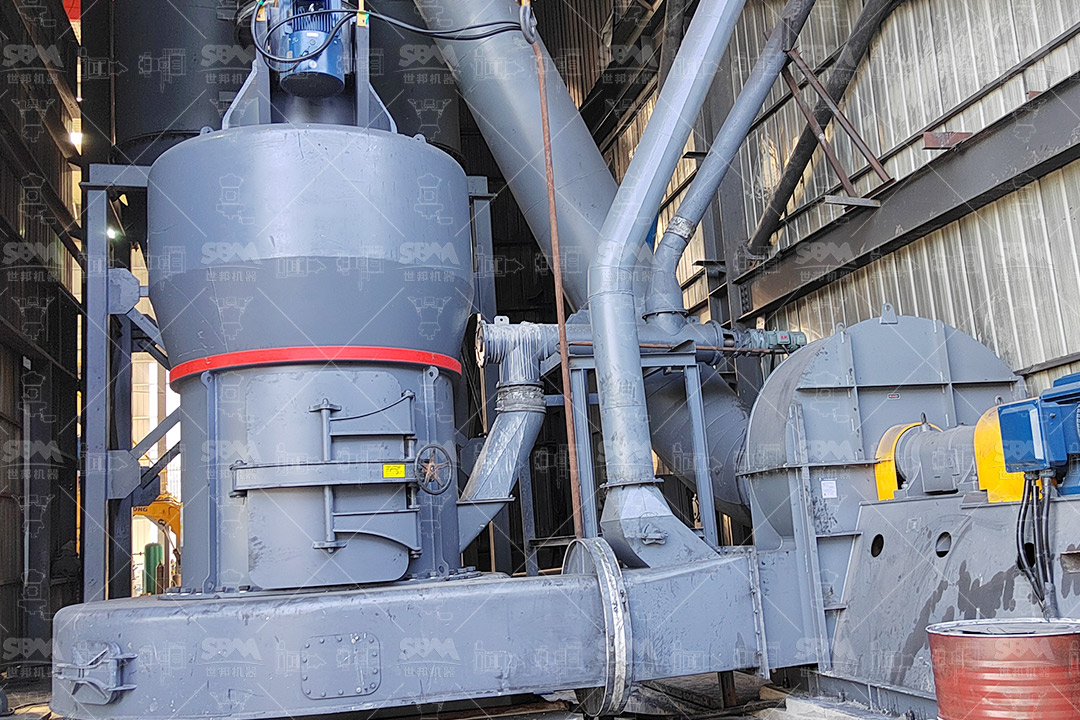
For very large-scale attapulgite processing operations, the LM Series Vertical Roller Mill offers unmatched capacity with models capable of processing up to 250 tons per hour. This mill type integrates crushing, grinding, and classification into a single compact unit, reducing floor space by up to 50% compared to traditional grinding systems.
The LM Series is particularly advantageous for attapulgite processing due to:
For specialized ultrafine applications, the LUM Ultrafine Vertical Roller Mill combines the benefits of vertical mill technology with the ability to produce fineness levels up to 2500 mesh, making it suitable for high-end plastic applications requiring premium attapulgite fillers.
The MTM Series Medium-speed Trapezium Mill provides another option for attapulgite processing, with capacities ranging from 3-22 t/h and fineness capabilities of 45-325 mesh. This mill features intelligent pressure regulation that automatically compensates for roller wear, extending roller and ring life by 30%.
The MTM Series is well-suited for medium-scale attapulgite processing operations, offering a balance of capacity, fineness control, and operational reliability. The innovative roller assembly with horizontal pull-rod connection protects main shaft bearings, while the radial force design handles large materials effectively.
Selecting the right grinding mill for attapulgite filler production requires careful consideration of multiple factors. The following table provides a comparison of the main mill types suitable for this application:
| Mill Type | Fineness Range | Capacity Range | Best For | Key Advantage |
|---|---|---|---|---|
| SCM Ultrafine Mill | 325-2500 mesh | 0.5-25 t/h | Ultrafine plastic fillers | Precise classification, high efficiency |
| LUM Ultrafine Vertical Mill | 325-2500 mesh | 1.6-15 t/h | Premium ultrafine fillers | Multi-rotor classifying technology |
| MTW European Trapezium Mill | 10-325 mesh | 3-45 t/h | General plastic fillers | High capacity, durable design |
| LM Vertical Roller Mill | 30-325 mesh | 3-250 t/h | Large-scale production | Integrated design, low operating cost |
| MTM Medium-speed Mill | 45-325 mesh | 3-22 t/h | Medium-scale production | Intelligent pressure regulation |
The target particle size distribution is the primary factor determining mill selection. For plastic applications requiring ultrafine fillers (< 325 mesh), ultrafine grinding mills such as the SCM Series are necessary. For standard applications (325-400 mesh), trapezium mills or vertical roller mills may be appropriate.
Matching mill capacity to production requirements ensures economic operation. Small-scale operations may be well-served by the SCM800 or MTW110 models, while large-scale production facilities may require the SCM1680 or LM series mills with capacities exceeding 100 t/h.
For plastic applications demanding consistent particle size distribution and high aspect ratio preservation, mills with advanced classification systems (such as the SCM Series with its vertical turbine classifier) are preferred. These ensure no coarse powder mixing and uniform finished products.
Energy consumption represents a significant portion of attapulgite processing costs. Mills with high efficiency and low energy consumption, such as the SCM Series (30% lower energy than jet mills) and LM Series (30-40% lower than ball mills), provide substantial long-term savings.
Modern attapulgite processing requires effective dust control and noise reduction. Mills equipped with advanced pulse dust collection systems and soundproof designs, such as the SCM and LM Series, ensure compliance with environmental regulations while protecting worker health.
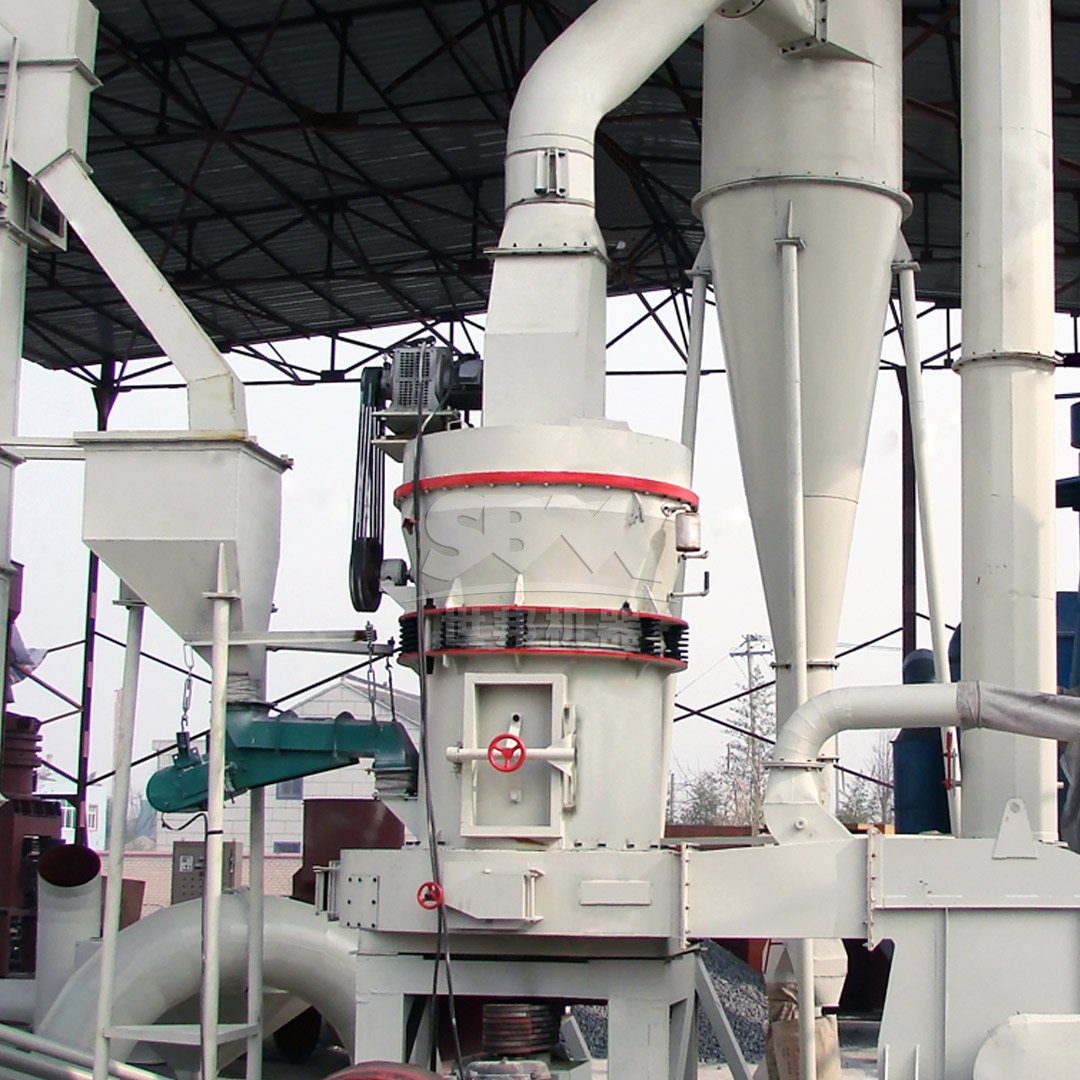
Based on our extensive experience in mineral processing and the specific requirements of attapulgite for plastic filler applications, we recommend the following equipment configurations:
The SCM Series Ultrafine Mill is the optimal choice for producing high-quality ultrafine attapulgite fillers for premium plastic applications. Its advanced classification system ensures precise particle size control, while the special material rollers and rings maintain the fibrous structure essential for reinforcement. The intelligent control system with automatic granularity feedback guarantees consistent product quality.
Recommended models:
The MTW Series European Trapezium Mill offers excellent value for producing standard attapulgite fillers for general plastic applications. With capacities up to 45 t/h and fineness capabilities of 10-325 mesh, this mill provides the flexibility and reliability required for consistent filler production.
Recommended models:
Selecting the appropriate grinding equipment for attapulgite filler production is a critical decision that directly impacts product quality, operational efficiency, and profitability. The unique fibrous morphology of attapulgite requires careful consideration of mill type, classification system, and processing parameters to achieve optimal results.
For plastic applications requiring ultrafine fillers, the SCM Series Ultrafine Mill provides superior performance with precise particle size control and high energy efficiency. For standard filler applications, the MTW Series European Trapezium Mill offers an excellent combination of capacity, reliability, and product quality.
We recommend conducting thorough material testing and consulting with equipment specialists to determine the optimal configuration for your specific attapulgite source and target plastic applications. With the right grinding equipment and processing parameters, attapulgite can provide significant performance and cost benefits in plastic products across diverse industries.
For more information about our grinding mills and to discuss your specific attapulgite processing requirements, please contact our technical team. We are committed to helping you achieve optimal results in attapulgite filler production for plastic applications.