Attapulgite, also known as palygorskite, is a naturally occurring hydrated magnesium aluminum silicate clay mineral with a unique chain-like crystal structure. This distinctive needle-like morphology gives attapulgite exceptional properties that make it highly valuable as a functional filler in rubber compounds. When incorporated into rubber formulations, attapulgite enhances mechanical strength, improves thermal stability, increases resistance to aging, and can even contribute to flame retardancy. The rubber industry has increasingly turned to attapulgite as a cost-effective and high-performance alternative to traditional fillers such as carbon black and silica.
However, the performance of attapulgite as a rubber filler depends heavily on its particle size distribution, surface characteristics, and degree of dispersion within the rubber matrix. To achieve optimal reinforcement, the raw attapulgite must be processed into fine or ultrafine powders with controlled particle size distributions. This is where the selection of appropriate grinding equipment becomes critically important. The wrong mill can lead to inadequate fineness, excessive contamination, high energy costs, or inconsistent product quality—all of which compromise the final rubber product’s performance.
Attapulgite possesses a Mohs hardness of approximately 2-3, making it relatively soft compared to many other industrial minerals. Its fibrous or needle-like crystal habit, however, presents unique challenges during grinding. The fibrous structure can entangle and agglomerate, requiring grinding equipment capable of efficient de-agglomeration and dispersion. Additionally, excessive grinding force can destroy the fibrous morphology, reducing the aspect ratio and diminishing the reinforcing effect in rubber compounds.
Raw attapulgite typically contains significant moisture, often ranging from 15% to 25%. While some moisture can be removed through pre-drying, the grinding process itself may need to accommodate residual moisture. Furthermore, attapulgite can undergo structural changes at elevated temperatures, so grinding systems that generate excessive heat may alter the mineral’s properties. This consideration influences the choice between dry and wet grinding methods, as well as the need for integrated drying capabilities.
For rubber filler applications, attapulgite is typically ground to fineness levels ranging from 200 mesh to 1250 mesh, depending on the specific rubber product and desired reinforcement level. Ultrafine grades (typically 800-2500 mesh) are preferred for high-performance rubber compounds where maximum reinforcement and uniform dispersion are required. The ability to achieve and consistently maintain these fineness levels is a primary criterion in mill selection.
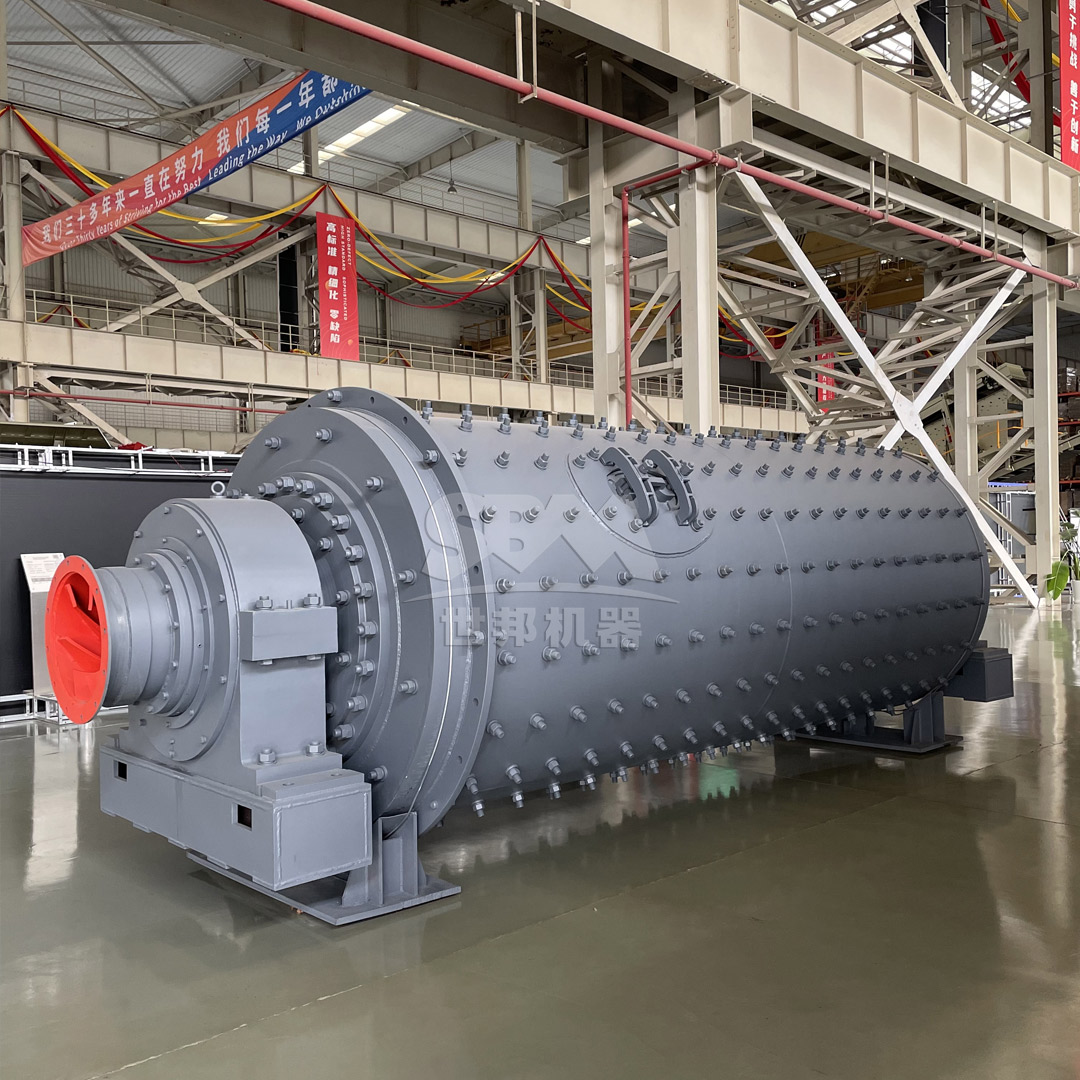
The required fineness for rubber filler applications dictates the type of mill that should be employed. Coarse grinding (below 200 mesh) can be accomplished with relatively simple equipment such as hammer mills or ball mills. However, for fine and ultrafine grinding (325-2500 mesh), more sophisticated equipment such as ultrafine mills, vertical roller mills, or jet mills is necessary. Beyond average particle size, the particle size distribution is equally important. A narrow distribution ensures consistent performance in the rubber compound, while a wide distribution may lead to inconsistent reinforcement and processing difficulties.
Production scale varies widely in the attapulgite processing industry, from small specialty operations to large-scale industrial production. The selected mill must match the required throughput. Undersized equipment leads to bottlenecks and excessive wear, while oversized equipment represents unnecessary capital investment and energy waste. It is essential to consider not only current production needs but also potential future expansion.
Grinding is an energy-intensive process, and energy costs can constitute a significant portion of total production costs. The energy efficiency of different mill types varies considerably. For instance, vertical roller mills and ultrafine mills with advanced classification systems can achieve higher energy efficiency compared to traditional ball mills. Additionally, wear part consumption, maintenance requirements, and downtime all contribute to operating costs and should be carefully evaluated.
For rubber filler applications, contamination from grinding media or equipment wear can adversely affect the rubber compound’s properties. Mills that employ metal grinding media (such as ball mills) may introduce iron contamination, which can catalyze rubber degradation. Mills with minimal metal-to-material contact, such as those using ceramic liners, or those that rely on inter-particle attrition (such as jet mills), may be preferred for high-purity applications. Alternatively, magnetic separation can be integrated into the processing line to remove iron contaminants.
Many modern grinding systems integrate drying and classification functions, which can simplify the processing line and reduce capital costs. For attapulgite processing, the ability to handle material with residual moisture and simultaneously produce a precisely classified product is highly advantageous. Systems that combine grinding, drying, and classification in a single unit reduce material handling, minimize dust emissions, and improve overall process efficiency.
Attapulgite processing generates significant dust, which poses health hazards to workers and environmental risks if not properly controlled. The selected grinding mill should be compatible with effective dust collection systems, such as pulse bag filters or cyclone separators. Negative pressure operation, sealed systems, and proper ventilation are essential features to look for. Compliance with local and international environmental regulations is non-negotiable and should be a primary consideration in equipment selection.
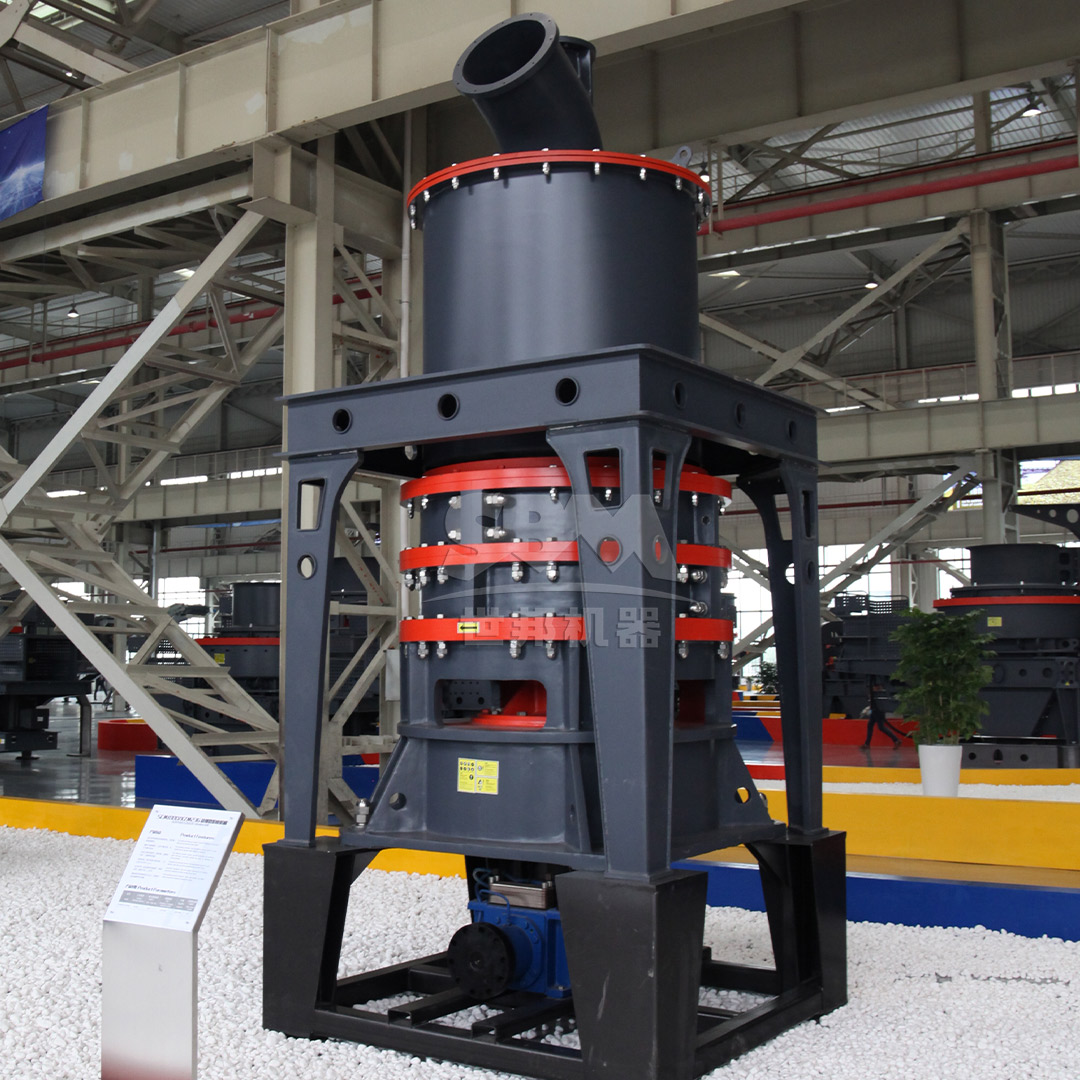
For attapulgite processing targeting rubber filler applications, the SCM Series Ultrafine Mill represents an exceptional choice. This equipment is specifically designed for ultrafine grinding and delivers outstanding performance for producing high-quality attapulgite powder in the 325-2500 mesh range—precisely the fineness required for premium rubber filler applications.
High Efficiency and Energy Savings: The SCM Series offers capacity that is twice that of conventional jet mills while consuming 30% less energy. This translates directly to lower production costs and a smaller carbon footprint. The intelligent control system with automatic finished product granularity feedback ensures consistent output quality without constant operator intervention.
Precision Classification: The vertical turbine classifier achieves precise particle size cutting, ensuring no coarse powder mixing and delivering uniform finished products. For rubber filler applications, this uniformity is critical to achieving consistent reinforcement and mechanical properties in the final rubber compound.
Durable and Reliable Design: Special material rollers and rings extend service life several times over compared to standard components. The shaftless screw grinding chamber ensures stable operation, reducing downtime and maintenance costs. This durability is especially important when processing attapulgite, which, despite its relatively low hardness, can still cause wear over time.
Environmental Compliance: The pulse dust collection system exceeds international standards, ensuring a clean working environment and compliance with environmental regulations. The soundproof room design keeps noise levels low, contributing to a safer and more comfortable workplace.
| Model | Capacity (t/h) | Main Power (kW) | Feed Size (mm) | Fineness (mesh) |
|---|---|---|---|---|
| SCM800 | 0.5-4.5 | 75 | 0-20 | 325-2500 |
| SCM900 | 0.8-6.5 | 90 | 0-20 | 325-2500 |
| SCM1000 | 1.0-8.5 | 132 | 0-20 | 325-2500 |
| SCM1250 | 2.5-14 | 185 | 0-20 | 325-2500 |
| SCM1680 | 5.0-25 | 315 | 0-20 | 325-2500 |
The SCM Series Ultrafine Mill’s working principle is both elegant and efficient. The main motor drives three layers of grinding rings to rotate at high speed. Materials are dispersed into the grinding path by centrifugal force, crushed by roller pressure, and ground layer by layer. Finally, powder collection is completed by a cyclone collector and a pulse dust removal system. This design ensures that attapulgite fibers are effectively de-agglomerated and reduced to the desired particle size without excessive structural damage.
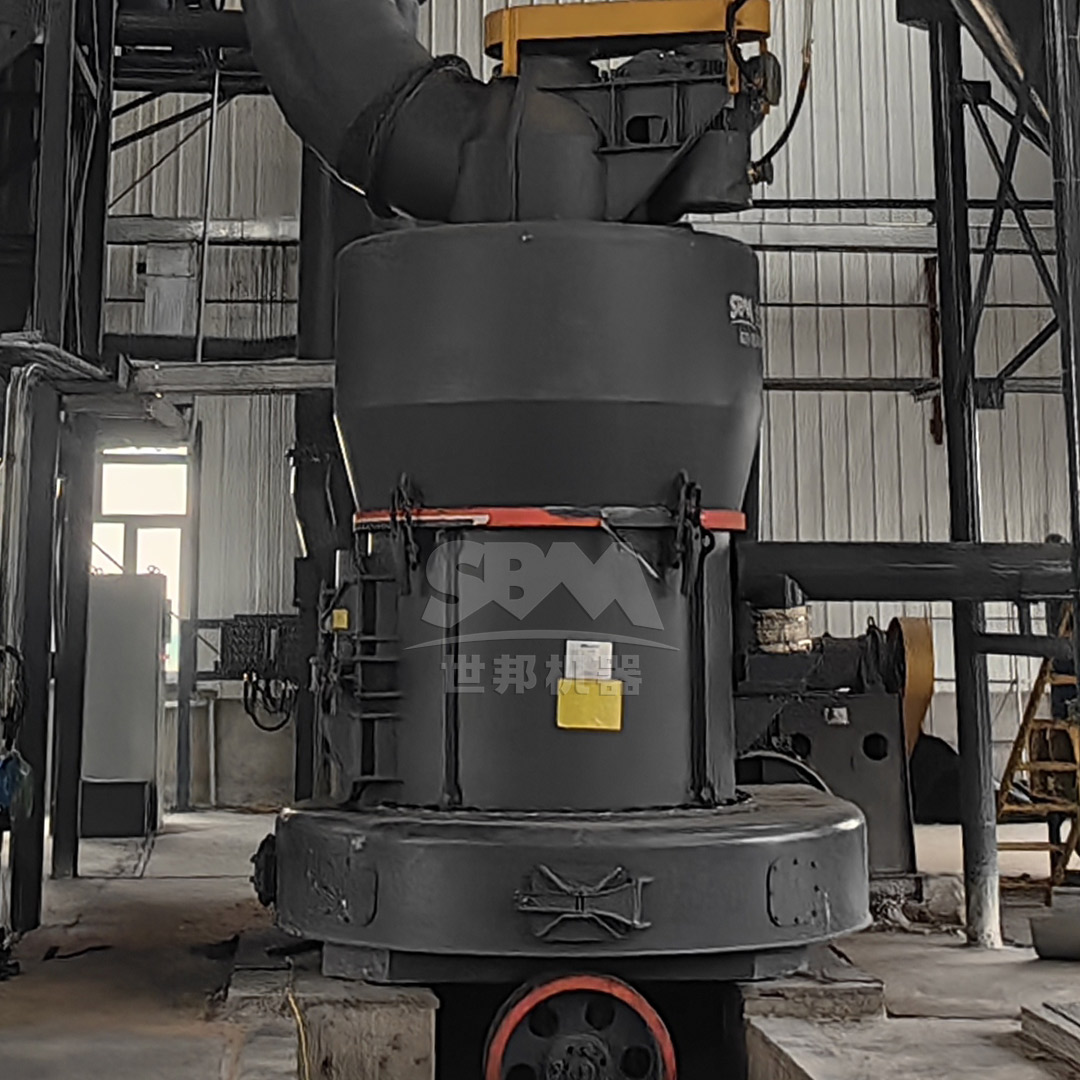
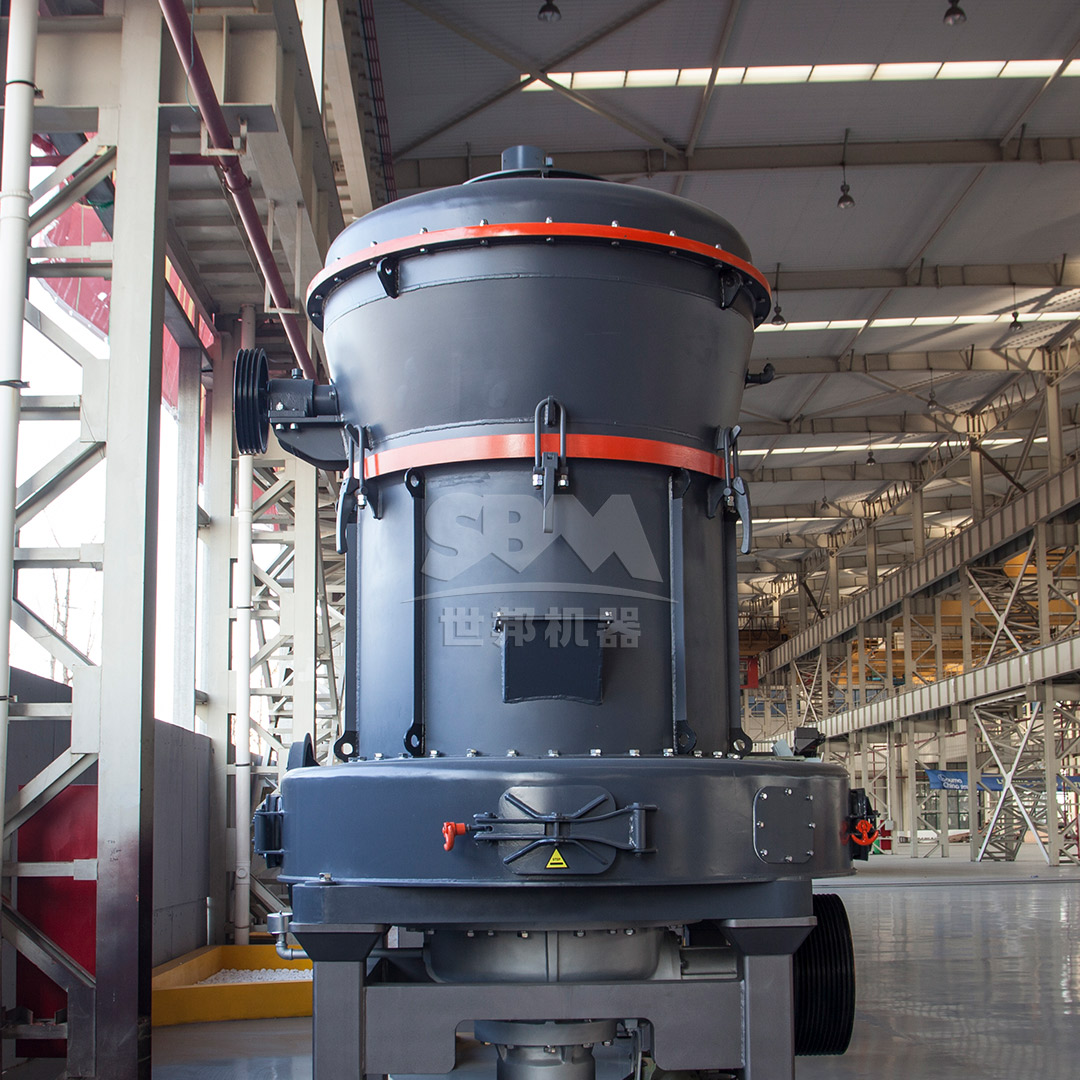
For applications requiring slightly coarser fineness or higher production capacity, the MTW Series European Trapezium Mill is an excellent alternative. With output fineness ranging from 30 to 325 mesh (down to 0.038mm) and capacities from 3 to 45 tons per hour, this mill is well-suited for large-scale attapulgite processing operations producing rubber filler grades.
Anti-wear Shovel Design: Combined shovel blades with a curved design reduce maintenance costs and extend grinding roller life—essential when processing abrasive minerals continuously.
Optimized Arc Air Duct: Reduces airflow energy loss and improves transmission efficiency. High-strength guard plates protect the air duct working surface, ensuring long-term reliability.
Integral Bevel Gear Drive: Transmission efficiency up to 98% saves space and reduces installation costs, making the MTW Series a compact and efficient solution.
Wear-resistant Volute Structure: The non-resistance flow design improves air selection efficiency and reduces maintenance costs by 30%.
| Model | Capacity (t/h) | Main Power (kW) | Feed Size (mm) | Fineness (mesh) |
|---|---|---|---|---|
| MTW110 | 3-9 | 55 | <30 | 10-325 |
| MTW138Z | 6-17 | 90 | <35 | 10-325 |
| MTW175G | 9.5-25 | 160 | <40 | 10-325 |
| MTW215G | 15-45 | 280 | <50 | 10-325 |
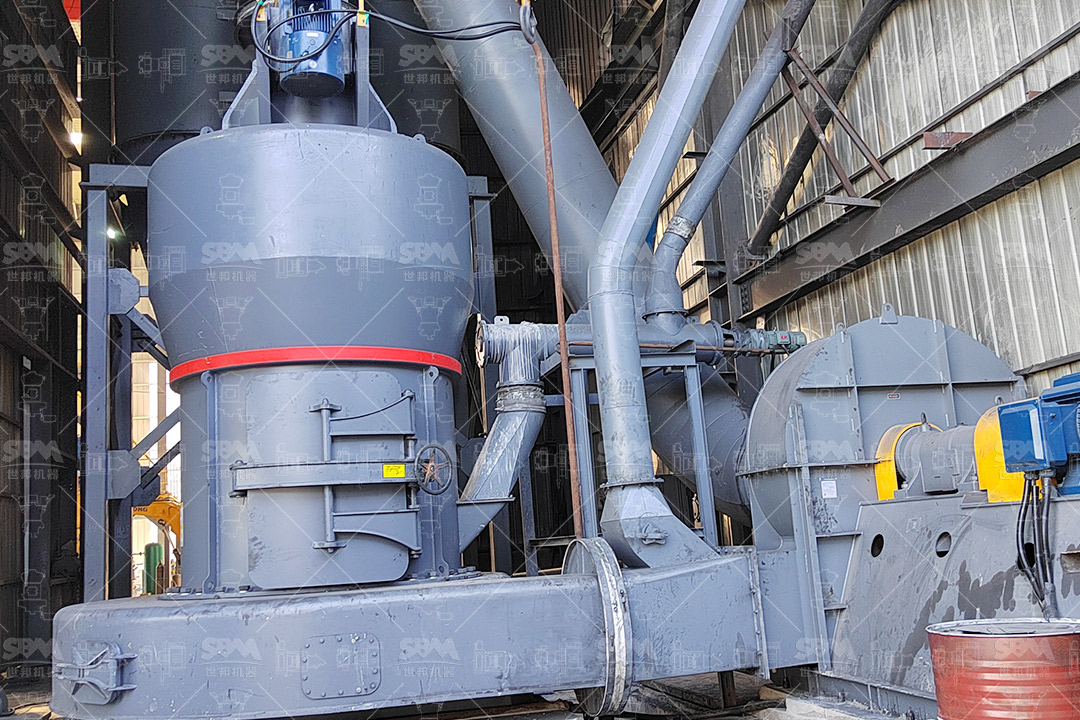
Selecting the right grinding mill for processing rubber-grade attapulgite filler is a decision that directly impacts product quality, production efficiency, and overall profitability. The key factors to consider include output fineness and particle size distribution, production capacity, energy efficiency, contamination control, integration with drying and classification, and environmental compliance.
For ultrafine attapulgite powder in the 325-2500 mesh range, the SCM Series Ultrafine Mill offers an ideal combination of high efficiency, precise classification, durable construction, and environmental compliance. For larger-scale operations requiring 30-325 mesh output, the MTW Series European Trapezium Mill provides robust performance with low maintenance costs and high transmission efficiency.
We recommend that potential buyers conduct thorough testing of their specific attapulgite material with the selected mill to confirm performance parameters and optimize operating conditions. Our technical team is available to assist with material testing, equipment selection, and process optimization to ensure that your attapulgite processing line delivers the highest quality rubber filler at the lowest possible cost.