The production of metallurgical grade titanium powder is a cornerstone of modern manufacturing, underpinning critical industries ranging from aerospace and biomedical implants to automotive components and additive manufacturing. Unlike iron or aluminum, titanium presents unique challenges due to its high reactivity, toughness, and sensitivity to contamination. Consequently, the equipment used to reduce titanium sponge or scrap into a fine, uniform powder must be exceptionally robust, precise, and contamination-free. This article provides a deep dive into the key machines and process insights required for efficient and high-quality metallurgical grade titanium powder production. We will explore the specific milling technologies that have been adapted to meet the stringent demands of this reactive metal, focusing on particle size reduction, classification efficiency, and system durability.
As we analyze these technologies, we will highlight the critical role of advanced ultrafine grinding and classification systems. Our discussion will cover how operators can maximize throughput while minimizing energy consumption and metallic contamination—a primary concern in titanium processing. The goal is to provide engineers and plant managers with the technical knowledge required to select the optimal equipment configuration for their specific titanium powder production line. This includes evaluating feed material preparation, primary crushing, fine grinding, and the final classification stages that define the powder’s quality and market value.
The journey of titanium from a porous sponge or scrap to a valuable fine powder involves several critical steps. The process must be controlled rigorously at every stage to prevent oxidation (a fatal flaw for metallurgical-grade powder) and to ensure consistent particle size distribution (PSD). The process can be broken down into three core phases: Primary Crushing, Fine Grinding, and Classification & Collection.
Raw titanium sponge or recycled scrap, often large and irregular, must first be reduced to a manageable size. Equipment such as jaw crushers or hammer mills are used to reduce the material down to a feed size of ≤20mm to ≤50mm. This stage requires machines with high wear resistance due to the abrasive nature of titanium. Efficient feeding systems, such as electromagnetic vibrating feeders, are essential to ensure a consistent flow into the mill, preventing overloading and ensuring uniform grinding. The PC Series hammer mill, for example, is well-suited for this initial size reduction phase.
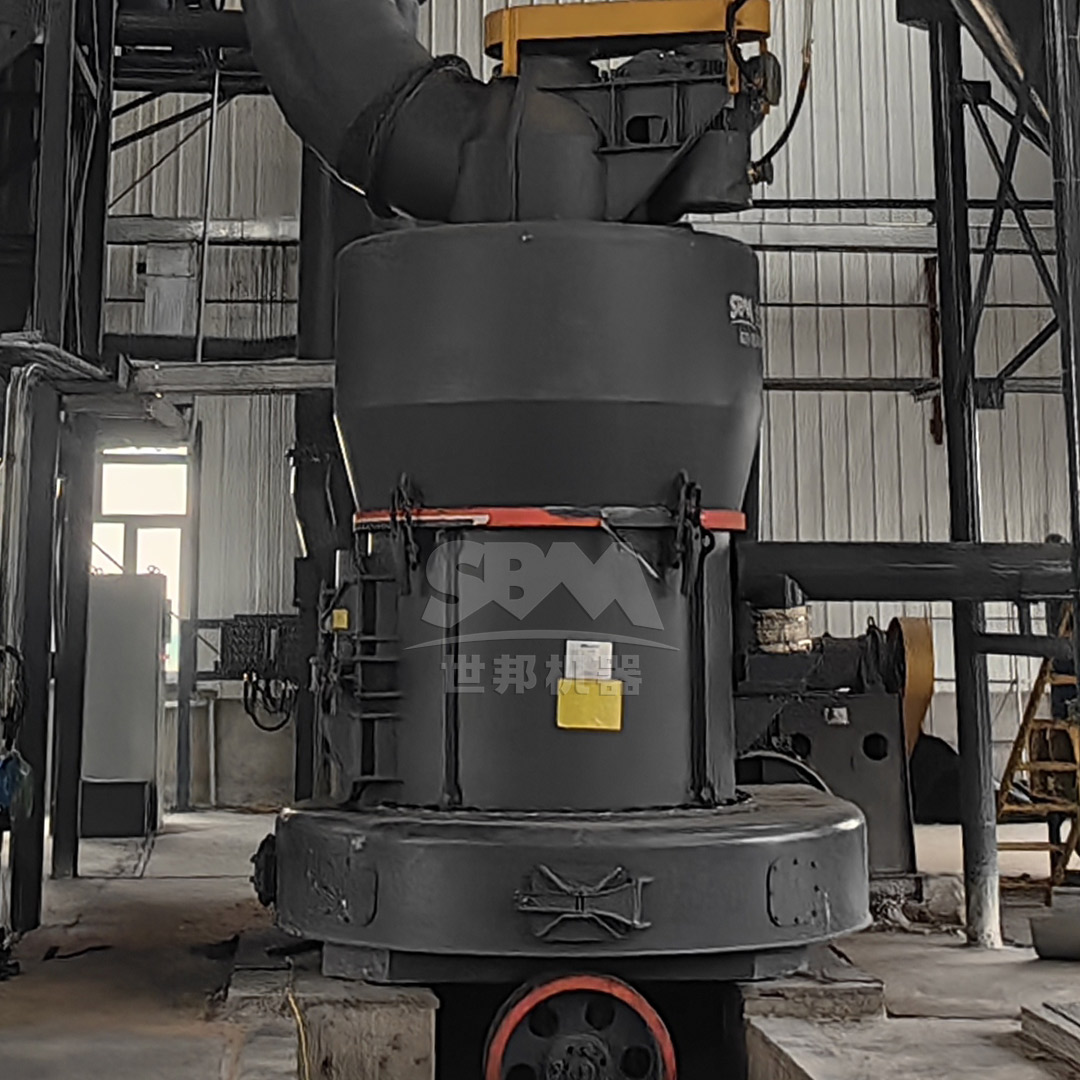
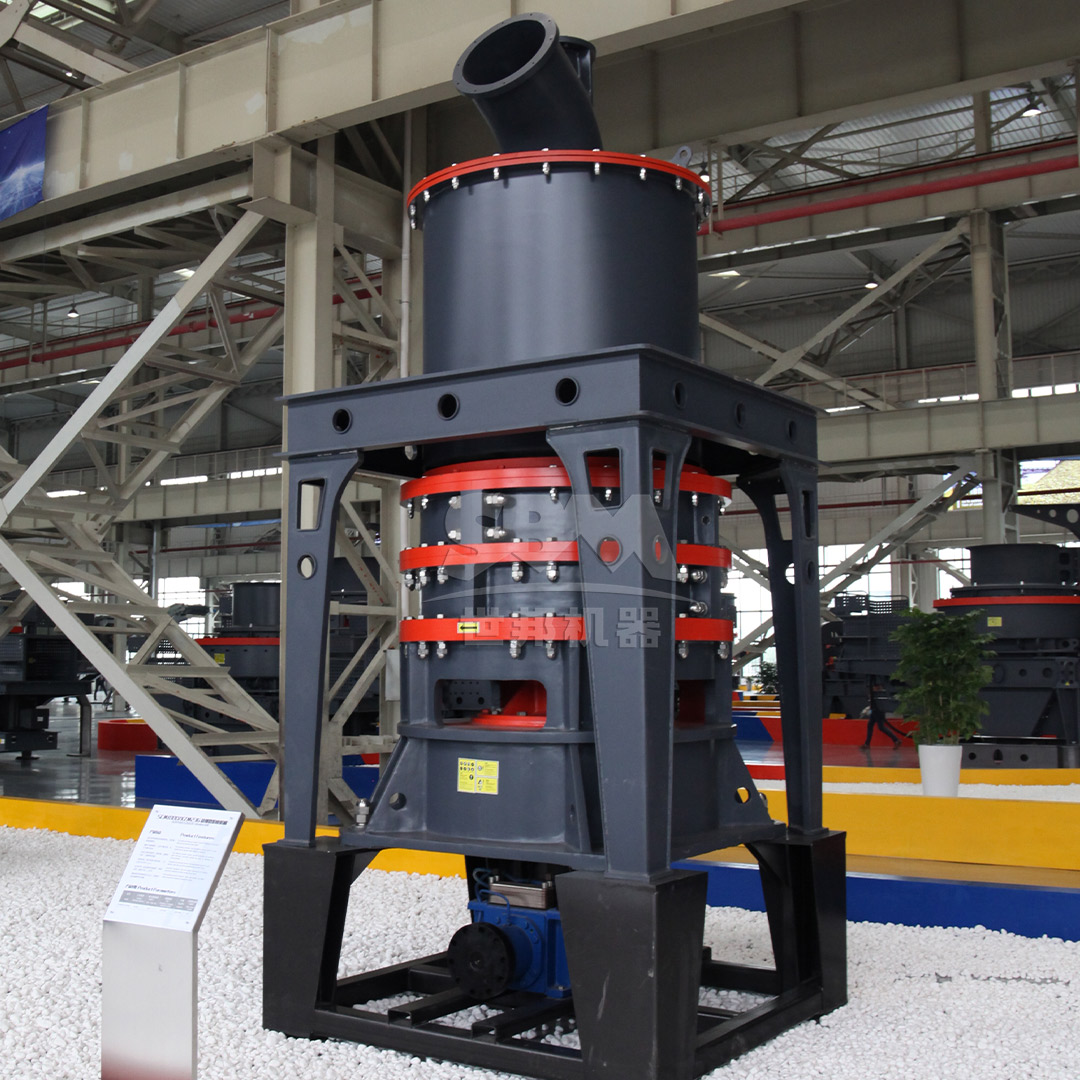
This is the core of the titanium powder production line. The technology chosen here dictates the final particle size, throughput, and energy efficiency. Traditional ball mills can be used, but they suffer from high energy consumption, long grinding times, and significant wear on media and liners. For metallurgical grade powder, particularly for applications demanding high flowability and packing density, advanced vertical roller mills or trapezium mills are preferred. These technologies utilize a bed compression grinding principle, which is more energy-efficient than impact grinding and creates a more uniform particle shape. The SCM Series Ultrafine Mill is a premier example of this technology, specifically designed to achieve the fine sizes required for high-value titanium applications.
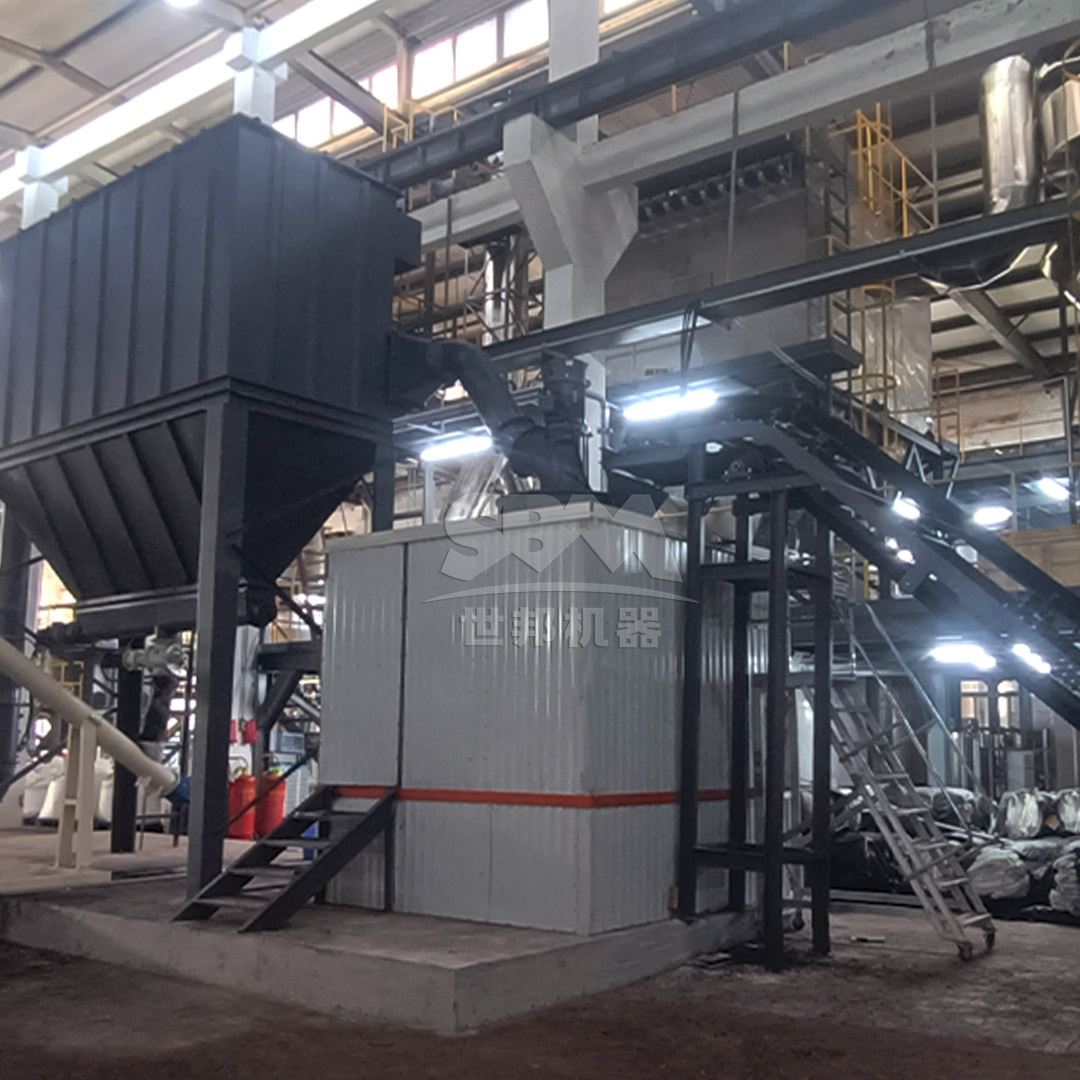
The SCM Series Ultrafine Mill excels in producing titanium powder in the 325-2500 mesh (45-5μm) range. Its working principle involves a main motor driving three layers of grinding rings, dispersing material by centrifugal force and crushing it under roller pressure. This method is exceptionally effective for the brittle nature of titanium hydride-dehydride (HDH) powder. With a capacity range of 0.5-25 ton/h, the SCM series offers flexibility for various production scales. The vertical turbine classifier within the mill ensures a high-precision cut, effectively eliminating coarse particles that would otherwise contaminate the final product. This feature is critical for titanium powder intended for metal injection molding (MIM) or additive manufacturing (AM), where strict particle size distribution is non-negotiable. Furthermore, the special material used for the rollers and rings dramatically extends their service life, directly addressing the high wear costs associated with grinding titanium.
After grinding, the powder must be separated from the airflow and classified to isolate the desired fine fraction. For coarser titanium powders (45-600μm), integrated classifiers within mills like the MTW Series European Trapezium Mill are highly effective. The MTW mill utilizes an optimized arc air duct and a high-precision classifier to ensure that the final powder has a consistent fineness of 30-325 mesh (600-45μm). Its integral bevel gear drive offers transmission efficiency up to 98%, making it a robust choice for medium-fine grinding applications.
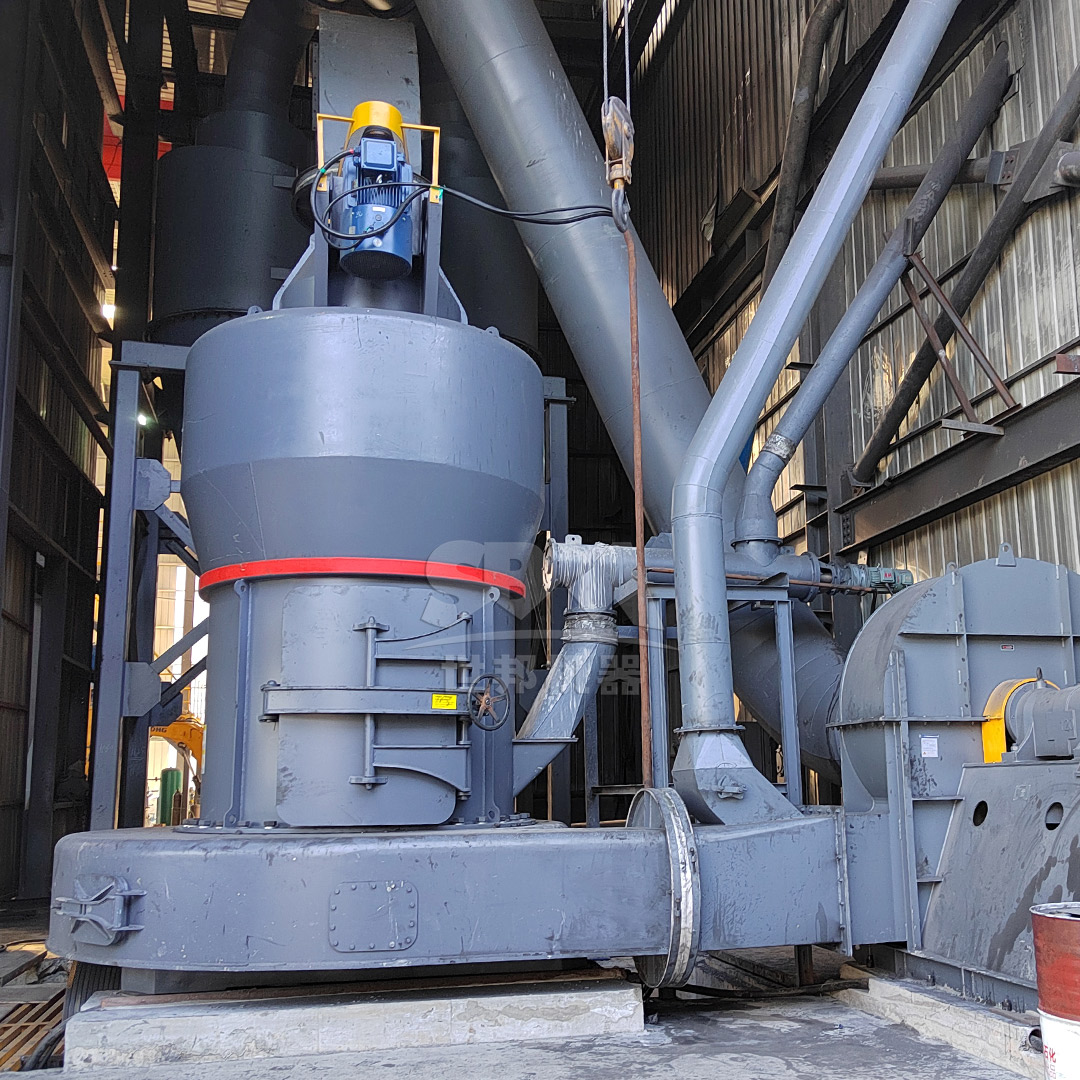
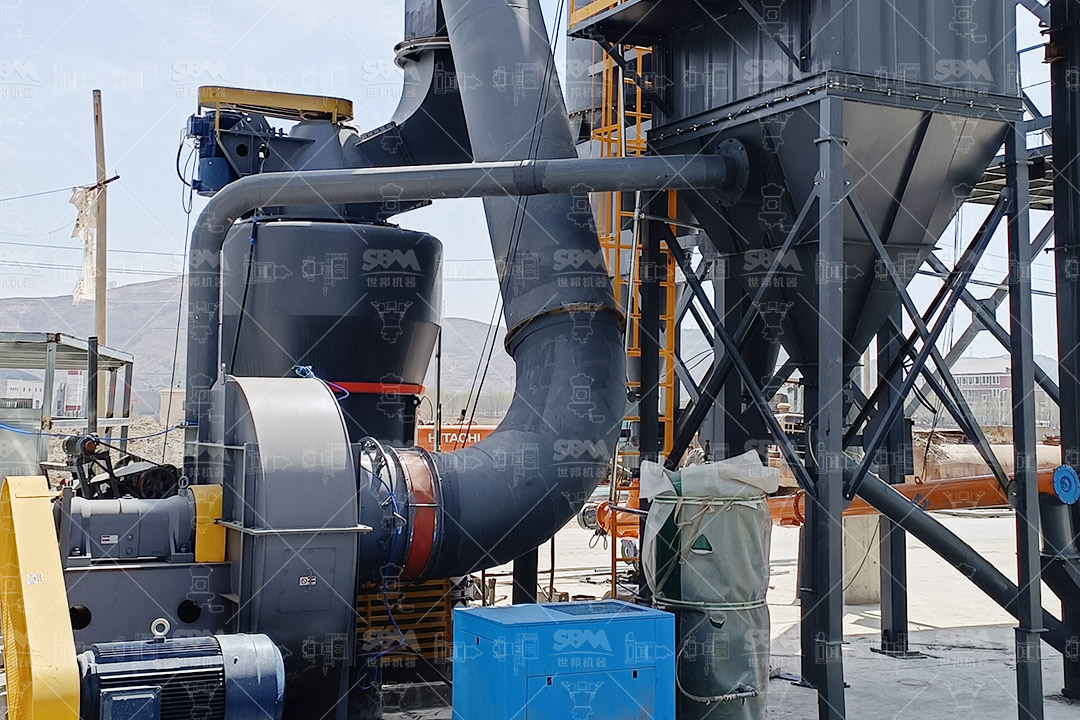
For the ultrafine fraction (<45μm), efficient collection is paramount. The SCM Series is equipped with a sophisticated cyclone collector coupled with a pulse dust removal system. This is not just an environmental requirement; it is a quality necessity. The pulse dust collector ensures that even the finest micron-sized particles are captured without loss, maintaining high yield and preventing airborne contamination. The use of soundproof housing in these systems also addresses the significant noise pollution associated with hard metal grinding, creating a safer and more comfortable work environment for operators.
The single biggest challenge in titanium grinding is contamination. Titanium is extremely reactive with oxygen, nitrogen, and carbon at high temperatures. The milling process must be conducted in an inert atmosphere of argon or helium, or the mill must be designed for minimal heat generation and rapid heat dissipation. Both the SCM and MTW series are designed with robust sealing and can be integrated into inert gas loops. The use of special alloy roller materials (not high-carbon steel) in the SCM mill significantly reduces the risk of iron contamination, which can ruin the mechanical properties of the final titanium alloy.
Metallurgical-grade titanium powder requires irregular, angular particles for good green strength in pressing or for high flowability in AM. The bed grinding principle of the SCM and MTW mills produces a more favorable particle shape for these applications compared to the spherical particles from atomization or the flat flakes from some impact mills. The SCM series offers up to 2x the capacity of traditional jet mills with 30% lower energy consumption, representing a significant operational cost advantage. This efficiency is achieved through the intelligent control of the finished product granularity via automatic feedback, which optimizes the grinding pressure and classifier speed in real time.
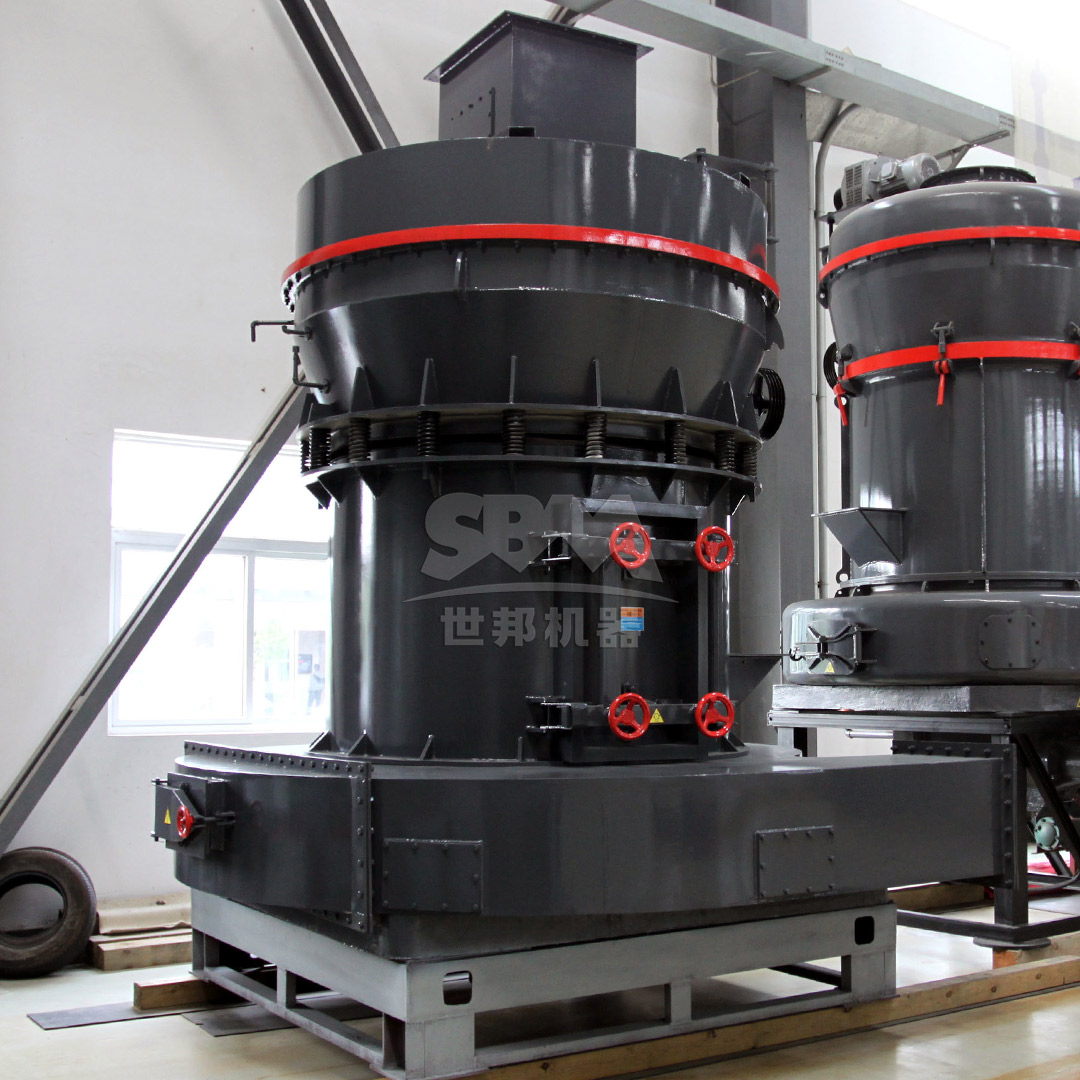
Choosing between the SCM Ultrafine Mill and the MTW Trapezium Mill depends on the target market for your titanium powder. If your goal is to produce high-value, ultra-fine titanium powder (5-45μm) for the expanding metal injection molding (MIM) or binder jetting additive manufacturing markets, the SCM series is the definitive choice. Its high-precision classification and durable design make it an investment in quality.
Conversely, if you are producing coarser titanium hydride (-325 mesh, 45μm and larger) for thermal spray or press-and-sinter powder metallurgy, the MTW series offers a perfect balance of high capacity (up to 45 ton/h) and robust performance. Its patented anti-wear shovel design and integral bevel gear drive ensure low maintenance and high uptime. For very large-scale operations requiring 50+ tons per hour of titanium powder for bulk applications, the LM Series Vertical Roller Mill, with capacities up to 250 t/h, provides an integrated solution that combines crushing, grinding, and selection in one unit, drastically reducing floor space and infrastructure costs by up to 50%.
Producing high-quality metallurgical grade titanium powder is a technologically demanding process. The choice of milling equipment is the single most critical factor determining product quality, production cost, and overall business success. By focusing on machines that offer high efficiency, precise classification, and superior wear resistance, manufacturers can overcome the inherent challenges of titanium. The SCM Series Ultrafine Mill stands out as the gold standard for ultrafine titanium powder production, offering unmatched precision and durability. For those requiring medium-fine powder at high throughputs, the MTW Series European Trapezium Mill provides the reliability and efficiency required for continuous industrial operation. Investing in the right technology from the outset is not just a production decision; it is a strategic move to secure a leading position in the rapidly evolving titanium powder market.