In the modern cement manufacturing process, the fineness and quality of raw materials directly determine the efficiency of clinker calcination and the final strength of the cement. Limestone, as the primary raw material (accounting for approximately 70-80% of the raw mix), must be ground to a specific particle size distribution to ensure optimal chemical reactions in the kiln. The target of 200 mesh (74 microns) has become an industry benchmark for raw meal preparation. Achieving this fineness consistently while maximizing throughput and minimizing energy consumption is a significant engineering challenge. This guide provides a comprehensive selection framework for ultra-fine grinding mills tailored to 200-mesh limestone cement raw material processing, drawing on advanced mill technologies to help plant managers and process engineers make informed decisions.
The term “200 mesh” refers to a particle size where 95% or more of the material passes through a sieve with 200 openings per linear inch (74 microns). For cement raw meal, a typical target is 12-16% residue on a 90-micron sieve (170 mesh) and less than 2% residue on a 200-micron sieve (80 mesh). However, the finer the grind, the higher the surface area, which accelerates the solid-state reactions in the preheater and rotary kiln. Over-grinding, however, wastes energy and reduces mill throughput. Therefore, selecting a mill that can precisely control the cut point at or around 200 mesh (45-75 microns) is essential. The ideal mill must offer high capacity (typically 10-200 tons per hour for modern cement lines), low specific energy consumption (under 20 kWh/t for the raw mix), and high reliability for 24/7 operation.
Limestone from quarries typically has a feed size of 0-50 mm and a moisture content of up to 5-8%. The chosen mill must handle these conditions without clogging or excessive wear. Mills with integral drying capabilities (using hot air from the kiln or a dedicated furnace) are preferred for moist materials.
Producing a consistent 200-mesh product requires a high-efficiency classifier. Dynamic classifiers (vertical turbine or cage rotor types) offer precise cut points and can be adjusted online to compensate for feed variations. The mill’s air circuit must be designed to minimize short-circuiting of coarse particles into the product.
Grinding consumes 60-70% of the total electrical energy in a cement plant. A mill that reduces specific power consumption by 10-30% can generate substantial annual savings. Technologies like bed-of-material grinding (in vertical roller mills) or multi-stage compression (in pendulum mills) are inherently more efficient than impact or tumbling attrition.
Limestone is mildly abrasive (Mohs hardness 3-4), but impurities like quartz or chert can accelerate wear. Mills with wear-resistant liners (high-chrome, ceramic inserts) and easy-to-replace roller/ring assemblies reduce downtime. Maintenance features such as hydraulic roll-out systems and quick-change classifiers are valuable.
Modern cement plants must meet strict dust emission limits (typically < 10 mg/Nm³). The mill system must include pulse-jet bag filters or electrostatic precipitators, operate under negative pressure, and be enclosed to minimize noise (below 85 dB(A)).
| Technology Type | Typical Fineness | Capacity Range | Energy Consumption | Best Application |
|---|---|---|---|---|
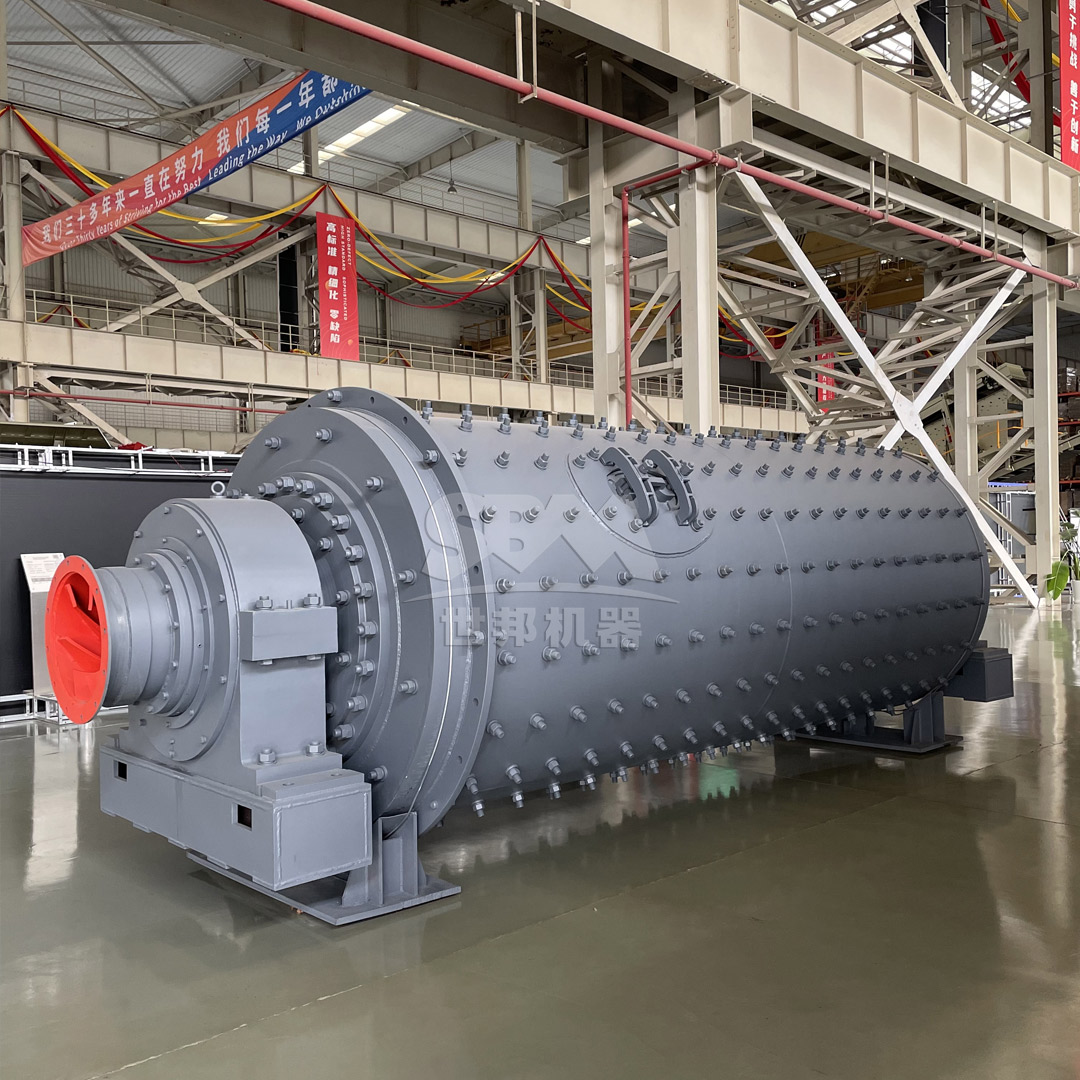
| Ball Mill | 80-400 mesh | 10-450 t/h | 25-35 kWh/t | Coarse grinding, high capacity |
| Vertical Roller Mill (VRM) | 30-600 mesh | 3-250 t/h | 15-22 kWh/t | Raw meal, coal, slag |
| Pendulum / Trapezium Mill | 30-325 mesh | 3-83 t/h | 18-28 kWh/t | Medium capacity, fine grinding |
| Ultrafine Mill | 325-2500 mesh | 0.5-25 t/h | 20-35 kWh/t | High fineness, specialty cement |
| Hammer Mill | 0-3 mm | 8-70 t/h | 8-15 kWh/t | Pre-crushing, primary reduction |
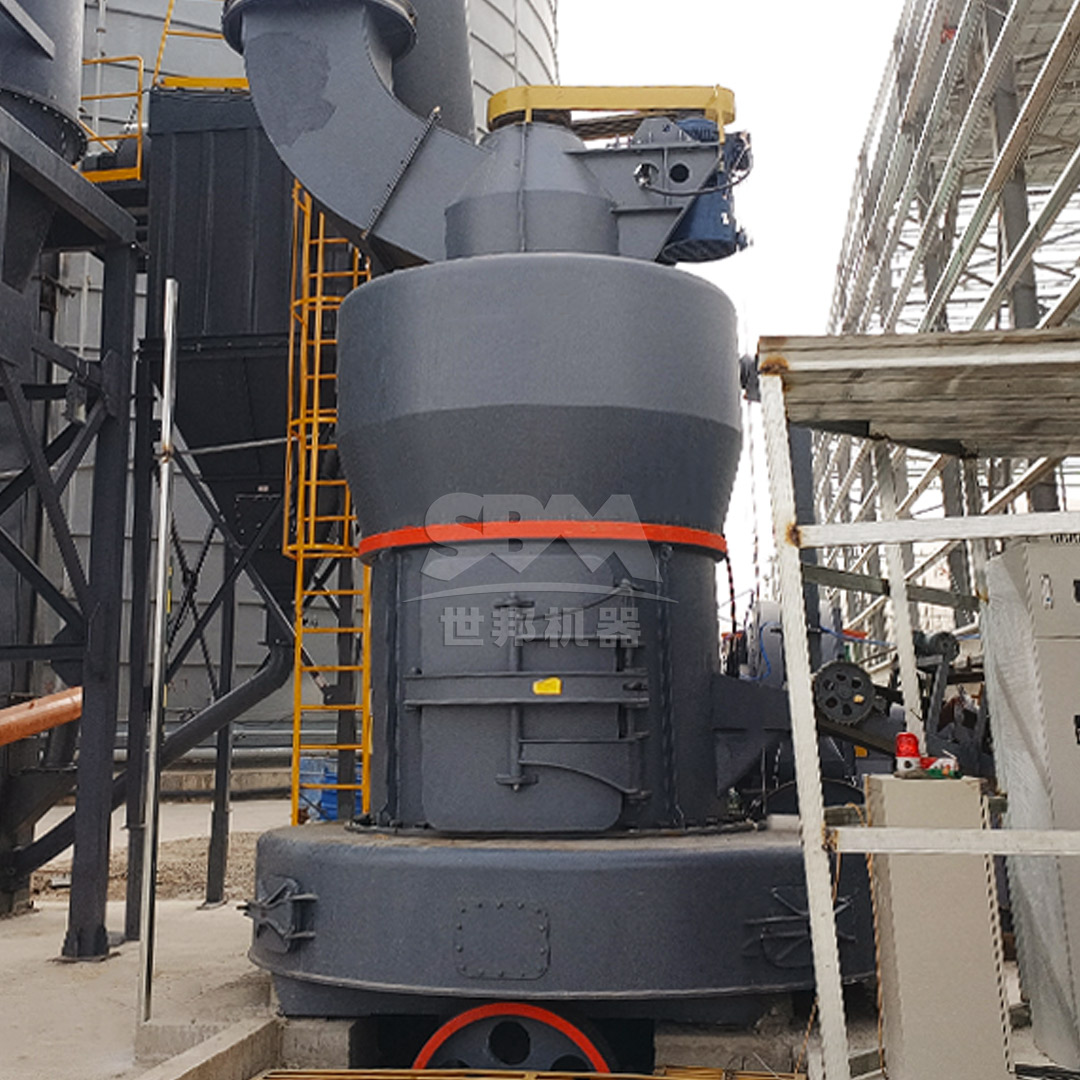
For cement plants requiring a product fineness of exactly 200 mesh (74 microns) with narrow particle size distribution, the SCM Series Ultrafine Mill is the ideal choice. This mill is specifically designed for ultra-fine grinding, covering a range of 325-2500 mesh (45-5 microns), but its advanced classification system also makes it highly effective for coarser cuts like 200 mesh. The vertical turbine classifier can be adjusted to eliminate coarse particles entirely, ensuring zero residue on the 200-mesh sieve if required. With a capacity of 0.5 to 25 tons per hour, the SCM mill is particularly suited for high-value cement products or for plants that need to produce a consistent raw meal from variable limestone sources. Its special material rollers and rings offer a service life several times longer than conventional mills, reducing maintenance intervals in abrasive applications.
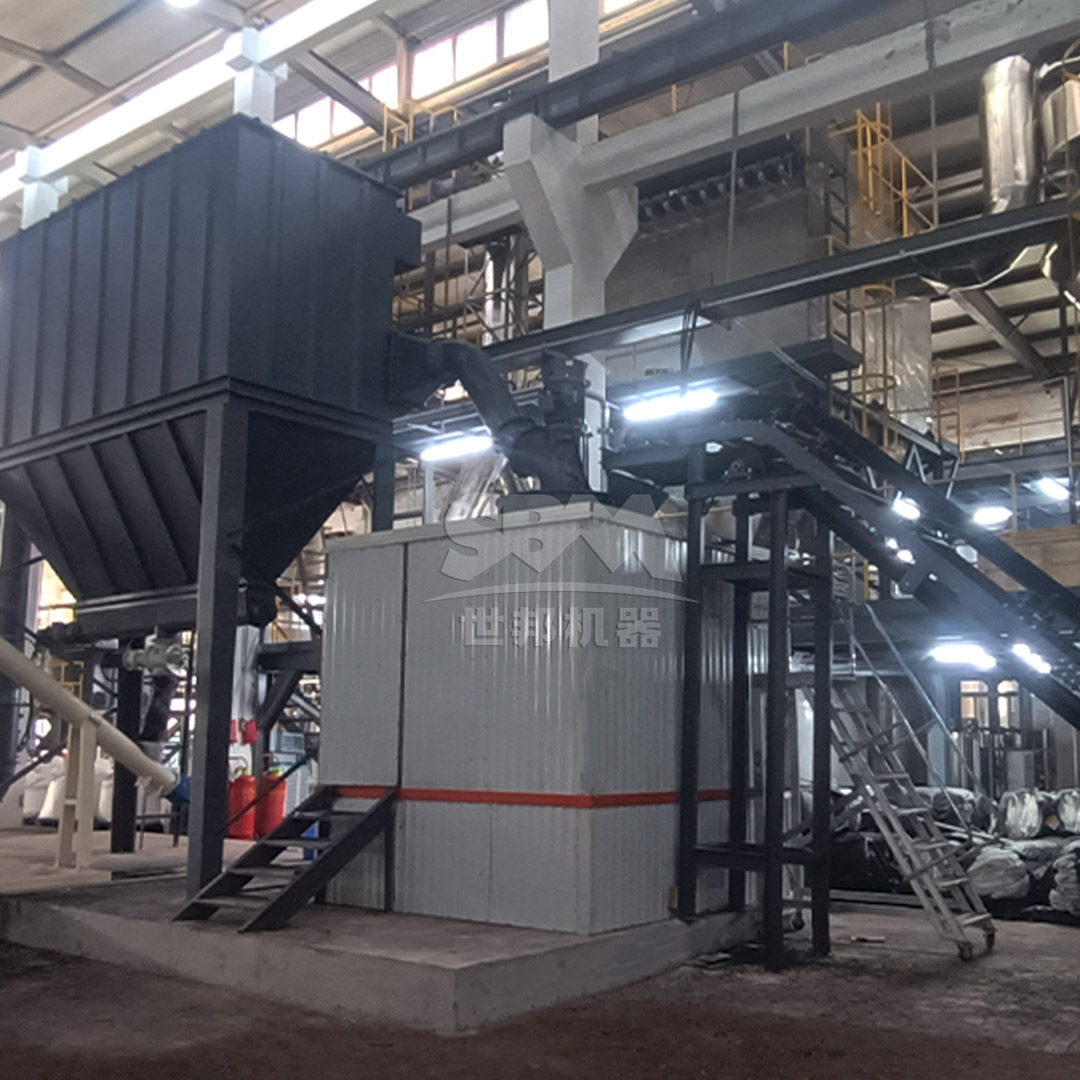
The SCM800 model, with a main power of 75 kW, can process 0.5-4.5 t/h of limestone to 200 mesh. For medium-scale operations, the SCM1250 (185 kW, 2.5-14 t/h) offers an excellent balance of energy efficiency and output. The SCM1680 (315 kW) achieves up to 25 t/h, making it suitable for large cement plants. The mill’s intelligent control system automatically adjusts feed rate and air flow based on real-time fineness feedback, maintaining product quality even when limestone feed moisture fluctuates.
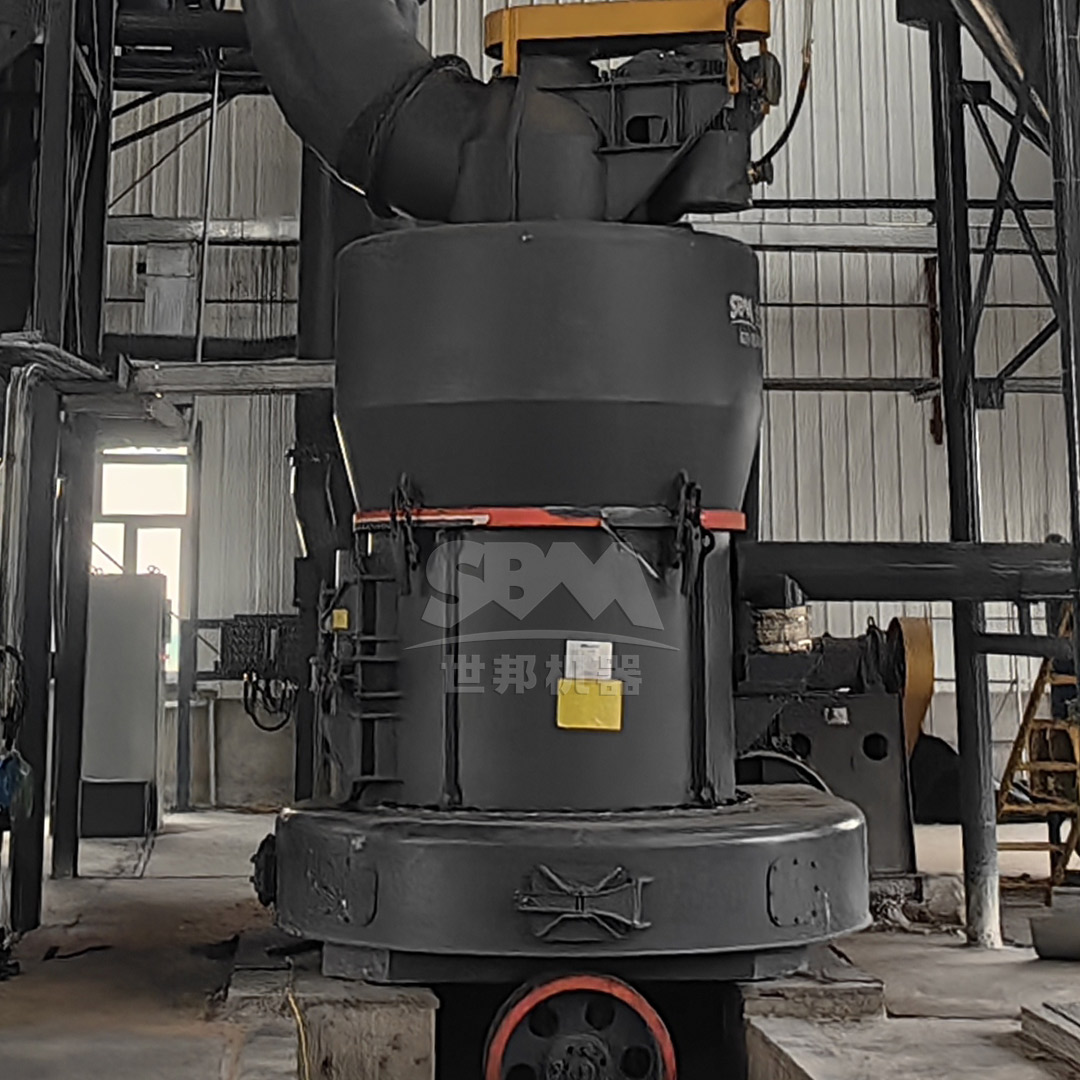
For cement plants that prioritize high throughput and low operating costs for standard 200-mesh raw meal, the MTW Series European Trapezium Mill is an outstanding choice. Capable of outputting 3-45 tons per hour, this mill is specifically engineered for the 30-325 mesh range (600-45 microns), placing 200 mesh directly within its optimum performance zone. The MTW mill features an integral bevel gear drive with transmission efficiency up to 98%, significantly reducing energy losses compared to traditional gearbox drives. Its anti-wear combined shovel design and optimized arc air duct reduce air resistance, lowering fan power consumption. For a typical cement line producing 3000-5000 tons of clinker per day, a single MTW175G or MTW215G unit can handle the entire raw material grinding requirement individually.
The MTW138Z model, with 90 kW main power, achieves 6-17 t/h of 200-mesh limestone, while the larger MTW215G (280 kW) handles 15-45 t/h. The mill’s internal suction oil lubrication system and pulse dust removal technology ensure reliable operation. The wear-resistant volute structure reduces maintenance costs by 30% compared to conventional mills. When combined with an efficient pre-crusher (like a hammer mill for initial size reduction to <30mm), the MTW series offers one of the lowest costs per ton for 200-mesh cement raw materials.
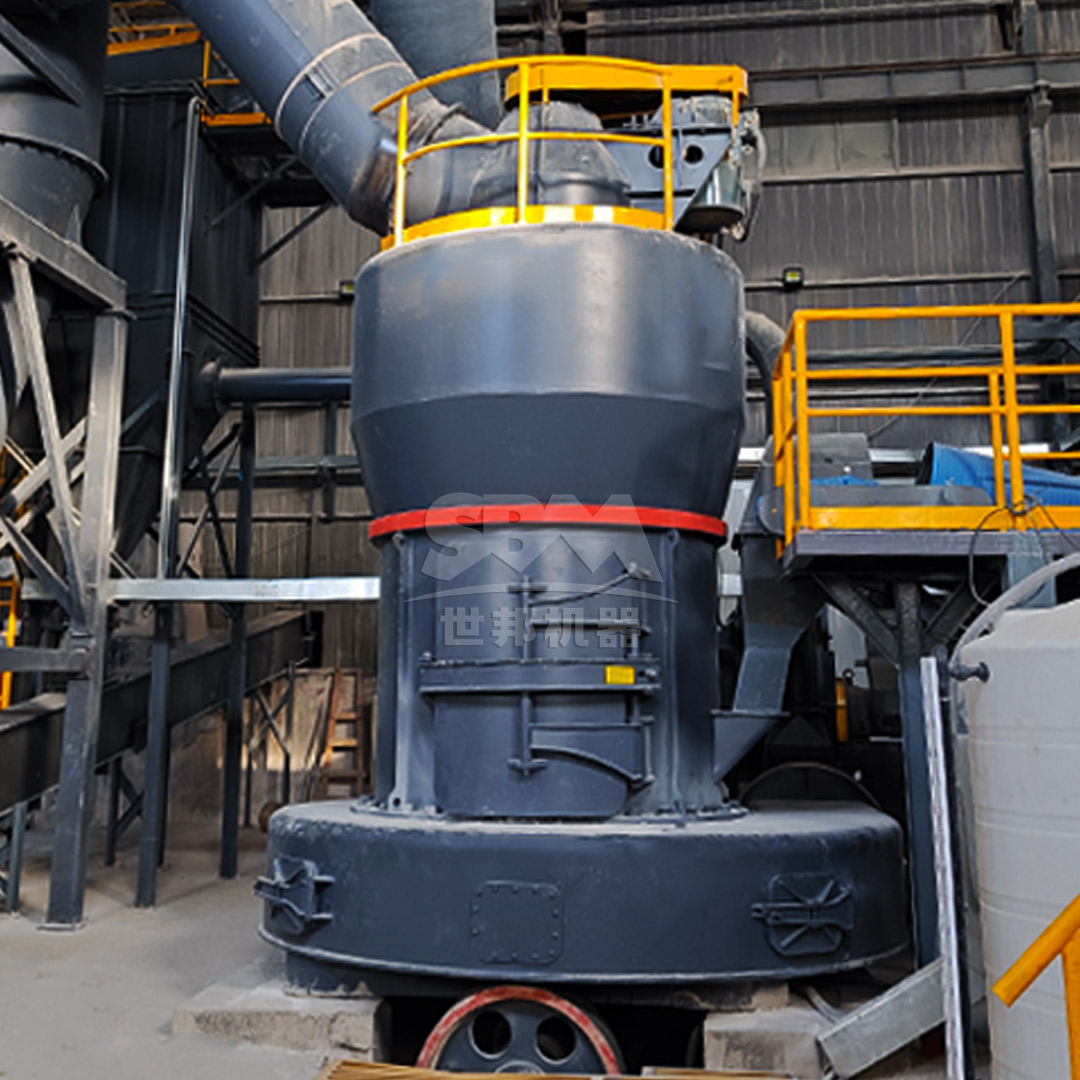
An optimized 200-mesh limestone processing line often includes two or more stages. The first stage uses a Hammer Mill (e.g., PC4015-132 with 132 kW and 40-70 t/h capacity) to reduce run-of-mine limestone (0-400 mm) to 0-3 mm. This pre-crushed material is then fed into the selected fine grinding mill. For large-scale operations, the hammer mill can be paired directly with an MTW mill or a Vertical Roller Mill. For applications requiring both pre-grinding and sand making, the LM-Y Vertical Pre-grinding Roller Mill can perform both functions, reducing the need for separate equipment. Its bed-of-material grinding principle reduces power consumption by 30-50% compared to ball mills, and models like the LM340Y (2500 kW) can process 80-100 t/h of pre-ground material, which is then fed to a ball mill or a vertical mill for final 200-mesh finishing.
To achieve stable 200-mesh production, operators should focus on the following:
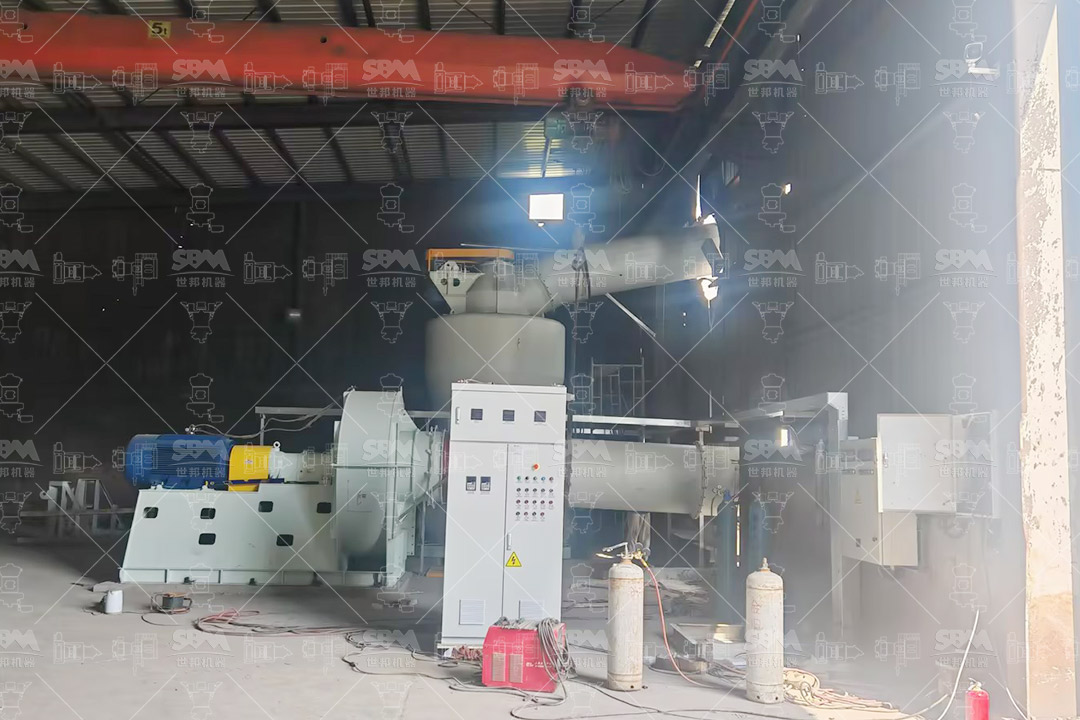
A recent project in Southeast Asia required grinding high-hardness limestone (Mohs 3.8) from a feed size of 30 mm to a 200-mesh product for a white cement plant. The client selected the SCM1680 Ultrafine Mill after comparing two other mill types. The SCM mill achieved a throughput of 18-22 t/h at 12% residue on 200-mesh, with a specific power consumption of 22.4 kWh/t. The vertical turbine classifier maintained a uniform product with a d97 of 75 microns, well within specification. Maintenance intervals were extended to 4000 hours for roller replacement due to the special alloy materials used.
In another case, a European cement manufacturer needed to replace three old ball mills with a single high-efficiency unit for a 5000 tpd clinker line. They installed an MTW215G European Trapezium Mill with a pre-crushing hammer mill. The system consistently produced 45 t/h of 200-mesh raw meal with a residue of 10% on 90 microns. The bevel gear drive reduced annual maintenance costs by 35% compared to the previous system.
Selecting the optimal grinding mill for 200-mesh limestone cement raw material is a decision that impacts production cost, product quality, and environmental compliance for years to come. The SCM Series Ultrafine Mill offers unparalleled precision for demanding applications where tight particle size control is critical, while the MTW Series European Trapezium Mill provides the highest capacity and lowest cost per ton for standard raw meal. Both technologies incorporate advanced features such as intelligent control, high-efficiency classification, and robust wear protection. By carefully evaluating feed characteristics, throughput requirements, and energy budgets, cement manufacturers can leverage these ultra-fine grinding solutions to achieve a competitive edge in the market. For project-specific recommendations, detailed simulation, or pilot testing, contact our engineering team to design a customized 200-mesh limestone processing solution tailored to your raw materials and production goals.