Dolomite, a naturally occurring double carbonate of calcium and magnesium (CaMg(CO₃)₂), has emerged as a cornerstone raw material in the production of magnesium cementitious materials. When calcined at controlled temperatures between 650°C and 750°C, dolomite undergoes decomposition to form a reactive mixture of magnesium oxide (MgO) and calcium carbonate (CaCO₃). This calcined product, often referred to as caustic dolomite or light-burned dolomite, serves as the primary magnesium source in magnesium oxychloride cement (MOC), magnesium oxysulfate cement (MOS), and other magnesium-based binders. These cementitious systems offer distinct advantages over traditional Portland cement, including rapid setting, high early strength, excellent fire resistance, and lower carbon footprint under certain conditions.
The performance of magnesium cementitious materials is profoundly influenced by the particle size distribution, surface area, and reactivity of the calcined dolomite powder. Fine grinding not only increases the specific surface area and reactivity of MgO but also ensures uniform mixing with other components such as magnesium chloride or magnesium sulfate solutions, aggregates, and additives. Consequently, the selection of appropriate grinding mill equipment is critical for achieving consistent product quality, optimizing production efficiency, and minimizing energy consumption. This article explores the key considerations in dolomite grinding for magnesium cementitious materials and presents advanced grinding mill solutions from our company that address the unique challenges of this application.
The grinding of calcined dolomite for magnesium cementitious materials presents specific requirements that differ from conventional mineral processing. First, the target fineness typically ranges from 200 mesh to 600 mesh (approximately 74 μm to 25 μm), depending on the reactivity desired and the specific cement formulation. Finer particles generally exhibit higher reactivity, which can accelerate setting time and increase early strength, but excessively fine grinding may lead to rapid setting that is difficult to control in practical applications. Therefore, precise control over the particle size distribution is essential.
Second, the grinding process must minimize contamination and prevent the introduction of iron or other impurities that could adversely affect the color and properties of the final cement product. Third, because calcined dolomite is relatively soft compared to many minerals, the grinding equipment must be capable of efficient size reduction without over-grinding, which wastes energy and can degrade product quality. Fourth, the system should be designed for continuous operation with minimal downtime, as magnesium cement production often involves large volumes and tight schedules.
Finally, environmental considerations are paramount. Dolomite grinding generates significant amounts of fine dust, which must be effectively captured to protect worker health and comply with emission regulations. Modern grinding mills are typically equipped with advanced dust collection systems, such as pulse-jet bag filters, to achieve high collection efficiency and maintain a clean working environment.
Several types of grinding mills are suitable for processing dolomite into fine powders for magnesium cementitious materials. These include ball mills, Raymond mills, vertical roller mills, and ultrafine mills. Each technology has its own advantages and limitations, and the choice depends on factors such as required capacity, target fineness, energy efficiency, and capital investment.
Ball mills are traditional workhorses in the mineral processing industry, capable of grinding dolomite to fine sizes with high reliability. However, they are generally energy-intensive and less efficient for ultrafine grinding. Raymond mills, also known as pendulum mills, offer improved efficiency and are widely used for producing powders in the 80–400 mesh range. They are relatively simple to operate and maintain, making them a popular choice for small to medium-scale production.
For higher capacities and finer products, vertical roller mills (VRMs) have gained prominence. These mills integrate grinding, drying, and classification in a single unit, resulting in compact footprint, low noise, and high energy efficiency. Ultrafine mills, such as the SCM series, are designed for producing powders in the sub-100 μm range and are ideal when very high reactivity or special cement formulations require extremely fine dolomite powder.
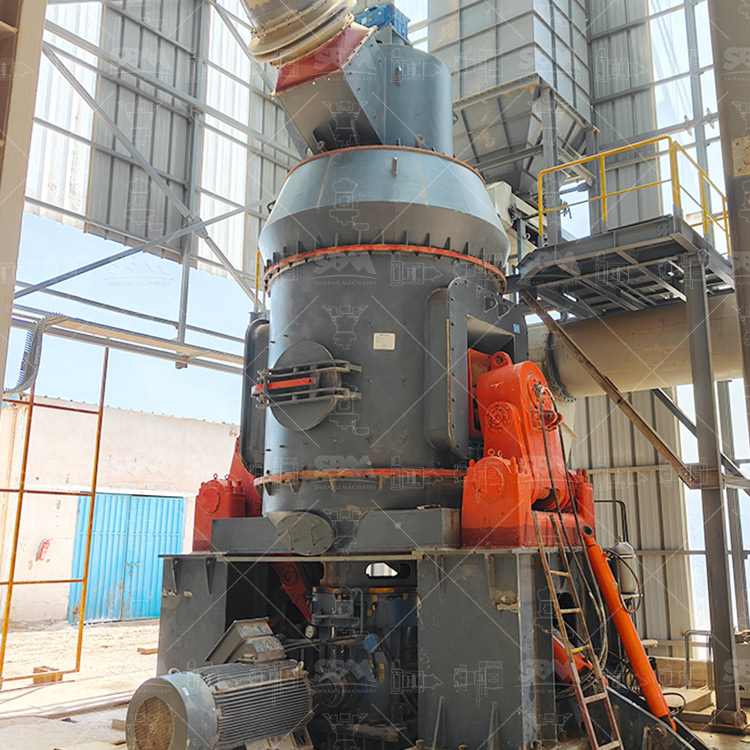
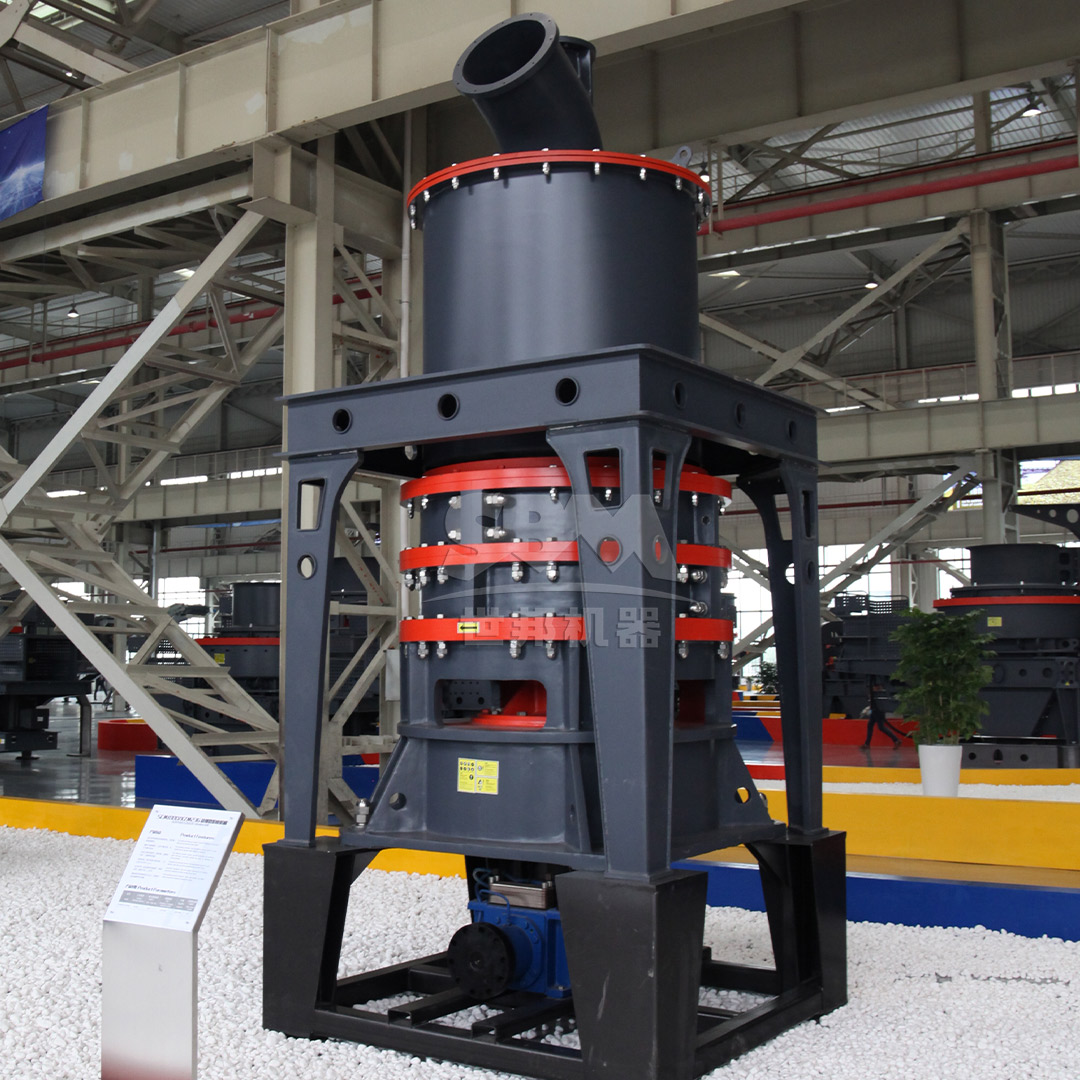
When magnesium cementitious materials demand the highest levels of reactivity and consistency, the SCM Series Ultrafine Mill stands out as an exceptional solution. This advanced mill is capable of grinding dolomite to fineness levels between 325 and 2500 mesh (approximately 45 μm to 5 μm), with capacities ranging from 0.5 to 25 tons per hour depending on the model. The SCM series is particularly well-suited for producing ultrafine dolomite powder used in high-performance magnesium cements, where precise control over particle size is critical.
The SCM Series Ultrafine Mill incorporates several innovative features that enhance its performance in dolomite processing. Its high-efficiency grinding mechanism, combined with a vertical turbine classifier, ensures precise particle size cutting and eliminates coarse powder mixing, resulting in a uniform finished product. The mill’s intelligent control system provides automatic feedback on finished product granularity, allowing operators to maintain consistent quality with minimal manual intervention. Energy consumption is significantly lower than that of jet mills, with capacity doubled and energy consumption reduced by approximately 30%.
Durability is another key advantage. The SCM mill employs special material rollers and rings that extend service life several times over compared to conventional wear parts. The shaftless screw grinding chamber ensures stable operation even under continuous heavy loads. Furthermore, the mill is designed with environmental compliance in mind: its pulse dust collection system exceeds international standards, and the soundproof room design keeps noise levels well within acceptable limits.
For magnesium cementitious material producers seeking to optimize reactivity and product consistency, the SCM Series Ultrafine Mill offers a reliable, efficient, and eco-friendly solution. Models such as the SCM800, SCM900, and SCM1000 provide flexible options to match various production scales, with fineness adjustable across a wide range to meet specific formulation requirements.
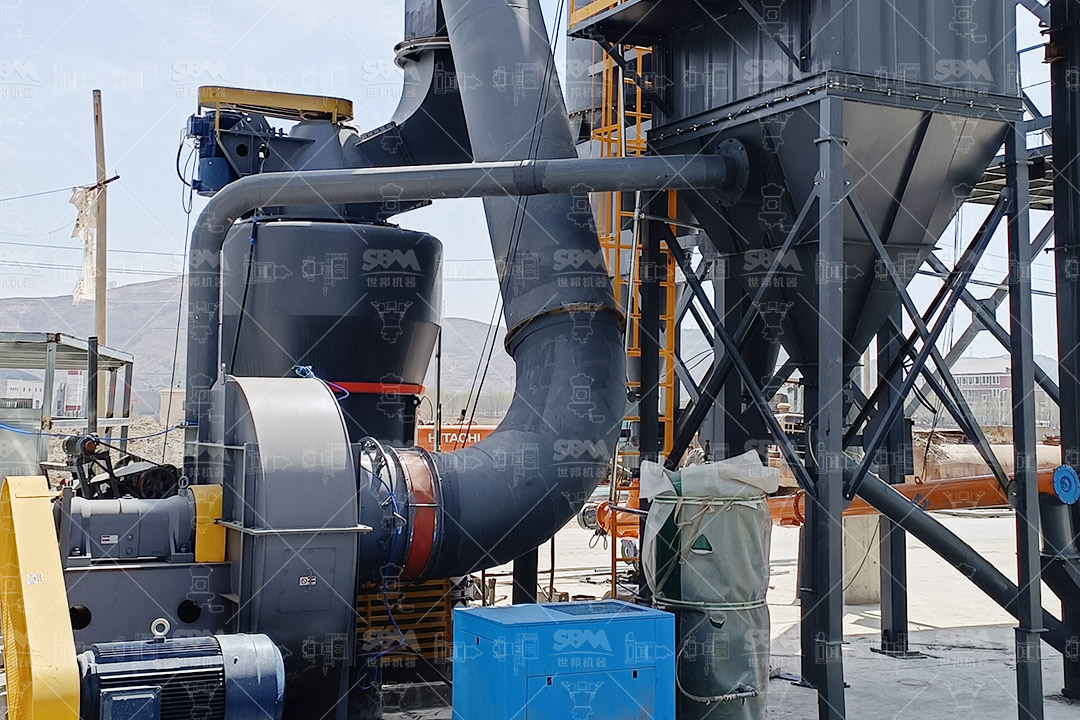
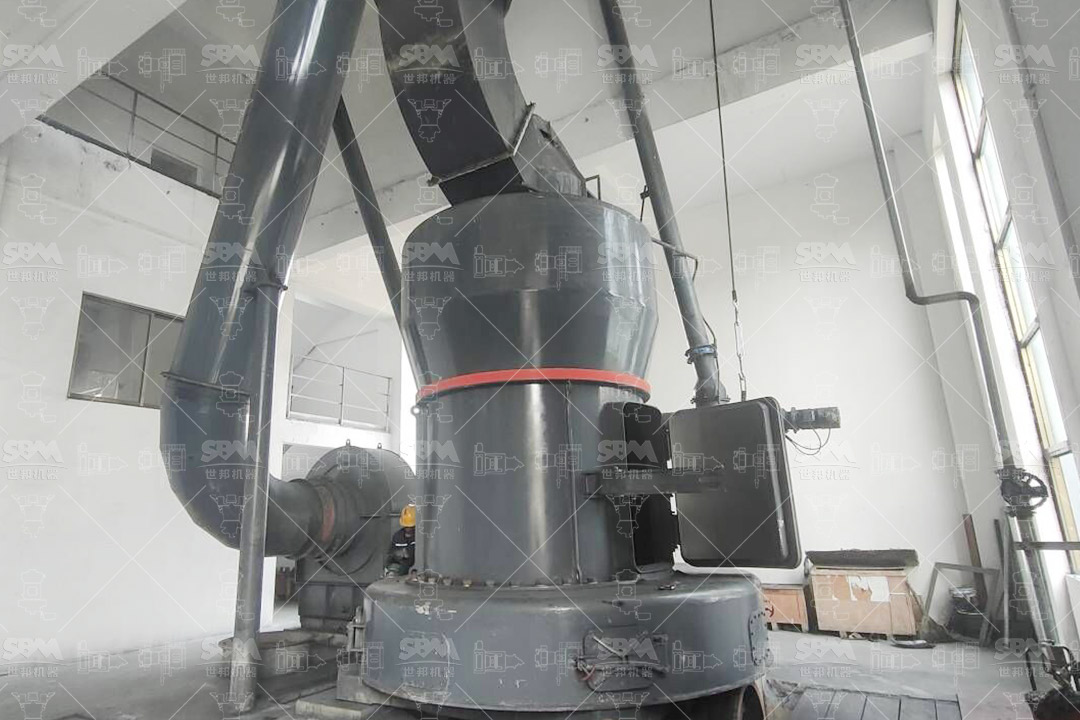
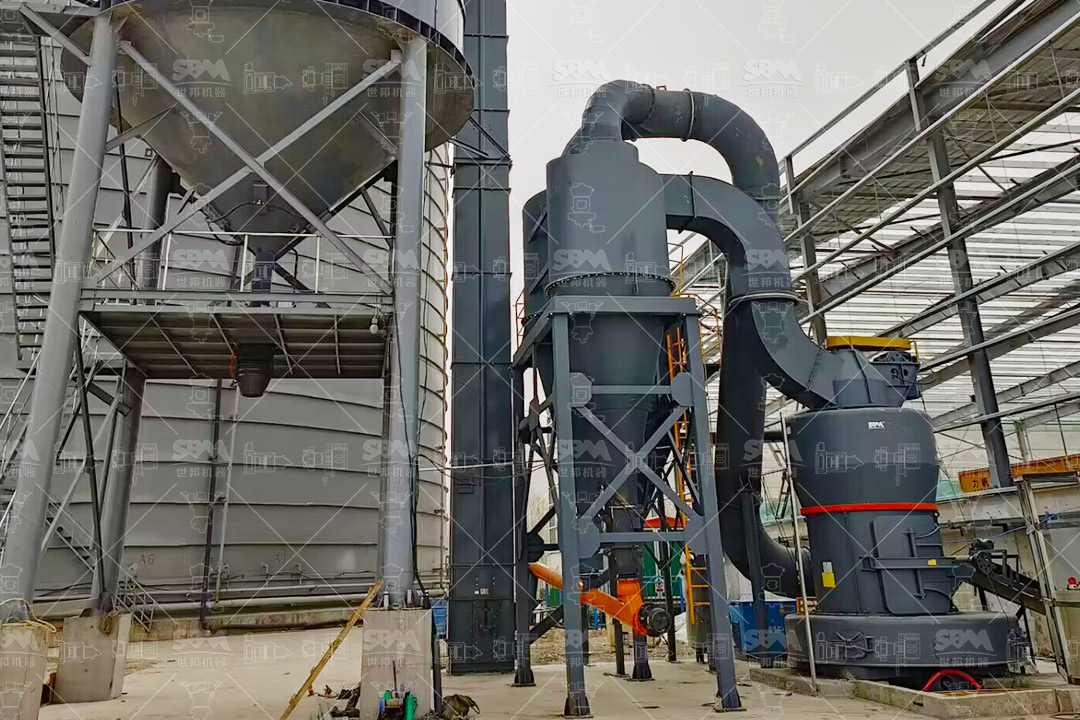
For large-scale production of dolomite powder for magnesium cementitious materials, the LM Series Vertical Roller Mill represents a state-of-the-art solution. This mill is designed to handle high capacities—up to 250 tons per hour—while maintaining precise control over product fineness in the range of 30 to 325 mesh (approximately 600 to 45 μm). The LM series is particularly advantageous when the production scale is large and energy efficiency is a priority.
The LM Series Vertical Roller Mill features an integrated design that combines crushing, grinding, and classification in a single compact unit. This reduces floor space by up to 50% compared to traditional ball mill systems and allows for outdoor installation, cutting infrastructure costs by approximately 40%. The mill operates on a bed-grinding principle, where material is ground between the rotating table and stationary rollers. This non-contact design between the rollers and the table minimizes wear and extends the life of wear parts by up to three times.
Energy consumption is a major consideration in dolomite grinding, and the LM series excels in this regard. Its optimized airflow and grinding efficiency result in energy consumption that is 30–40% lower than that of conventional ball mill systems. The mill is equipped with an expert-level automatic control system that supports remote and local operation, real-time monitoring of parameters, and reduced manual intervention. This intelligent control ensures stable operation and consistent product quality.
Environmental performance is another highlight of the LM Series. The mill operates under fully sealed negative pressure, preventing dust leakage and ensuring a clean working environment. Dust emissions are well below regulatory limits, and operating noise is minimized through effective sound insulation and vibration damping.
For magnesium cementitious material producers requiring high throughput and low operating costs, the LM Series Vertical Roller Mill is an ideal choice. Models such as the LM130K, LM150K, and LM170K offer capacities ranging from 10 to 48 tons per hour, with fineness adjustable to meet the specific requirements of different magnesium cement formulations.
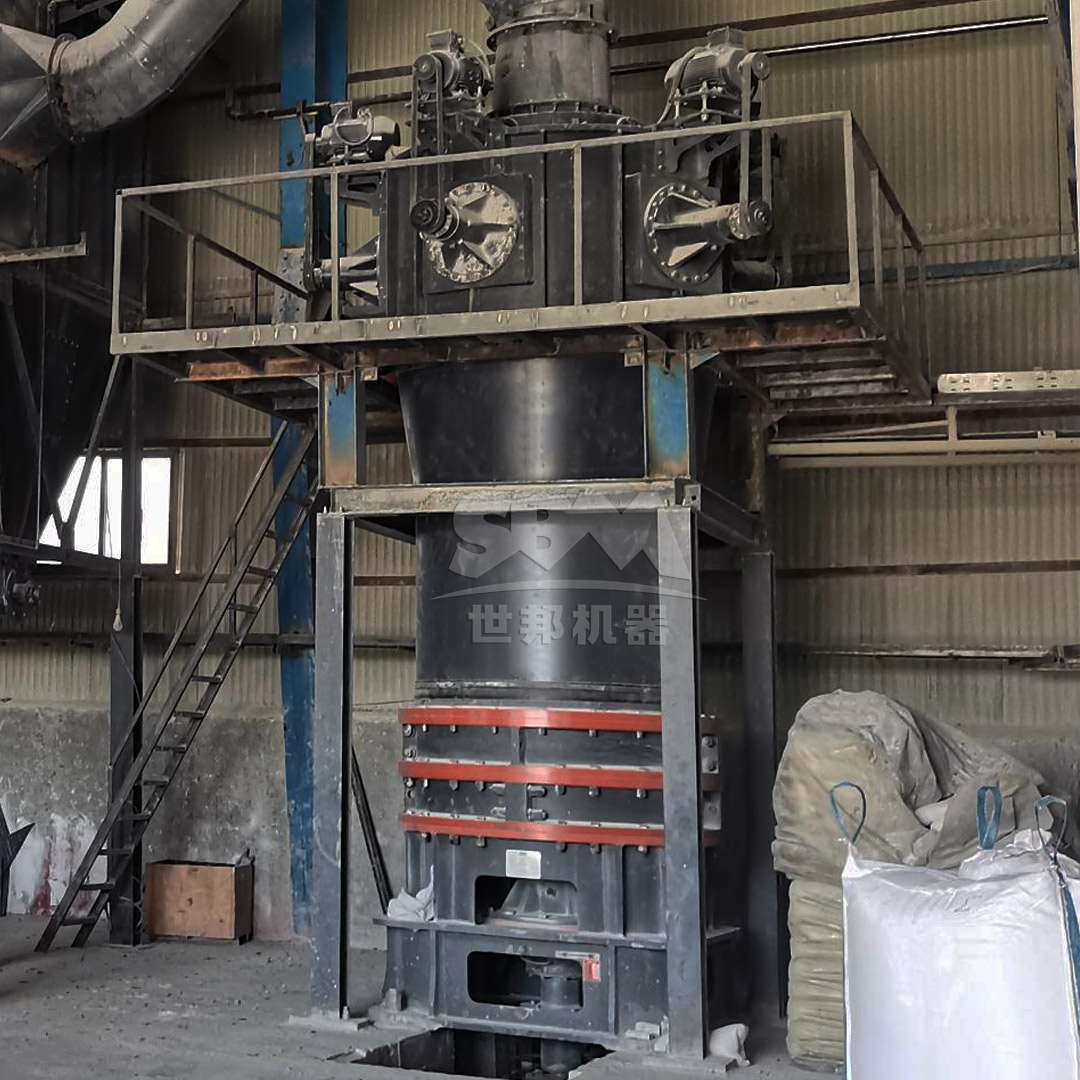
Choosing the appropriate grinding mill for dolomite processing in magnesium cementitious materials requires careful consideration of several factors. The first is the required fineness of the final product. If the application demands ultrafine powder (below 45 μm), the SCM Series Ultrafine Mill is the preferred choice due to its precise classification and high efficiency. For standard fineness (45–200 μm), the LM Series Vertical Roller Mill or MTW Series European Trapezium Mill may be more suitable, offering higher capacities and lower operating costs.
Production capacity is another critical factor. Small to medium-scale operations may benefit from the flexibility and lower capital cost of the MTM Series Medium-speed Trapezium Mill or the MRN Pendulum Mill. Large-scale producers, however, will find the LM Series Vertical Roller Mill or the Ball Mill more appropriate for high-volume continuous production.
Energy efficiency and environmental compliance are increasingly important in today’s regulatory landscape. Vertical roller mills and ultrafine mills generally offer superior energy efficiency and lower emissions compared to traditional ball mills. They also require less maintenance and have a smaller footprint, making them attractive for modern, sustainable production facilities.
Finally, the specific properties of the dolomite ore—such as hardness, moisture content, and chemical composition—should be taken into account. Our company’s engineers can provide customized recommendations and system designs to ensure optimal performance and product quality.
| Model | Capacity (t/h) | Main Power (kW) | Feed Size (mm) | Fineness (mesh) |
|---|---|---|---|---|
| SCM800 | 0.5-4.5 | 75 | 0-20 | 325-2500 |
| SCM900 | 0.8-6.5 | 90 | 0-20 | 325-2500 |
| SCM1000 | 1.0-8.5 | 132 | 0-20 | 325-2500 |
| SCM1250 | 2.5-14 | 185 | 0-20 | 325-2500 |
| SCM1680 | 5.0-25 | 315 | 0-20 | 325-2500 |
In conclusion, the success of magnesium cementitious material production hinges significantly on the quality and consistency of the dolomite powder. By selecting the right grinding mill technology and partnering with an experienced equipment supplier, producers can achieve optimal reactivity, energy efficiency, and environmental compliance. Our company offers a comprehensive range of grinding mills—including the SCM Series Ultrafine Mill and the LM Series Vertical Roller Mill—to meet the diverse needs of the magnesium cement industry. We invite you to contact our technical team to discuss your specific requirements and discover how our solutions can enhance your production processes.