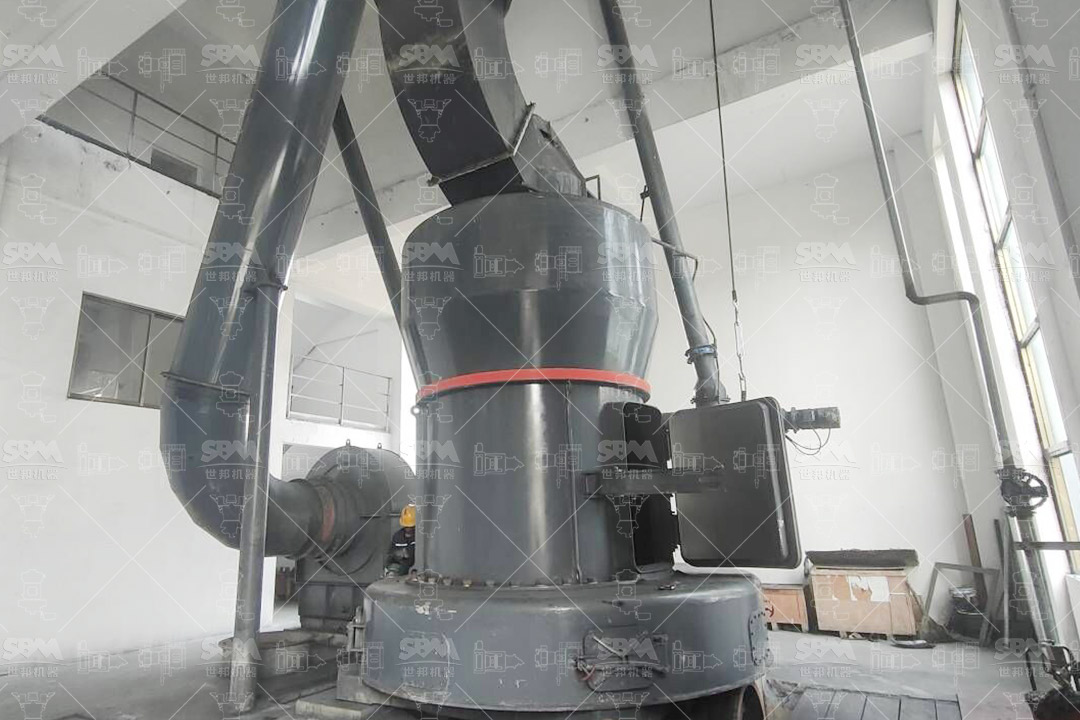
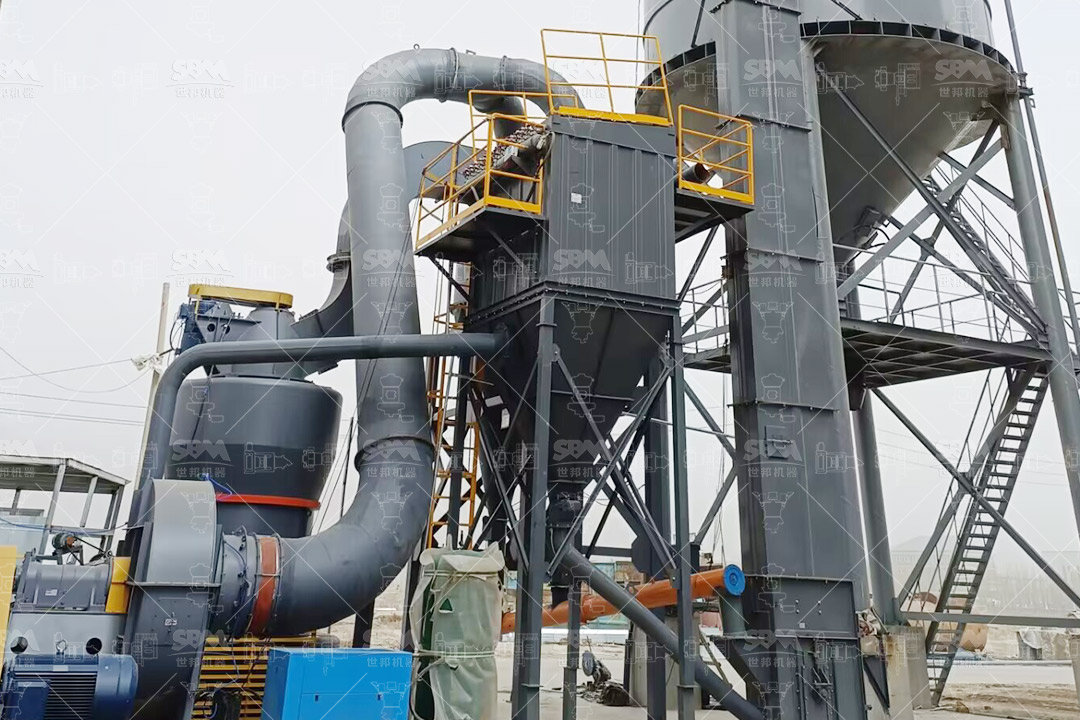
Kaolin, a naturally occurring hydrated aluminosilicate clay mineral, has been used for centuries in water treatment and purification processes. Its unique properties—including high surface area, cation exchange capacity, and ability to adsorb suspended particles and organic matter—make it an ideal material for removing turbidity, heavy metals, and other contaminants from water. In modern water treatment plants, kaolin is often processed into fine powders or slurries to maximize its adsorption efficiency. However, the performance of kaolin in water purification largely depends on its particle size distribution, purity, and surface characteristics. Therefore, selecting the appropriate grinding mill to process kaolin is a critical decision that directly impacts both treatment efficiency and operational costs.
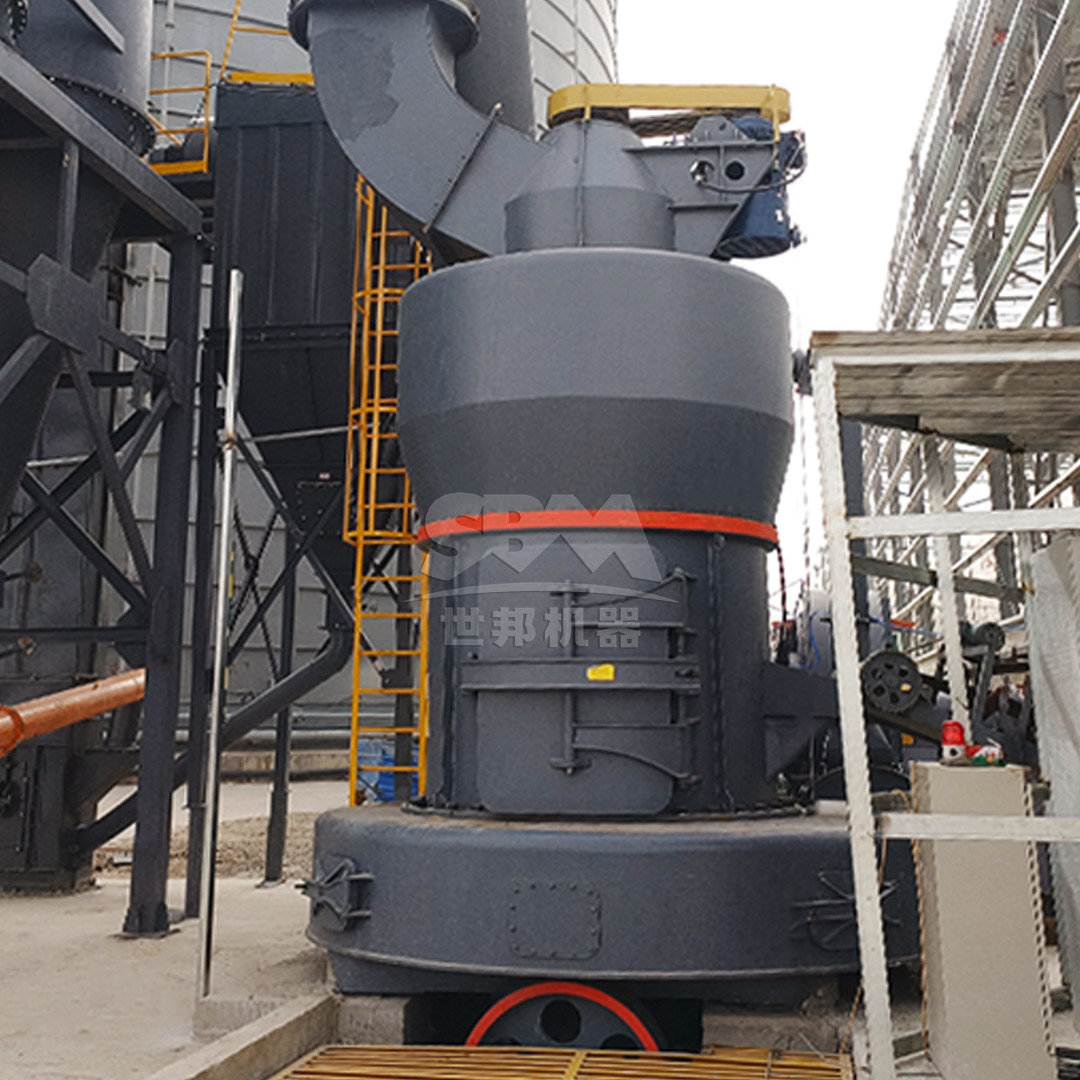
Before delving into mill selection, it is essential to understand the relationship between kaolin fineness and water treatment performance. In water purification, kaolin acts as a coagulant aid or adsorbent. When added to raw water, fine kaolin particles provide nucleation sites for floc formation, helping to entrap suspended solids, bacteria, and dissolved impurities. The smaller the particle size, the higher the specific surface area, which translates to greater adsorption capacity. However, extremely fine particles (below 5 μm) can be difficult to separate from treated water and may require additional filtration steps. Conversely, coarse particles (above 100 μm) settle too quickly and offer limited surface area for adsorption. The optimal fineness for water treatment kaolin typically ranges from 200 to 1250 mesh (about 74 μm down to 10 μm), depending on the specific contaminants being targeted and the downstream separation equipment.
The first step in selecting a mill is to define the target particle size distribution. For water treatment applications, kaolin is often ground to 325 mesh (45 μm) or finer. If your plant requires an ultrafine product (e.g., 1250 mesh or 10 μm) for enhanced adsorption, you will need a mill capable of achieving such fineness. Additionally, the mill must match your production capacity—whether you need a few tons per hour for a small municipal plant or tens of tons per hour for a large industrial facility.
Grinding is an energy-intensive process. The mill’s power consumption per ton of product is a major contributor to the total cost of kaolin processing. Mills that offer higher grinding efficiency (e.g., by using advanced classification systems or optimized grinding paths) can significantly reduce electricity costs. Moreover, wear parts such as rollers and rings should have long service lives to minimize downtime and replacement expenses.
For water purification, kaolin must be free of coarse particles that could clog filters or reduce adsorption efficiency. A mill with a high-precision classifier ensures a uniform product with a narrow particle size distribution. This is particularly important when the kaolin is used in precise dosing systems.
Water treatment plants are often located near residential areas, so noise and dust emissions must be controlled. A well-designed mill should feature soundproof enclosures and efficient dust collection systems to meet environmental regulations.
Easy maintenance and intelligent control systems can reduce labor requirements and prevent unexpected breakdowns. Mills with remote monitoring and automatic parameter adjustment are preferred in modern water treatment facilities.
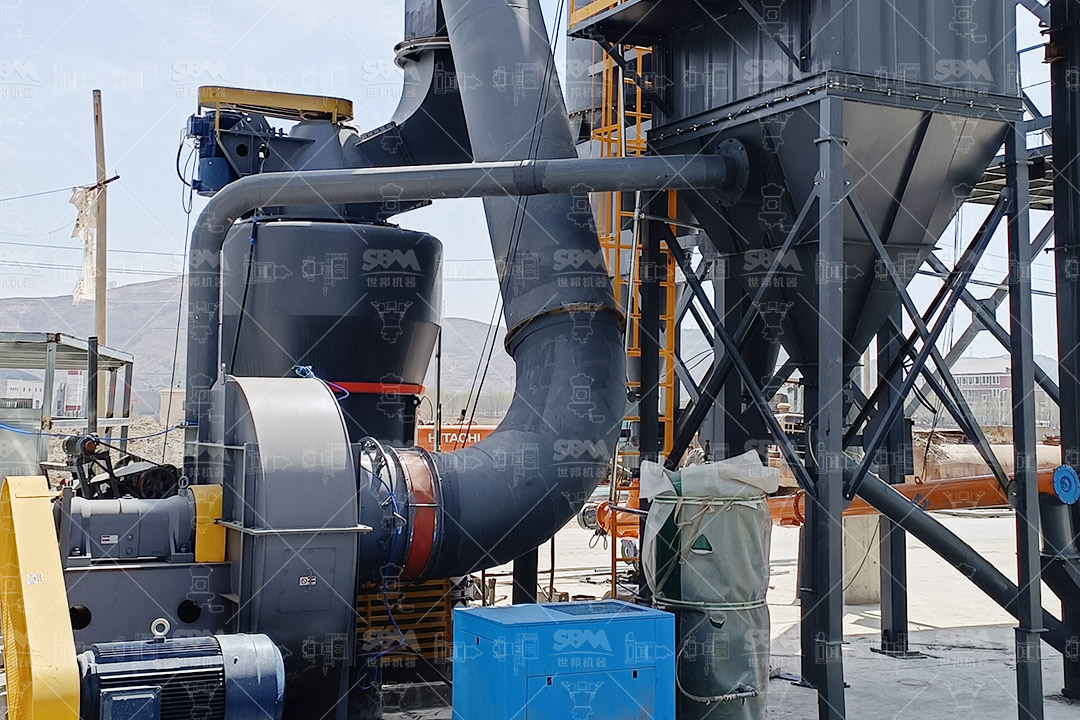
Based on the above criteria, we recommend two of our company’s advanced grinding mills that are particularly well-suited for kaolin processing in water purification applications: the SCM Series Ultrafine Mill and the MTW Series European Trapezium Mill. Both are engineered to deliver high efficiency, precise fineness, and reliable operation.
The SCM Series Ultrafine Mill is an ideal choice for water treatment plants that require ultrafine kaolin powder (down to 5 μm) for maximum adsorption capacity. Its core parameters include:
| Parameter | Value |
|---|---|
| Input Size | ≤20mm |
| Output Fineness | 325-2500 mesh (45-5μm) |
| Capacity | 0.5-25 ton/h (depending on model) |
Technical Advantages:
With models ranging from SCM800 (0.5-4.5 t/h) to SCM1680 (5-25 t/h), the SCM Series can be scaled to meet the needs of any water treatment plant. For example, a medium-sized plant requiring 5 tons per hour of 1250 mesh kaolin could select the SCM1250 model (2.5-14 t/h), which offers a main power of 185 kW and reliable performance.
For water treatment plants that need a coarser kaolin product (e.g., 200-325 mesh) but still demand high capacity and low operating costs, the MTW Series European Trapezium Mill is an excellent option. Its core parameters are:
| Parameter | Value |
|---|---|
| Input Size | ≤50mm |
| Output Fineness | 30-325 mesh (down to 0.038mm) |
| Capacity | 3-45 ton/h (depending on model) |
Technical Advantages:
Models such as the MTW110 (3-9 t/h) and MTW138Z (6-17 t/h) are well-suited for small to medium water treatment plants. For larger facilities, the MTW215G offers a capacity of 15-45 t/h, making it capable of supporting high-demand operations. The MTW Series also features patented technology, including an internal suction oil lubrication system and internationally advanced pulse dust removal, ensuring environmental compliance and long-term reliability.
| Feature | SCM Series Ultrafine Mill | MTW Series European Trapezium Mill |
|---|---|---|
| Fineness Range | 325-2500 mesh (45-5 μm) | 30-325 mesh (600-45 μm) |
| Capacity Range | 0.5-25 t/h | 3-45 t/h |
| Energy Consumption | 30% lower than jet mills | Optimized airflow, low energy loss |
| Classification Precision | Vertical turbine classifier, no coarse mixing | Precise control, uniform product |
| Wear Parts Life | Several times longer than standard | Extended by 30% with curved rollers |
| Environmental | Pulse dust collection, soundproof design | Pulse dust removal, low noise |
| Best For | Ultrafine kaolin for maximum adsorption | Medium-fine kaolin with high capacity |
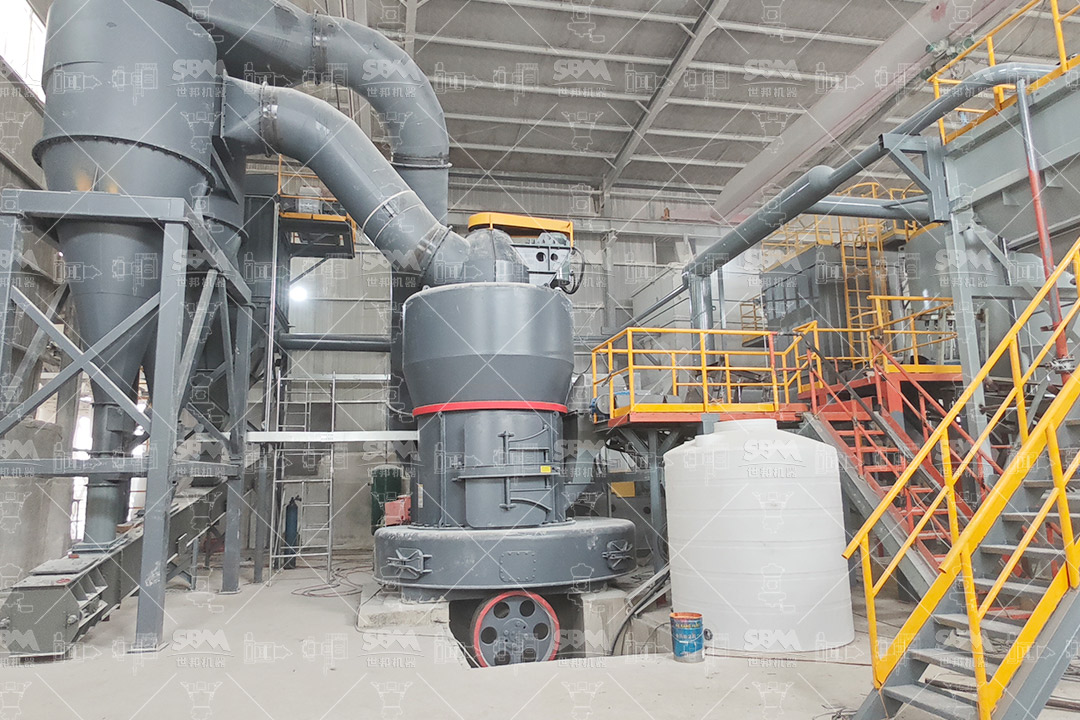
While SCM and MTW mills are highly recommended for most kaolin processing in water treatment, other mills may be suitable for specific scenarios. For instance, if your plant also processes other minerals or requires a very high capacity (above 50 t/h), the LM Series Vertical Roller Mill could be a viable choice. Its integrated design combines crushing, grinding, and classification, reducing floor space by 50% and allowing outdoor installation. The LM Series offers fineness up to 600 mesh and capacities from 3 to 250 t/h, making it a versatile option for large-scale operations. However, for dedicated kaolin ultrafine grinding, the SCM Series remains the most energy-efficient and precise solution.
Similarly, the Ball Mill is a traditional workhorse for grinding many materials, but it is less efficient for producing the fine, uniform particles required for advanced water purification. Ball mills are better suited for coarse grinding or when processing abrasive materials. The LUM Ultrafine Vertical Roller Mill is another alternative for ultrafine grinding, with models like LUM1525 achieving 1.6-11.5 t/h at 325-2500 mesh. It features unique roller/liner curves and multi-rotor classifying, but the SCM Series generally offers higher capacity for the same fineness and lower specific energy consumption.
A municipal water treatment plant in Southeast Asia needed to produce 8 tons per hour of kaolin powder at 800 mesh (18 μm) for a new advanced purification line. After evaluating several options, they selected our SCM1000 model (1.0-8.5 t/h, 132 kW). The mill was installed with a pulse dust collector and soundproof enclosure, meeting strict local noise and emission standards. The plant reported a 35% reduction in grinding energy costs compared to their previous jet mill, and the consistent particle size improved their turbidity removal efficiency by 20%. The automatic granulity feedback system allowed operators to adjust fineness without stopping production, ensuring seamless integration with their dosing system.
Choosing the right grinding mill for kaolin processing in your water treatment plant is a decision that affects product quality, operating costs, and environmental compliance. For ultrafine applications where maximum adsorption is critical, the SCM Series Ultrafine Mill is the clear winner, offering fineness down to 5 μm, high energy efficiency, and precise classification. For medium-fine applications with higher capacity needs, the MTW Series European Trapezium Mill provides a robust and cost-effective solution. Both mills are backed by our company’s commitment to innovation, durability, and environmental responsibility. We invite you to consult our engineers to determine the optimal model and configuration for your specific kaolin source and water treatment requirements.
By investing in the right grinding technology, your water treatment plant can achieve higher purification efficiency, lower operating costs, and a smaller environmental footprint—turning kaolin into a powerful ally for clean water.