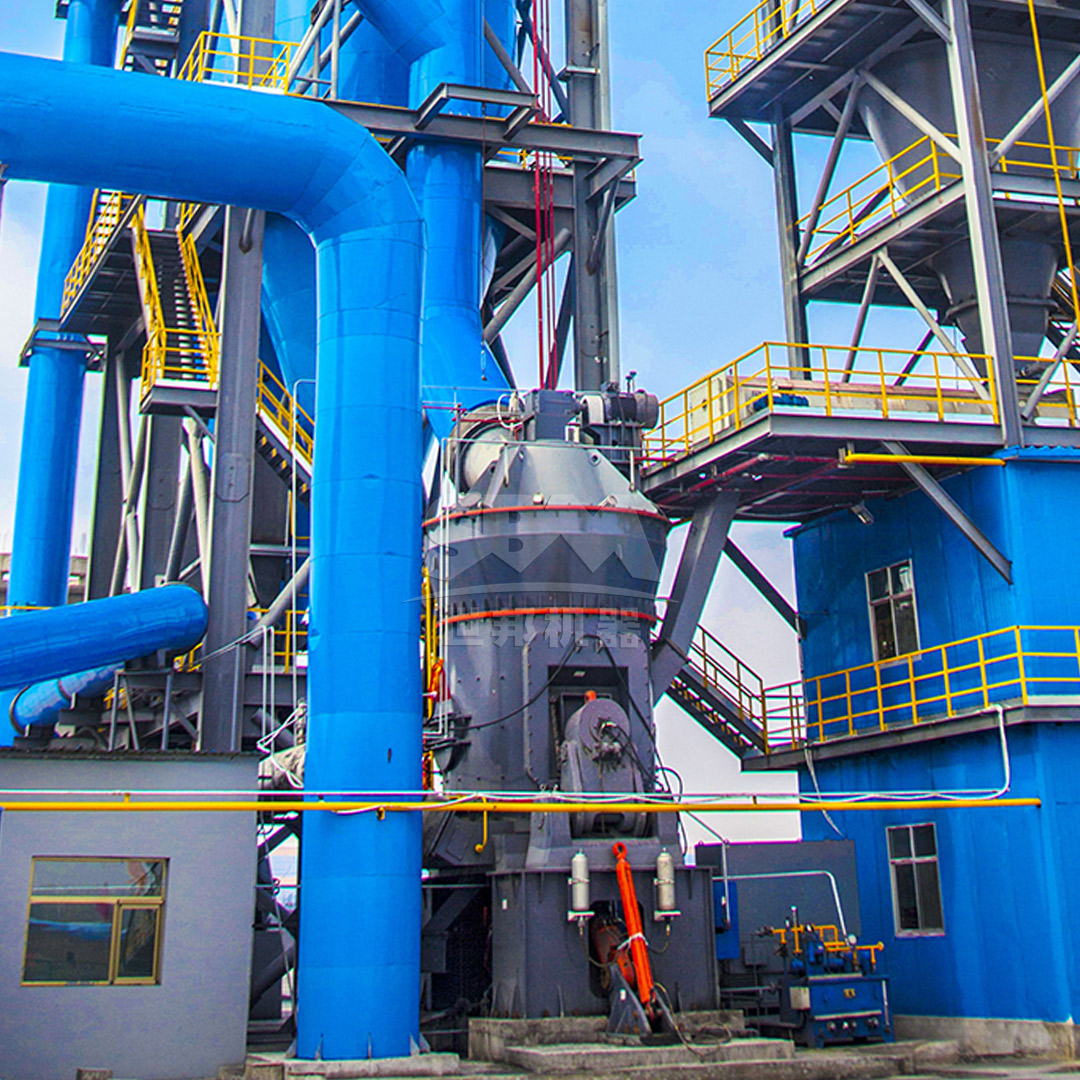
Fly ash, a byproduct of coal combustion in thermal power plants, has become an indispensable supplementary cementitious material (SCM) in modern concrete production. Its pozzolanic properties improve concrete durability, reduce permeability, and lower the overall carbon footprint of cement manufacturing. However, to fully unlock the potential of fly ash as a cement raw material, it must be processed to a suitable fineness—typically between 325 and 2500 mesh (45–5 μm)—using specialized milling equipment. Choosing the right milling solution is critical for achieving consistent quality, optimizing energy consumption, and maximizing return on investment. This article provides a comprehensive guide to selecting fly ash processing equipment, with a focus on two of our company’s most advanced solutions: the SCM Series Ultrafine Mill and the MTW Series European Trapezium Mill.
Fly ash reactivity is directly related to its particle size distribution. Finer particles expose more reactive silica and alumina surfaces, accelerating pozzolanic reactions and improving early strength development. While ordinary Portland cement typically requires fly ash with a Blaine fineness of 300–400 m²/kg, high-performance concrete and specialized cement blends demand ultrafine fly ash (≥600 m²/kg, corresponding to 1250 mesh or finer). Therefore, the milling solution must be capable of achieving target fineness while maintaining high throughput and low energy consumption.
When evaluating milling solutions for fly ash, consider the following factors:
Below, we examine two of our most recommended solutions for fly ash processing, each tailored to different fineness and capacity needs.
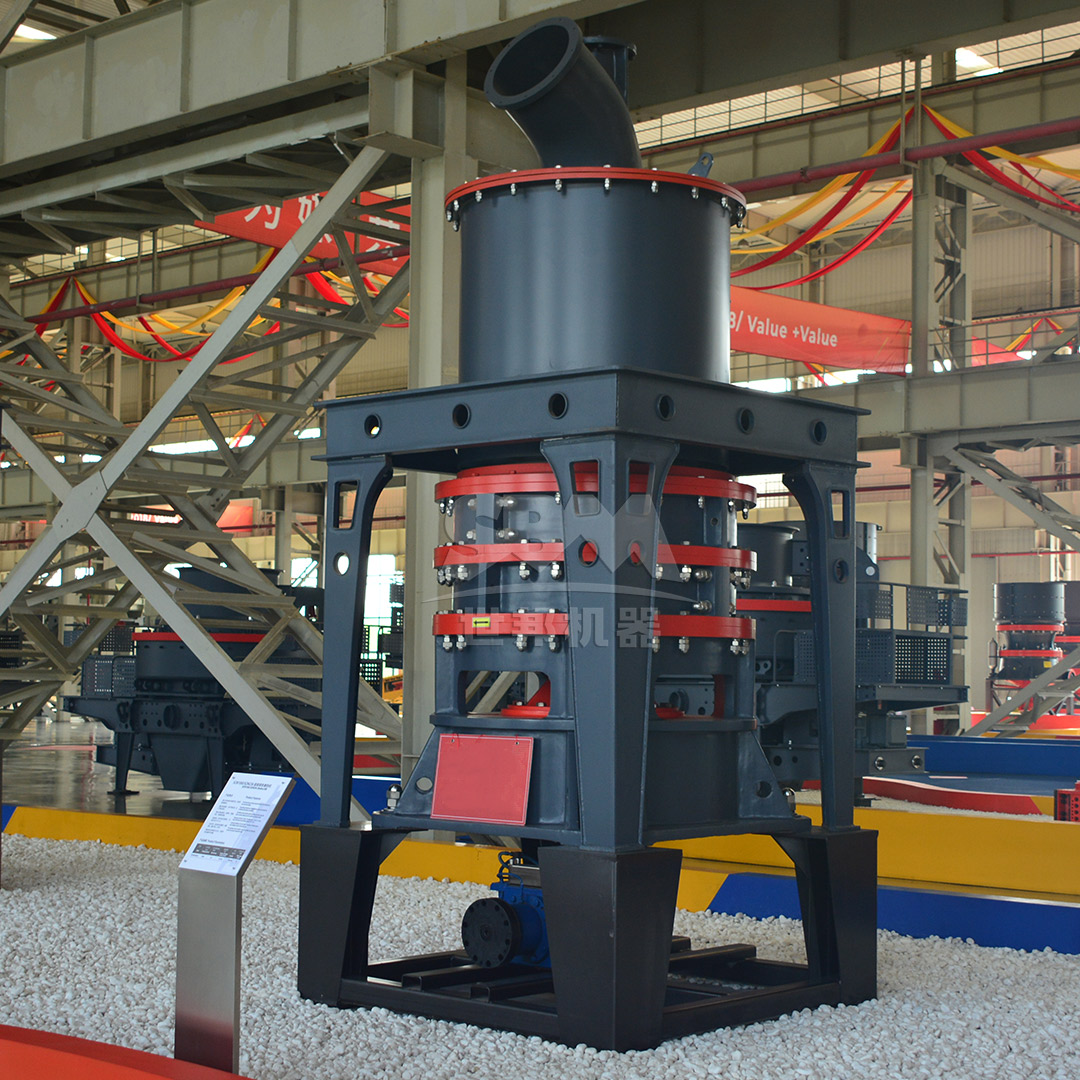
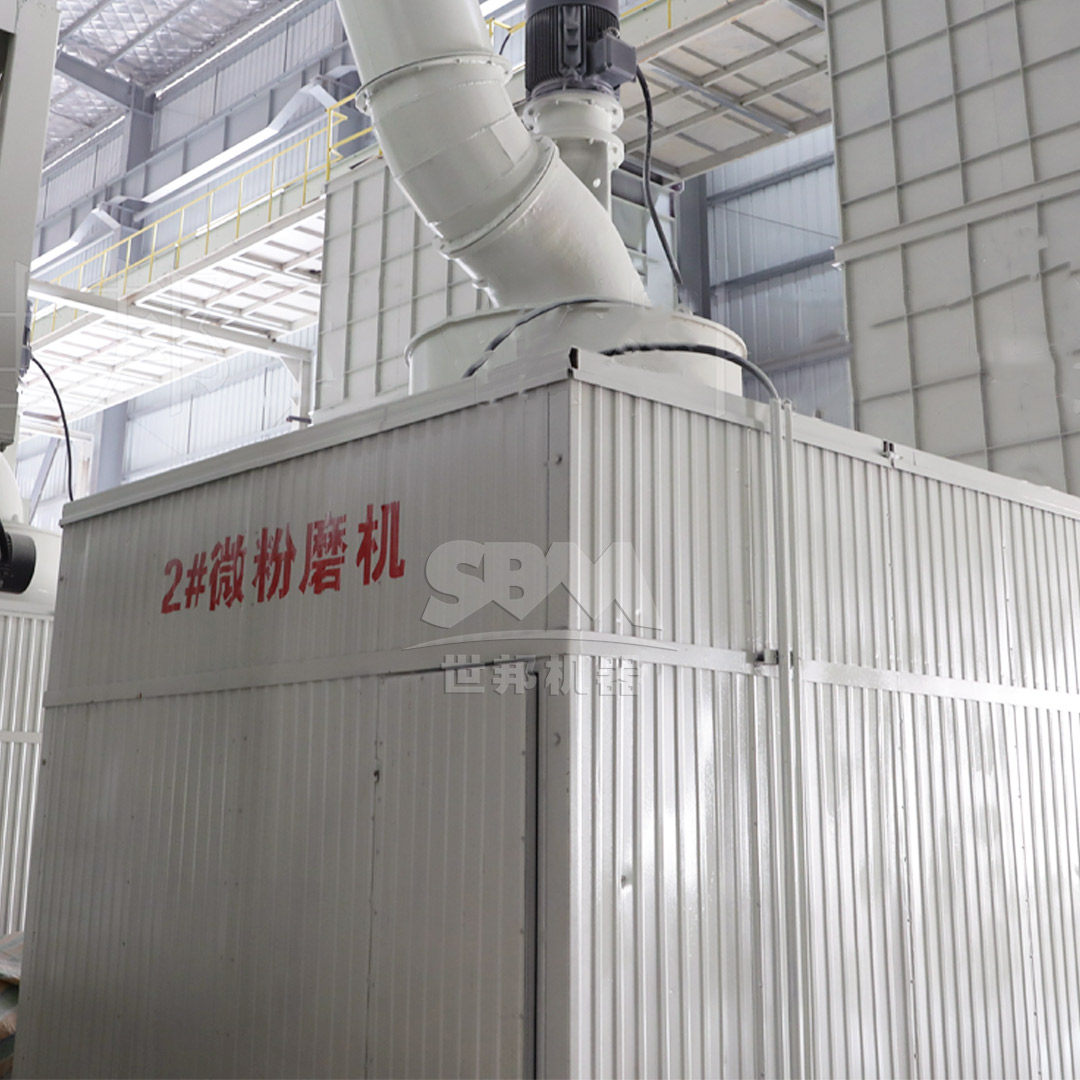
When the target is ultrafine fly ash (325–2500 mesh), the SCM Series Ultrafine Mill is the ideal choice. This mill is specifically engineered for high-efficiency ultrafine grinding and classification, combining advanced turbine classifier technology with a durable grinding chamber.
High Efficiency & Energy Saving: The SCM mill achieves twice the capacity of a jet mill while consuming 30% less energy. An intelligent control system with automatic finished product granularity feedback ensures stable operation at optimal efficiency.
High-Precision Classification: The vertical turbine classifier provides precise particle size cutting, preventing coarse powder mixing and guaranteeing uniform finished products—critical for consistent fly ash reactivity.
Durable Design: Special material rollers and rings extend service life several times over compared to conventional wear parts. The shaftless screw grinding chamber ensures stable operation even under continuous heavy loads.
Eco-friendly & Low Noise: Pulse dust collection efficiency exceeds international standards, and a soundproof room design keeps noise levels well below regulatory limits.
The main motor drives three layers of grinding rings to rotate. Materials are dispersed into the grinding path by centrifugal force, crushed by roller pressure, and ground layer by layer. Finally, powder collection is completed by a cyclone collector and a pulse dust removal system.
| Model | Capacity (t/h) | Main Power (kW) | Feed Size (mm) | Fineness (mesh) |
|---|---|---|---|---|
| SCM800 | 0.5–4.5 | 75 | 0–20 | 325–2500 |
| SCM900 | 0.8–6.5 | 90 | 0–20 | 325–2500 |
| SCM1000 | 1.0–8.5 | 132 | 0–20 | 325–2500 |
| SCM1250 | 2.5–14 | 185 | 0–20 | 325–2500 |
| SCM1680 | 5.0–25 | 315 | 0–20 | 325–2500 |
The SCM Series is particularly suited for producing ultrafine fly ash for high-performance concrete, where reactivity and consistency are paramount. Its ability to reliably achieve 1250 mesh or finer makes it a preferred choice for advanced cement blends.
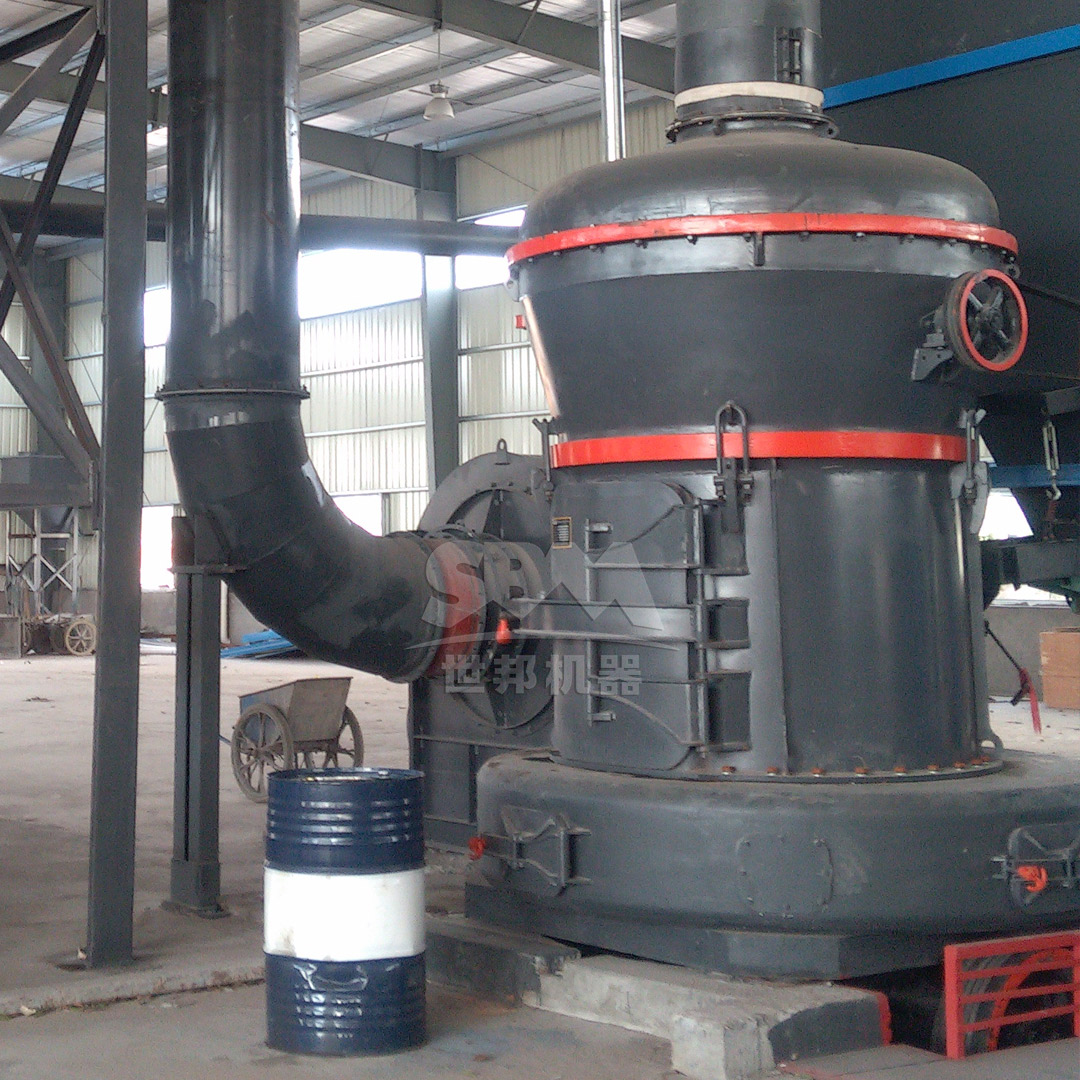
For applications requiring medium fineness (30–325 mesh, i.e., 600–45 μm) and higher capacities, the MTW Series European Trapezium Mill offers an optimal balance of performance, durability, and cost-efficiency. This mill is well-suited for processing fly ash intended for blended cements, concrete blocks, and general construction applications.
Anti-wear Shovel Design: Combined shovel blades with a curved profile reduce maintenance costs and extend grinding roller life—ideal for abrasive fly ash.
Optimized Arc Air Duct: The arc-shaped air duct reduces airflow energy loss and improves transmission efficiency, while high-strength guard plates protect the working surface.
Integral Bevel Gear Drive: Transmission efficiency reaches 98%, saving space and reducing installation costs compared to conventional belt drives.
Wear-resistant Volute Structure: The non-resistance flow design improves air selection efficiency and reduces maintenance costs by 30%.
The main motor drives the grinding rollers to revolve around the central axis while self-rotating to generate centrifugal force. Shovels throw materials between the ring and rollers to form a material layer, achieving efficient crushing through extrusion. The classification system precisely controls the finished product size.
| Model | Capacity (t/h) | Main Power (kW) | Feed Size (mm) | Fineness (mesh) |
|---|---|---|---|---|
| MTW110 | 3–9 | 55 | <30 | 10–325 |
| MTW110Z | 3–10 | 55 | <30 | 10–325 |
| MTW138Z | 6–17 | 90 | <35 | 10–325 |
| MTW175G | 9.5–25 | 160 | <40 | 10–325 |
| MTW215G | 15–45 | 280 | <50 | 10–325 |
| MRN158 | 7–21 | 132 | <40 | 10–325 |
| MRN198 | 12–33 | 220 | <45 | 10–325 |
| MRN218 | 15–45 | 280 | <50 | 10–325 |
The MTW Series is particularly effective for producing fly ash with a fineness of 200–400 mesh, which is commonly used in cement raw meal preparation and as a mineral admixture. Its robust construction and efficient classification make it a reliable workhorse for medium-scale operations.
The choice between the SCM Series and the MTW Series depends primarily on the desired fineness and production capacity:
Both mills can be integrated with feeding, conveying, and dust collection systems to form a complete fly ash processing plant. Our engineering team can assist in configuring the optimal system layout based on your site conditions and production goals.
Moisture Control: Fly ash may contain residual moisture. Both SCM and MTW mills can be equipped with hot air generators to dry the material during grinding, ensuring smooth operation and preventing clogging.
Dust Collection: Pulse jet dust collectors are standard on both mills, achieving emission concentrations below 10 mg/m³—well within international standards.
Automation: Both series offer PLC-based control systems with remote monitoring capabilities, reducing manual intervention and ensuring consistent product quality.
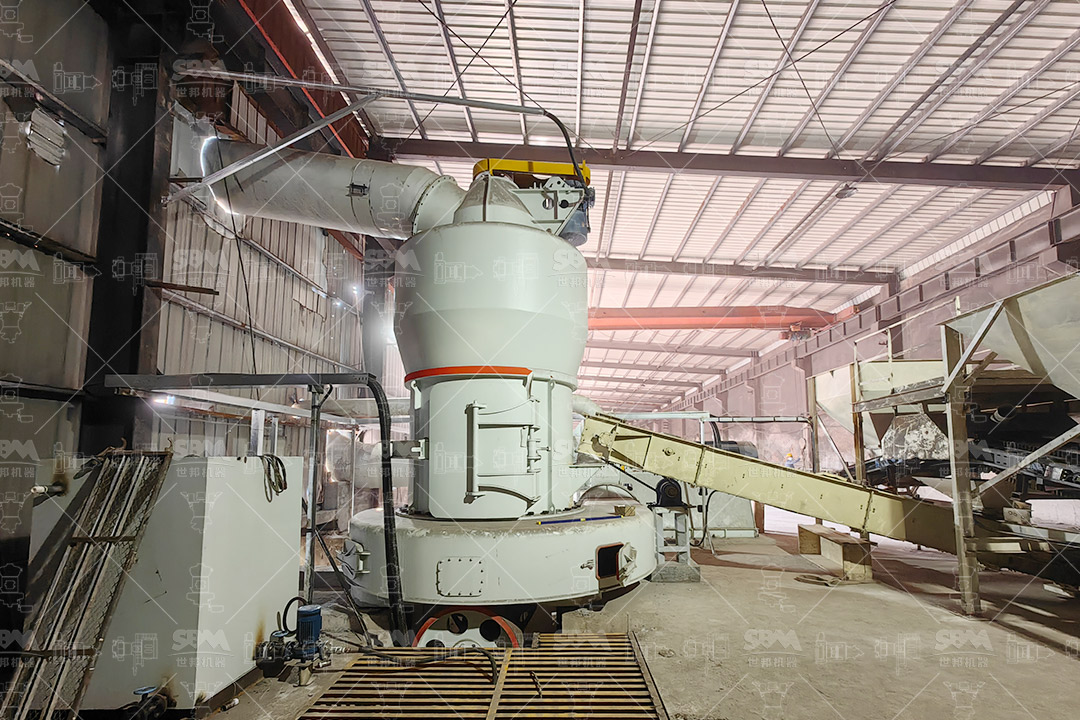
Selecting the right milling solution for fly ash processing is a strategic decision that impacts product quality, operational costs, and environmental compliance. The SCM Series Ultrafine Mill excels in producing ultrafine fly ash with precise classification and low energy consumption, while the MTW Series European Trapezium Mill offers a cost-effective solution for medium-fineness, high-capacity applications. By carefully assessing your fineness targets, capacity requirements, and budget, you can choose the mill that best aligns with your cement production goals. Our team is ready to provide customized recommendations and technical support to help you optimize your fly ash processing line.