Fly ash, a byproduct of coal combustion in power plants, has become an indispensable supplementary cementitious material (SCM) in modern concrete production. When properly processed, fly ash improves concrete workability, reduces permeability, enhances long-term strength, and lowers the overall carbon footprint of cement mixtures. However, the effectiveness of fly ash as a cement admixture depends heavily on its fineness and particle size distribution. Coarse fly ash is less reactive, while ultrafine fly ash can significantly boost early-age strength and durability. Therefore, selecting the right grinding mill for fly ash processing is a critical decision that directly impacts product quality, operational efficiency, and profitability.
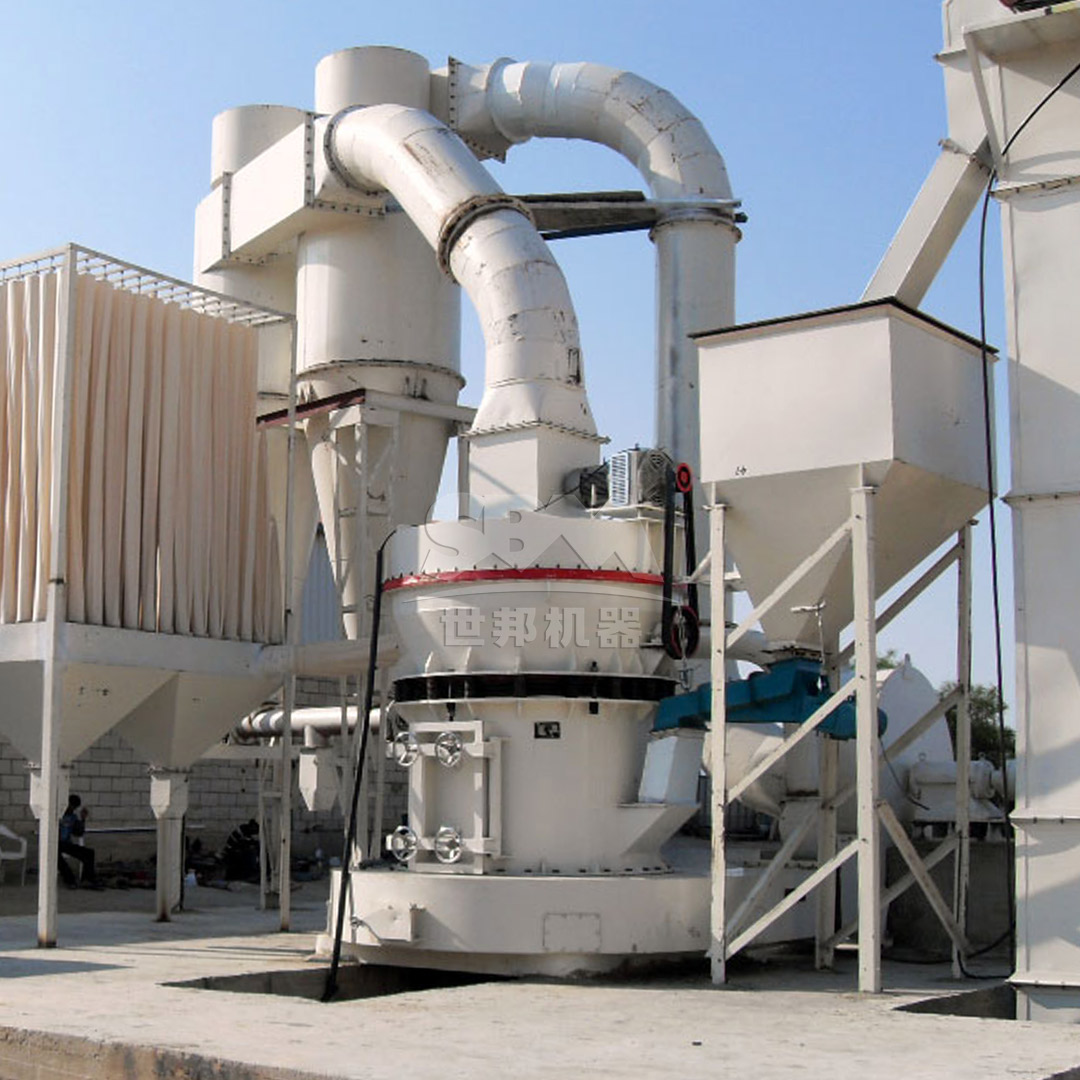
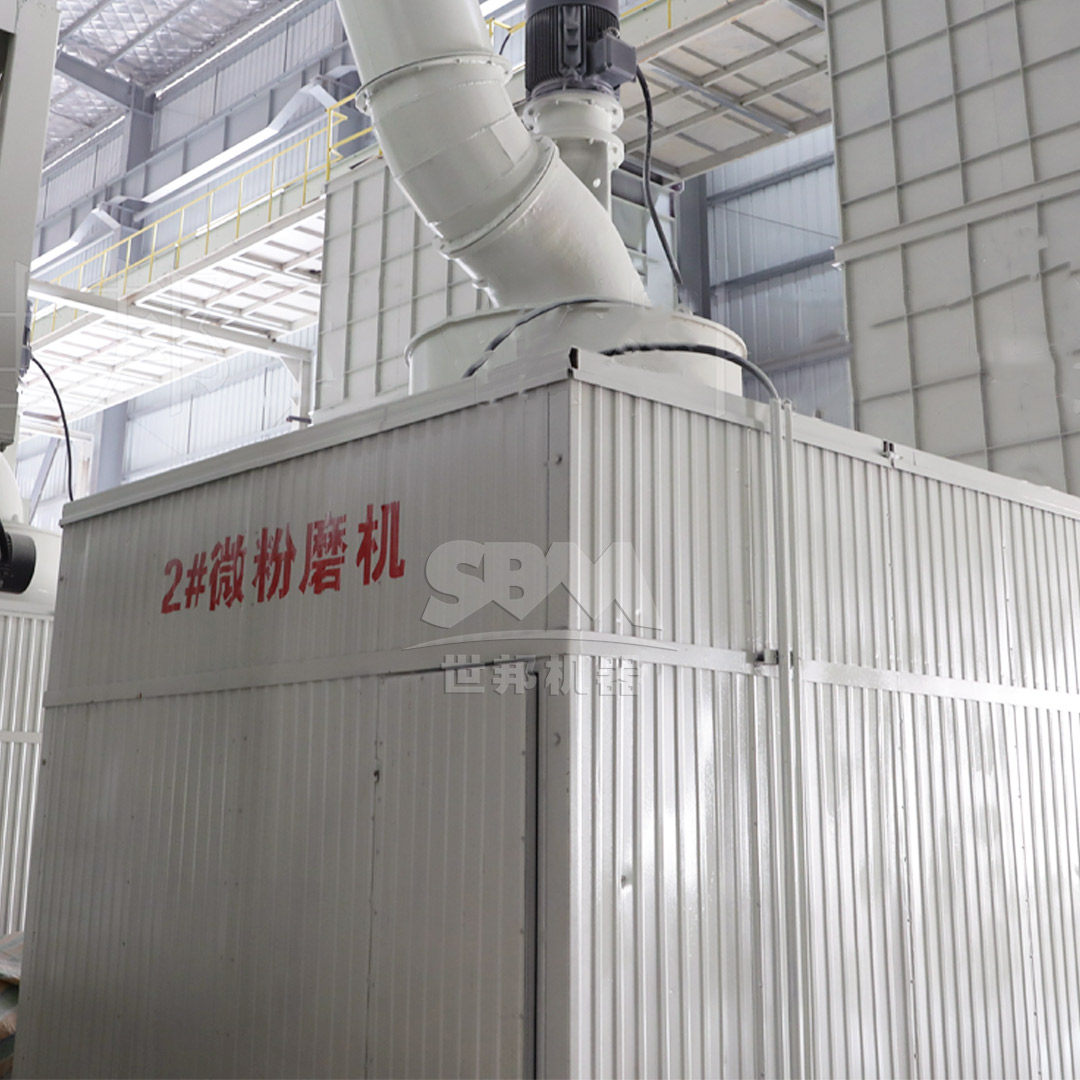
Figure 1: Typical fly ash grinding plant layout with integrated dust collection
This article provides a comprehensive guide to choosing the right grinding mill for fly ash processing, covering the key characteristics of fly ash, the critical parameters to consider, and an overview of the most suitable mill technologies available in the market today. We will also highlight two exceptional products from our company—the SCM Series Ultrafine Mill and the MTW Series European Trapezium Mill—that have proven highly effective in fly ash processing for cement admixtures.
Fly ash is a fine powder consisting mostly of spherical, glassy particles composed primarily of silicon dioxide (SiO2), aluminum oxide (Al2O3), and iron oxide (Fe2O3). According to ASTM C618, fly ash is classified into Class F (low calcium) and Class C (high calcium), with Class F being more common and requiring activation through fine grinding to achieve desirable pozzolanic reactivity.
The performance of fly ash in cement and concrete is governed by several factors:
Given these requirements, the grinding mill must deliver precise fineness control, high classification efficiency, and minimal contamination. It must also handle the abrasive nature of fly ash and operate reliably over long periods.
When choosing a grinding mill for fly ash processing, several critical factors must be evaluated:
The mill must be capable of achieving the required fineness, typically in the range of 325 to 2500 mesh (45 μm to 5 μm). For cement admixtures, a common target is 400-600 m²/kg Blaine fineness. The mill’s classification system should provide sharp cut-points to avoid coarse particles and ensure uniform product quality.
Production capacity should match the expected demand, with room for future expansion. Mills with adjustable capacity and modular design are advantageous. For large cement plants, capacities of 20-30 t/h or more may be required, while smaller operations may need 5-10 t/h.
Grinding is an energy-intensive process, often accounting for a significant portion of production costs. Mills with high grinding efficiency and low specific power consumption (kWh/t) are essential. Advanced classification and material bed grinding principles can reduce energy use by 30-40% compared to traditional ball mills.
Fly ash is abrasive, so wear parts such as rollers, rings, and liners must be made from high-chrome or ceramic materials. Easy maintenance and quick-change systems reduce downtime and operating costs.
Dust emission must be controlled to meet stringent environmental regulations. Integrated pulse-jet dust collectors with high efficiency (>99.9%) are standard. Noise levels should also be kept low, especially for indoor installations.
Modern mills should feature PLC-based control systems with automatic fineness feedback, remote monitoring, and predictive maintenance capabilities. This ensures stable operation and consistent product quality.
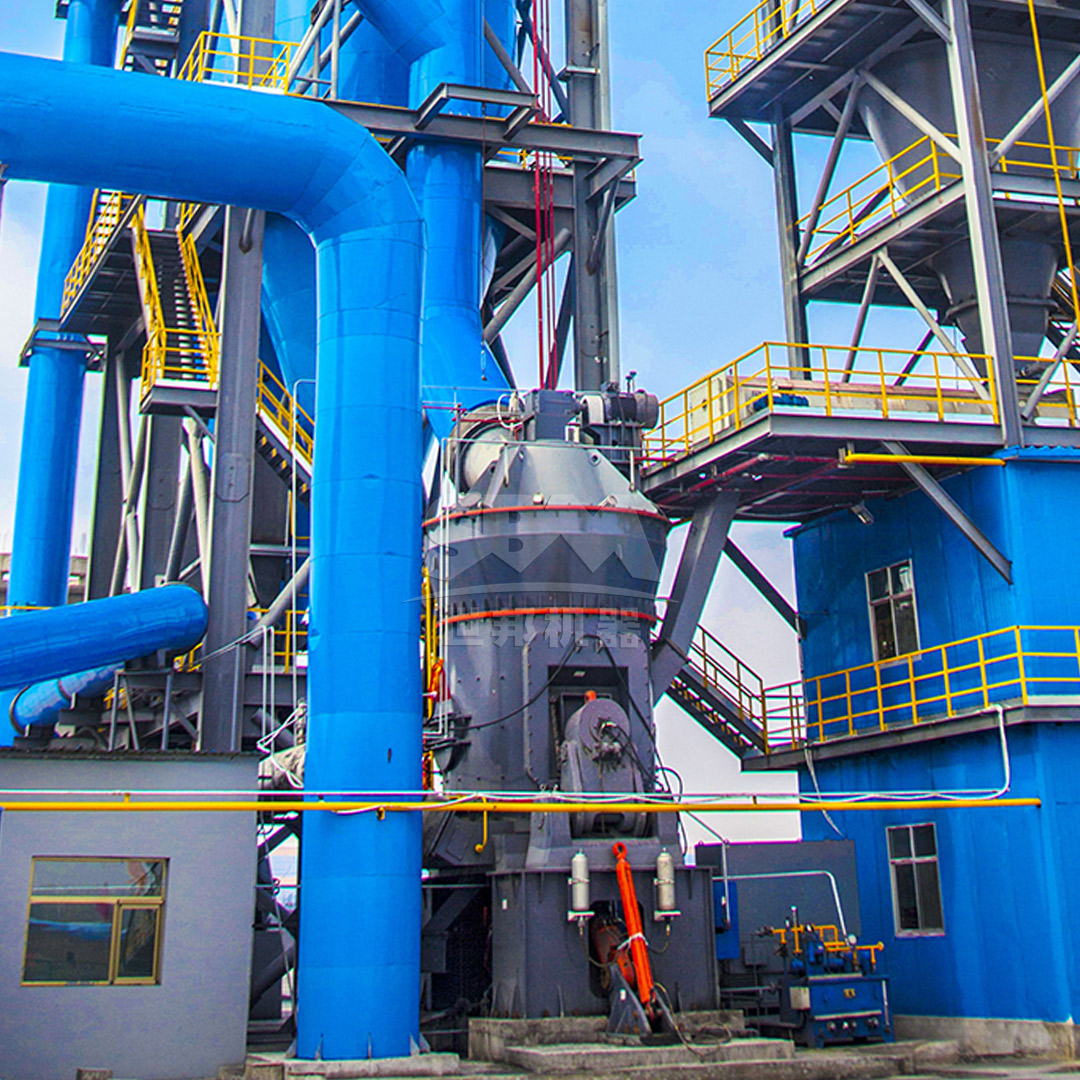
Figure 2: Vertical roller mill with dynamic classifier for precise fly ash fineness control
Several types of grinding mills are used for fly ash processing, each with its own advantages and limitations. The most common technologies include:
Ball mills are traditional and widely used for grinding fly ash. They can achieve fine grinding and are suitable for both dry and wet processes. However, ball mills have low energy efficiency, high wear rates, and can cause particle agglomeration. They are increasingly being replaced by more efficient technologies.
Vertical roller mills use a rotating table and rollers to grind material by pressure and attrition. They offer high grinding efficiency, low energy consumption, and integrated classification. VRMs are known for their compact footprint and ability to handle large capacities. However, they may not be suitable for ultrafine grinding below 10 μm.
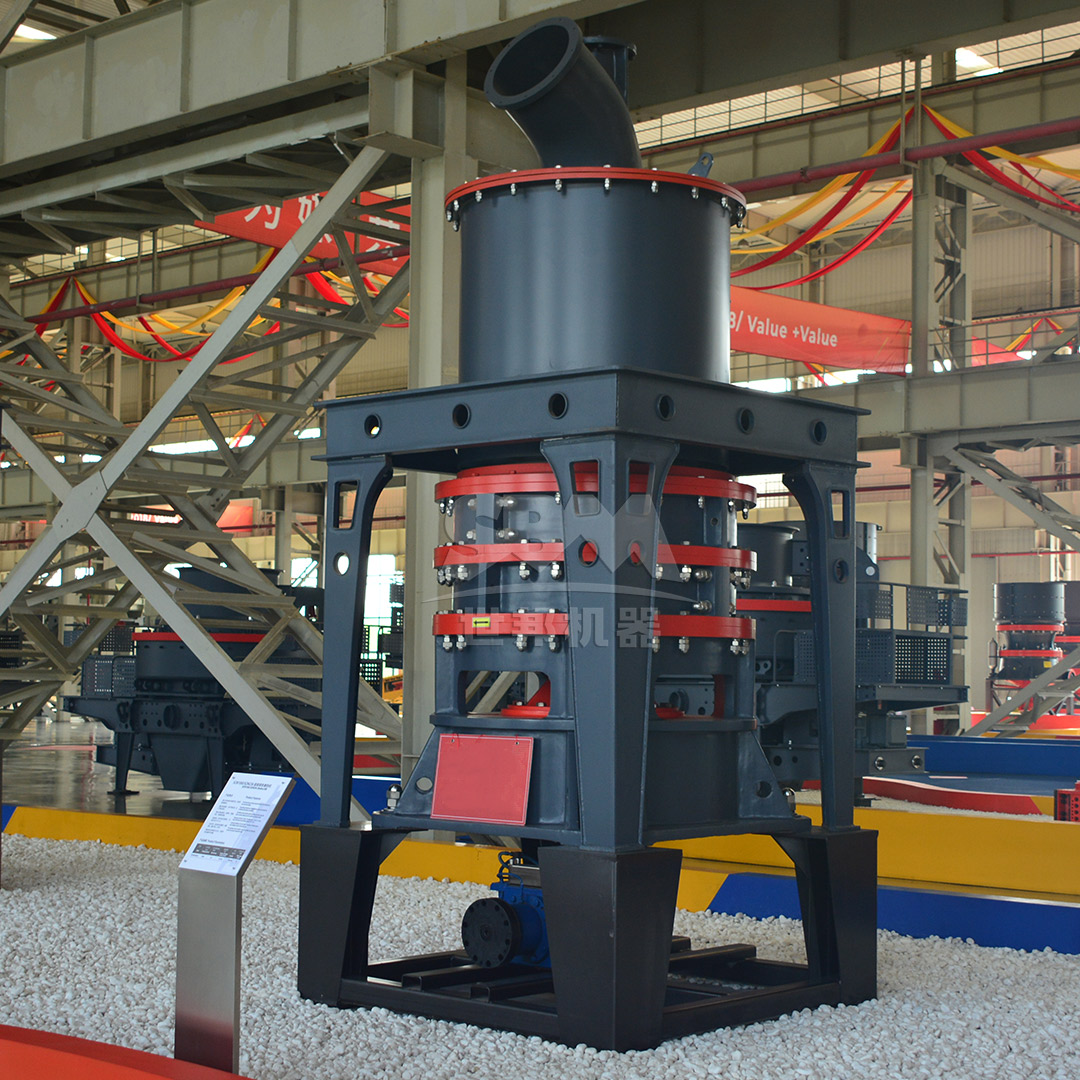
Ultrafine mills, such as the SCM Series, are designed specifically for producing fine and ultrafine powders. They use high-speed rotation and multi-stage classification to achieve fineness up to 2500 mesh. These mills are ideal for high-value applications where precise particle size is critical.
Trapezium mills, like the MTW Series, combine the advantages of roller mills and pendulum mills. They offer a good balance between capacity and fineness, making them suitable for medium-fine grinding of fly ash. Their robust design and efficient classification make them a popular choice for cement admixture production.
Based on decades of experience in powder processing, we recommend two of our flagship products for fly ash processing in cement admixtures. Both mills have been successfully deployed in numerous fly ash grinding plants worldwide and have demonstrated exceptional performance.
The SCM Series Ultrafine Mill is our most advanced solution for ultrafine fly ash grinding. With an output fineness of 325-2500 mesh (45-5 μm) and a capacity range of 0.5-25 t/h, this mill is perfect for producing high-reactivity fly ash for high-performance concrete.
Key Advantages:
Working Principle: The main motor drives three layers of grinding rings to rotate. Materials are dispersed into the grinding path by centrifugal force, crushed by roller pressure, and ground layer by layer. Finally, powder collection is completed by a cyclone collector and a pulse dust removal system.
Models: SCM800 (0.5-4.5 t/h), SCM900 (0.8-6.5 t/h), SCM1000 (1.0-8.5 t/h), SCM1250 (2.5-14 t/h), SCM1680 (5.0-25 t/h). All models accept feed size up to 20 mm and deliver fineness from 325 to 2500 mesh.
The MTW Series European Trapezium Mill is a versatile and robust mill designed for medium-fine grinding. With an output fineness of 30-325 mesh (down to 0.038 mm) and a capacity range of 3-45 t/h, it is an excellent choice for producing standard cement admixture fly ash.
Key Advantages:
Working Principle: The main motor drives the grinding rollers to revolve around the central axis while self-rotating to generate centrifugal force. Shovels throw materials between the ring and rollers to form a material layer, achieving efficient crushing through extrusion. The classification system precisely controls the finished product size.
Models: MTW110 (3-9 t/h), MTW110Z (3-10 t/h), MTW138Z (6-17 t/h), MTW175G (9.5-25 t/h), MTW215G (15-45 t/h), and MRN series. All models offer fineness from 10 to 325 mesh and accept feed sizes up to 50 mm.
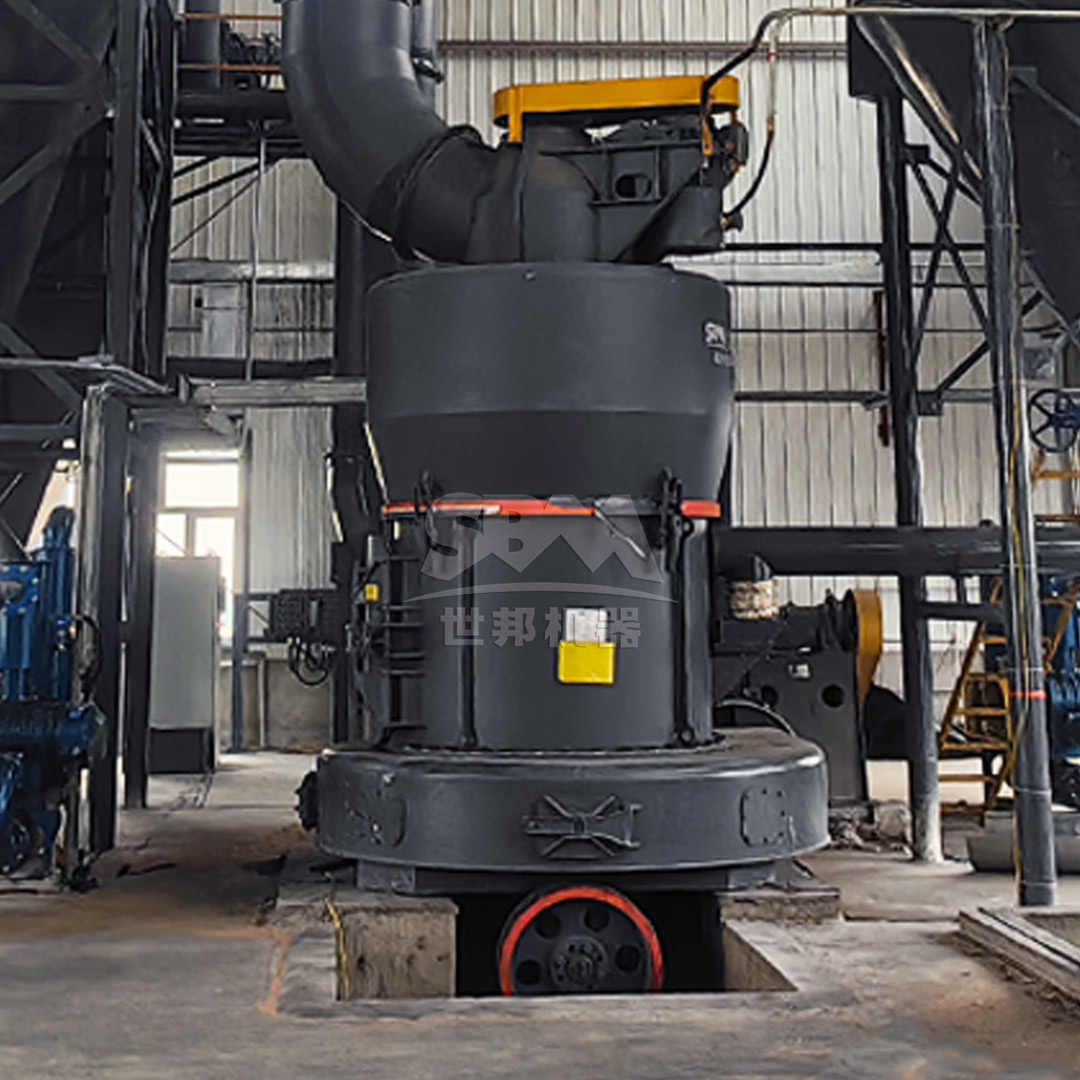
Figure 3: MTW Series European Trapezium Mill – robust design for medium-fine fly ash grinding
To aid in the selection process, the following table summarizes the key parameters of the recommended mills:
| Parameter | SCM Series Ultrafine Mill | MTW Series European Trapezium Mill |
|---|---|---|
| Input Size | ≤20 mm | ≤50 mm |
| Output Fineness | 325-2500 mesh (45-5 μm) | 30-325 mesh (600-45 μm) |
| Capacity | 0.5-25 t/h | 3-45 t/h |
| Energy Consumption | 30% lower than jet mills | Optimized airflow, low energy loss |
| Classification | Vertical turbine classifier, precise cut | Dynamic classifier, accurate control |
| Wear Parts | Special material rollers and rings | Anti-wear shovel, curved roller design |
| Dust Collection | Pulse dust collection, >99.9% efficiency | Pulse dust removal, eco-friendly |
| Noise Level | Soundproof room design | Damping springs and sealing strips |
| Control System | Intelligent control with feedback | PLC automation, remote monitoring |
| Best Suited For | Ultrafine, high-reactivity fly ash | Standard cement admixture fly ash |
When choosing between the two, consider the following:
Proper installation and operation are critical to achieving the desired performance from any grinding mill. Key considerations include:
Selecting the right grinding mill for fly ash processing is a strategic decision that affects product quality, operational costs, and environmental compliance. By understanding the characteristics of fly ash and the critical selection criteria, you can make an informed choice. Our SCM Series Ultrafine Mill and MTW Series European Trapezium Mill offer proven solutions for a wide range of fly ash fineness requirements, backed by advanced technology, durable construction, and eco-friendly operation. For more information or to discuss your specific application, please contact our technical team. We are committed to helping you optimize your fly ash processing and achieve superior cement admixture performance.