Fly ash, a byproduct of coal combustion in thermal power plants, has become an essential supplementary cementitious material in the construction industry. Among the various grades, Grade III fly ash (typically characterized by a fineness of 45 μm residue and a 325 mesh passing rate of not less than 60%) is widely used in low-strength concrete, road base materials, and mine backfill. Processing Grade III fly ash into a marketable product requires efficient grinding and precise classification to achieve the desired fineness (325 mesh, i.e., ~45 μm) while maintaining consistent quality. This article provides a comprehensive selection guide for grinding and classification equipment tailored to 325 mesh Grade III fly ash, highlighting key technical considerations and recommending suitable technologies from our proven portfolio.
Grade III fly ash, according to ASTM C618 or GB/T 1596, has a fineness requirement typically expressed as the amount retained on a 45 μm (No. 325) sieve. For Grade III, the retained percentage is usually less than 40% (or passing rate ≥ 60%). To achieve this, the grinding system must reduce particle size effectively while avoiding over-grinding, which wastes energy and can degrade the spherical particle morphology that benefits concrete workability. Additionally, the classification stage must be precise to ensure that the final product consistently meets the 325 mesh specification without excessive coarse particles. Key challenges include:
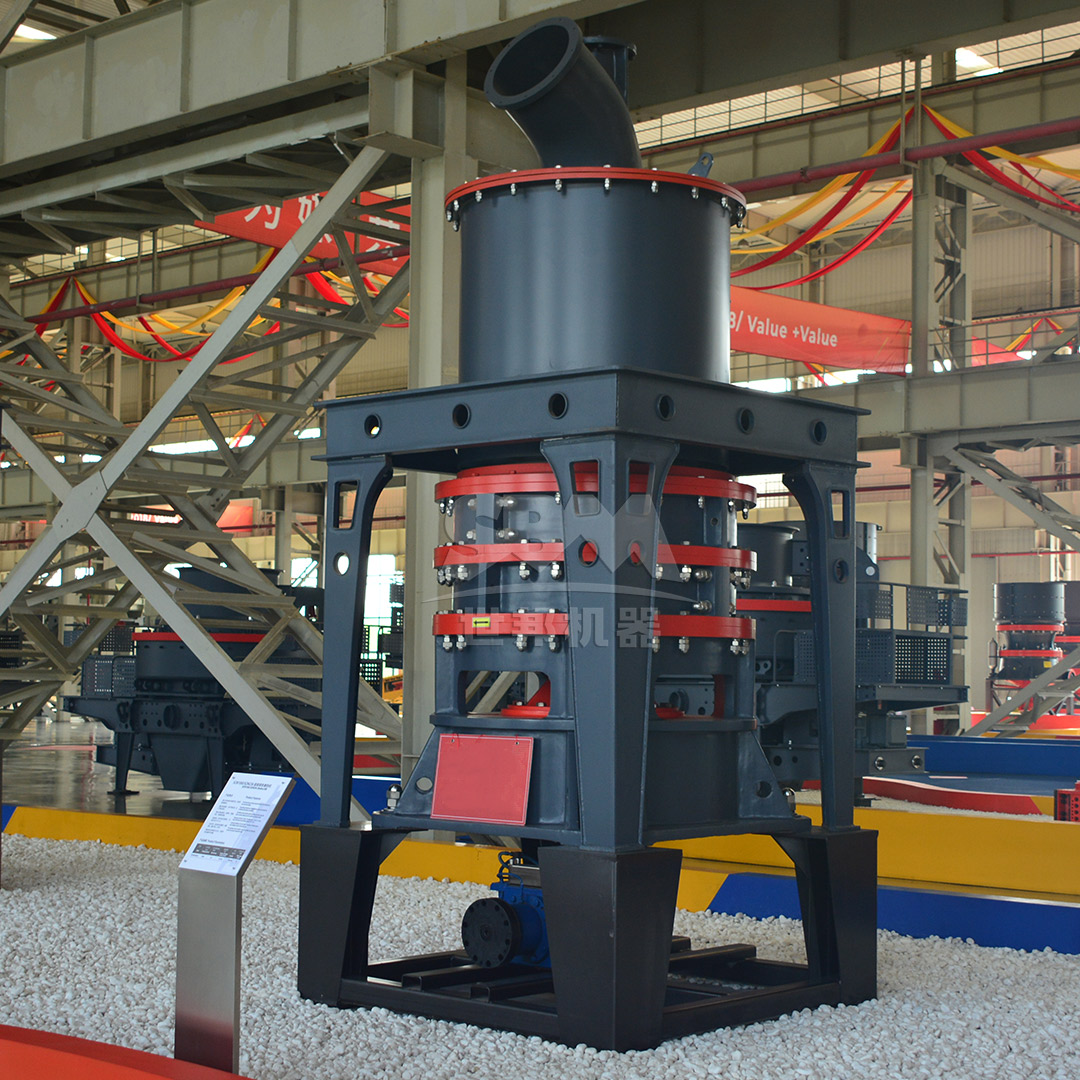
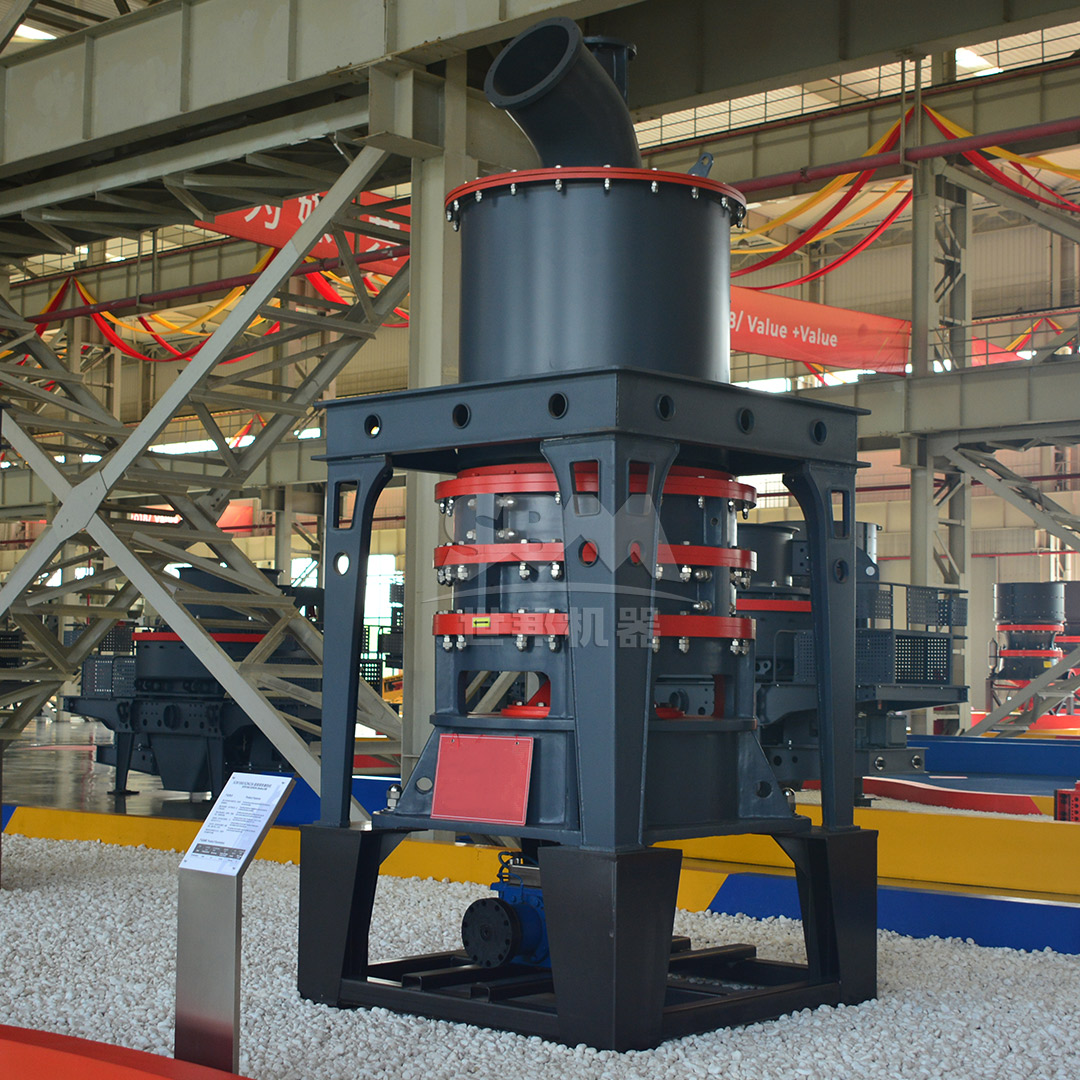
For achieving 325 mesh (45 μm) with high precision, ultrafine mills equipped with dynamic classifiers are ideal. Among our offerings, the SCM Series Ultrafine Mill stands out. It is designed for output fineness ranging from 325 to 2500 mesh (45-5 μm), perfectly covering the Grade III fly ash target. Its vertical turbine classifier provides precise particle size cutting, ensuring no coarse powder mixing—critical for meeting the 325 mesh passing rate consistently. The mill’s capacity ranges from 0.5 to 25 t/h depending on the model, making it suitable for small to medium-scale operations. Moreover, the SCM series boasts high efficiency: its capacity is twice that of jet mills with 30% lower energy consumption, directly reducing operating costs. The durable design, featuring special material rollers and rings, extends service life and ensures stable operation. An intelligent control system with automatic finished product granularity feedback further guarantees product consistency.
When the required fineness is in the 30-325 mesh range (down to 0.038 mm), the MTW Series European Trapezium Mill is an excellent choice. It can process fly ash to 325 mesh with capacities from 3 to 45 t/h, ideal for medium to large-scale plants. The MTW series features an optimized arc air duct that reduces airflow energy loss and improves transmission efficiency, while the anti-wear shovel design reduces maintenance costs. Its integral bevel gear drive achieves 98% transmission efficiency, saving space and installation costs. The wear-resistant volute structure lowers maintenance costs by 30%. With patented technology including an internal suction oil lubrication system and advanced pulse dust removal, the MTW mill ensures reliable, eco-friendly operation. For a 325 mesh Grade III fly ash product, the MTW mill can be configured with a high-efficiency classifier to achieve the desired cut size.
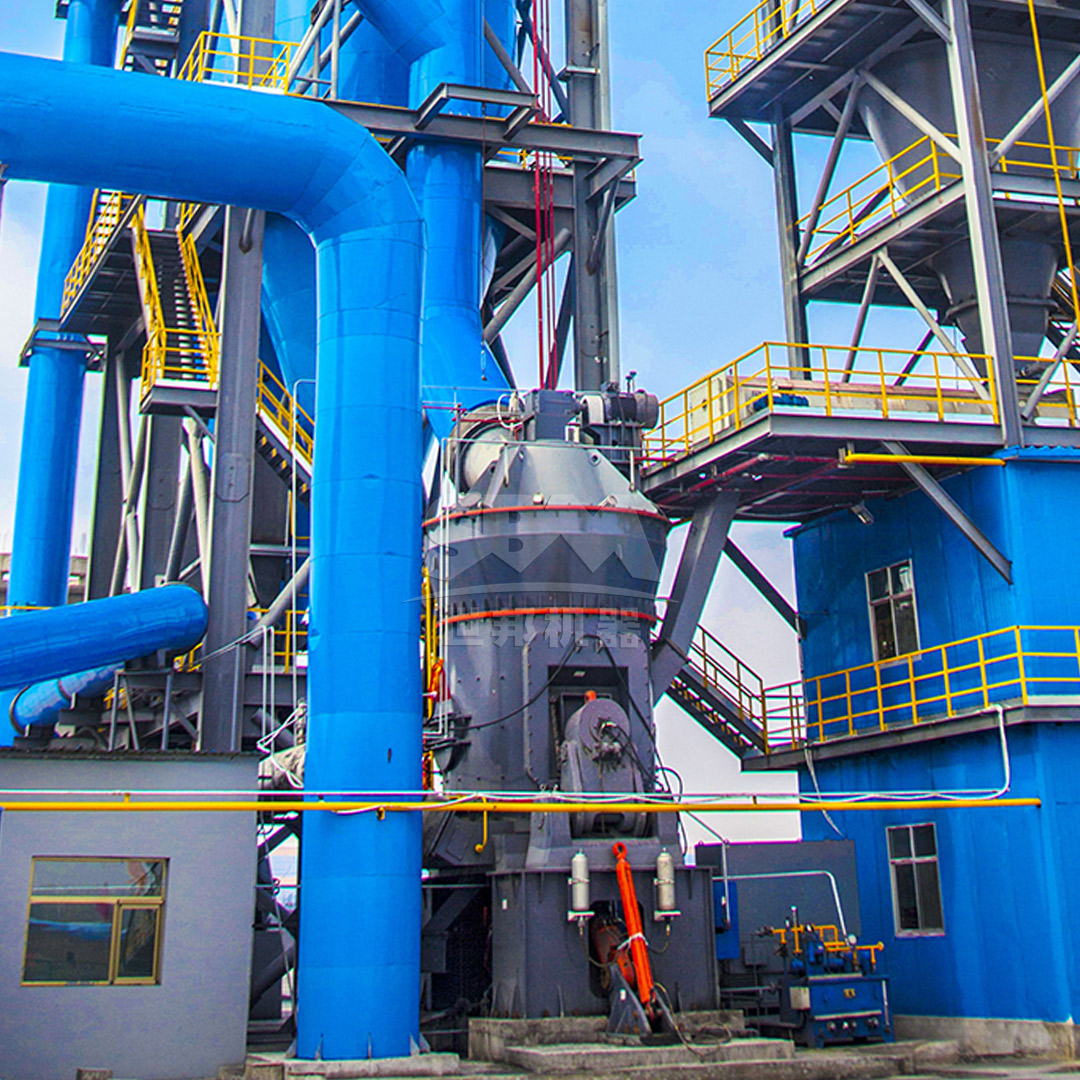
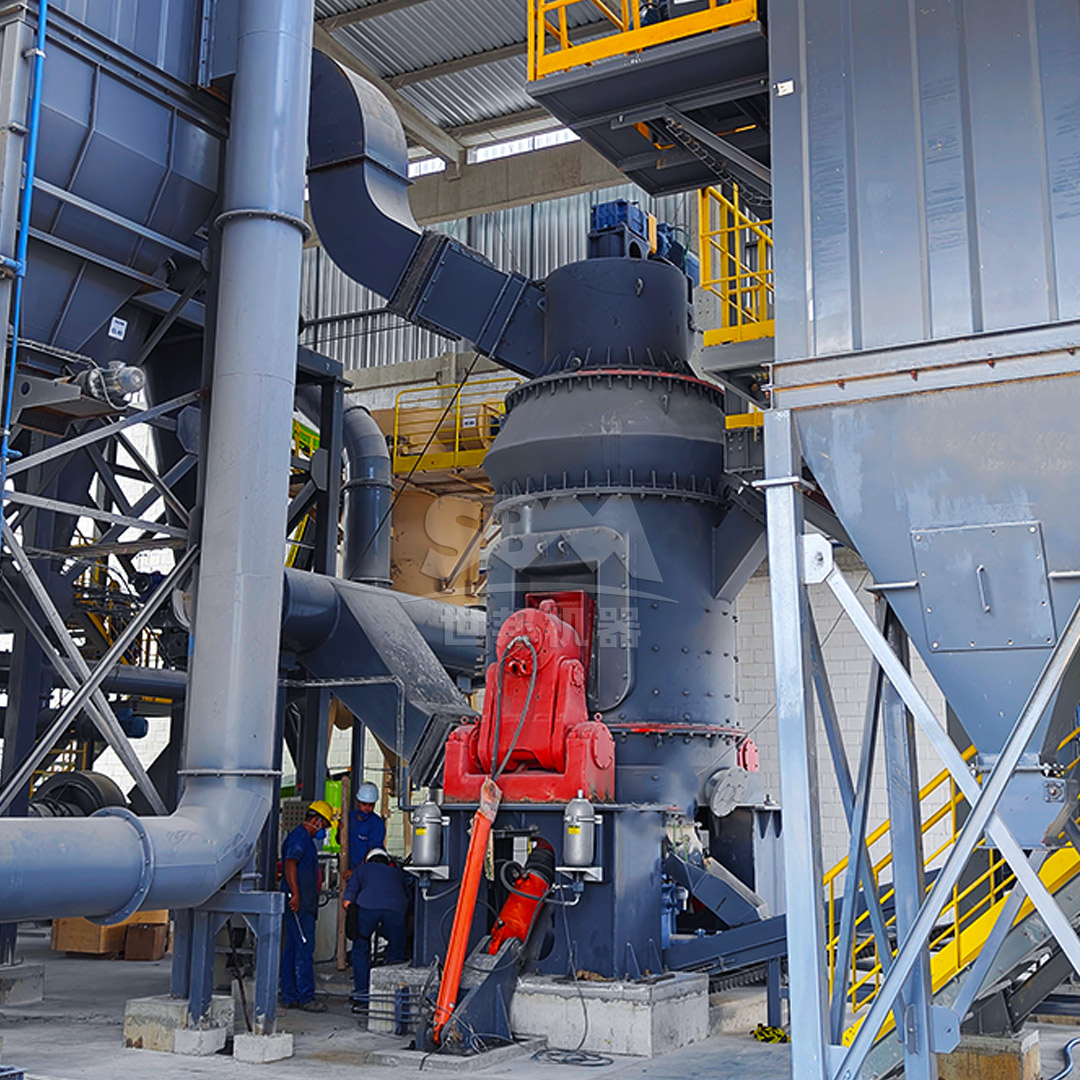
For very high capacities (up to 250 t/h), the LM Series Vertical Roller Mill offers an integrated solution combining crushing, grinding, and classification. Its output fineness ranges from 30 to 325 mesh (special models up to 600 mesh), and its capacity ranges from 3 to 250 t/h. The LM mill’s low operating cost—30-40% lower energy consumption than ball mill systems—and its compact footprint (50% less floor space) make it highly attractive for large fly ash processing plants. The intelligent control system allows remote monitoring and reduces manual intervention. With fully sealed negative pressure operation and dust emission below 10 mg/m³, it meets stringent environmental standards. The LM mill’s dynamic classifier ensures precise separation, making it suitable for producing Grade III fly ash at scale.
While ball mills are less energy-efficient for fine grinding, they remain a robust option for fly ash when combined with high-efficiency classifiers. Our Ball Mill series can grind to 0.074-0.8 mm, and when operated in closed circuit with a classifier, it can achieve 325 mesh product. However, for Grade III fly ash, ball mills are typically used in older plants or where large tonnages are required and energy costs are low. The ball mill’s wide application and high crushing ratio (up to 300:1) are advantageous, but the integration of a dynamic classifier is essential to meet the fineness specification.
For fly ash that may contain agglomerates or larger particles, a Hammer Mill can serve as a pre-crusher to reduce feed size to 0-3 mm before fine grinding. Our hammer mills offer high capacity and stable operation, ensuring a consistent feed to the main grinding mill.
When selecting equipment, consider the following factors:
Based on the specific requirements of 325 mesh Grade III fly ash, we recommend two flagship products:
For very large-scale operations (up to 250 t/h), the LM Series Vertical Roller Mill is the ultimate choice, offering integrated grinding and classification with the lowest operating cost per ton.
| Model | Fineness Range | Capacity (t/h) | Main Power (kW) | Key Feature |
|---|---|---|---|---|
| SCM800 | 325-2500 mesh | 0.5-4.5 | 75 | Vertical turbine classifier, high precision |
| SCM1000 | 325-2500 mesh | 1.0-8.5 | 132 | Intelligent control, energy saving |
| MTW138Z | 10-325 mesh | 6-17 | 90 | Arc air duct, bevel gear drive |
| MTW175G | 10-325 mesh | 9.5-25 | 160 | Wear-resistant volute, low maintenance |
| LM170K | 170-40 μm | 18-48 | 400 | Integrated grinding, low energy |
| LM220K | 170-45 μm | 36-105 | 800 | Large capacity, remote control |
Processing 325 mesh Grade III fly ash requires a careful balance of grinding efficiency, classification precision, and operational cost. Our SCM Series Ultrafine Mill and MTW Series European Trapezium Mill offer excellent solutions for small to medium capacities, while the LM Series Vertical Roller Mill excels at large-scale production. By selecting the right equipment and integrating advanced classification and dust collection, producers can consistently meet Grade III specifications and gain a competitive edge in the fly ash market. For further assistance in selecting the optimal configuration for your project, please consult our technical team.