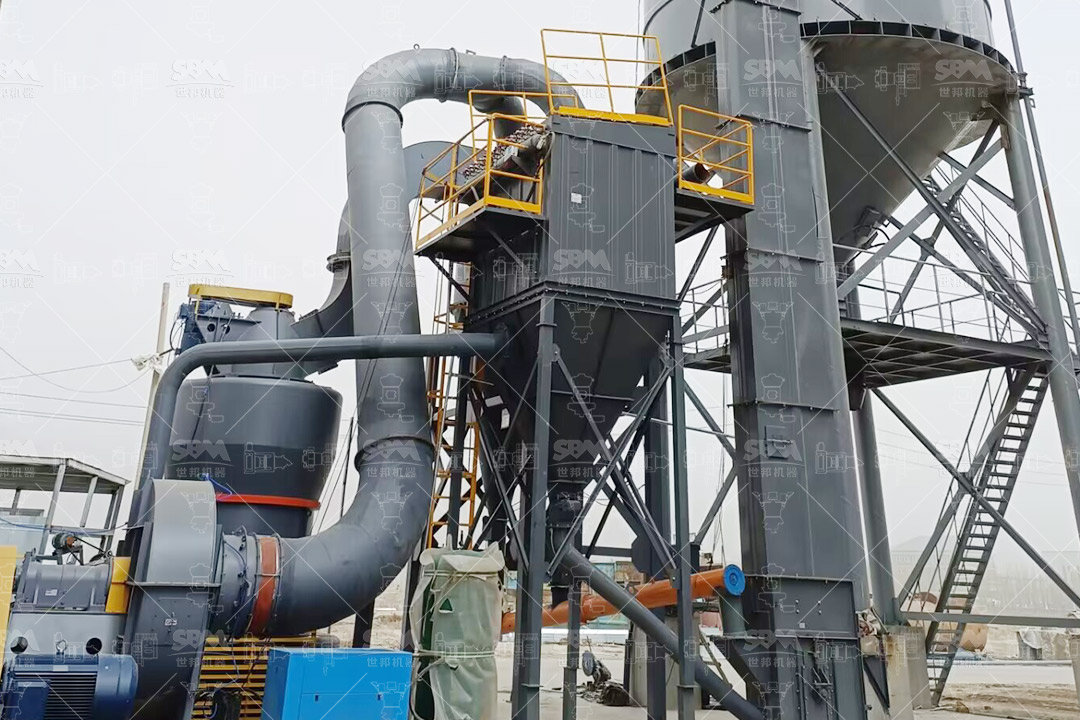
Dolomite, a calcium magnesium carbonate mineral with the chemical formula CaMg(CO₃)₂, represents one of the most important raw materials for magnesium metal production worldwide. With its unique chemical composition containing both calcium and magnesium, dolomite serves as a primary source for extracting magnesium through various metallurgical processes, including the Pidgeon process, the Magnetherm process, and more recently developed electrolytic methods.
The global demand for magnesium has been steadily increasing due to its applications in lightweight automotive parts, aerospace components, electronics, and numerous industrial processes. This growing demand has created an urgent need for efficient, reliable, and technologically advanced dolomite processing equipment that can optimize the extraction process while minimizing energy consumption and environmental impact.
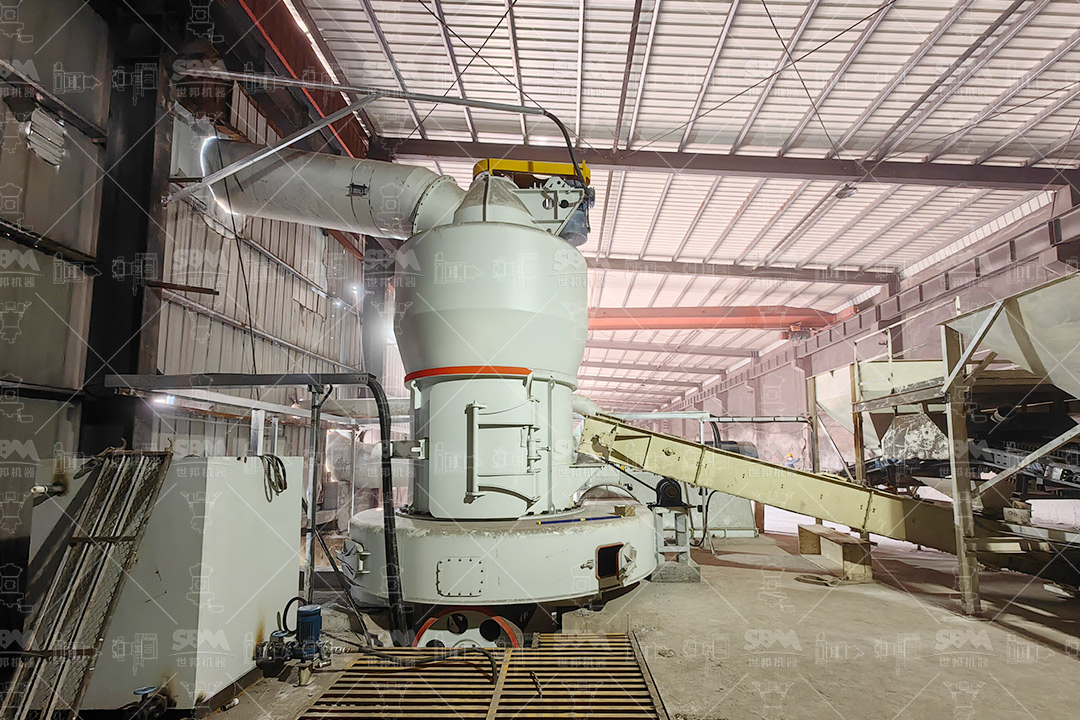
Before magnesium can be extracted from dolomite, the raw material must undergo several critical processing stages. The first and most crucial step involves crushing and grinding the dolomite ore to achieve the required particle size distribution. This preprocessing stage significantly impacts the efficiency of subsequent calcination and reduction processes.
1. Primary Crushing: Large dolomite rocks extracted from quarries are initially crushed using jaw crushers or hammer mills to reduce them to manageable sizes of 0-40mm.
2. Fine Grinding: The crushed dolomite is then ground to fine powder using various grinding mills. The fineness requirements typically range from 45μm to 2500 mesh depending on the specific extraction process being employed.
3. Calcination: The ground dolomite undergoes calcination at temperatures between 800-1000°C to decompose the carbonate into magnesium oxide and calcium oxide.
4. Reduction: The calcined material is then subjected to thermal reduction processes to extract pure magnesium metal.
The selection of appropriate grinding equipment is paramount for successful magnesium extraction. Different extraction processes require different levels of fineness, and the equipment must be capable of achieving these specifications consistently while maintaining high throughput and energy efficiency.
For magnesium extraction processes requiring ultrafine dolomite powder, the SCM Series Ultrafine Mill represents an exceptional choice. This equipment is specifically designed to produce particles ranging from 325 to 2500 mesh, meeting the most demanding fineness requirements for high-efficiency magnesium extraction.
Technical Specifications:
| Model | Capacity (t/h) | Main Power (kW) | Feed Size (mm) | Fineness (mesh) |
|---|---|---|---|---|
| SCM800 | 0.5-4.5 | 75 | 0-20 | 325-2500 |
| SCM900 | 0.8-6.5 | 90 | 0-20 | 325-2500 |
| SCM1000 | 1.0-8.5 | 132 | 0-20 | 325-2500 |
| SCM1250 | 2.5-14 | 185 | 0-20 | 325-2500 |
| SCM1680 | 5.0-25 | 315 | 0-20 | 325-2500 |
The SCM Series offers several advantages that directly benefit dolomite processing for magnesium extraction. Its high-precision vertical turbine classifier ensures precise particle size cutting without coarse powder mixing, resulting in uniform finished products essential for consistent calcination results. The equipment’s capacity is twice that of jet mills while consuming 30% less energy, making it an economically superior choice for large-scale operations.
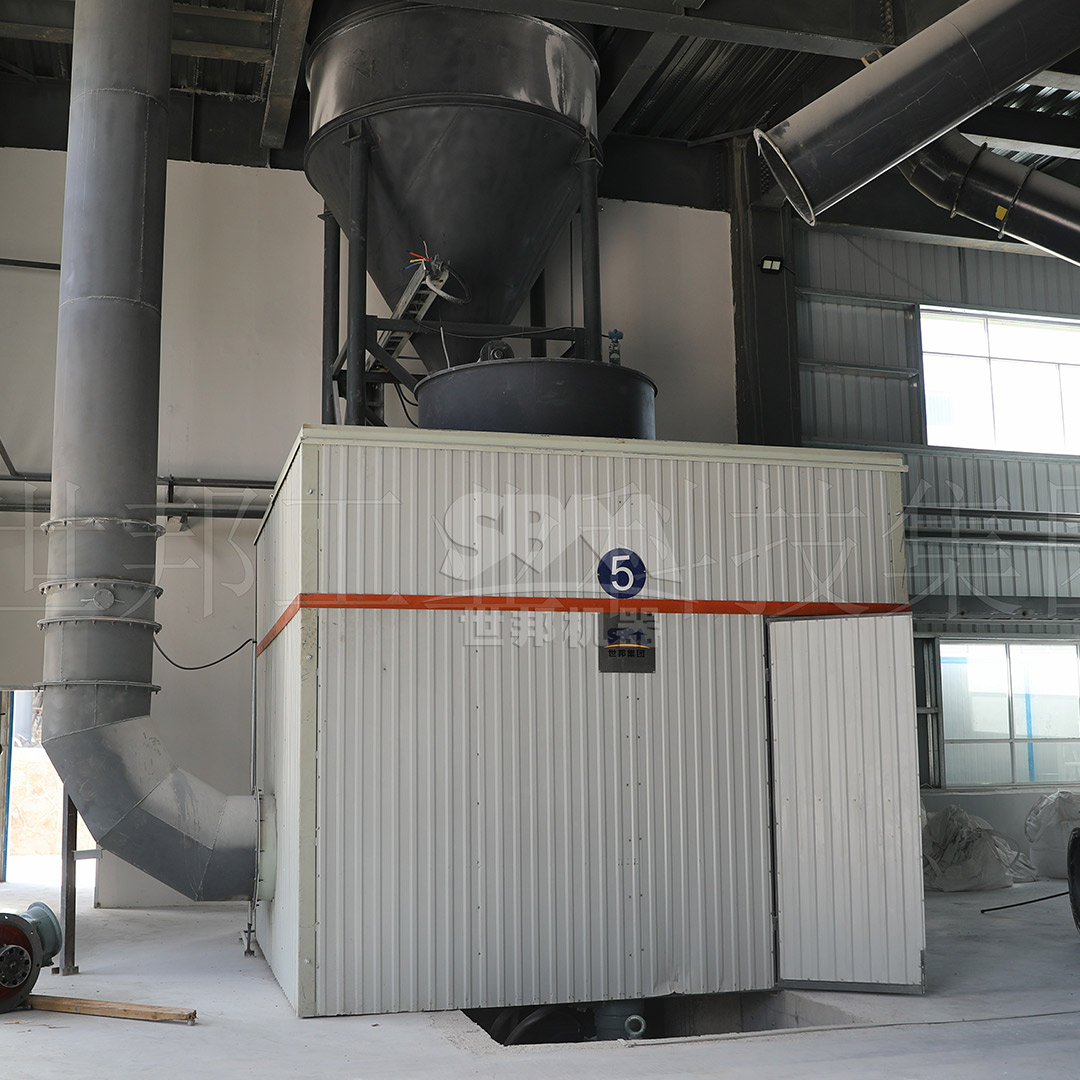
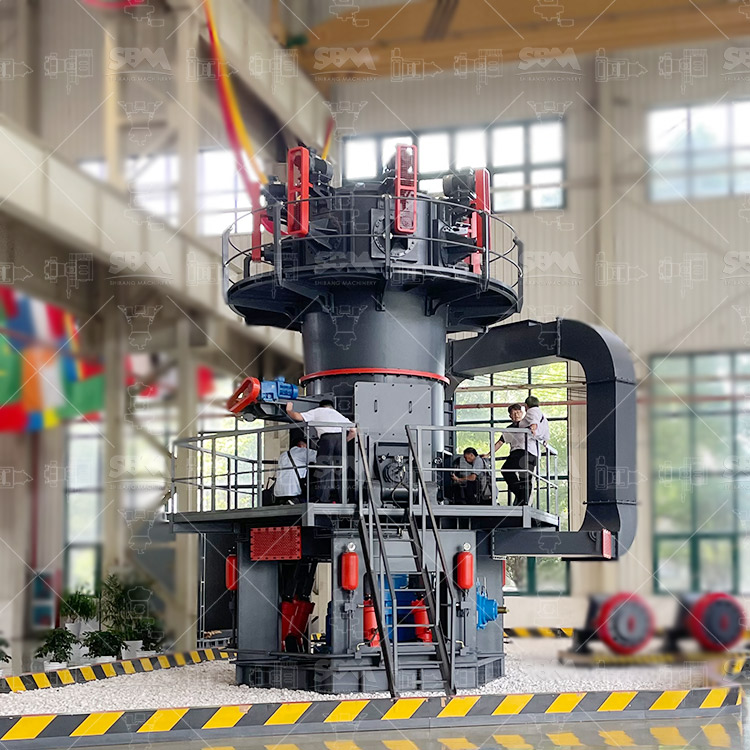
For operations requiring higher throughput capacities, the LM Series Vertical Roller Mill offers an ideal solution. With capacities ranging from 3 to 250 tons per hour, this equipment can handle the most demanding production requirements while maintaining excellent energy efficiency.
Key Advantages for Dolomite Processing:
The LM Series features an integrated design that combines crushing, grinding, and classification in a single unit, reducing floor space by 50% compared to traditional systems. The non-contact design between rollers and table increases wear part life by three times, significantly reducing maintenance costs in the abrasive environment of dolomite processing.
Energy consumption is 30-40% lower than ball mill systems, which translates to substantial operational cost savings over the equipment’s lifespan. The expert-level auto-control system supports remote and local switching, enabling real-time monitoring and adjustment of parameters to maintain optimal grinding conditions.
The MTW Series European Trapezium Mill provides another excellent option for dolomite grinding, offering output fineness from 30 to 325 mesh with capacities ranging from 3 to 45 tons per hour. This mill is particularly suitable for medium-scale magnesium extraction operations that require reliable performance and consistent product quality.
The MTW Series incorporates an innovative anti-wear shovel design with combined shovel blades that reduce maintenance costs while extending grinding roller life. The optimized arc air duct reduces airflow energy loss and improves transmission efficiency, while the integral bevel gear drive achieves transmission efficiency of up to 98%.
Before fine grinding, dolomite ore must be reduced from large quarry pieces to sizes suitable for the grinding mills. Hammer mills provide an efficient solution for this primary crushing stage, with the ability to reduce 0-40mm feed material to 0-3mm output.
PC Series Hammer Mill Specifications:
| Model | Capacity (t/h) | Power (kW) | Rotor Size (mm) | Number of Hammers |
|---|---|---|---|---|
| PC4008-75 | 8-15 | 75 | Φ750×800 | 18 |
| PC4012-90 | 15-40 | 90 | Φ900×1200 | 32 |
| PC4015-132 | 40-70 | 132 | Φ1150×1500 | 32 |
The hammer mills feature high manganese steel liners for extended service life, optimized crushing cavities for maximum efficiency, and compact structures that minimize footprint and investment costs.
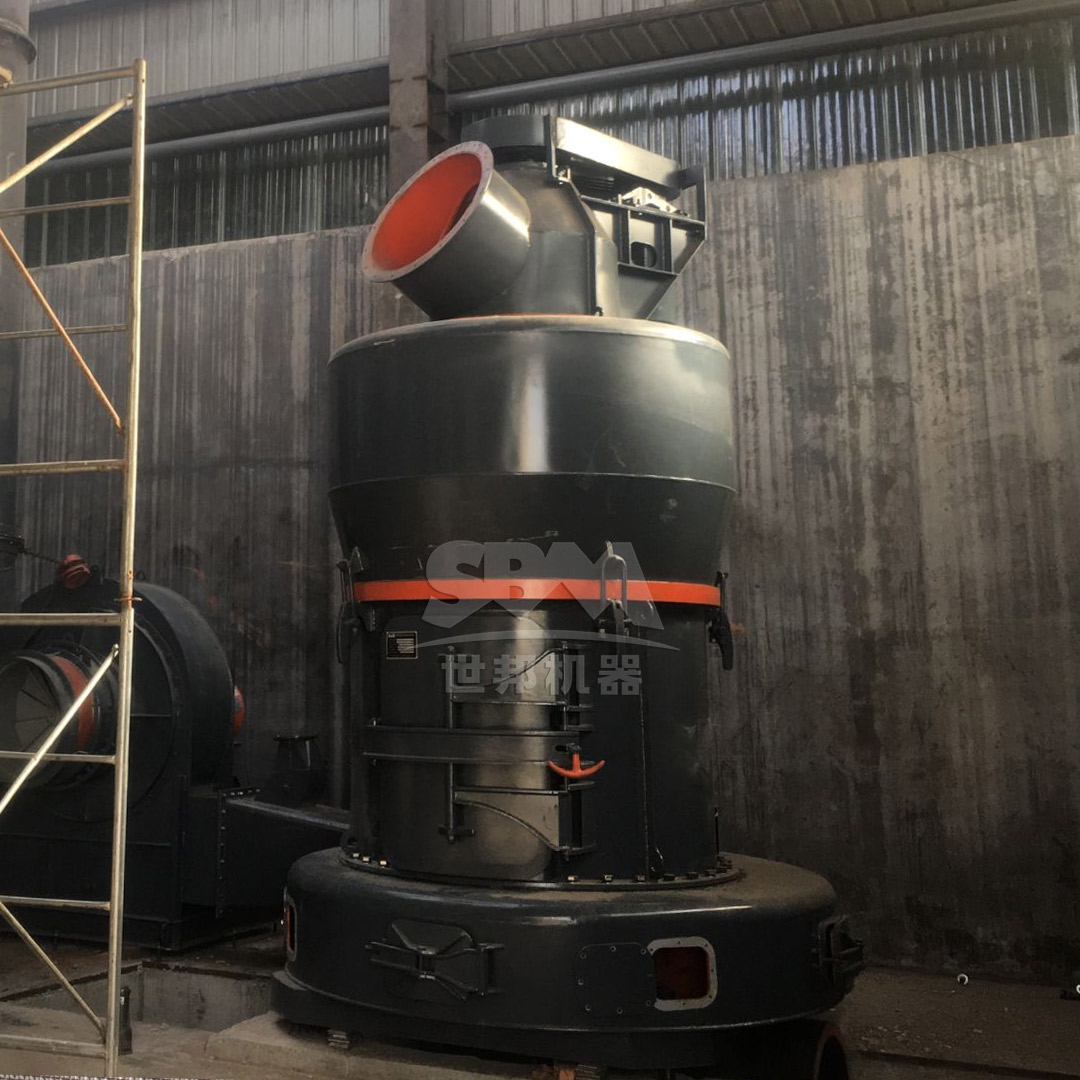
Achieving optimal magnesium extraction from dolomite requires careful attention to several process parameters that are directly influenced by the grinding equipment selection.
The particle size distribution of ground dolomite significantly affects calcination efficiency and reduction reaction kinetics. Finer particles provide larger surface areas for chemical reactions but may also lead to dust generation and material loss. The ideal particle size distribution balances these competing factors, typically targeting a narrow range that promotes uniform calcination while minimizing losses.
Grinding operations represent a significant portion of the total energy consumption in magnesium extraction from dolomite. Selecting equipment with high energy efficiency, such as the SCM Series with its 30% lower energy consumption compared to jet mills, or the LM Series with 30-40% lower energy consumption compared to ball mills, can dramatically reduce operational costs.
Modern magnesium extraction facilities must comply with stringent environmental regulations regarding dust emissions and noise levels. Equipment featuring advanced dust collection systems and soundproof designs helps ensure compliance while maintaining productive operations.
The selection of appropriate dolomite processing equipment depends on several factors specific to each magnesium extraction operation:
Production Scale: Small to medium operations may benefit from the MTW Series or smaller SCM models, while large-scale facilities should consider the LM Series for maximum throughput.
Fineness Requirements: Different extraction processes require different fineness levels. The Pidgeon process typically requires coarser grinding (around 100-200 mesh), while newer electrolytic methods may require ultrafine grinding (1000+ mesh).
Energy Availability: Operations with limited power availability should prioritize energy-efficient equipment to minimize operational constraints.
Budget Considerations: While higher-capacity, more advanced equipment requires greater initial investment, the reduced operational costs and longer service life often provide superior returns over the equipment’s lifespan.
The success of magnesium extraction from dolomite depends heavily on the selection and configuration of appropriate processing equipment. From primary crushing through fine grinding, each stage requires equipment that delivers consistent performance, energy efficiency, and reliable operation.
The SCM Series Ultrafine Mill and LM Series Vertical Roller Mill represent state-of-the-art solutions for dolomite processing, offering the precision, capacity, and efficiency required for modern magnesium extraction operations. By investing in advanced grinding equipment tailored to specific operational requirements, magnesium producers can achieve higher yields, lower costs, and improved product quality.
As the global demand for magnesium continues to grow, the importance of efficient dolomite processing equipment will only increase. Partnering with experienced equipment manufacturers who understand the unique challenges of magnesium extraction ensures that operations are well-positioned to meet current and future production requirements.