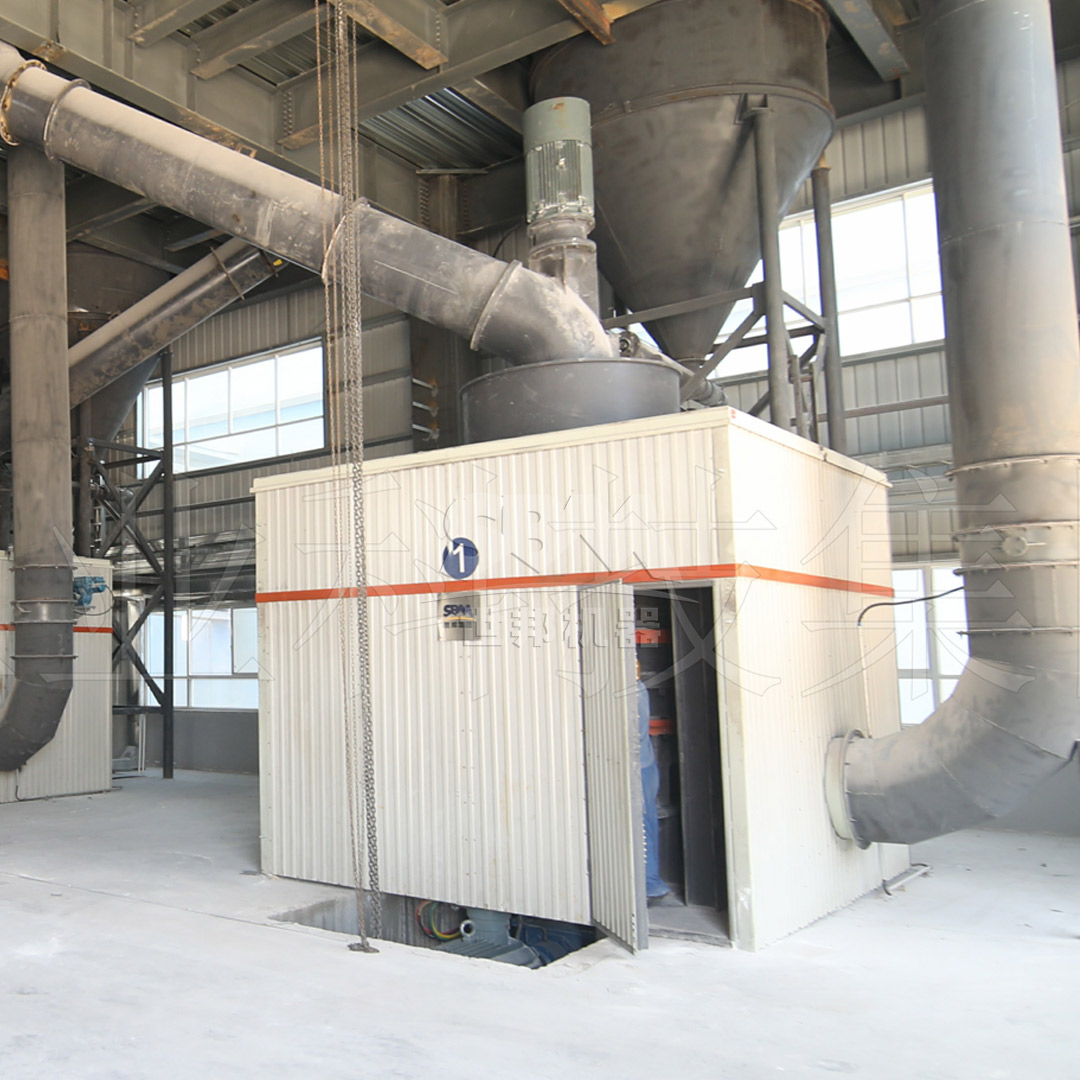
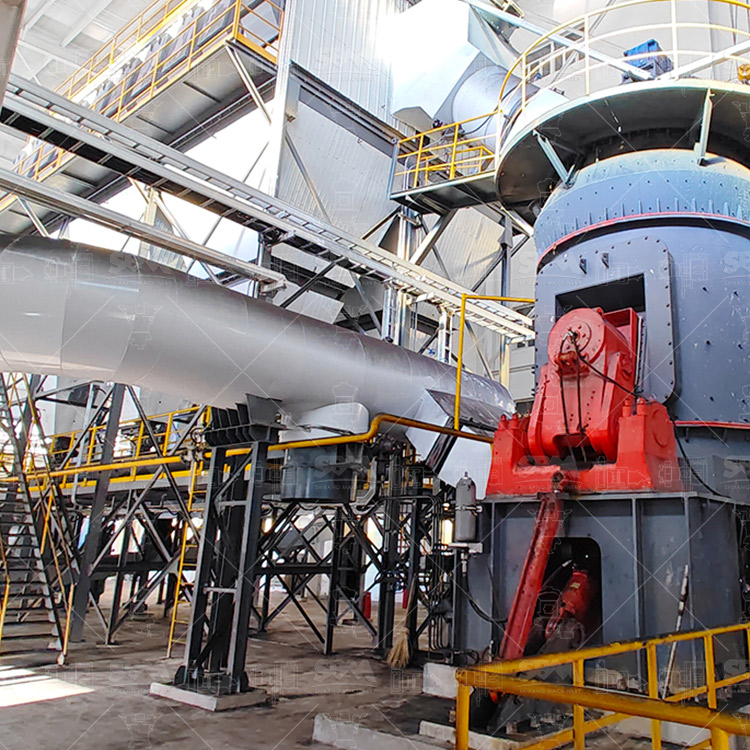
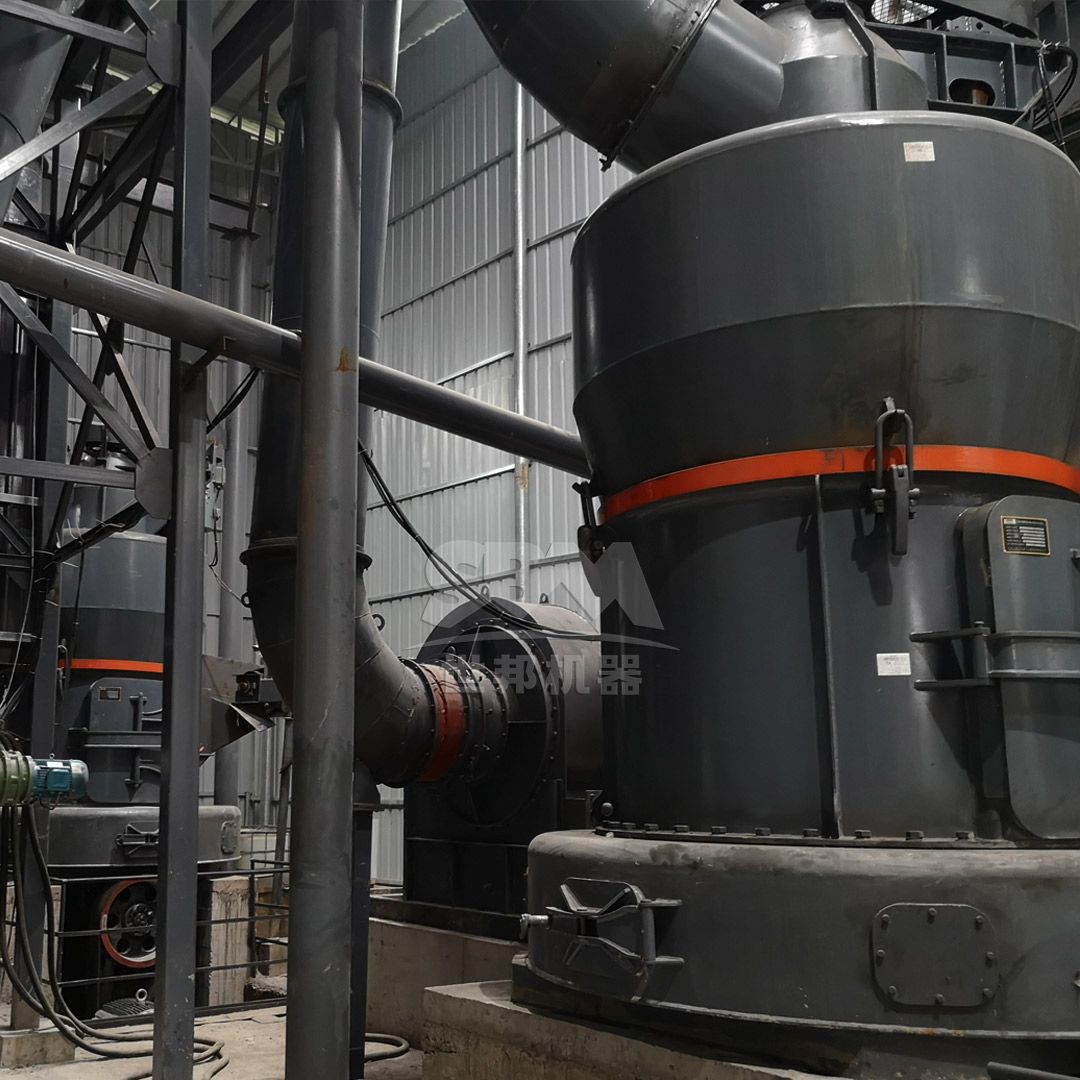
In the modern cement manufacturing industry, the pursuit of high specific surface area (Blaine fineness) in cement clinker is a critical objective. A higher Blaine value, typically ranging from 350 to 450 m²/kg for ordinary Portland cement, directly correlates with enhanced early strength development and improved overall cement quality. However, achieving this fine grinding target while simultaneously boosting output and minimizing energy consumption presents a formidable challenge. Traditional ball mills, while reliable, often prove inefficient in this domain, consuming excessive power and yielding inconsistent particle size distributions. This is where advanced cement clinker processing equipment comes into play. High-efficiency grinding mills, specifically designed for high specific surface area and low energy Blaine fineness, are now the cornerstone of competitive cement production. This article delves into the technologies and machinery—particularly our SCM Ultrafine Mill and LM Vertical Roller Mill—that are redefining the parameters of cement clinker processing.
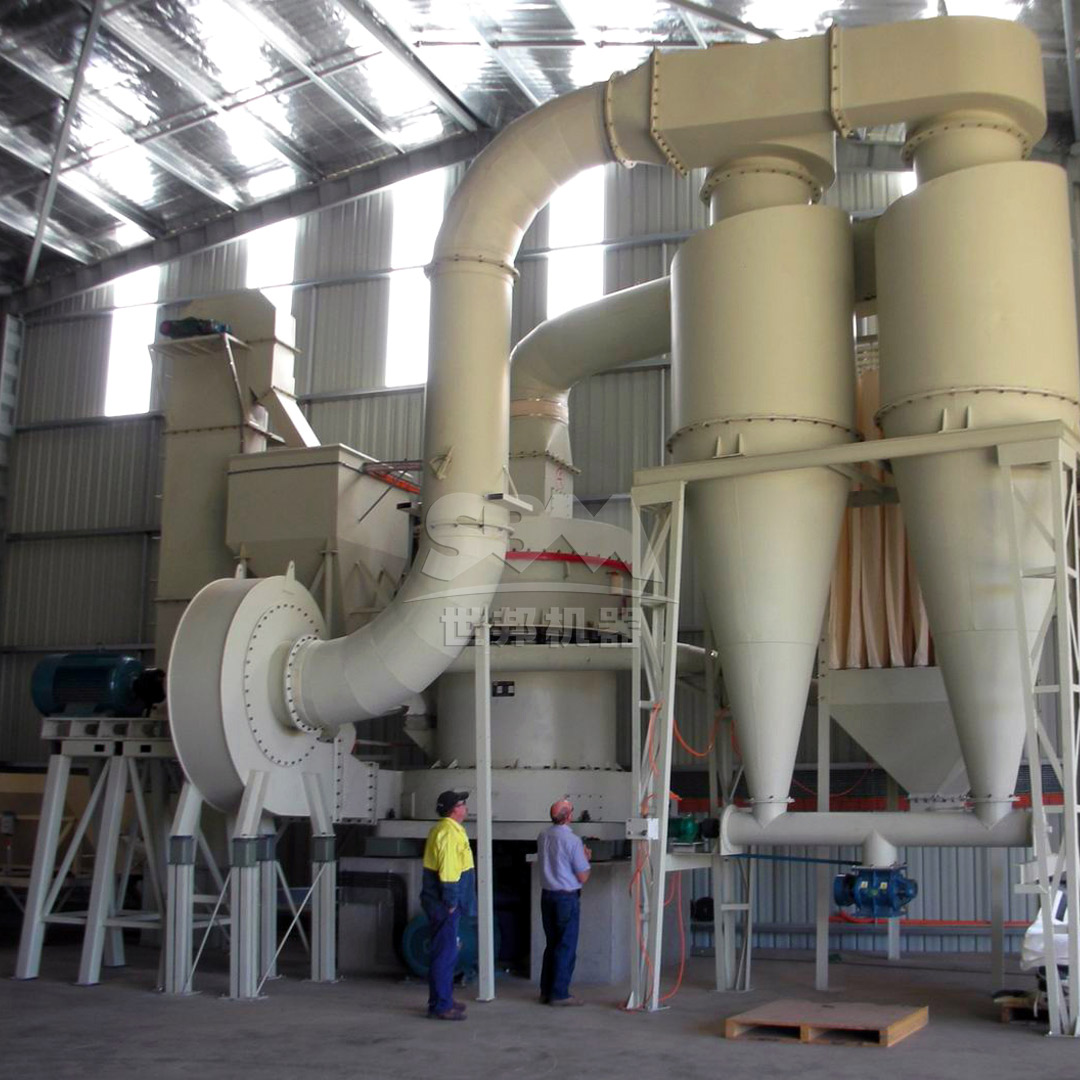
Blaine fineness, expressed as specific surface area, is a measure of the total surface area of cement particles per unit mass. It is a fundamental quality parameter. High Blaine fineness translates to more surface area available for hydration reactions. When water is added to cement, the hydration process begins on the particle surface. A finer cement, therefore, hydrates faster and more completely, leading to:
However, producing high Blaine fineness requires substantial energy. The grinding process is notoriously energy-intensive, often accounting for 60-70% of the total electrical energy consumed in a cement plant. Therefore, the key to profitability lies in using equipment that can achieve the desired fineness at the lowest possible specific power consumption (kWh/t). This is the precise niche that modern clinker processing equipment, like our innovative mills, fills.
While ball mills have been the industry standard for decades, they suffer from several drawbacks when tasked with high-fineness grinding:
To overcome these challenges, we at [Your Company Name] have developed and refined a portfolio of high-performance mills engineered for high-specific-surface-area cement clinker. Our equipment prioritizes the principle of “bed grinding,” where material particles grind against each other under pressure, rather than using metallic media. This fundamental difference is the secret to lower energy consumption and higher efficiency.
The two flagship technologies in this domain are our LM Series Vertical Roller Mill and our SCM Series Ultrafine Mill. The LM mill is a powerhouse for large-scale, medium-to-fine grinding, while the SCM mill is tailored for even finer products, pushing the boundaries of cement fineness into the realm of ultrafine or micro-fine material.
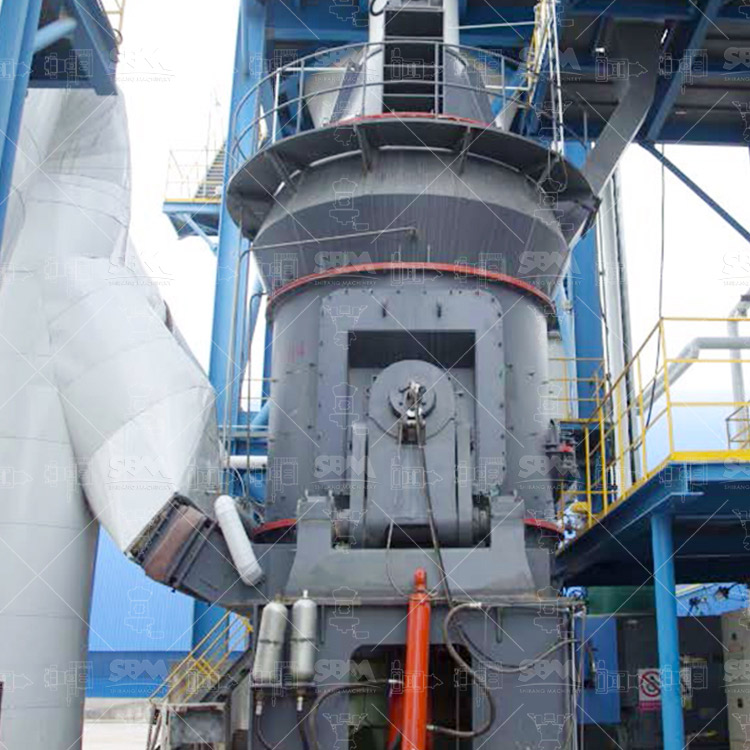
The LM Vertical Roller Mill is an ideal solution for grinding cement clinker to high Blaine fineness levels while achieving massive output capacities. Its integrated design combines grinding, drying (if needed), and classification in a single unit, significantly reducing the plant’s footprint and auxiliary equipment.
How It Works: The main motor drives the grinding table through a planetary reducer. Clinker and gypsum are fed through the central chute and spread evenly across the table by centrifugal force. Hydraulically-loaded grinding rollers, positioned on a fixed pivot arm, apply pressure to crush the material bed. The grinding bed is stabilized by a dam ring, and as the table rotates, material moves towards the periphery where it is picked up by a high-velocity gas stream (often hot air from the kiln or a dedicated furnace). Fine particles are carried upwards to a dynamic classifier, which precisely controls the fineness. Coarse particles fall back to the table for re-grinding, while the finished fine product is collected in a baghouse or cyclone.
For the specific application of cement clinker grinding to a high specific surface area, models like the LM130K, LM150K, or even larger LM170K are exceptional. For instance, the LM170K, with a table diameter of 1700mm and a capacity of 18-48 t/h, is a perfect fit for a mid-sized cement grinding facility aiming for a Blaine of 350-400 m²/kg. The precise dynamic classifier ensures a tight particle size distribution, maximizing the efficiency of the cement produced.
When the target Blaine fineness is exceptionally high, for instance, above 600 m²/kg or for producing micro-fine cements or supplementary cementitious materials, our SCM Series Ultrafine Mill is the equipment of choice. This machine is engineered to deliver products with a fineness ranging from 325 to 2500 mesh (approximately 45μm down to 5μm). This allows for the creation of high-performance cements that offer enhanced reactivity and are in demand for specialized construction applications.
Working Principle: The SCM mill uses a unique multi-layer grinding ring mechanism. Materials are fed into the grinding chamber, where centrifugal force disperses them onto the grinding path. Here, they are crushed between the grinding rollers and the rings. An integral vertical turbine classifier is the key to its precision. This high-speed classifier is able to make extremely fine cuts, ensuring that no oversized particles are present in the final product. The process is remarkably energy-efficient. The capacity is reported to be twice that of jet mills, yet with 30% lower energy consumption.
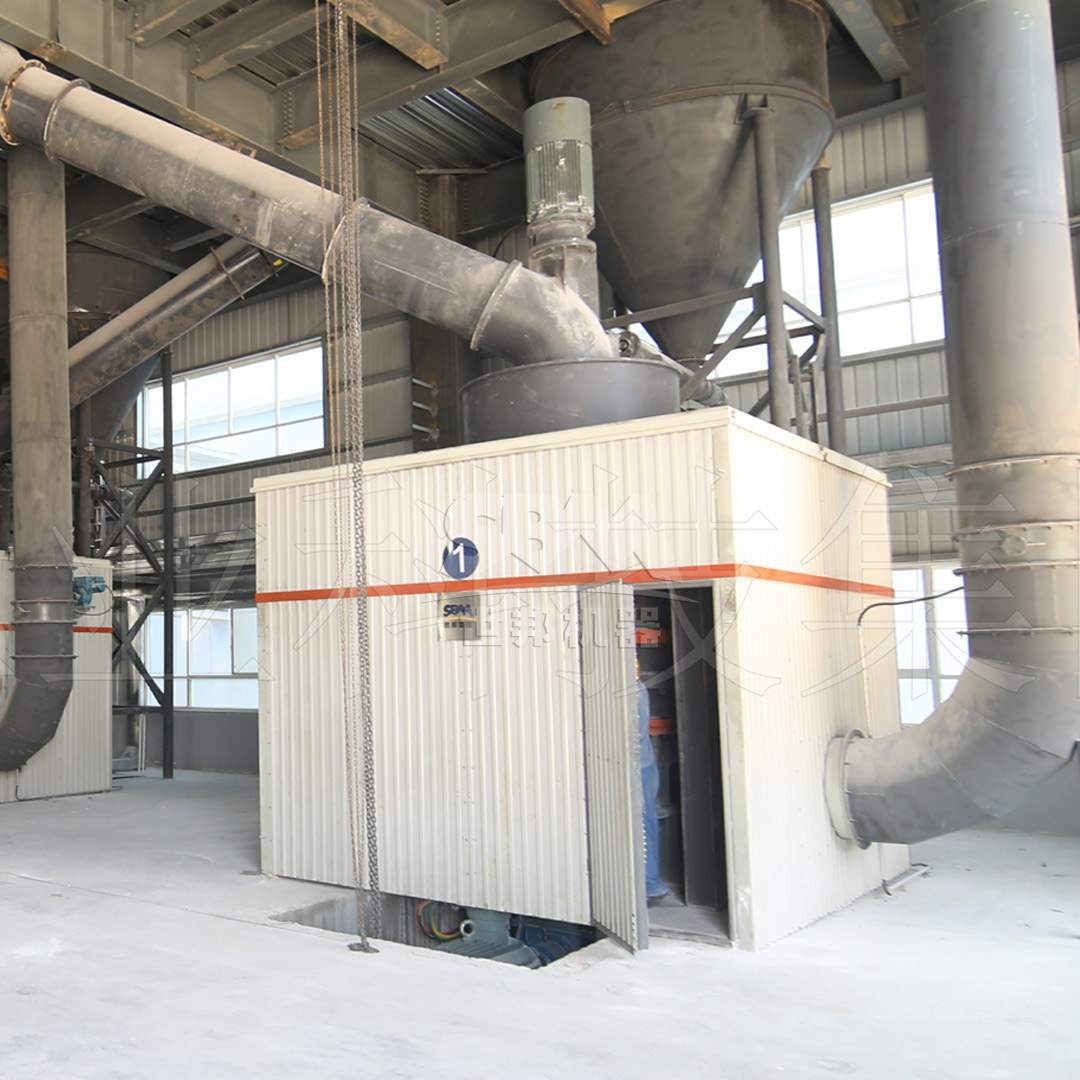
Choosing between the LM and SCM mills depends on the product specification. For typical Portland cement with a target Blaine of 350-400 m²/kg, the LM mill is the most efficient and cost-effective solution. For producing high-early-strength cements (400-500 m²/kg) or specialized micro-fine cement products, the SCM mill is the preferred route.
| Feature | LM Series Vertical Roller Mill | SCM Series Ultrafine Mill |
|---|---|---|
| Typical Fineness | 30-325 mesh (45-600 μm) | 325-2500 mesh (5-45 μm) |
| Input Size | ≤ 50mm | ≤ 20mm |
| Capacity | 3 – 250 t/h | 0.5 – 25 t/h |
| Energy Consumption | 30-40% lower than Ball Mill | 30% lower than Jet Mill, but higher than LM |
| Best Application | Large-scale production of standard high-quality cement. | Specialty, micro-fine cement or for achieving exceptionally high Blaine numbers. |
The production of high specific surface area cement clinker is no longer a simple matter of grinding for longer and longer hours. It demands sophisticated, integrated equipment that can deliver fine and consistent products without excessively high energy bills. Investing in advanced processing equipment is the key to remaining competitive in a global market that demands both higher quality and sustainable practices. The path to success lies in adapting the technology to the specific fineness and output goals of the plant.
The LM series vertical roller mill stands out for high-throughput, energy-efficient processing, reducing operational costs dramatically. For producers aiming for very high specific surface areas or exploring the premium micro-cement market, the SCM series provides unmatched precision and fineness. Our company remains at the forefront of this technology, offering a complete range of mills designed not just to grind clinker, but to empower producers to create superior products with a reduced environmental footprint.
To explore how our equipment can be tailored to your specific processing requirements, we invite you to contact our engineering specialists. Whether it’s a modest upgrade to your existing plant or the development of a new greenfield project, our team is ready to assist.