Calcined petroleum coke (CPC) is a critical raw material in the production of fuels, particularly for industries such as aluminum smelting, steel manufacturing, and power generation. As the demand for efficient and sustainable fuel production grows, selecting the right processing equipment becomes paramount. This comprehensive buyer’s guide explores the key considerations, equipment types, and technological advancements in CPC processing, with a focus on grinding and milling solutions that ensure optimal particle size distribution and fuel quality. Whether you are upgrading an existing plant or building a new facility, this guide will help you make informed decisions.
Calcined petroleum coke is produced by heating green petroleum coke to temperatures between 1200°C and 1400°C, which removes volatile matter and increases carbon content. The resulting CPC is dense, hard, and has low electrical resistivity, making it ideal for use as a fuel in various applications. In fuel production, CPC is often pulverized to a fine powder to improve combustion efficiency and reduce emissions. The particle size distribution of the CPC powder directly affects the combustion characteristics, burner performance, and overall system efficiency. Therefore, choosing the right grinding equipment is essential to achieve the desired fineness and consistency.
When selecting equipment, consider the following properties of CPC: hardness (Mohs 2-3), moisture content (typically <1%), and the required fineness (often 200 mesh or finer for pulverized fuel). The grinding equipment must handle abrasive materials and maintain stable operation under continuous duty.
The processing of CPC for fuel production involves several stages: crushing, grinding, classification, and collection. The core equipment includes:
Among these, the grinding mill is the heart of the process, and its selection depends on capacity, fineness, and energy efficiency.
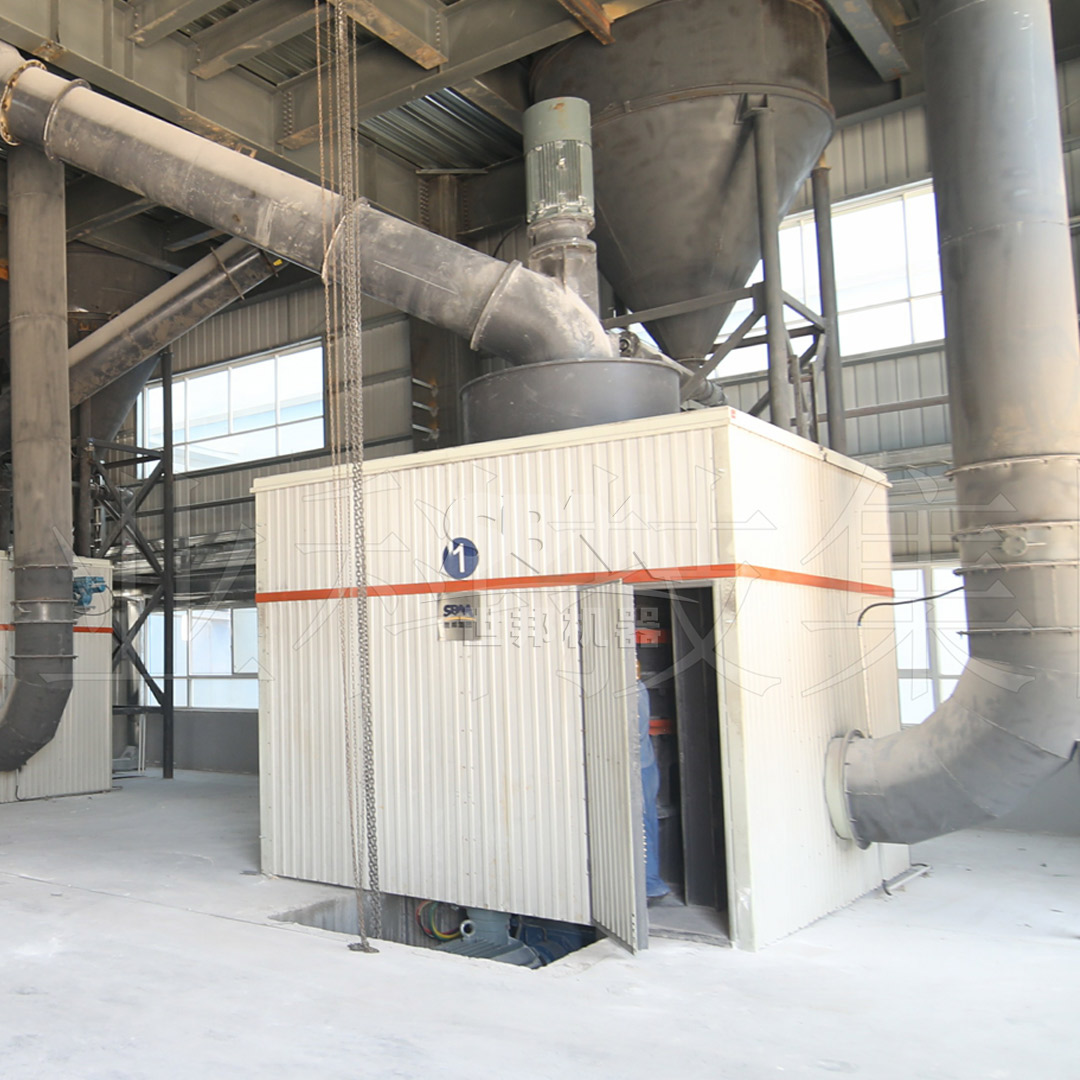
CPC grinding requires equipment that can handle abrasive materials while delivering consistent fineness. Here are the main options:
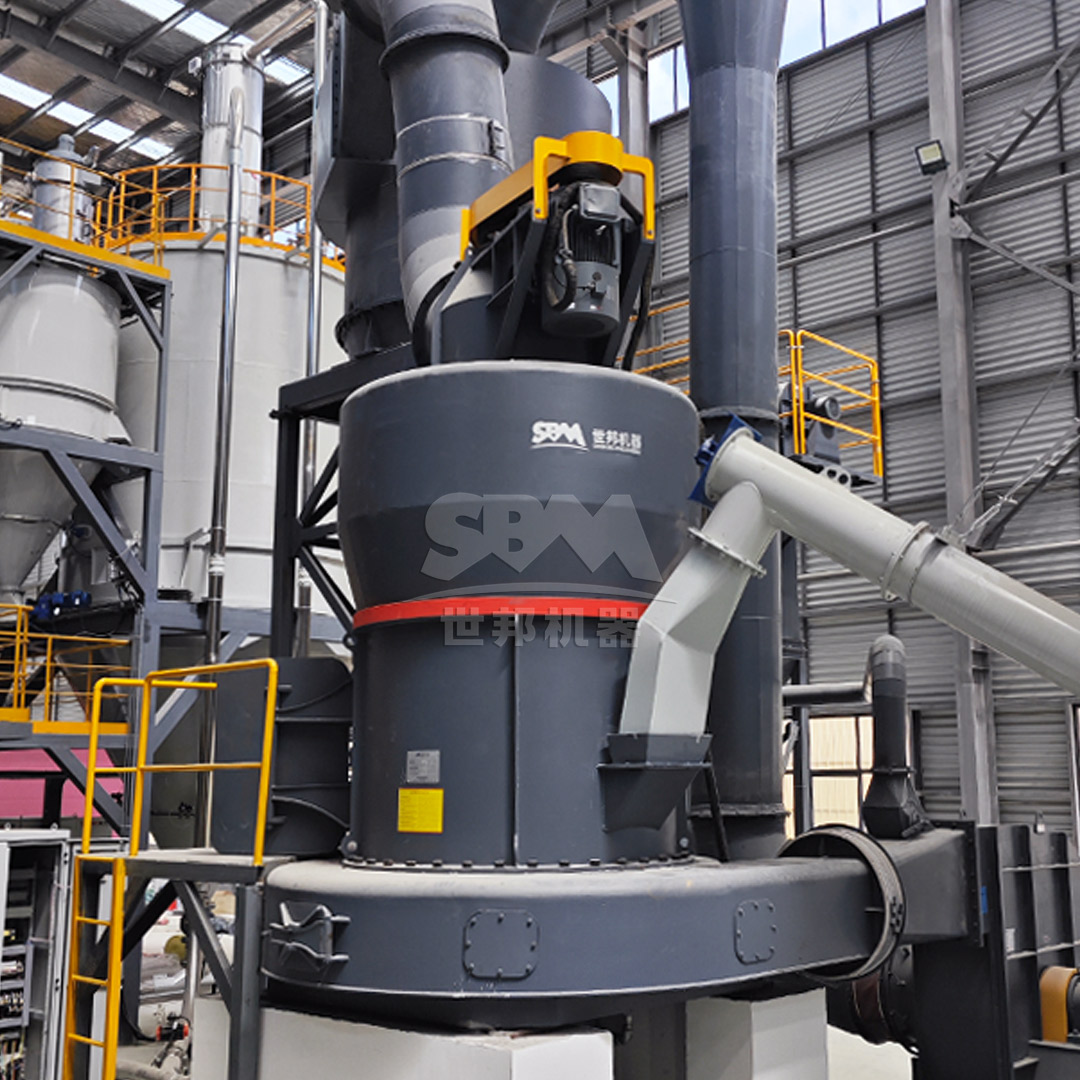
For high-precision applications requiring fine powders (325-2500 mesh), ultrafine mills are ideal. The SCM Series Ultrafine Mill from our company is a top choice, offering capacities from 0.5 to 25 t/h. Its vertical turbine classifier ensures precise particle size cutting, and the intelligent control system provides automatic feedback on product fineness. With energy consumption 30% lower than jet mills and a durable design, it is well-suited for CPC grinding.
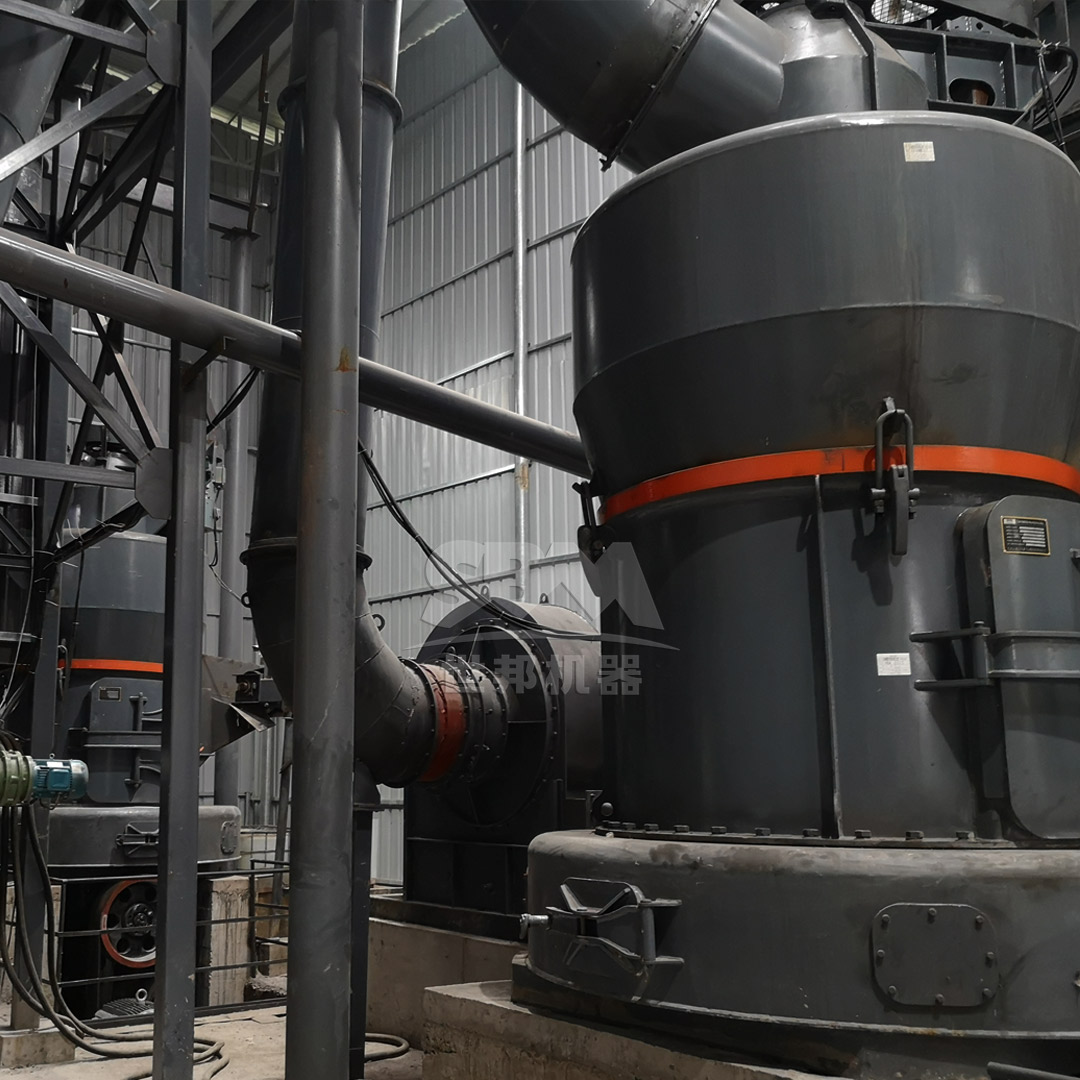
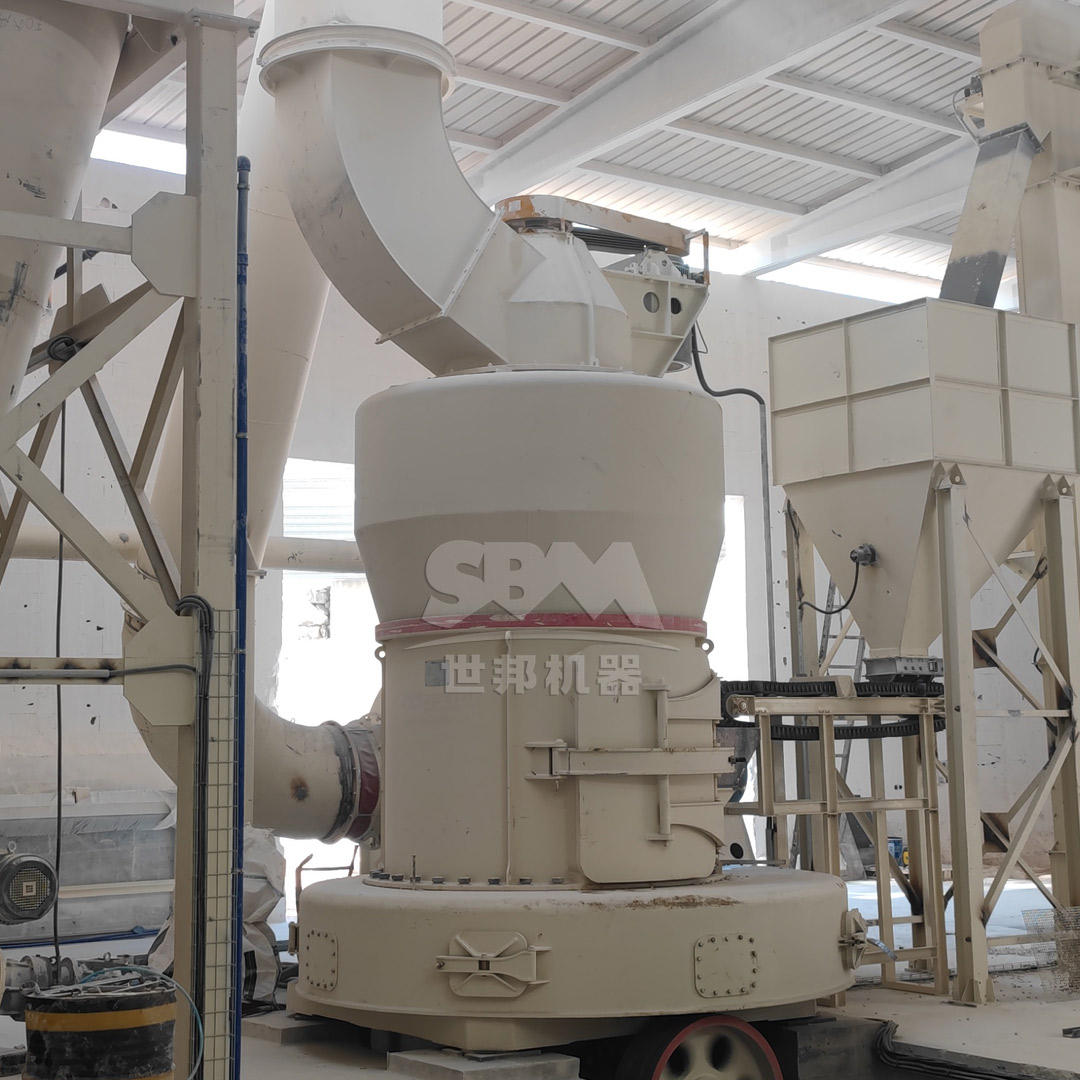
For high-capacity operations (up to 250 t/h), vertical roller mills are efficient and reliable. The LM Series Vertical Roller Mill integrates crushing, grinding, and classification, reducing floor space by 50%. Its non-contact roller-table design minimizes wear, and the expert control system ensures stable operation. This mill is particularly suitable for large-scale fuel production plants.
For medium-fine grinding (30-325 mesh) with capacities up to 45 t/h, the MTW Series European Trapezium Mill offers a cost-effective solution. Its anti-wear shovel design and integral bevel gear drive ensure low maintenance and high efficiency.
Ball mills are versatile and can handle a wide range of fineness (0.074-0.8mm) but are less energy-efficient for fine grinding. They are often used in smaller plants or where reliability is prioritized.
Based on our extensive experience in the industry, we recommend the following two products for CPC processing:
With its high efficiency, precise classification, and eco-friendly design, the SCM Series is perfect for producing ultrafine CPC powder for advanced combustion systems. Models range from SCM800 (0.5-4.5 t/h) to SCM1680 (5-25 t/h), catering to various scales.
For large-scale fuel production, the LM Series offers unmatched capacity (up to 250 t/h) and energy savings (30-40% lower than ball mills). Its integrated design and intelligent control make it a reliable choice for continuous operation.
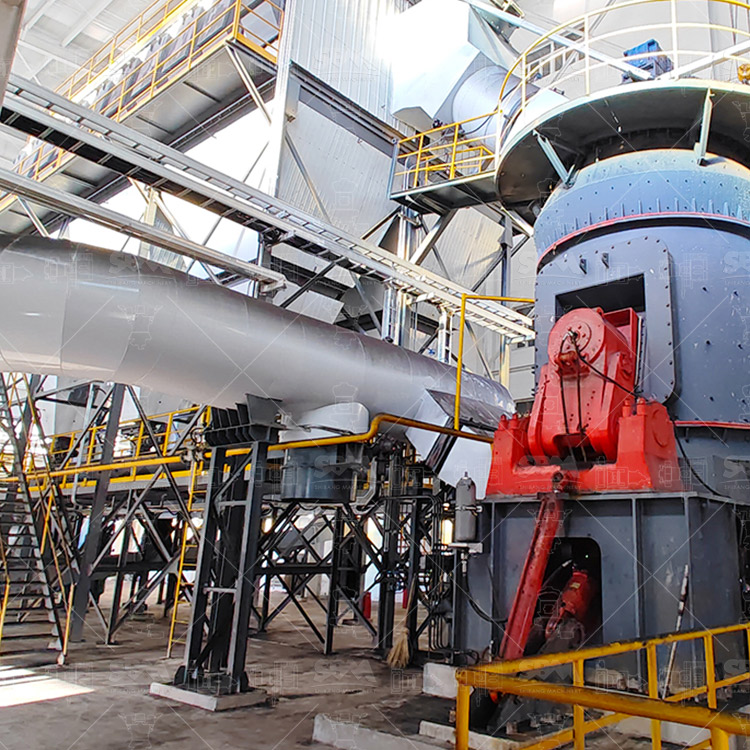
When purchasing equipment, consider the following:
A recent installation of SCM800 in a European fuel plant achieved a fineness of 800 mesh with a capacity of 4 t/h, reducing energy costs by 25% compared to the previous jet mill. The automatic granulity feedback ensured stable operation.
Selecting the right equipment for processing calcined petroleum coke is a strategic decision that impacts fuel quality, operational costs, and environmental compliance. By understanding your requirements and leveraging advanced milling technologies like the SCM Series Ultrafine Mill and LM Series Vertical Roller Mill, you can optimize your fuel production process. For a tailored solution, consult our engineers to design a system that meets your specific needs.
| Model | Capacity (t/h) | Fineness (mesh) | Main Power (kW) |
|---|---|---|---|
| SCM800 | 0.5-4.5 | 325-2500 | 75 |
| SCM1000 | 1.0-8.5 | 325-2500 | 132 |
| SCM1250 | 2.5-14 | 325-2500 | 185 |
| LM130K | 10-28 | 170-40 μm | 200 |
| LM220K | 36-105 | 170-45 μm | 800 |
For more information on our equipment and to request a quote, please contact our sales team.