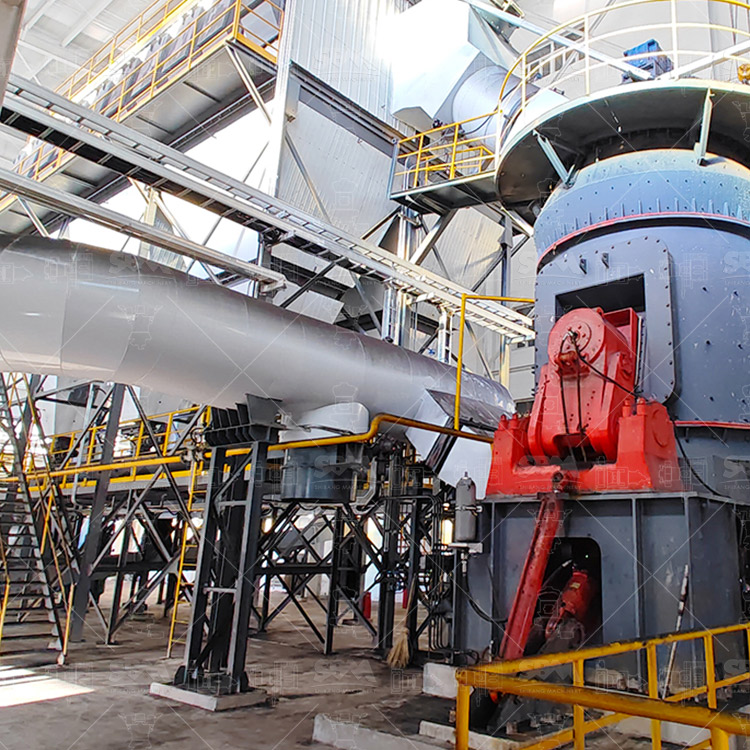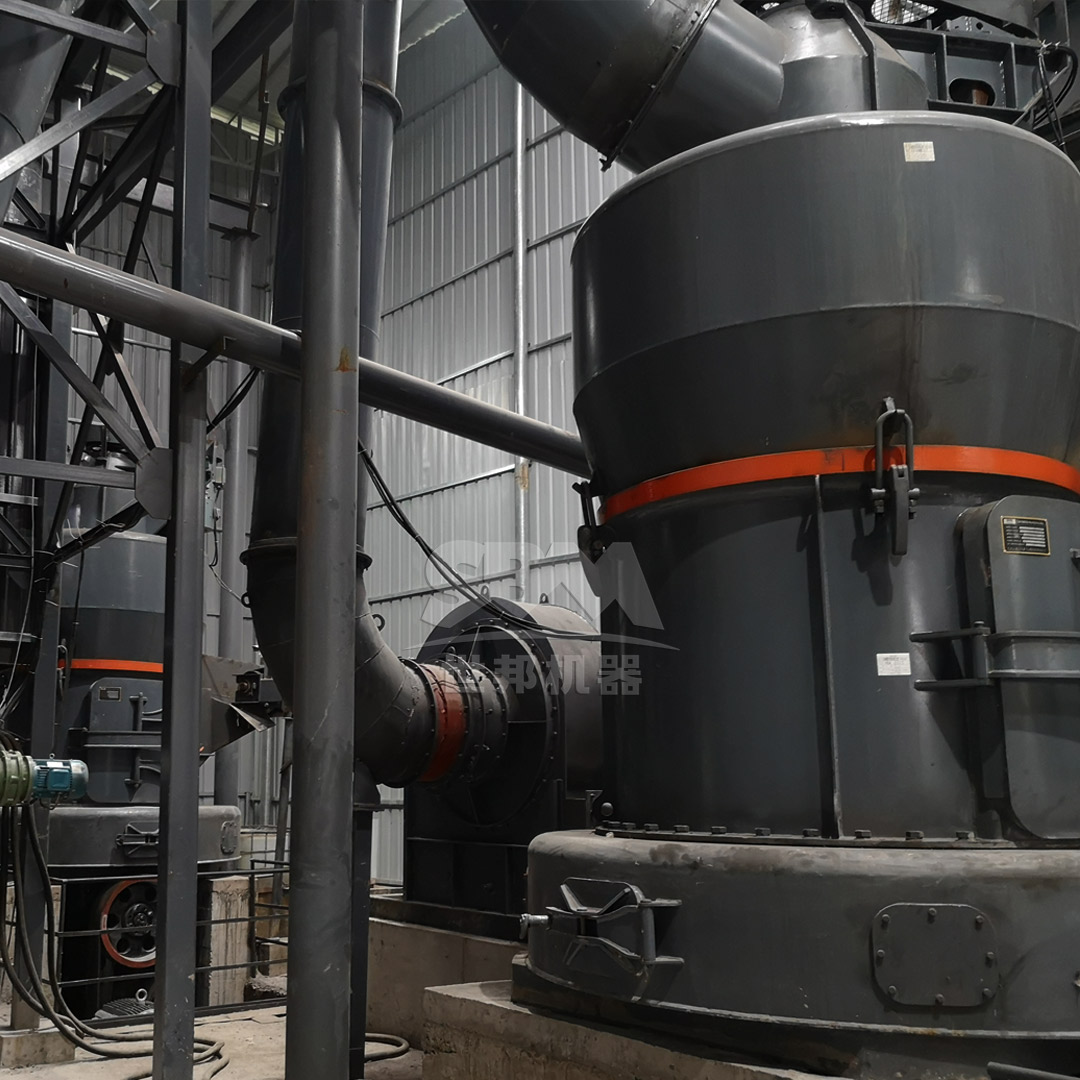
Calcined petroleum coke (CPC) is a critical raw material in the graphite manufacturing industry, serving as a precursor for synthetic graphite, anodes, electrodes, and various carbon products. The quality of CPC processing—particularly its grinding and classification—directly influences the performance and consistency of downstream graphite materials. For buyers and plant managers, selecting the right equipment for processing calcined petroleum coke is a strategic decision that affects production efficiency, product quality, energy consumption, and overall operational costs. This comprehensive buyer’s guide examines the key considerations, equipment options, and best practices for CPC processing in graphite manufacturing. We will also highlight two industry-leading solutions from our company: the SCM Series Ultrafine Mill and the MTW Series European Trapezium Mill.
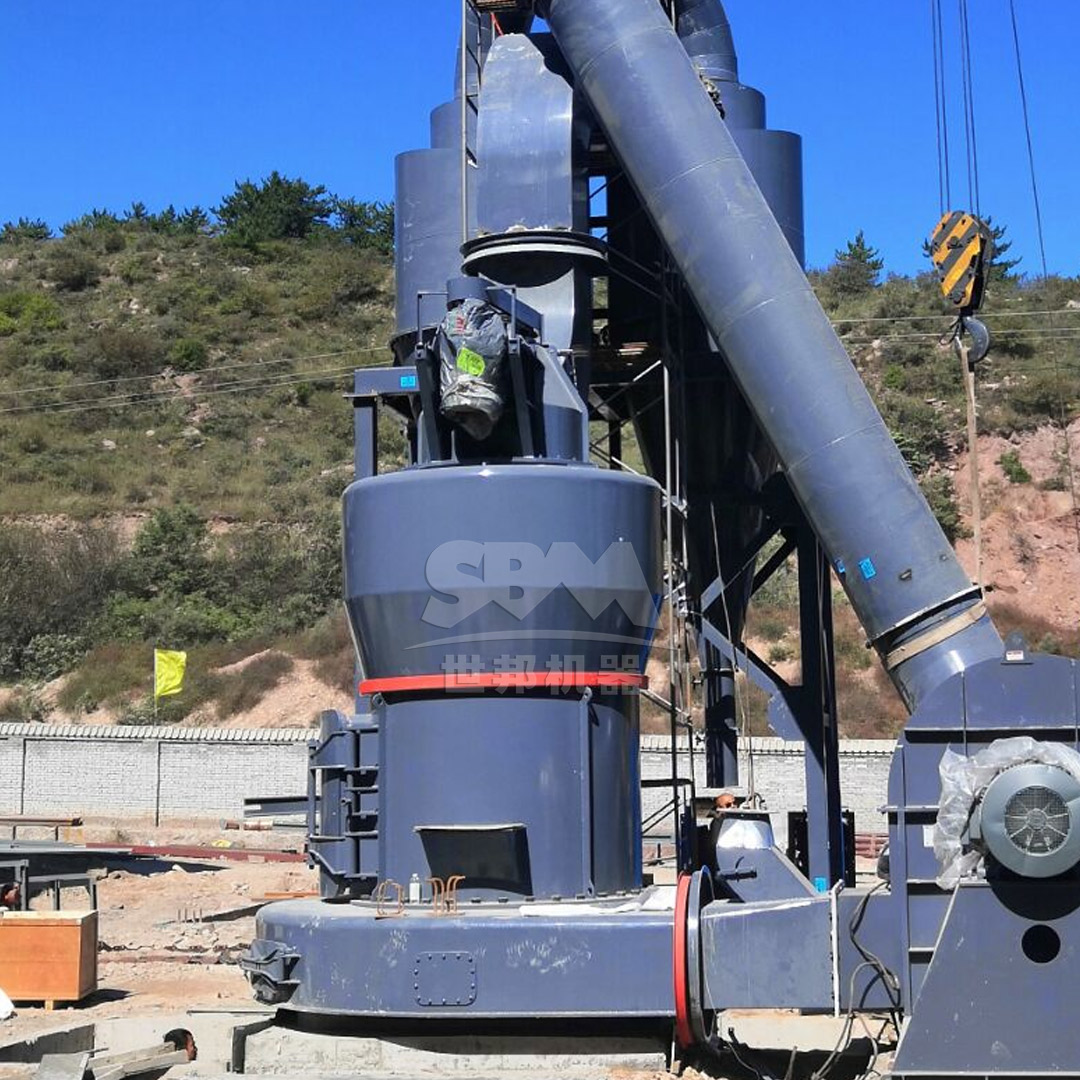
Calcined petroleum coke is produced by heat-treating green petroleum coke at temperatures around 1200–1400°C to remove volatile matter and improve density and conductivity. In graphite manufacturing, CPC is typically further processed through crushing, grinding, classification, and shaping before being mixed with binder pitch and formed into green bodies, which are then carbonized and graphitized. The particle size distribution (PSD) of CPC powder is a critical parameter. Fine and ultrafine grinding (down to 5–45 μm or even finer) is often required to achieve desired density, mechanical strength, and electrical conductivity in the final graphite product. Therefore, choosing the right mill and classifier system is essential.
CPC is known for its high hardness, abrasiveness, and relatively low moisture content. These characteristics demand equipment with wear-resistant components, robust construction, and efficient classification. Additionally, CPC dust can be explosive under certain conditions, so dust collection and explosion-proofing are important considerations. Buyers should evaluate mills based on their ability to handle abrasive materials, achieve precise fineness, and maintain low noise and dust emissions.
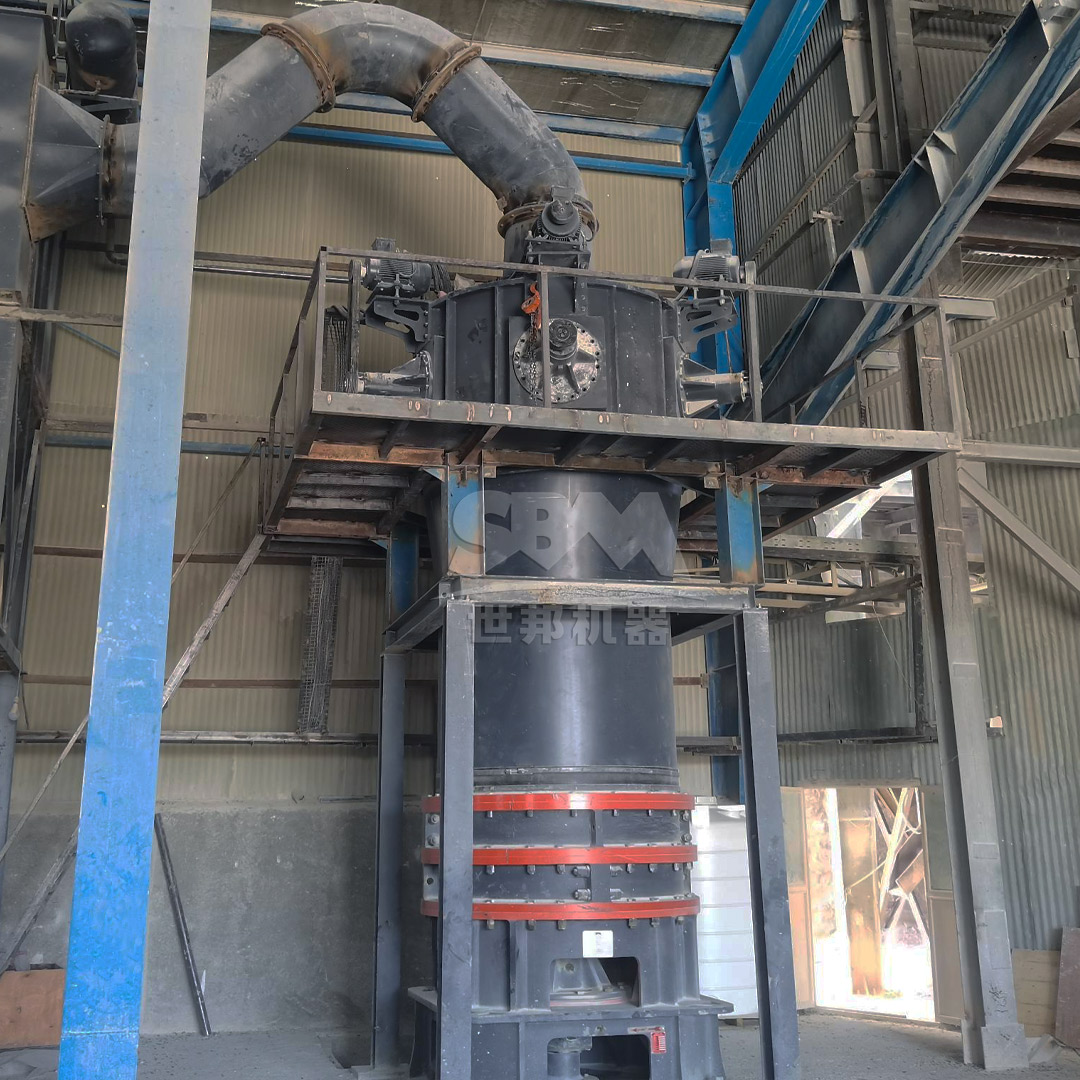
The processing flow for CPC in graphite manufacturing typically includes primary crushing (e.g., hammer mill or jaw crusher), secondary grinding, and fine or ultrafine grinding. Depending on the required fineness (from 325 mesh down to 2500 mesh), different mill technologies are appropriate. For coarse to medium grinding (down to 325 mesh), European trapezium mills or medium-speed mills are often used. For ultrafine grinding (325–2500 mesh), ultrafine mills such as the SCM series or LUM vertical roller mill are preferred. In some cases, ball mills are used for wet or dry grinding, but they are less energy-efficient for fine grinding. This guide focuses on dry grinding solutions, which are most common for CPC in graphite plants.
Before fine grinding, CPC lumps must be crushed to a manageable feed size (typically ≤20–50 mm). Hammer mills are widely used for this purpose due to their high crushing ratio and compact structure. Our company’s hammer mill (0–3 mm output) is a robust option, featuring high manganese steel liners and a stable operation. Models range from 8–15 t/h to 40–70 t/h, suitable for small to large plants. After crushing, the material is fed to the grinding mill for further size reduction.
For graphite manufacturing, the most critical step is achieving the desired particle size distribution. Two of our flagship products are particularly well-suited for CPC processing: the MTW Series European Trapezium Mill (for 30–325 mesh) and the SCM Series Ultrafine Mill (for 325–2500 mesh). Both are designed for high efficiency, durability, and environmental compliance.
The MTW Series is an ideal choice for CPC grinding when the target fineness is between 30 and 325 mesh (down to 0.038 mm). Its capacity ranges from 3 to 45 t/h depending on the model, making it suitable for medium to large-scale graphite plants. Key technical advantages include:
The MTW mill operates by driving grinding rollers around a central axis while they self-rotate, generating centrifugal force. Shovels throw material between the ring and rollers, forming a material layer that is crushed by extrusion. The integrated classifier precisely controls the finished product size. Models such as MTW175G (9.5–25 t/h) and MTW215G (15–45 t/h) are particularly suited for CPC processing. The mill also features patented internal suction oil lubrication and advanced pulse dust removal technology.
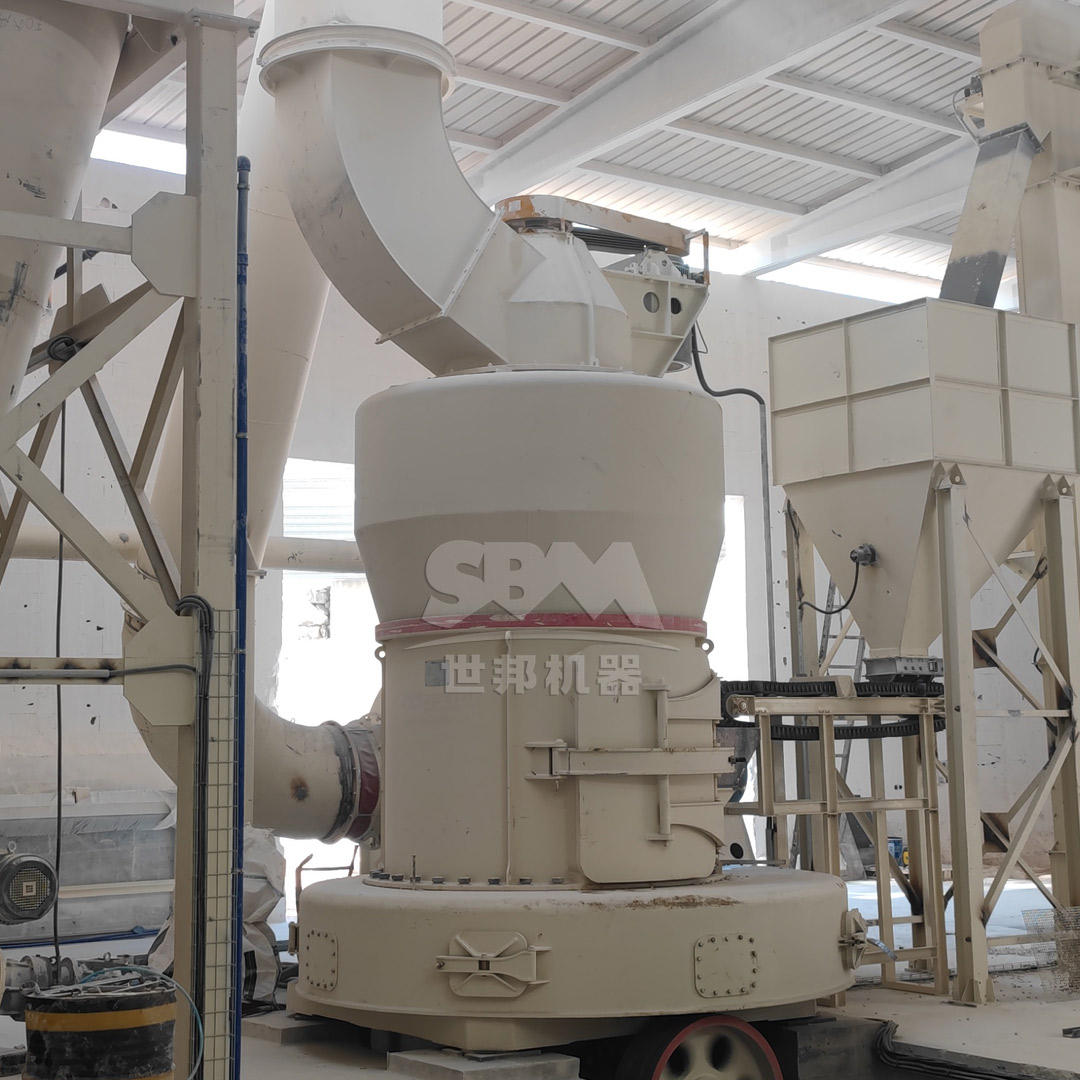
When graphite manufacturing requires ultrafine CPC powder (325–2500 mesh, i.e., 45–5 μm), the SCM Series Ultrafine Mill is the optimal solution. With capacities from 0.5 to 25 t/h, it delivers high efficiency and energy savings. Key advantages include:
The SCM mill works by driving three layers of grinding rings to rotate. Materials are dispersed into the grinding path by centrifugal force, crushed by roller pressure, and ground layer by layer. A cyclone collector and pulse dust removal system complete powder collection. Models include SCM800 (0.5–4.5 t/h), SCM1000 (1.0–8.5 t/h), SCM1250 (2.5–14 t/h), and SCM1680 (5.0–25 t/h), allowing scalability for different plant sizes.
While grinding mills are central, a complete CPC processing line also includes feeding, conveying, dust collection, and storage equipment. For plants requiring very high capacities, the LM Series Vertical Roller Mill can be considered for pre-grinding or combined grinding, with capacities up to 250 t/h. However, for most graphite manufacturing applications, the MTW and SCM mills offer an optimal balance of fineness, capacity, and energy efficiency. Also, for special cases where coarse grinding (0.074–0.8 mm) is needed, ball mills or hammer mills may suffice, but they are less efficient for fine powder production.
When purchasing equipment for CPC processing, buyers should consider the following factors:
Selecting the right equipment for processing calcined petroleum coke in graphite manufacturing is a multifaceted decision. It requires a thorough understanding of material properties, production requirements, and equipment capabilities. The MTW Series European Trapezium Mill and the SCM Series Ultrafine Mill from our company represent state-of-the-art solutions for medium to ultrafine grinding, offering high efficiency, durability, and environmental compliance. By investing in the right technology and partnering with a reliable supplier, graphite manufacturers can achieve consistent product quality, lower operating costs, and a competitive edge in the market. For more information on how our equipment can optimize your CPC processing line, please contact our technical team.