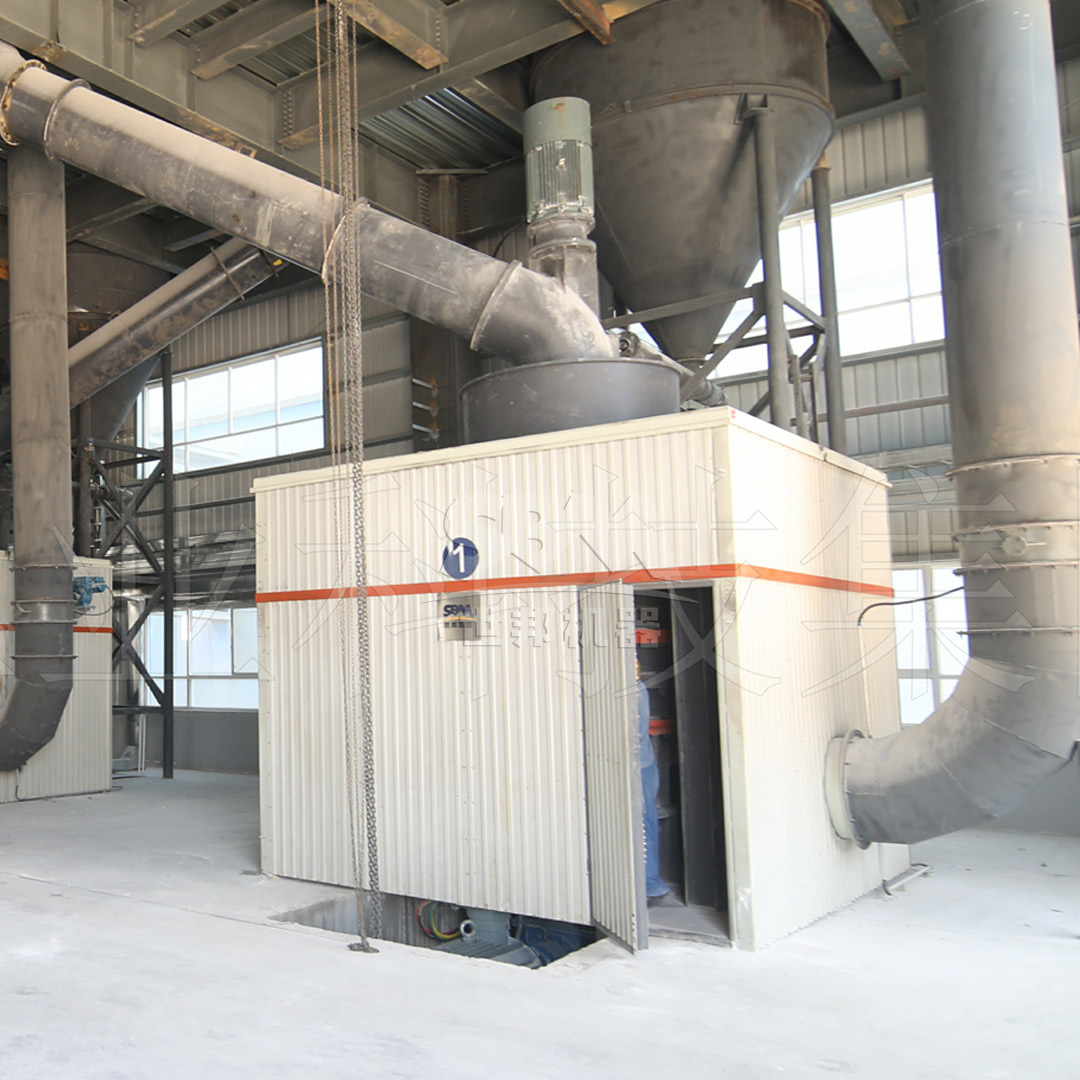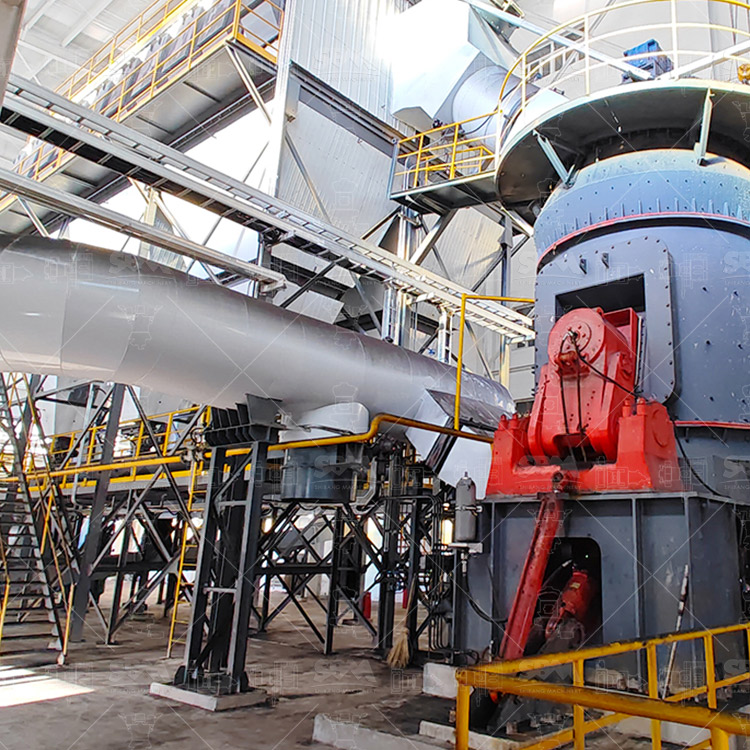
Calcined petroleum coke (CPC) is a critical raw material in the chemical processing industry, particularly for the production of anodes in aluminum smelting, graphite electrodes, and various carbon-based products. The quality of CPC is heavily influenced by its particle size distribution, which directly affects downstream performance. Therefore, selecting the right milling and grinding equipment is paramount for any chemical processing plant. This buyer’s guide aims to provide a comprehensive overview of the types of mills available, key selection criteria, and leading solutions from our company to help you make an informed decision.
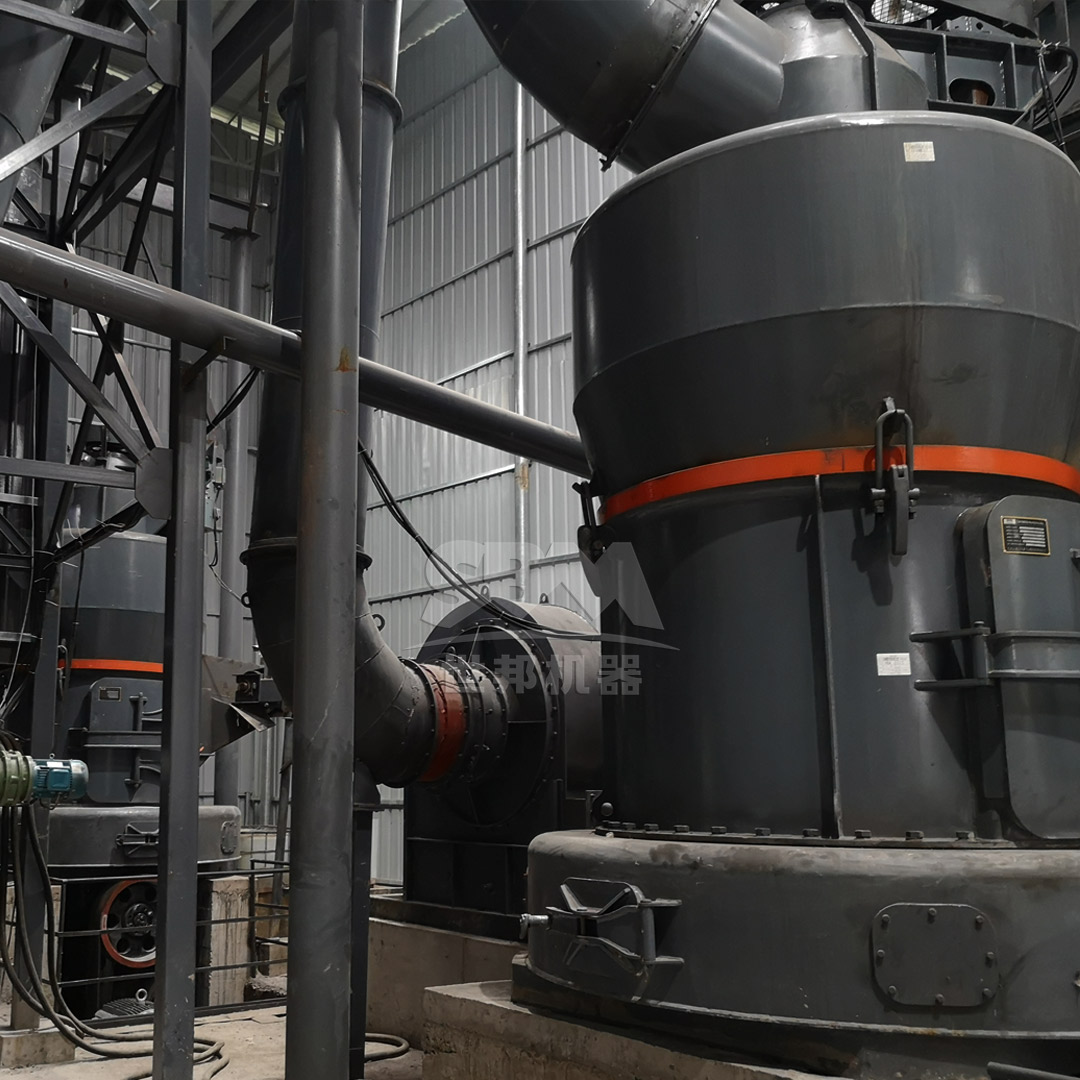
Calcined petroleum coke is produced by heating green coke to approximately 1200-1400°C, which removes volatile matter and increases density and hardness. The resulting material is typically hard and abrasive, requiring robust grinding equipment. The desired fineness of CPC varies depending on the application: for anodes, a coarse grind (e.g., 200 mesh) is often sufficient, while for specialized carbon products, ultrafine grinding (e.g., 1250 mesh) may be necessary. Key challenges in CPC grinding include wear on equipment due to abrasiveness, potential contamination, and the need for consistent particle size distribution to ensure product quality.
When choosing a mill for calcined petroleum coke, several factors must be considered:
Several types of mills are commonly used for CPC grinding, each with its own advantages and limitations.
Ultrafine mills are designed to produce very fine powders, often in the range of 325-2500 mesh. They are ideal for applications requiring high fineness, such as specialty carbon products. Our SCM Series Ultrafine Mill is a prime example, offering high efficiency and precise classification. With models like SCM800 to SCM1680, capacities range from 0.5 to 25 t/h, and fineness can be adjusted between 325 and 2500 mesh. The SCM mill features a vertical turbine classifier for precise particle size cutting, ensuring no coarse powder mixing. Its durable design with special material rollers and rings extends service life, while the pulse dust collection system exceeds international standards for dust removal efficiency.
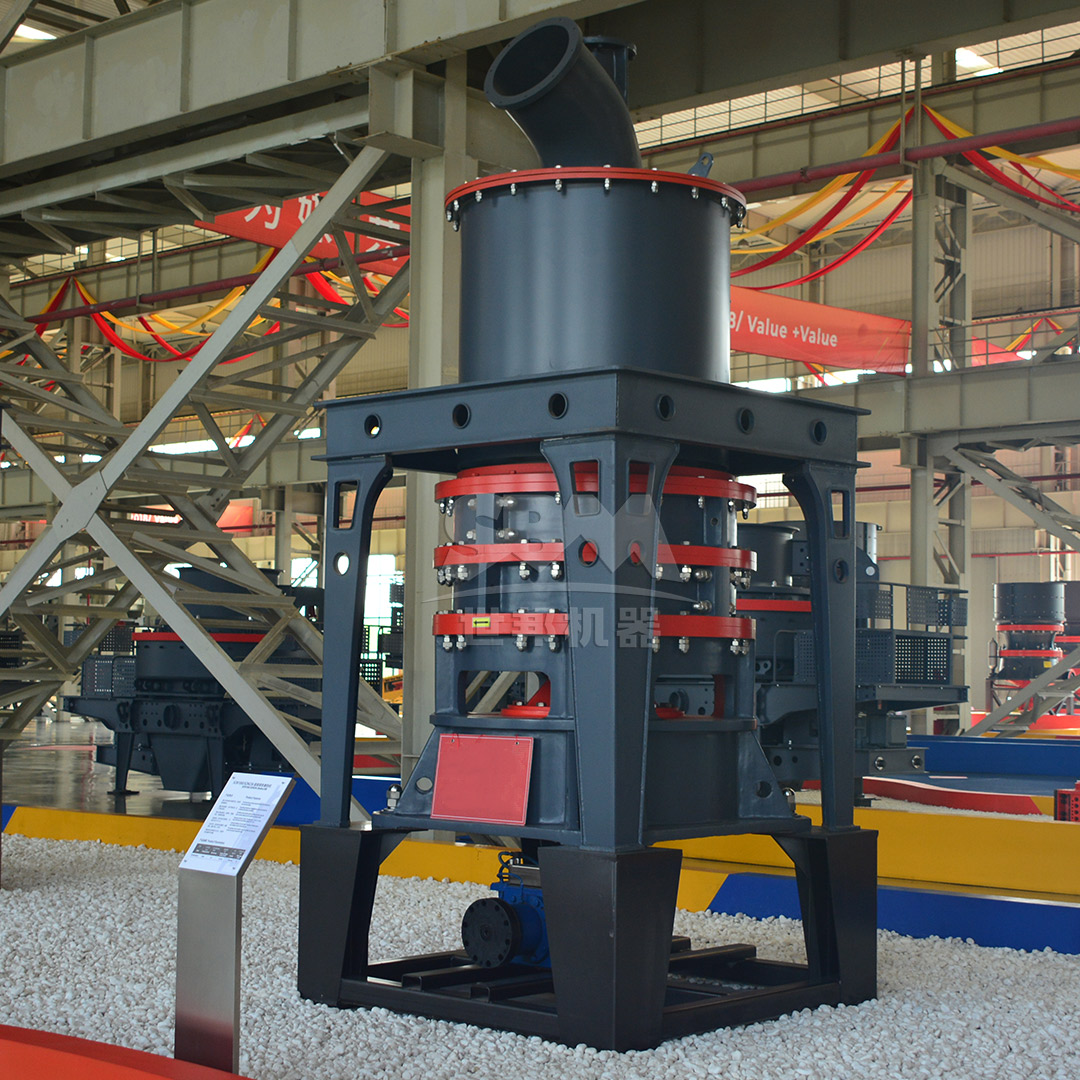
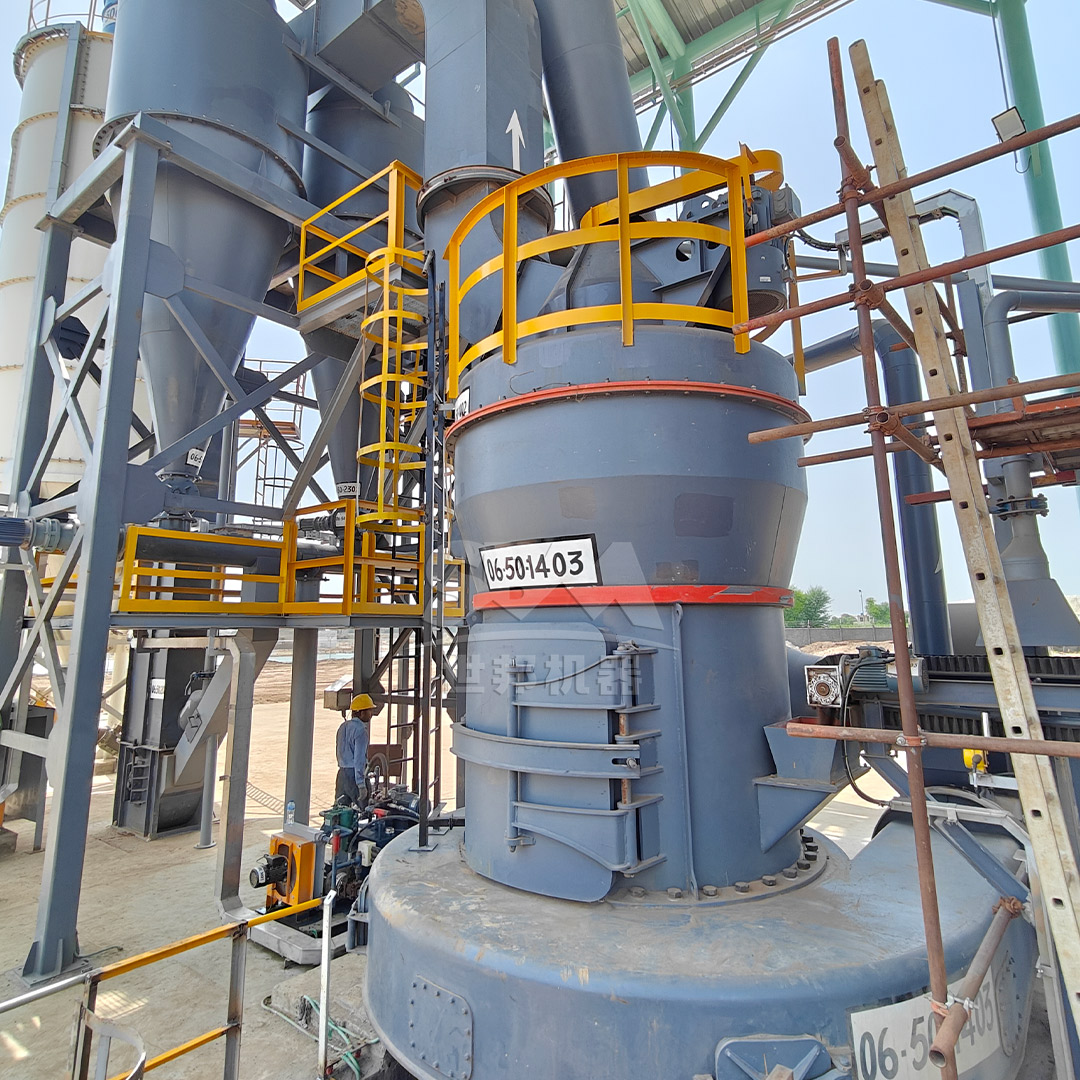
Trapezium mills, such as our MTW Series European Trapezium Mill, offer a balance between fineness and capacity. They are suitable for medium to fine grinding (30-325 mesh) and are known for their robust construction and energy efficiency. The MTW mill incorporates an anti-wear shovel design and optimized arc air duct to reduce airflow energy loss. With models from MTW110 to MTW215G, capacities range from 3 to 45 t/h. The integral bevel gear drive ensures high transmission efficiency, and the wear-resistant volute structure reduces maintenance costs by 30%. This mill is an excellent choice for CPC grinding where a consistent product in the 200-325 mesh range is needed.
Vertical roller mills (VRMs) are widely used for grinding various materials, including CPC, due to their high capacity and energy efficiency. Our LM Series Vertical Roller Mill integrates crushing, grinding, and classification, reducing floor space by 50%. It can handle capacities from 3 to 250 t/h and produce fineness from 30 to 325 mesh (up to 600 mesh for special models). The non-contact design between rollers and table increases wear part life by 3x, and energy consumption is 30-40% lower than ball mill systems. The intelligent control system allows for remote monitoring and real-time parameter adjustment, ensuring stable operation and product quality.
Ball mills are traditional but still widely used for CPC grinding, especially for coarse to medium fineness (0.074-0.8mm). They are reliable and can handle large capacities (up to 450 t/h). However, they are less energy-efficient compared to modern vertical mills. Our ball mills feature high crushing ratios and stable operation, with options for dry or wet grinding. They are suitable for applications where a broad particle size distribution is acceptable.
For pre-crushing or coarse grinding (0-3mm), hammer mills are a cost-effective solution. Our hammer mills offer high capacity and crushing ratio, with wear-resistant liners for long life. They are often used in the initial size reduction stage before finer grinding.
Based on the specific needs of CPC grinding, we recommend two of our leading products: the SCM Series Ultrafine Mill and the MTW Series European Trapezium Mill. Both are engineered to deliver superior performance, reliability, and efficiency for chemical processing applications.
The SCM Series Ultrafine Mill is specifically designed for ultrafine grinding, making it ideal for producing high-quality CPC powders. Its core parameters include input size ≤20mm, output fineness 325-2500 mesh, and capacity 0.5-25 t/h. Key technical advantages include:
The SCM mill operates by driving three layers of grinding rings to rotate, dispersing materials into the grinding path by centrifugal force, and crushing them by roller pressure. The powder is then collected by a cyclone collector and pulse dust removal system. With models from SCM800 to SCM1680, you can select the capacity that matches your production needs.
The MTW Series European Trapezium Mill is a versatile solution for medium to fine grinding of CPC. Its core parameters include input size ≤50mm, output fineness 30-325 mesh (down to 0.038mm), and capacity 3-45 t/h. Key technical advantages include:
The MTW mill works by having the main motor drive the grinding rollers to revolve around the central axis while self-rotating, generating centrifugal force. Shovels throw materials between the ring and rollers to form a material layer, achieving efficient crushing through extrusion. The classification system precisely controls the finished product size. With models from MTW110 to MTW215G, capacities range from 3 to 45 t/h, making it suitable for a wide range of production scales.
| Feature | SCM Series Ultrafine Mill | MTW Series European Trapezium Mill |
|---|---|---|
| Input Size | ≤20mm | ≤50mm |
| Output Fineness | 325-2500 mesh | 30-325 mesh (down to 0.038mm) |
| Capacity | 0.5-25 t/h | 3-45 t/h |
| Energy Consumption | 30% lower than jet mills | Low, with optimized air duct |
| Wear Parts Life | Extended several times | Extended by 30% |
| Classification | Vertical turbine classifier, precise | Precise control |
| Environmental | Pulse dust collection, soundproof | Multi-stage dust collection |
| Ideal Use | Ultrafine grinding for high-quality CPC | Medium to fine grinding, versatile |
Proper installation and maintenance are crucial for maximizing the lifespan and performance of your grinding equipment. For the SCM and MTW mills, ensure a stable foundation and adequate space for maintenance access. Regular inspection of wear parts (rollers, rings, shovels) is recommended, and lubrication schedules should be followed diligently. Both mills feature advanced automation, but operator training is essential to leverage the intelligent control systems fully. Our company provides comprehensive after-sales support, including installation guidance, spare parts, and technical assistance.
Selecting the right milling and grinding equipment for calcined petroleum coke is a critical decision that impacts product quality, operational efficiency, and profitability. By considering your specific fineness and capacity requirements, energy efficiency, wear resistance, and environmental compliance, you can narrow down the options. Our SCM Series Ultrafine Mill and MTW Series European Trapezium Mill represent state-of-the-art solutions that deliver exceptional performance for CPC processing. With their advanced features and proven reliability, they can help you achieve consistent product quality and optimize your chemical processing operations. For more detailed specifications and customized recommendations, please contact our technical sales team.