In modern cement manufacturing, the specific surface area (SSA) of cement clinker, typically measured in cm²/g or m²/kg using the Blaine method, is a paramount quality indicator. It directly correlates with key performance properties such as early compressive strength, rate of hydration, and overall workability of concrete. Finer cement with a high SSA exhibits faster hydration reactions, leading to higher early strength, which is essential for modern construction timelines. However, achieving high SSA is inherently energy-intensive. Traditional grinding systems often struggle to strike the delicate balance between maximizing SSA and maintaining economically viable power consumption. Over-grinding leads to particle agglomeration, reduced grinding efficiency, and potential quality issues such as increased water demand in concrete. The challenge for modern cement plants is to optimize the comminution process to produce a high-quality product with a target SSA range (typically 350-450 m²/kg for ordinary Portland cement, with higher values for specialized applications) while minimizing energy expenditure and equipment wear.
This article explores the key strategies and technological solutions for optimizing grinding efficiency and product quality in high specific surface area cement clinker processing. We will delve into the mechanics of clinker grinding, pre-grinding techniques, classifier efficiency, and the selection of appropriate processing equipment. The focus is on moving beyond conventional ball mill systems toward more versatile and energy-efficient vertical roller mills (VRMs) and ultra-fine grinding mills that are specifically engineered for challenging applications.
A highly effective method to optimize energy consumption in high SSA cement production is the implementation of a two-stage grinding system. Cement clinker, fed from the kiln, typically has a top size of 30-50 mm. Directly grinding this coarse feed to a fineness of 350-450 m²/kg Blaine in a single-stage ball mill is highly inefficient, with a large portion of electrical energy converted into heat rather than used for particle breakage.
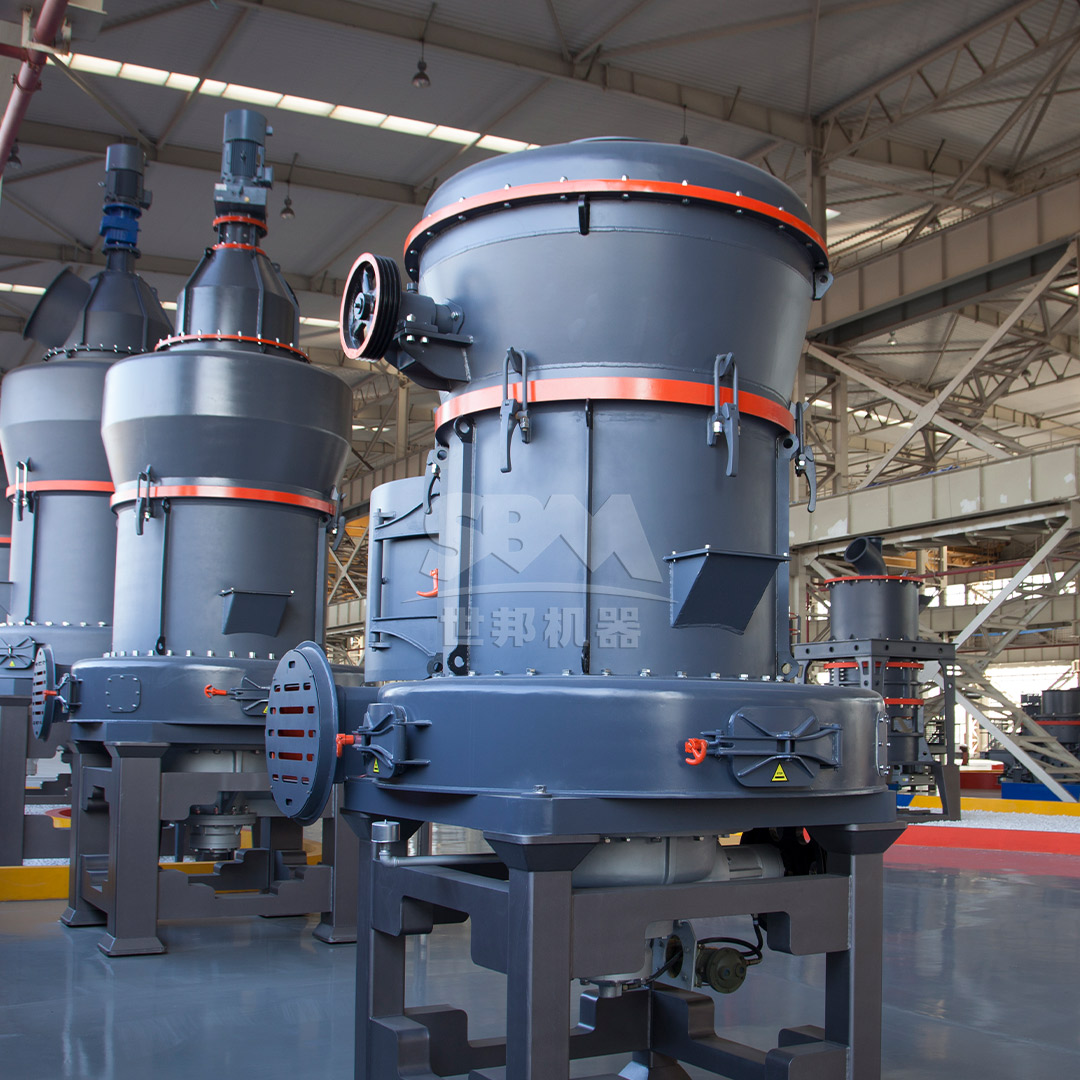
The modern and optimized approach involves a pre-grinding stage followed by a final finishing stage. Pre-grinding equipment, such as the LM-Y Vertical Pre-grinding Roller Mill or a high-capacity Hammer Mill, can efficiently reduce the clinker from a feed size of up to 50mm to a finer size of approximately 2-5 mm. This significantly increases the surface area of the material entering the final grinding mill, thereby enhancing the throughput and efficiency of the finish mill. This stage is based on the ‘bed grinding’ principle, where material is crushed under high pressure between a rotating table and hydraulically pressed rollers, which is significantly more energy-efficient than tumbling impact grinding.
For the final stage, the focus shifts to equipment capable of delivering precise classification and high fineness. While the Ball Mill has been the workhorse of the cement industry for decades, its efficiency in the finish grinding stage, particularly for very high SSA, remains a challenge. An alternative and often superior choice is the Vertical Roller Mill (VRM), particularly the LM series.
VRMs offer several distinct advantages for high SSA processing:
Selecting the right equipment is the defining factor in achieving optimal efficiency and product quality. According to market demands, many newer plants are now employing specialized machines that push technological boundaries. Let’s explore two leading-edge solutions from a prominent provider.
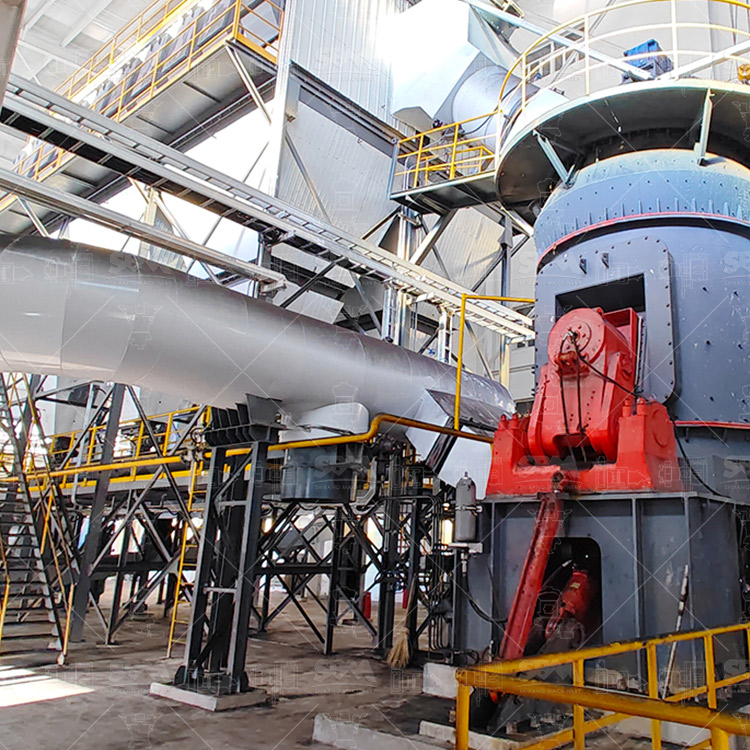
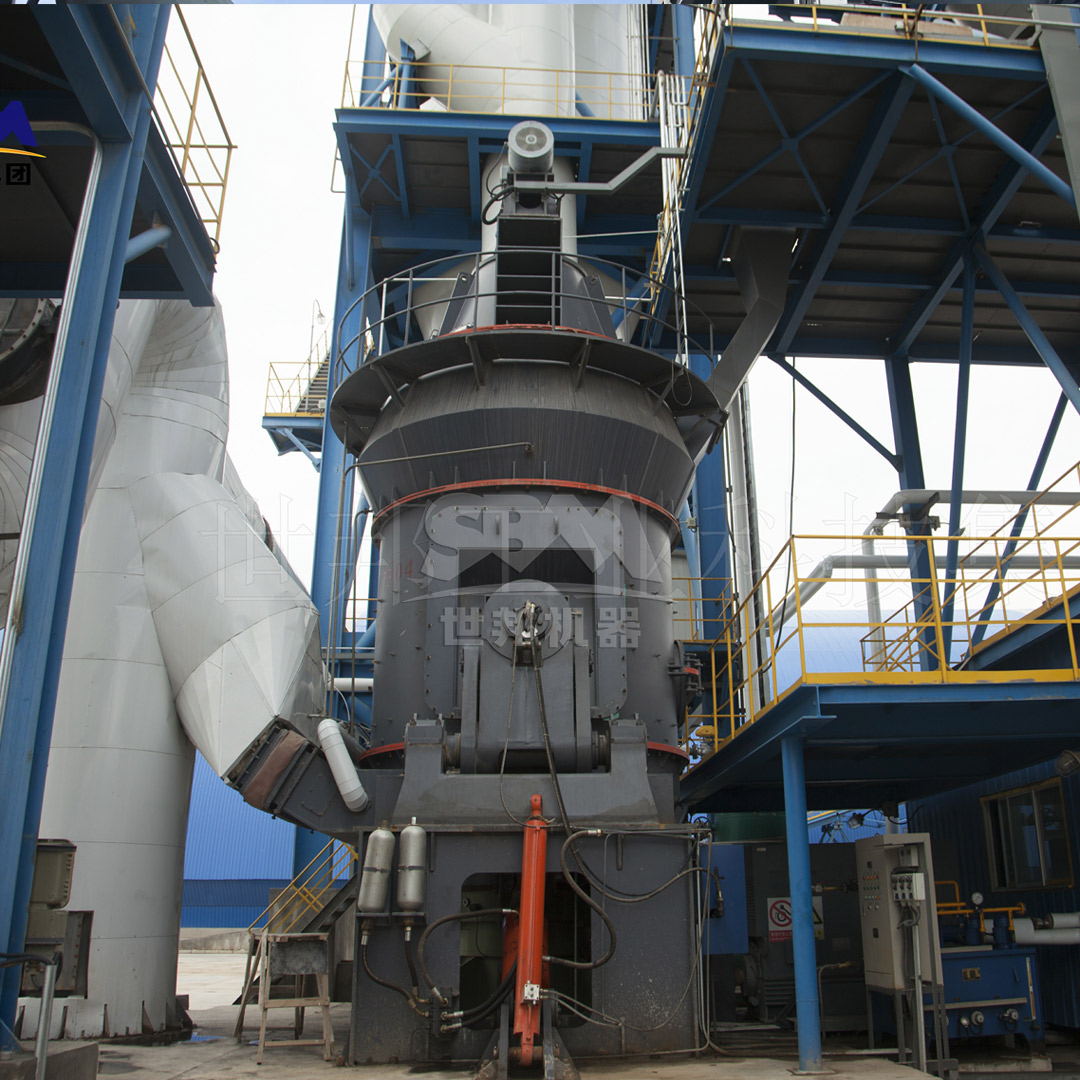
When large-scale production is required, the throughput capacity and integrated design of the LM series VRM make it a superior choice. The LM170K model, with a table diameter of 1700mm, is capable of producing 18-48 t/h of finished powder with a fineness ranging from 170-40 μm. This covers the desired spectrum for high SSA cement production. For even higher capacity scenarios, the LM220K can process up to 105 t/h. These systems integrate grinding, drying, and selection within a single unit. The unique design reduces the footprint by up to 50% compared with traditional systems, drastically lowering infrastructure and installation costs. Furthermore, the fully sealed negative pressure operation ensures a dust-free environment, aligning with strict environmental compliance standards, making it suitable for high-specific-surface-area cement.
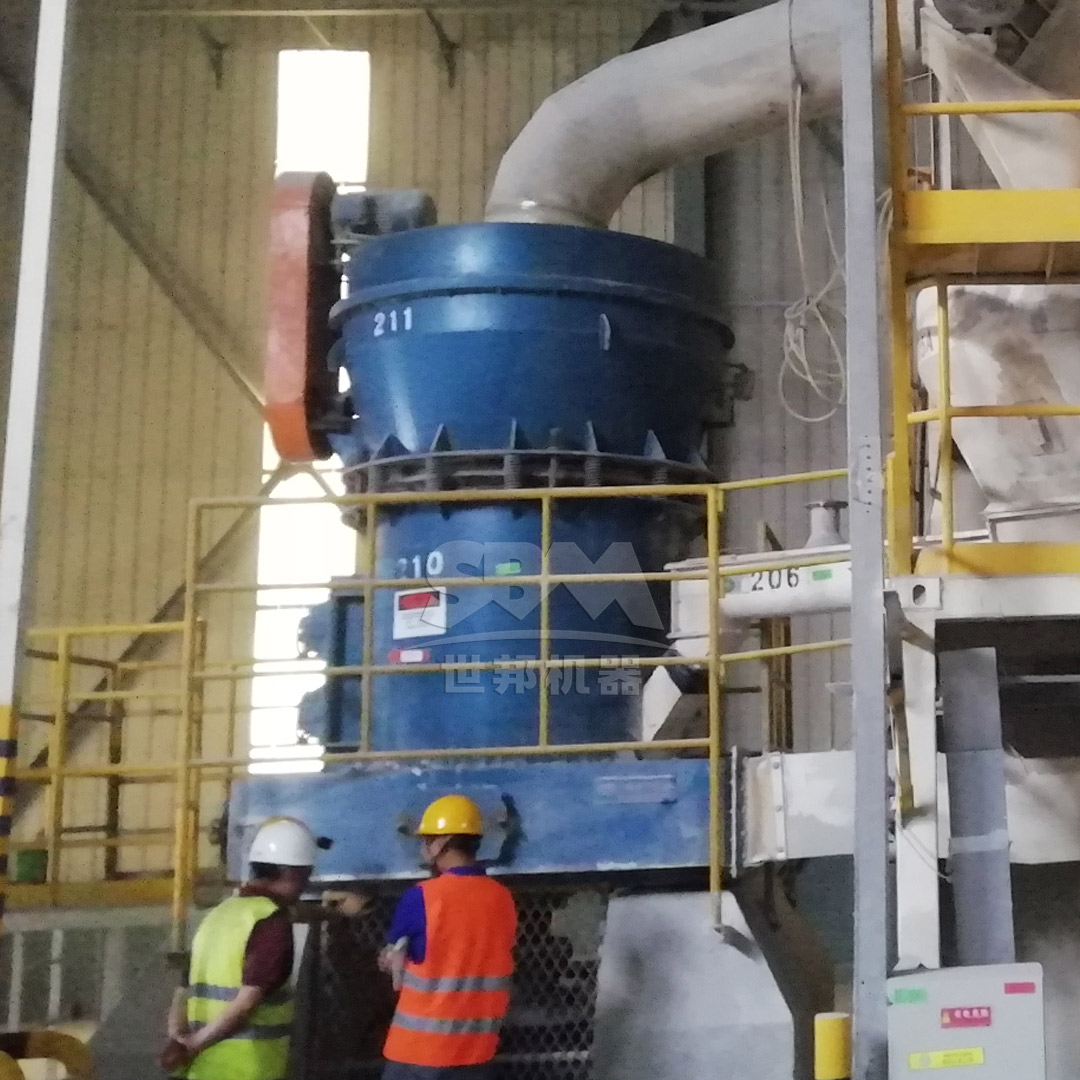
For the production of highly specialized cement or additives that require surface areas beyond standard specifications (e.g., d97 milling or specific surface areas up to 700+ m²/kg), conventional VRM technology often has limitations. In these applications, our state-of-the-art SCM Series Ultrafine Mill is the definitive solution. Designed particularly for output fineness between 325-2500 mesh (approx. 45-5μm), this equipment creates perfectly uniform end-products with no coarse powder mixing, significantly moving beyond basic cement standards.
One of the flagship models, the SCM1250, provides a capability of 2.5-14 ton/h while maintaining rigorous particle size cuts, making it extremely effective for intensive processing, even though its energy consumption is 30% lower than that of traditional jet mills. The secret lies in its patented workings: specialized material rollers and rings resist wear several times longer, and the innovative shaftless screw grinding chamber guarantees stabilized operations for a more homogeneous cement paste. For larger production requirements in relation to specific surface area enhancements, the implementation of the SCM1680, with a capacity of 5-25t/h, can be engineered directly in-balance for high value-added material additions.
| Key Feature | Traditional Ball Mill | LM Series VRM | SCM Ultrafine Mill |
|---|---|---|---|
| Energy Consumption (Relative) | High (Baseline) | Reduced by 30-40% | 50% lower vs jet mill |
| Product Fineness (SSA) | Controlled, moderate range | Consistent; can reach 600 mesh | Excellent; achieves 5-45 μm (2500-325 mesh) |
| Footprint | Large (Requires separate systems) | Reduced by 50% (integrated design) | Compact |
| Classifier Precision | Mechanical (less precise) | High-efficiency Dynamic | Vertical Turbine – No coarse mixing |
| Maintenance & Wear | High consumption of media & liners | Rollers last 3x longer (no metal contact) | Special material rollers for extensive service life |
Selecting sophisticated hardware alone is not enough for optimization; the software and process monitoring integrated into the system must also work together to achieve the best quality variables. The key to high SSA is obtaining a predictable steep particle size distribution. This is controlled efficiently by the advanced classifiers used with mill technologies.
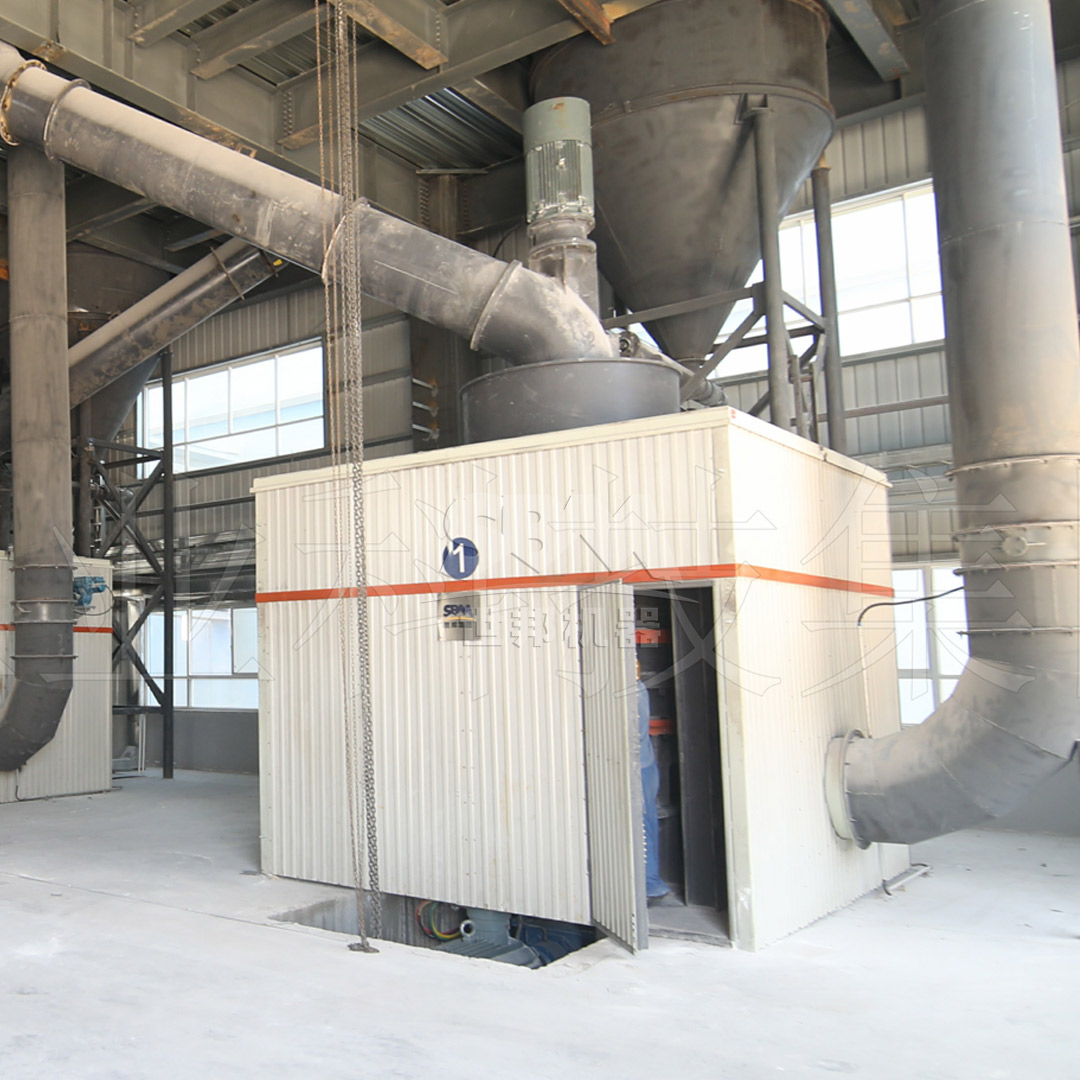
Modern vertical turbine classifiers, a feature in the SCM series and high-performing dynamic classifiers in LM series, change their rotational speed to separate materials with high precision. An intelligent control system, which actively adjusts the classifier speed via feedback from real-time product fineness analysis, ensures stable product quality. This prevents over-crushing of the already-fine fraction and limits its impact on the grinding zone.
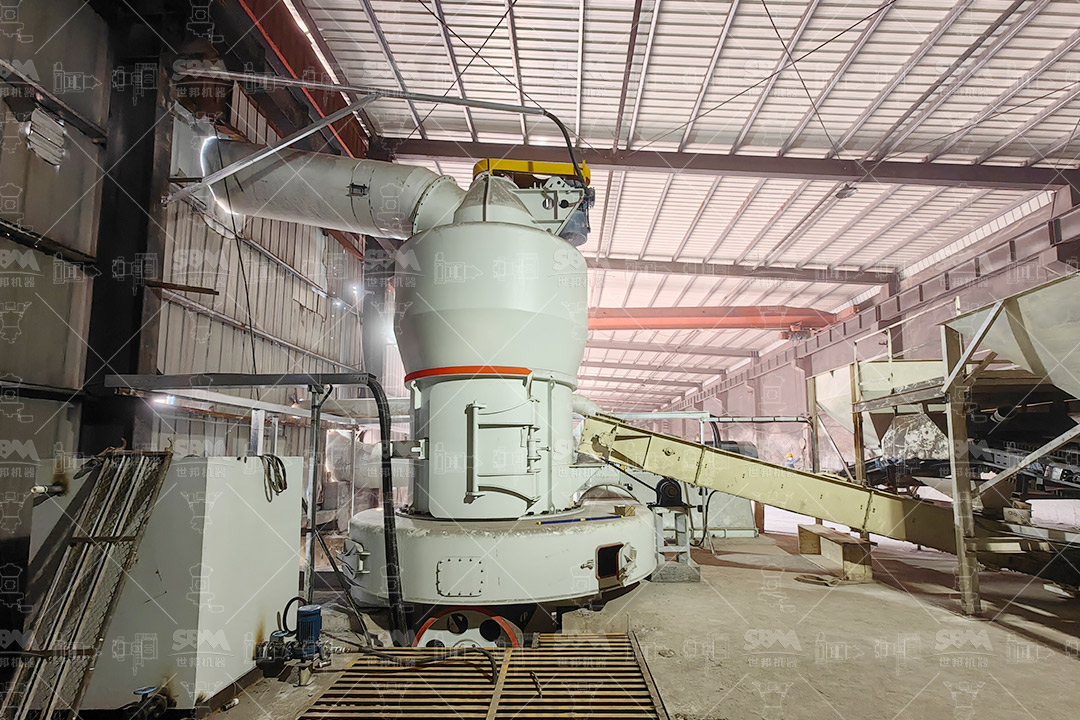
Air-swept mills rely heavily on airflow to transport ground material upwards to the classifier. The optimized arc air duct design and the calculation of total volumetric flow rate play central roles in drying and material conveying. Compared to straight ducts, curved ducts decrease energy loss, and high-strength guard boards further shield the operating surface, thus helping to improve transmission efficiency and lower operational upkeep costs. This is a vital aspect of our MTW series but its principle is applied to the other flagship mills. Optimizing air flow resistance significantly reduces the fluid dynamic energy losses and ensures the material-to-air ratio is always ideal for maximum throughput without sacrificing precision.
One of the greatest advantages that high-SSA cement grinding has over other grinding applications is the capability of sound management of process parameters. Smart condition monitoring systems track the amperage and pressure of the grinding mill drive. With the aforementioned modular-roller assembly quick-change systems, operators can quickly inspect components for wear. For example, with the vertical roller mill’s roller tyres, periodic inspection allows operator to profile rolls and tables before mechanical failures occur, cutting down downtime by up to 40% compared to non-invasive maintenance. For high efficiency, ensuring that the machine is permanently operating within the correct parameters ensures that surface areas are consistently achieved and, more importantly, no damage is done to the final cement integrity.
In achieving a high Blaine SSA, laboratory controls must be performed hourly. To ensure reliable output quality, a plant can rely on equipment specification stability to minimize deviations. Since quality models for cement performance rely on parallel particle size distributions (RRSB diagram), choosing a mill capable of delivering materials in a similar distribution is critical.
The grinding quality achieved in devices that have narrow product particle distribution results in enhanced concrete workability and reduced water demand. This high performance distinguishes the SCM and LM series. Integration of an expert auto-control system supports automatic feedback of granularity control and remote monitoring of all parameters—which significantly reduce manual errors and increase the consistent quality of your clinker’s SSA. This is crucial for suppliers specializing in premium market cement solutions, where chemical composition and surfaces contribute majorly to production prices.
Further testing shows that when clinker is processed using a pre-grinder directly before the finish unit, you not only increase machinery durability but also ensure your SSA is far beyond standard production. For instance, an LM-Y pre-grinder with a bond index of less than 10 kWh/t ensures lower deformation, improving burnability parameters in the subsequent mill environment.
For high-capacity situations dealing with cement clinker and complicated processing situations, we recommend industrial groups adapt plants to incorporate multiple systems, combining the benefits of hammer mills for pre-processing, VRMs as a powerhouse for primary grinding, and ultrafine units for quality tuning. This hierarchical approach ensures the economy of scale while maintaining stringent quality performance associated with high specific surface areas.
The pursuit of high specific surface area in cement clinker processing is a multi-faceted challenge involving energy optimization, mechanical reliability, and precision process control. Old-school mills fall short in achieving optimal efficiency with mineral additions. By partnering with modern equipment—from the diverse capacities of the LM vertical roller mills for extensive processes to the precise output of SCM series—you can ensure peak throughput and produce material quality that meets industry benchmarks.
In this competitive landscape, equipment that integrates integral bevel gear drive (up to 98% efficiency in MTW series), precise vertical turbine classifiers, and reduced pressure losses makes business sense. If your company looks to improve crushing ratios or guarantee particle-size consistency, we encourage looking into the unique grading and energy-saving potential that new technology provides. Optimize your cement system today with comprehensive solutions tailored to meet high SSA, allowing your business to meet market requirements for high-performance concrete and cement while dramatically lowering your total cost of operation.
Contact us today to discuss your operation’s setup, and learn how our installation and training systems can grant your plant a highly efficient future.