
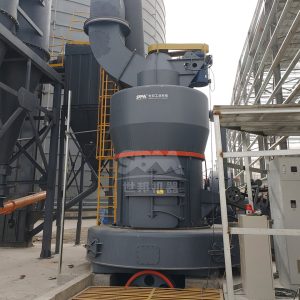
Introduction: The Demand for High Specific Surface Area in Modern Cement The global cement industry is under constant pressure to produce higher performance materials while simultaneously reducing energy consumption and environmental impact. A critical quality parameter that directly influences the strength, durability, and reactivity of cement is the specific surface area (SSA), typically measured in […]
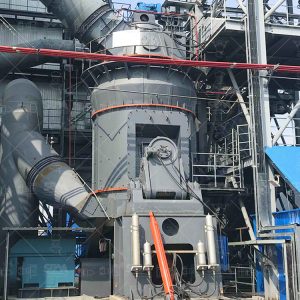
Introduction to Cement Clinker Grinding In the modern cement industry, the grinding of cement clinker to a fine powder is a critical step that directly influences the quality, strength, and economic viability of Portland cement. Achieving a fineness of around 200 mesh (approximately 74 microns) is a standard requirement for ordinary Portland cement, as it […]
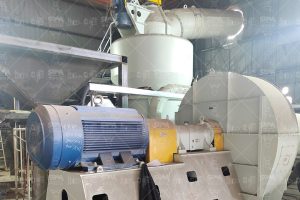
Introduction: The Demand for Fine Cement Clinker The global cement industry is witnessing an unprecedented shift toward finer product specifications, with 325 mesh (45 microns) becoming a standard requirement for high-performance cement blends, mineral admixtures, and specialized construction materials. Achieving this level of fineness consistently and economically requires more than just powerful machinery—it demands a […]
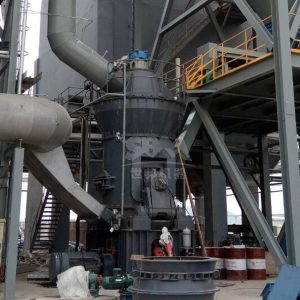
Introduction to Coal Gangue Processing in Modern Cement Production In the evolving landscape of building materials, the utilization of industrial by-products such as coal gangue has transitioned from a mere waste management strategy to a cornerstone of sustainable manufacturing. Coal gangue, a dark gray rock associated with coal seams, is often perceived as an environmental […]
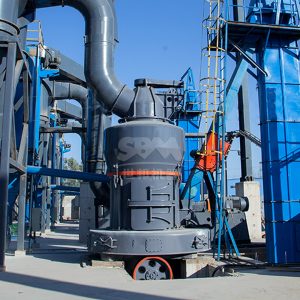
Introduction: The Role of Coal Gangue in the Non-Fired Brick Industry In the evolving landscape of green building materials, the utilization of industrial solid waste has transitioned from an environmental burden to a significant economic opportunity. Among these waste streams, coal gangue—a byproduct of coal mining and washing—stands out as a primary raw material for […]
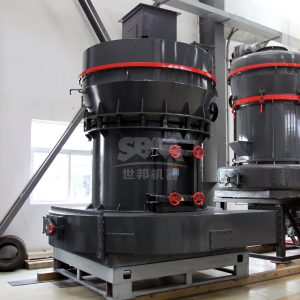
Introduction: The Critical Link Between Grinding and Oil Recovery In the specialized field of oil extraction from bauxite, the efficiency of the entire process chain is fundamentally dependent on the quality of the feed material. While the focus often falls on chemical extraction methods, the physical preparation of bauxite ore through grinding is equally critical. […]
Introduction: The Critical Role of Bauxite Processing in Proppant Manufacturing Oil fracturing, or hydraulic fracturing, is a well-stimulation technique that relies on high-performance proppants to keep fractures open and allow hydrocarbons to flow freely. Among the various proppant materials, sintered bauxite stands out due to its exceptional compressive strength, thermal stability, and chemical resistance. However, […]
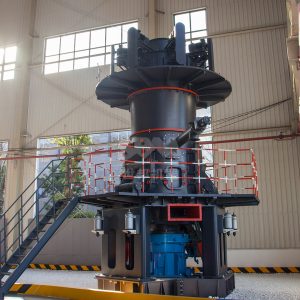
Introduction to Bauxite Processing Bauxite, the primary ore for aluminum, undergoes a complex journey from open-pit mine to the smelting pot. The quality of the final alumina (Al2O3) and the efficiency of the Bayer process depend heavily on the preparation of the raw material. Crushing, homogenization, and especially fine grinding are the foundational steps that […]
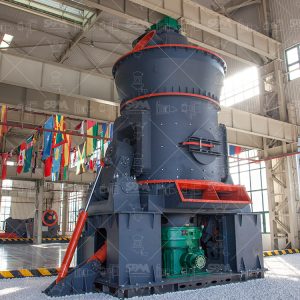
Introduction to Bauxite Processing in Refractory Fiber Manufacturing High-temperature silicate refractory fibers, commonly known as ceramic fibers, are indispensable materials in industries requiring thermal insulation above 1000°C. These fibers are produced by melting a blend of raw materials, predominantly bauxite (calcined alumina-silica), at temperatures exceeding 2000°C, followed by fiberization. The quality and efficiency of the […]