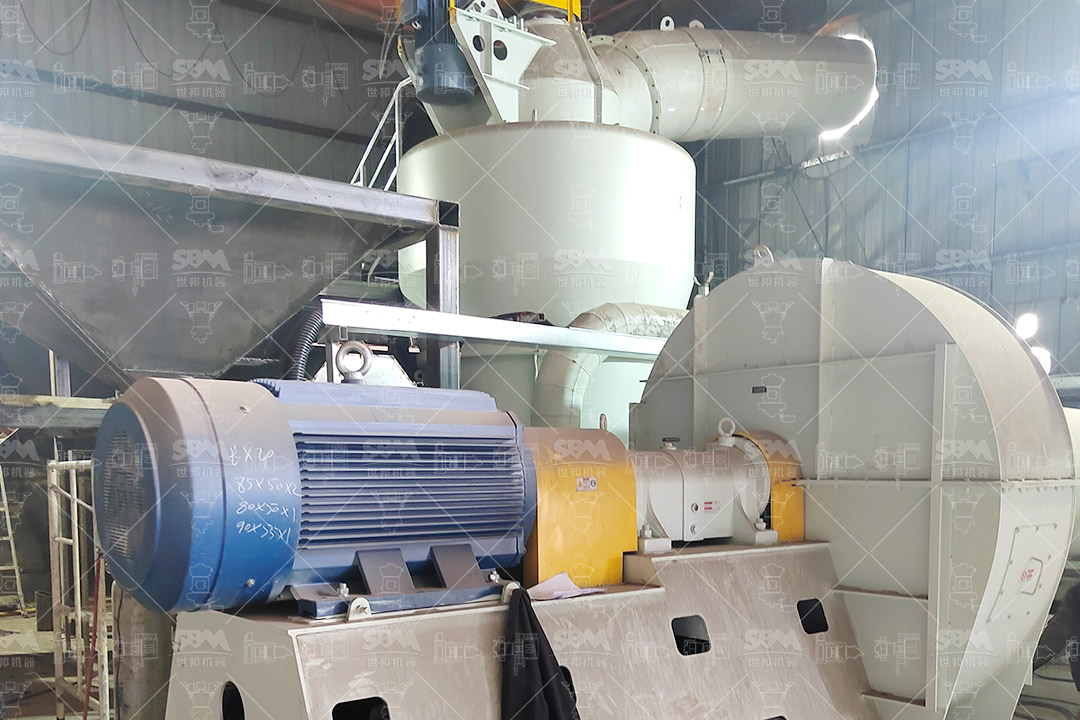
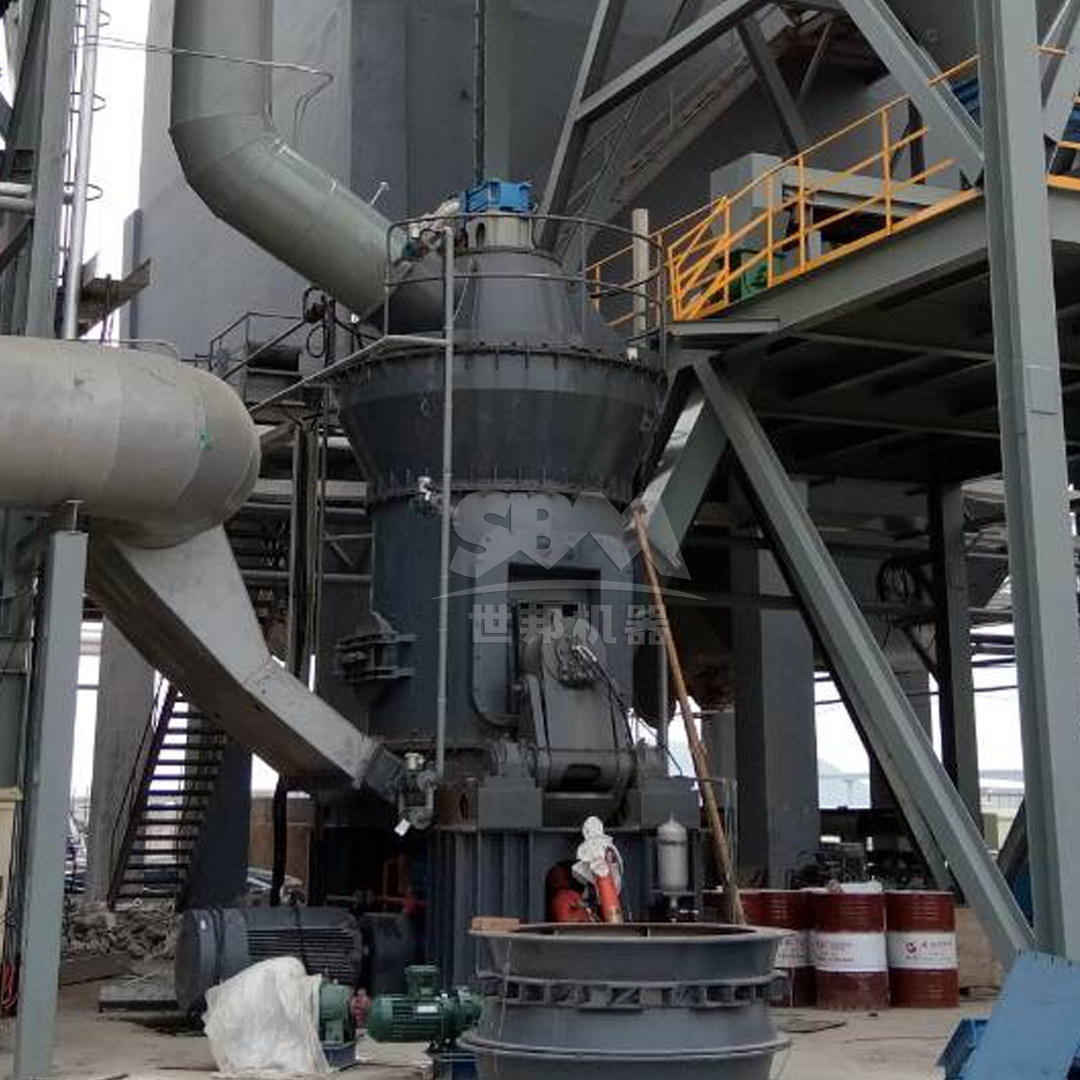
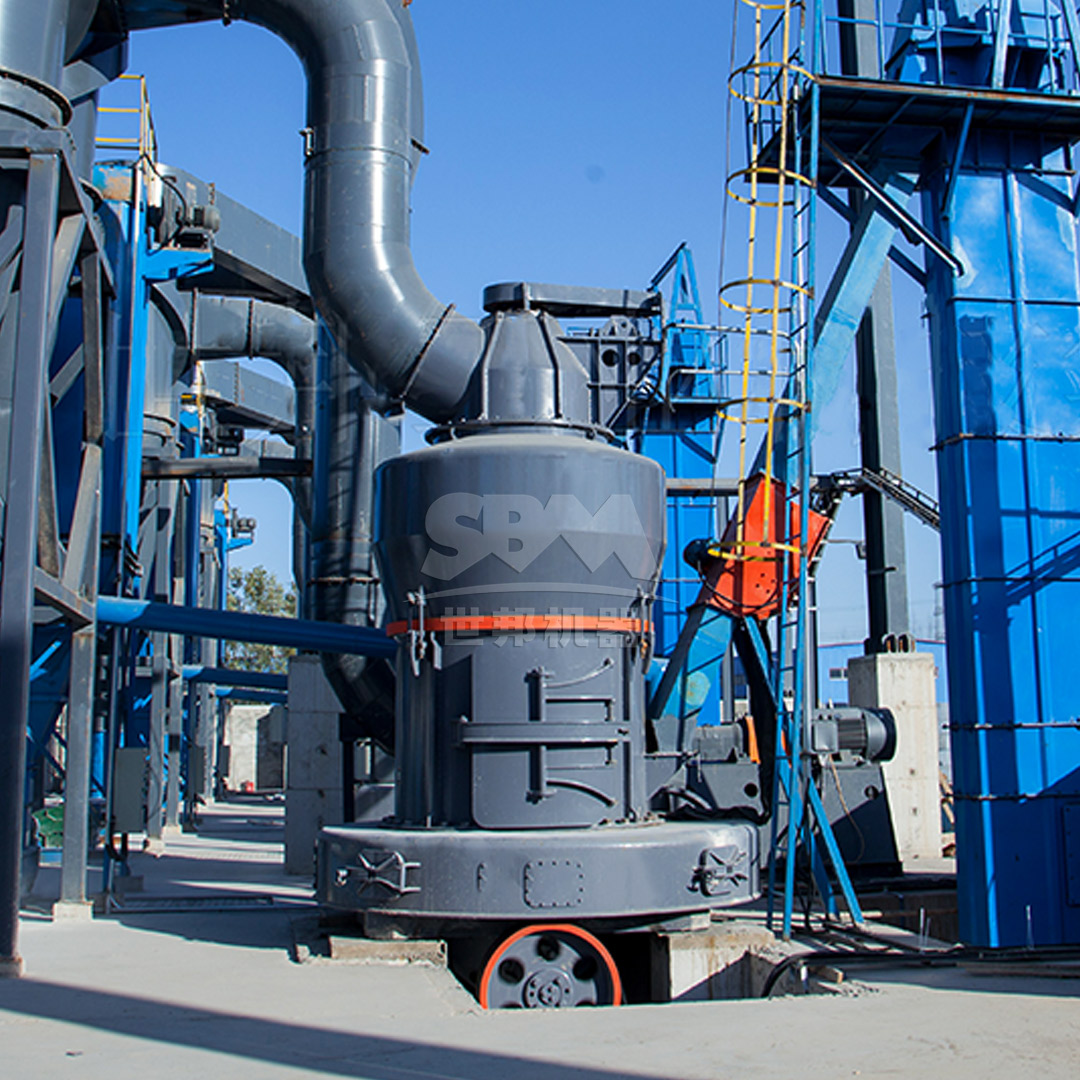
In the specialized field of oil extraction from bauxite, the efficiency of the entire process chain is fundamentally dependent on the quality of the feed material. While the focus often falls on chemical extraction methods, the physical preparation of bauxite ore through grinding is equally critical. The particle size, surface area, and morphological characteristics of ground bauxite directly influence the penetration of solvents, the kinetics of the leaching reaction, and ultimately, the yield of recoverable oil. Inefficient grinding leads to coarse particles with low surface area, trapping oil within the bauxite matrix and reducing overall recovery rates. Conversely, over-grinding can lead to the generation of excessive fines, which complicates downstream filtration and solvent recovery, increasing operational costs. This is where advanced grinding mill technology from leading manufacturers plays a pivotal role, offering a balance between maximizing surface area and maintaining manageable particle size distribution to enhance oil recovery efficiency.
Traditional ball mills and simple crushers often fall short in delivering the precise particle size distribution required for optimal solvent extraction. They are energy-intensive, produce wide particle size ranges, and lack the flexibility to adapt to varying bauxite hardness and moisture content. Modern milling solutions, such as those developed by our company, incorporate principles of bed grinding, high-precision classification, and energy-efficient drives to overcome these limitations. By utilizing advanced grinding mills, operators can achieve a uniform, highly reactive powder that ensures thorough solvent contact, reduces extraction time, and significantly boosts the amount of oil recovered from the ore.
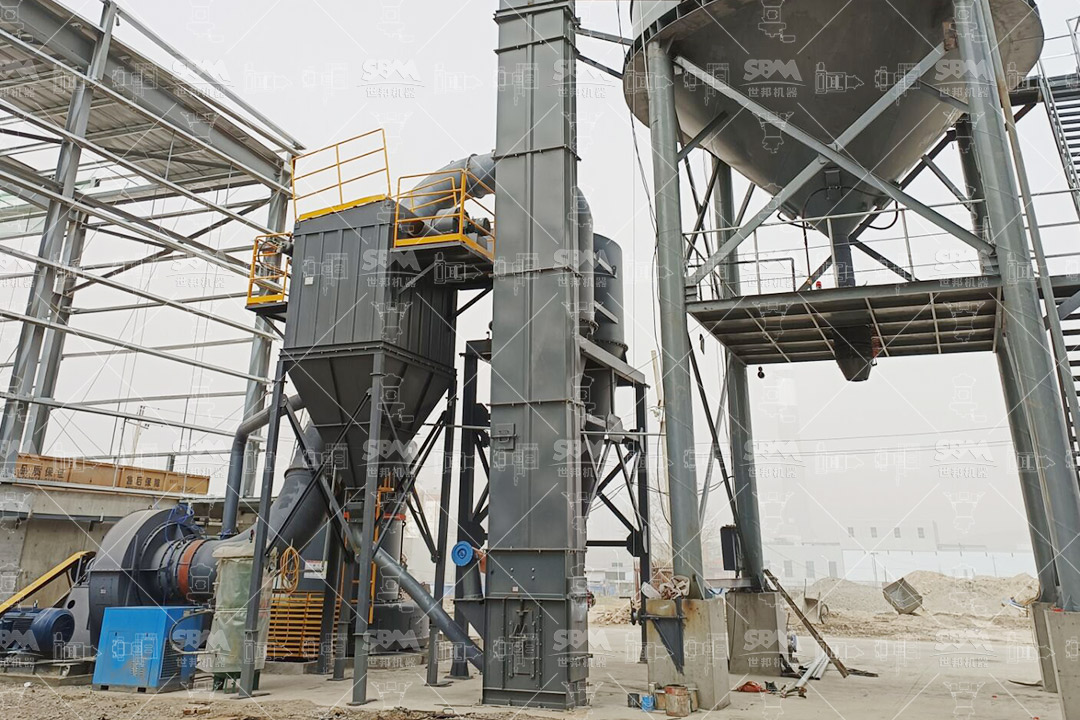
The core objective in bauxite preparation for oil extraction is to achieve a particle size that maximizes the exposed surface area without creating problematic slimes. The leaching process, whether using organic solvents or supercritical fluids, relies on the diffusion of the solvent into the ore matrix and the diffusion of the dissolved oil out. This diffusion path length is directly proportional to the particle size. When bauxite is ground to a fineness of 325-2500 mesh (approximately 45-5 micrometers), the specific surface area increases exponentially. This dramatic increase allows for rapid solvent penetration and faster attainment of equilibrium, thereby reducing the residence time required in the extraction vessels.
Furthermore, a narrow particle size distribution is crucial for uniform extraction. If the feed contains a mixture of very coarse and very fine particles, the coarse particles will be under-extracted while the fine particles may become suspended in the solvent, creating separation challenges. High-precision classification systems, integral to our SCM and LUM series mills, ensure that the final product meets strict specifications. For instance, the vertical turbine classifier in the SCM Ultrafine Mill ensures a precise particle size cut, eliminating coarse powder mixing. This uniformity ensures that every particle entering the extraction reactor has the same characteristics, leading to predictable and consistently high yields.
Chemical reactions occur at the surface of the bauxite particles. By increasing the fineness from a standard 100 mesh (149 micrometers) to 800 mesh (15 micrometers), the specific surface area can increase by nearly tenfold. This means that for every gram of bauxite processed, there is significantly more area available for the solvent to interact with the oil-bearing components. Our SCM Series Ultrafine Mill (45-5μm) is specifically engineered for this task. With an input size of up to 20mm, this mill can produce an output fineness ranging from 325 to 2500 mesh, offering operators the flexibility to fine-tune the grind to their specific extraction process. The mill’s capacity, ranging from 0.5 to 25 ton/h depending on the model, ensures that production targets are met without compromising on fineness. This high-efficiency design delivers twice the capacity of jet mills while consuming 30% less energy, making it both an environmentally and economically superior choice for maximizing recovery efficiency.
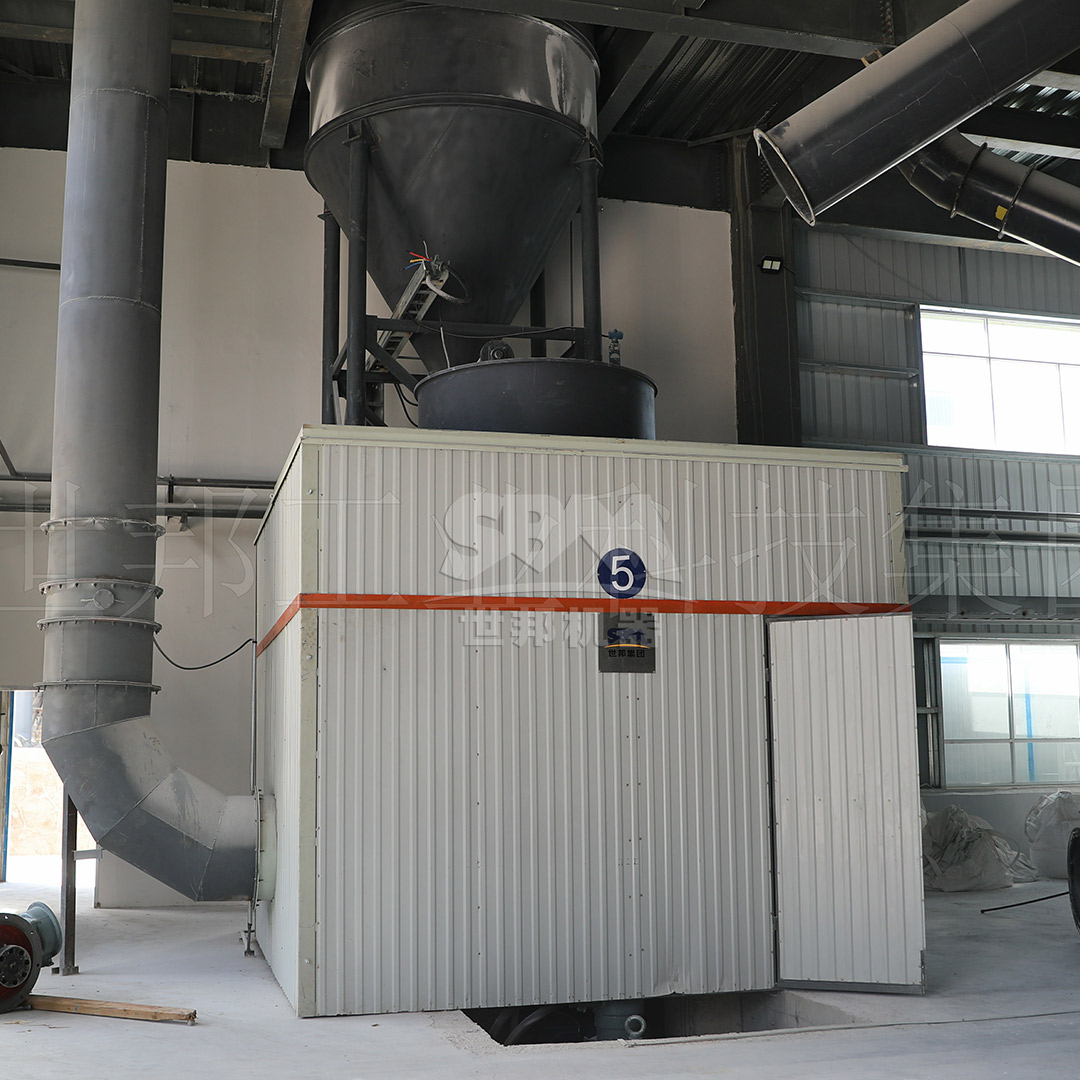
Bauxite grinding is an energy-intensive operation, often accounting for a significant portion of the total processing cost. Traditional tumbling mills are notoriously inefficient, with a large percentage of the energy input lost as heat and noise. Advanced grinding mills utilize a bed grinding principle, where the material is crushed between grinding rollers and a rotating table or ring. This method is inherently more efficient because it applies direct compressive force on the material layer, rather than relying on the random impact of grinding media. Our LM Series Vertical Roller Mill exemplifies this technology, with energy consumption that is 30-40% lower than traditional ball mill systems. This reduction in energy consumption directly translates to lower operational costs and a reduced carbon footprint for the extraction facility.
The integrated design of these mills further enhances cost-effectiveness. The LM series integrates crushing, grinding, and classification into a single unit, reducing floor space by up to 50% and infrastructure costs by 40%. This is particularly beneficial for remote bauxite mining operations where construction costs are high. Moreover, the non-contact design between the rollers and table in the LM series extends the service life of wear parts by up to three times compared to conventional mills. This durability minimizes downtime for maintenance, ensuring that the grinding circuit remains operational and continues to feed the extraction process without interruption. For operations requiring even higher throughput for pre-grinding or final reduction, the robust design and high capacity of these mills ensure that the bottleneck is never on the feed preparation side.
| Mill Model | Primary Application | Output Fineness | Capacity | Key Advantage |
|---|---|---|---|---|
| SCM1000 | Ultrafine grinding for maximum surface area | 325-2500 mesh | 1.0-8.5 t/h | 2x capacity of jet mill, 30% less energy |
| MTW175G | General-purpose grinding for consistent yield | 30-325 mesh | 9.5-25 t/h | Integral bevel gear drive, 98% efficiency |
| LM150K | High-throughput vertical grinding | 170-40 μm | 13-38 t/h | 30-40% lower energy consumption |
When selecting equipment, it is essential to consider the specific requirements of the oil extraction process. If the goal is to achieve the highest possible recovery rate through ultra-fine grinding down to the micrometer scale, the SCM Series Ultrafine Mill is the ideal choice. Its high-precision vertical turbine classifier ensures a product free from oversized particles, maximizing reactant contact. On the other hand, if the processing line requires a high-capacity, multi-purpose mill that can handle a variety of feed sizes up to 50mm and deliver a fineness suitable for standard extraction processes, the MTW Series European Trapezium Mill offers unmatched versatility. Its anti-wear shovel design and optimized arc air duct reduce maintenance costs by up to 30% while maintaining a capacity of up to 45 t/h in the larger models like the MTW215G.
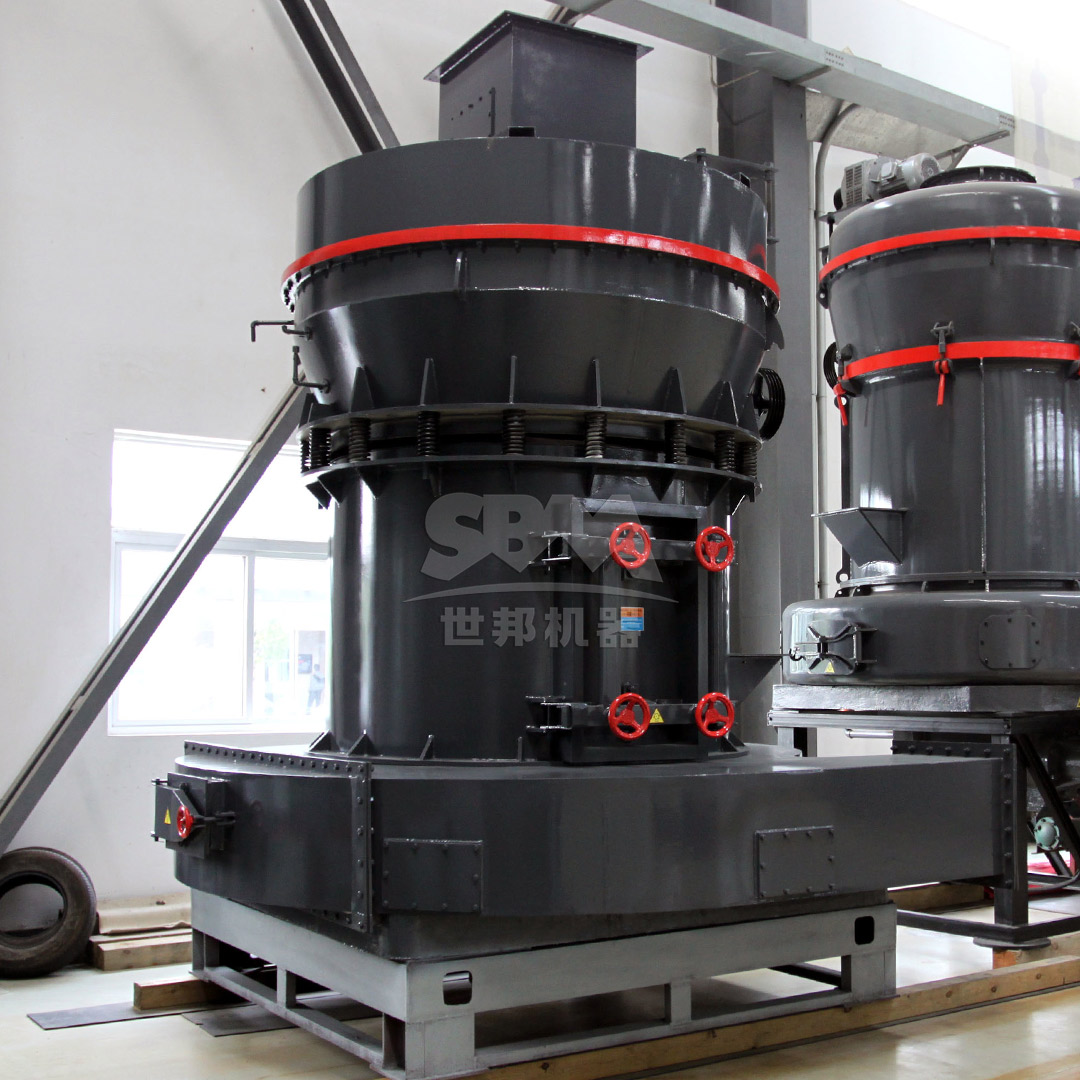
Consistency in particle size distribution is not just a quality metric; it is a critical operational parameter for oil extraction. Variations in feed fineness can lead to inconsistent extraction yields, filter clogging, and difficulties in solvent recovery. Advanced mills address this through sophisticated classification systems and intelligent control mechanisms. The MTW series utilizes an independent classifier motor, with power ratings scaling from 7.5kW on the MTW110 to 55kW on the MTW215G, allowing for precise adjustment of the final product size. This multi-stage adjustment capability ensures that the mill can be quickly adapted to changes in ore hardness or extraction process requirements.
Automation plays a crucial role in maintaining this consistency. Our top-tier mills are equipped with expert-level auto-control systems, such as those found in the LM series. These systems allow for real-time monitoring of parameters like grinding pressure, table speed, and airflow. They can automatically compensate for wear in the grinding rollers and adjust parameters to ensure the fineness remains stable. This ‘set-and-forget’ capability reduces manual intervention and the risk of human error, ensuring a uniform feed quality that leads to predictable oil recoveries. The intelligent control of the SCM mill, with its automatic finished product granularity feedback, ensures that operators are always informed of the system’s status, maintaining a closed-loop process that optimizes efficiency at all times.
Modern bauxite processing must also adhere to stringent environmental regulations. The advanced grinding mills integrate high-efficiency pulse dust collectors and operate under negative pressure to ensure minimal dust emission. This not only complies with regulatory standards but also creates a safer working environment. The soundproof room designs and damping technologies incorporated into mills like the MTM series significantly reduce noise pollution, addressing another key environmental concern. By choosing advanced, eco-friendly milling equipment, extraction operators can improve their sustainability profile while simultaneously boosting recovery efficiency, proving that environmental stewardship and industrial profitability are not mutually exclusive.
In conclusion, maximizing recovery efficiency in bauxite oil extraction begins with optimizing the grinding process. Advanced grinding mills that offer precise fineness control, high energy efficiency, and consistent product quality are indispensable tools. They enable processors to enhance solvent contact, speed up leaching kinetics, and reduce downstream costs. By integrating equipment like the SCM Ultrafine Mill or the MTW Trapezium Mill into their operations, companies can unlock a significant competitive advantage, ensuring that the maximum amount of valuable oil is recovered from every ton of bauxite processed.