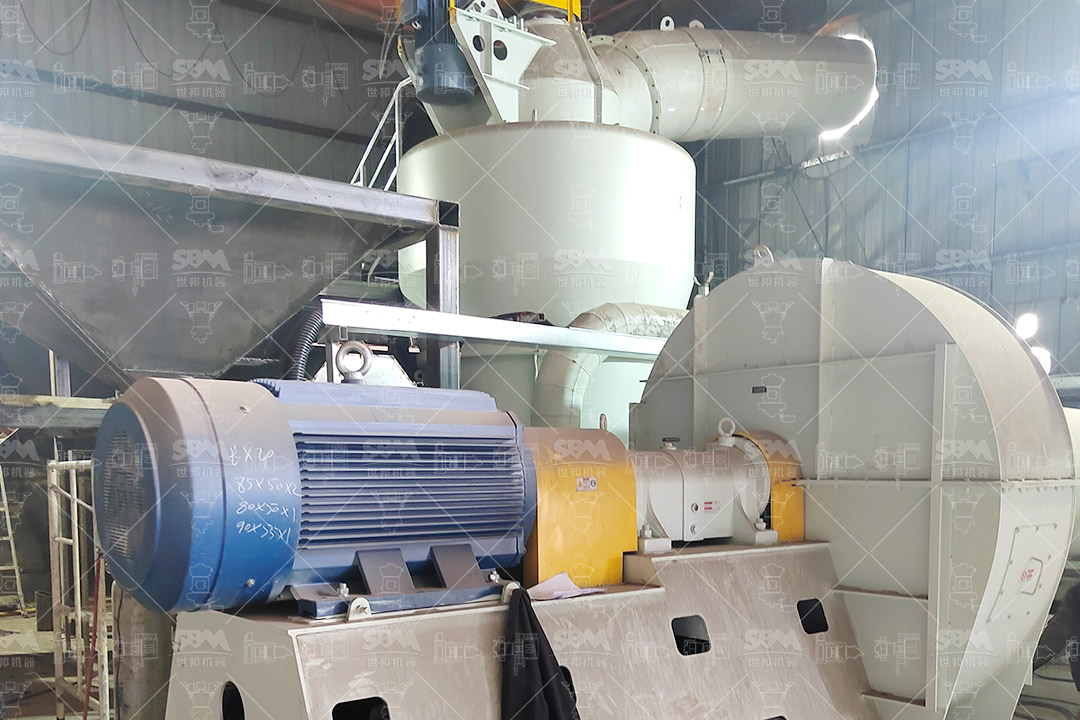
In the evolving landscape of building materials, the utilization of industrial by-products such as coal gangue has transitioned from a mere waste management strategy to a cornerstone of sustainable manufacturing. Coal gangue, a dark gray rock associated with coal seams, is often perceived as an environmental liability. However, its inherent calorific value and mineral composition—rich in silica, alumina, and carbon—make it an ideal raw material for producing cement additives and supplementary cementitious materials (SCMs). When processed correctly, coal gangue can be transformed into a high-performance additive that not only enhances the mechanical properties of cement but also significantly reduces clinker factor, thereby cutting CO2 emissions and production costs.
To unlock this potential, the industry demands a robust, energy-efficient, and precise processing solution. Traditional ball mills often struggle with the high abrasiveness of gangue, leading to excessive wear and high energy bills. The answer lies in advanced grinding technologies that offer superior drying capabilities, precise particle size distribution (PSD), and automated control. This article provides a comprehensive overview of the complete grinding mill solutions available for transforming raw coal gangue into premium cement admixtures. We delve into the machinery that powers this transformation, focusing on throughput, fineness, and operational economy.
Before selecting the appropriate equipment, it is critical to understand the physical and chemical hurdles presented by coal gangue. Firstly, its moisture content is often high—ranging from 8% to 15%—necessitating efficient in-situ drying within the mill. Secondly, the material is highly abrasive. The high quartz content causes rapid wear on grinding media and liners, demanding specialized wear-resistant alloys. Thirdly, the target fineness for cement additives is typically around 0.08mm residual on sieve (or 45 microns), requiring high-precision classification to ensure consistent quality without over-grinding, which wastes energy.
Finally, the capacity requirements for cement plants are substantial. A processing line must handle anywhere from 10 to 100 tons per hour to be economically viable. Therefore, the processing equipment must not only be robust but also scalable, offering variable frequency drives and intelligent control systems to adapt to different material hardness and moisture levels.
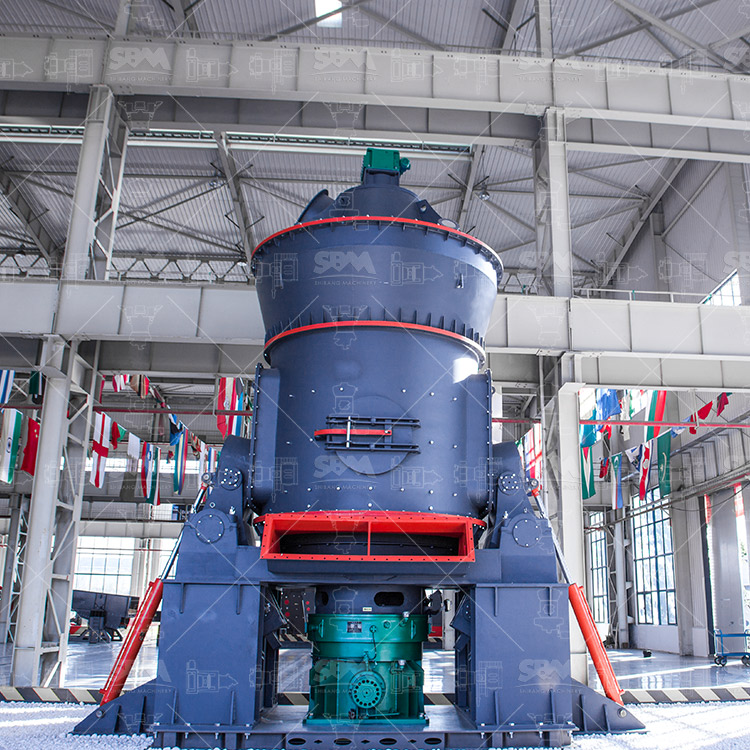
For large-scale processing where feed size is up to 50mm and the desired fineness ranges from 30 to 325 mesh (600-45μm), the Vertical Roller Mill (VRM) represents the gold standard. Unlike ball mills that rely on impact and attrition in a tumbling drum, the VRM utilizes a bed grinding principle. Material is fed onto a rotating table and crushed under the hydraulic pressure of stationary rollers. This mechanism inherently reduces energy consumption by 30-40% compared to ball mill systems.
The LM Series Vertical Roller Mill is specifically engineered to handle abrasive materials like coal gangue. Its integrated design combines drying, grinding, and classification in a single unit, reducing the footprint by 50% and infrastructure costs by 40%. The non-contact design between the rollers and the table minimizes wear, extending the service life of wear parts by 3 times. For cement additive producers, the LM Vertical Mill offers an intelligent control system that supports remote monitoring and real-time parameter adjustment, ensuring that the fineness (170-40μm) remains stable regardless of feed quality fluctuations.
The main motor drives the grinding table via a heavy-duty reducer. As the table rotates, the coal gangue is thrown towards the grinding track by centrifugal force. Hydraulically loaded rollers exert pressure on the material bed, crushing it into fine powder. Hot air entering the mill dries the moisture instantly and conveys the fine powder to the dynamic classifier. Here, qualified powder passes through the rotor and exits the mill, while coarse particles fall back to the table for regrinding.
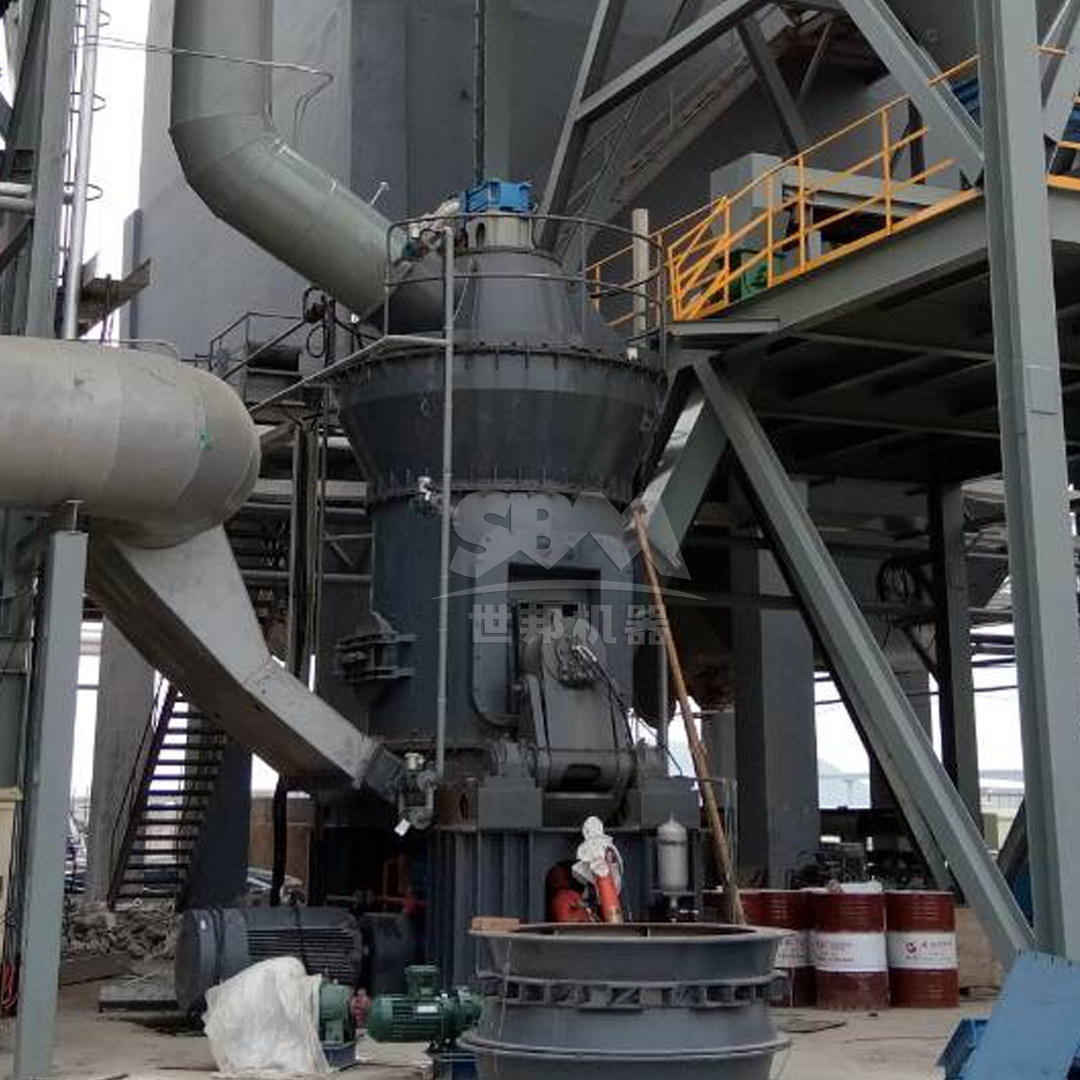
While the LM mill is perfect for standard additive fineness (80μm), the demand for high-performance cement is pushing the need for ultrafine admixtures—specifically those that enhance the packing density of concrete and accelerate early strength gain. This requires processing to 325-2500 mesh (45-5μm). For this demanding task, the SCM Series Ultrafine Mill is the definitive solution. It is a high-efficiency, energy-saving grinding machine that boasts a capacity twice that of jet mills while consuming 30% less energy.
The SCM mill employs a unique three-layer grinding ring design. The main motor drives the rings to rotate, and materials are dispersed into the grinding path by centrifugal force. Unlike traditional Raymond mills, the SCM uses a high-precision vertical turbine classifier that ensures an exceptionally clean particle size cut with no coarse powder mixing. This is critical for ultrafine cement additives, where even a fraction of oversized particles can compromise the performance of the final concrete.
When considering the SCM Ultrafine Mill for coal gangue activation, the model SCM1000 or SCM1250 is often recommended due to their ability to balance throughput (1.0-14 t/h) with high fineness. The intelligent control system features automatic finished product granularity feedback, allowing the classifier speed to adjust continuously to maintain the target d97 value. Furthermore, the pulse dust collection system ensures that the operation is completely dust-free, meeting stringent environmental regulations while recovering all valuable product. The use of special material rollers and rings extends the service life several times over, combating the highly abrasive nature of gangue.
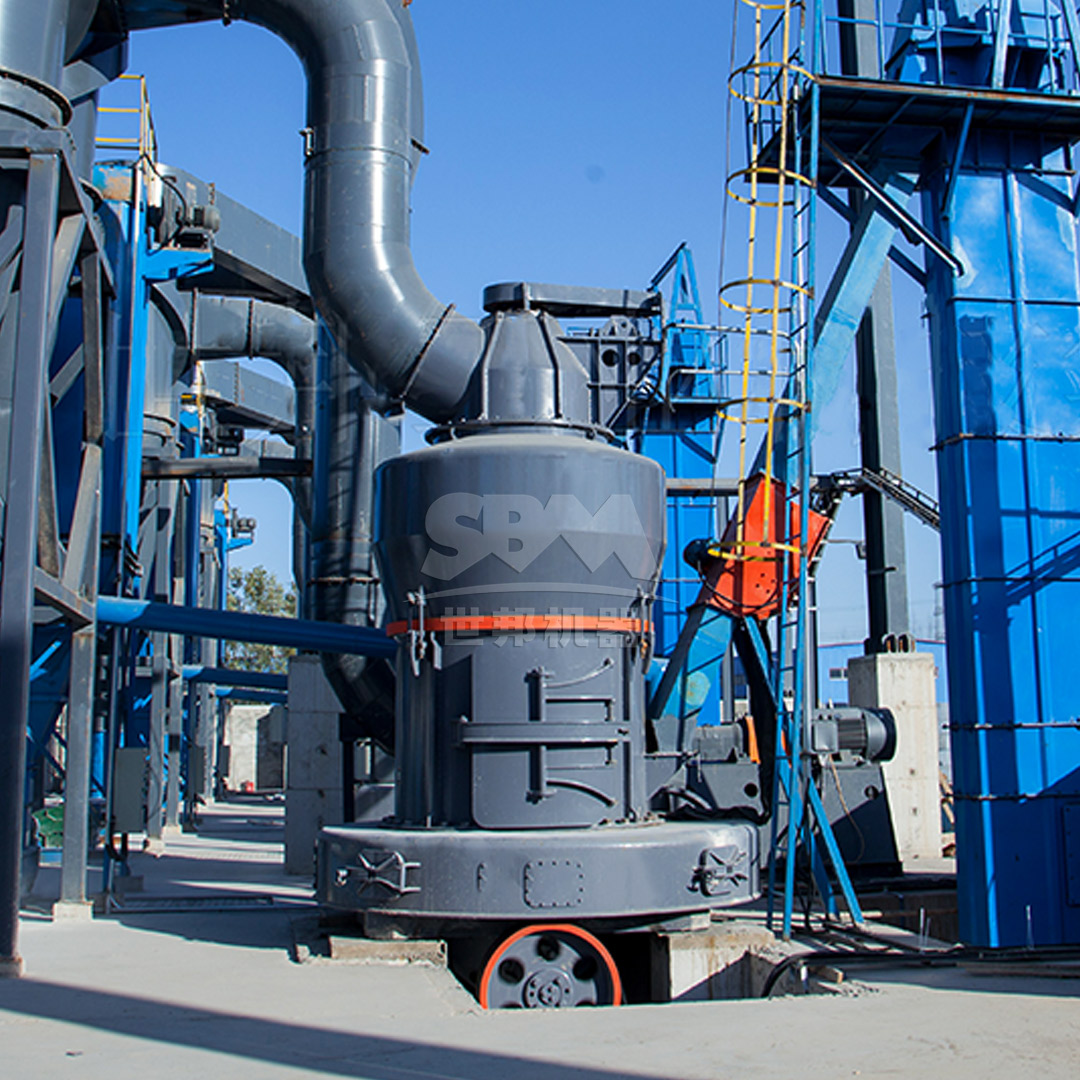
For standard coal gangue powder used as a filler or in lower-grade blends, the MTW Series European Trapezium Mill offers a compelling mix of low maintenance and high capacity (3-45 t/h). With an input size up to 50mm and output fineness ranging from 600 to 45μm, the MTW mill bridges the gap between a simple crusher and a complex vertical mill. Its integral bevel gear drive achieves transmission efficiency of up to 98%, significantly saving space and reducing installation costs.
The anti-wear shovel design in the MTW series is a specific benefit when grinding gangue. The combined shovel blades are designed to be easily replaced, reducing maintenance downtime. Additionally, the optimized arc air duct reduces airflow energy loss, ensuring that the pneumatic conveying of material does not become a bottleneck. This mill is ideal for producers who require a flexible system that can also handle other materials like limestone or gypsum in their additive production line.
In many modern cement plants, the process doesn’t stop at additive powder. There is a growing trend to use coal gangue as a manufactured sand substitute in concrete. The LM-Y Vertical Pre-grinding Roller Mill is a breakthrough in this area. It integrates sand making and grinding into one unit, specifically aimed at processing cement clinker and hard materials like limestone. When applied to coal gangue, it produces a high-quality cubic-shaped sand with an excellent grading curve, which is highly sought after in concrete production.
This pre-grinding roller mill operates on the bed grinding principle, which is crucial for energy conservation—it uses 30-50% less power compared to traditional sand making machines. The hydraulic system allows for quick roller changes and easy adjustment of the pressure, adapting to different gangue hardness levels. For a large-scale operation, the LM340Y model, with a table diameter of 3400mm and a main power of 2500kW, can handle a circulation capacity of up to 1000 t/h, making it the undisputed workhorse for high-throughput processing.
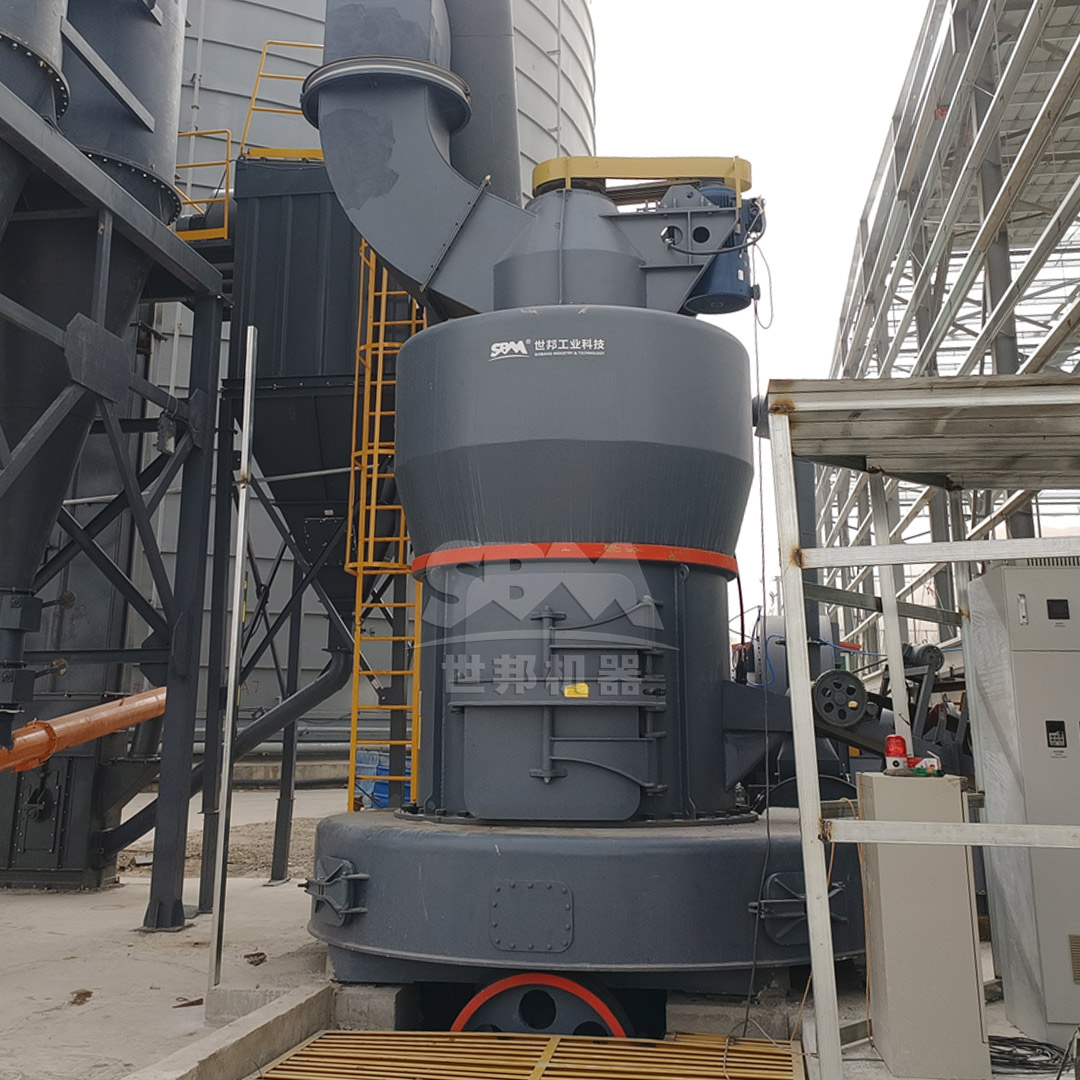
Selecting the right grinding equipment is a critical strategic decision for any cement manufacturer. Our comprehensive range, from ball mills to ultrafine vertical roller mills, ensures that we have the technology to match your specific raw material profile and final product requirements. We do not simply supply machines; we offer complete engineering solutions including process design, installation supervision, and commissioning.
Here is why our equipment stands out in the competitive field of coal gangue processing:
| Feature | Benefit | Comparative Advantage |
|---|---|---|
| Bed Grinding Technology | 30-50% lower energy consumption | Versus Ball Mill Systems |
| Dynamic Classifier | Precise Particle Size Control (d97) | Ensures uniform cement quality |
| Pulse Dust Collection | Zero emissions, easy environmental compliance | Exceeds international standards |
| High Wear Resistance | 3x longer service life for grinding parts | Reduced operational downtime |
| Intelligent Control | Automatic feedback and remote monitoring | Reduces manpower and error |
We specifically recommend the SCM1250 Ultrafine Mill for producers aiming to produce high-value, ultra-fine coal gangue powder for use in high-performance concrete. This model can deliver a throughput of 2.5-14 t/h at a fineness of 325-2500 mesh, powered by a 185kW motor. Its ability to handle input sizes up to 20mm saves on upstream crushing costs. The precise classification system ensures that the final product has a high specific surface area, significantly enhancing the reactivity of the gangue in the cement hydration process, making it an active cement admixture rather than a simple filler.
For plants that require vast quantities of 200-mesh gangue powder to blend with clinker, the MTW175G is an optimal choice. With a capacity of 9.5-25 t/h and low maintenance requirements, it provides the reliability needed for 24/7 continuous operation. Its anti-wear and tear design ensures that the machine remains operational for years, providing a rapid return on investment through lower wear part consumption and lower auxiliary power requirements.
In conclusion, the journey of coal gangue from a waste by-product to a valuable component of modern cement requires a partnership with a technology leader. Our grinding mills—from the massive LM series to the precise SCM series—are engineered to provide this transformation with unmatched efficiency, durability, and precision. We invite you to contact our engineering team to discuss how we can optimize your coal gangue processing line today.