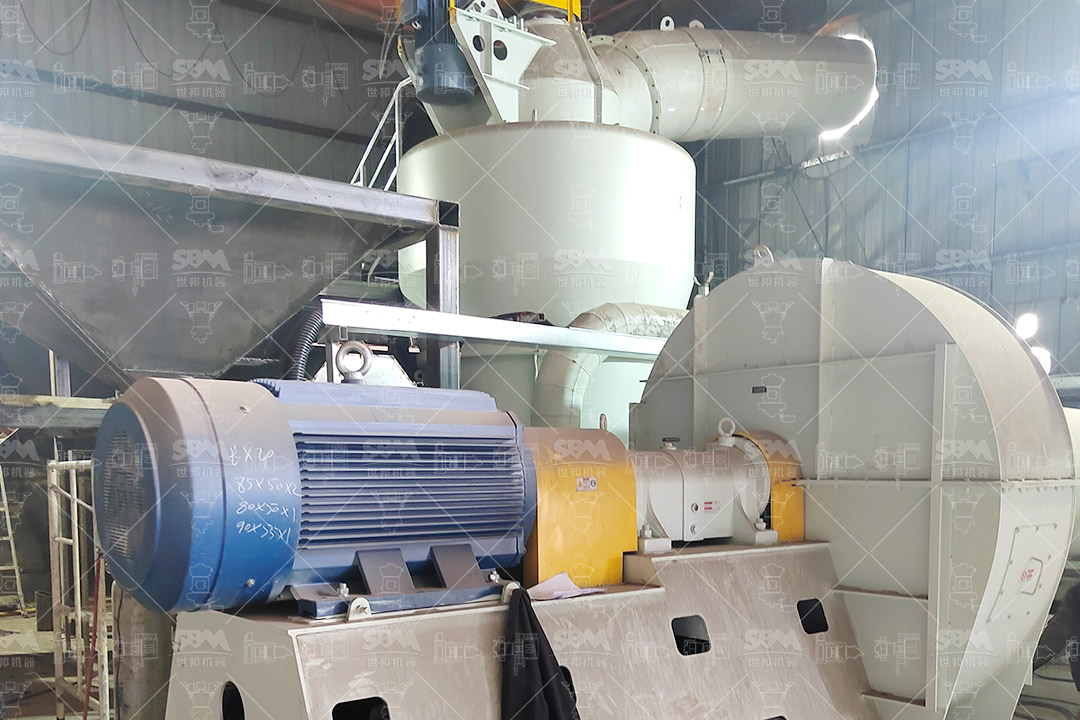
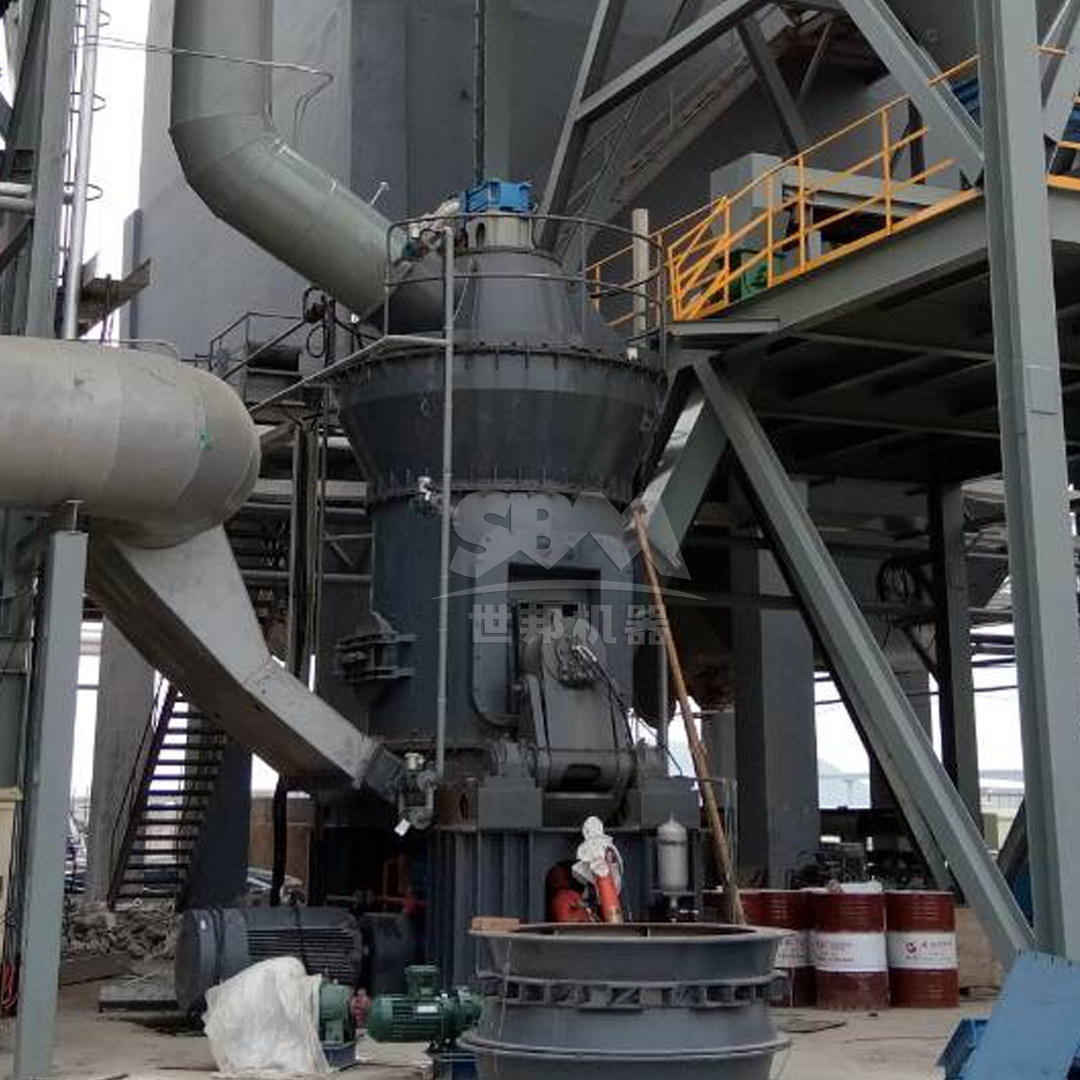
In the evolving landscape of green building materials, the utilization of industrial solid waste has transitioned from an environmental burden to a significant economic opportunity. Among these waste streams, coal gangue—a byproduct of coal mining and washing—stands out as a primary raw material for producing high-quality non-fired bricks (also known as fly ash bricks or hydraulic pressed bricks). However, the success of a non-fired brick production line hinges critically on the quality and fineness of the additives used to activate the pozzolanic properties of the gangue. Raw coal gangue, with its high hardness and large particle size, is not directly usable. It requires specialized grinding and classification equipment to transform it into a fine powder that can react with lime and cement to form a robust, load-bearing brick. This article provides a comprehensive selection guide for coal gangue additive processing equipment, focusing on efficiency, lifecycle costs, and practical solutions that help you maximize profitability.
Selecting the right milling equipment is not merely about crushing rocks into dust; it is about achieving a precise particle size distribution (PSD) that ensures the chemical reactivity of the final brick. If the additive powder is too coarse, the brick will have poor structural integrity. If it is too fine, energy costs skyrocket, eroding your margin. Therefore, understanding your specific requirements—from input size to desired output fineness and capacity—is the first step in building a successful processing line. We will analyze the four most common types of mills used for this application: Ultrafine Mills (for high-value admixtures), European Trapezium Mills, Vertical Roller Mills, and Ball Mills. By the end of this guide, you will have a clear roadmap for capital investment and operational savings.
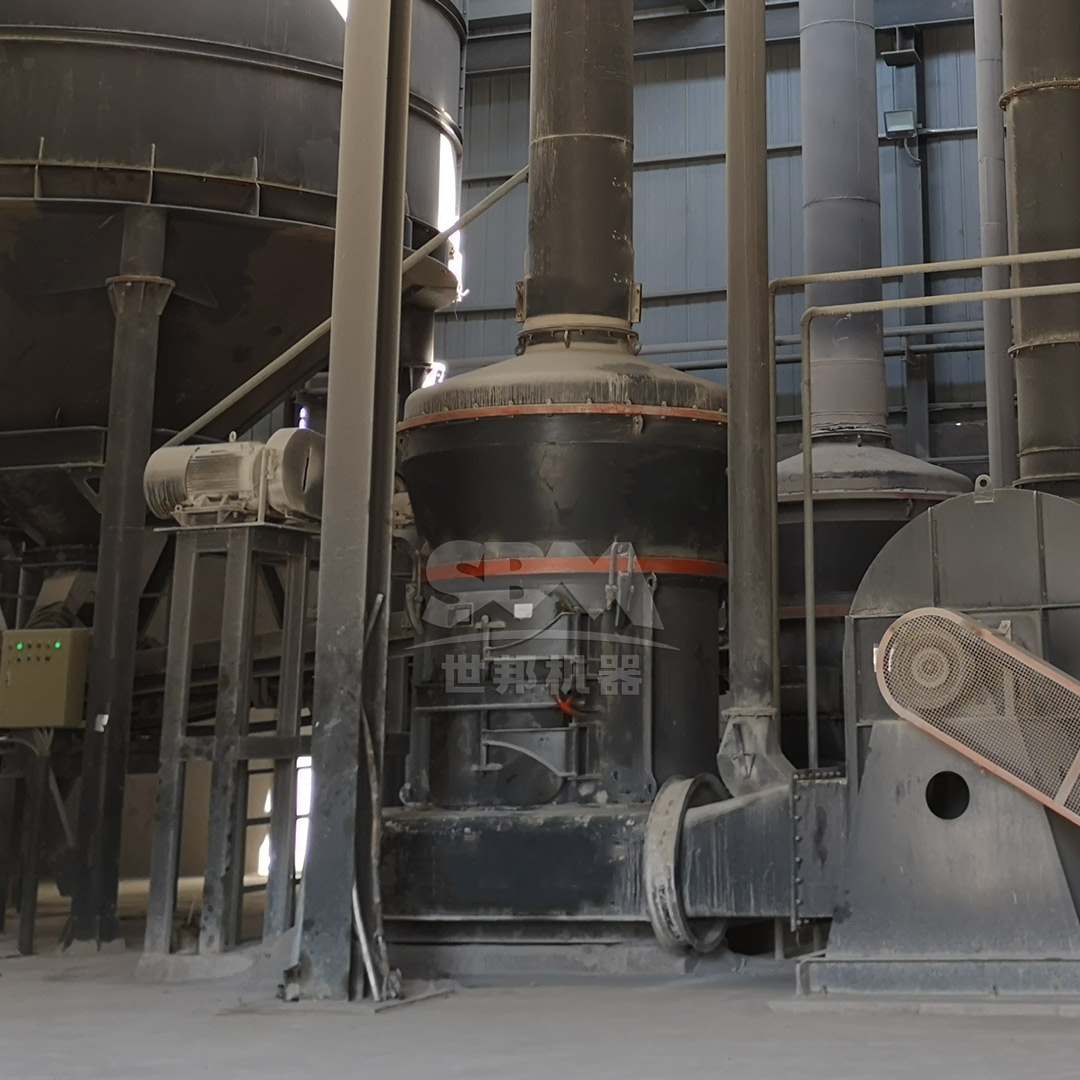
Non-fired bricks rely on the hydration of silicates and aluminates. Coal gangue, after calcination (if required) or direct activation, must be ground to a specific Blaine fineness or sieve residue to provide the necessary surface area for chemical reactions. Typically, a fineness of 325 mesh (45 µm) is the industrial standard for additives to reduce the porosity of the brick and increase its compressive strength. Here, the choice of mill determines the consistency of this output. Modern vertical roller mills and trapezium mills allow for dynamic adjustment of the classifier speed to precisely ‘cut’ the powder at the desired particle size, ensuring that no coarse particles mix with the finished product. This precision directly correlates to a higher density, non-efflorescent brick that meets national building standards.
For businesses producing non-fired bricks on a massive scale (over 100 tons per day), the Ball Mill remains a workhorse. Our company offers a range of Ball Mills with capacities from 0.65 to 450 t/h, capable of grinding to a fineness of 0.074-0.8mm. The innovation in our GMQY/GMQG series lies in the modular design and high-chrome steel media, which reduces wear rates significantly. However, while the initial CapEx for a ball mill is lower, the energy consumption and grinding media wear are higher than newer technologies. In contrast, a Hammer Mill is only suitable for the primary crushing stage (0-3mm), acting as a pre-processing step before the finer grinding stages. It is not suitable as a final additive fineness solution.
| Equipment Type | Typical Output Fineness | Energy Consumption Indicator | Best Use Case |
|---|---|---|---|
| Hammer Mill | 0-3 mm | Low | Pre-crushing of run-of-mine gangue |
| Ball Mill | 45-800 µm | High | Massive capacity lines (150 t/h+) |
| MTW/Trapezium | 38-600 µm | Medium | Standard additive production (3-45 t/h) |
| SCM/LUM Ultrafine | 5-45 µm | Medium-High | High-value activated admixtures |
If your requirement falls between 3 and 45 tons per hour, the MTW Series European Trapezium Mill is arguably the most cost-effective solution. It specifically addresses historical issues in coal gangue grinding: excessive shovel wear and high energy loss in the air duct. Our patented Integral Bevel Gear Drive achieves a transmission efficiency of up to 98%, directly reducing electricity costs per ton of powder. For the brick manufacturer, this means a tangible 30% reduction in maintenance costs compared to traditional Raymond mills due to the anti-wear shovel design and wear-resistant volute structure. This mill serves as the backbone for many successful non-fired brick plants, providing standard 200-325 mesh powders steadily with minimal downtime.
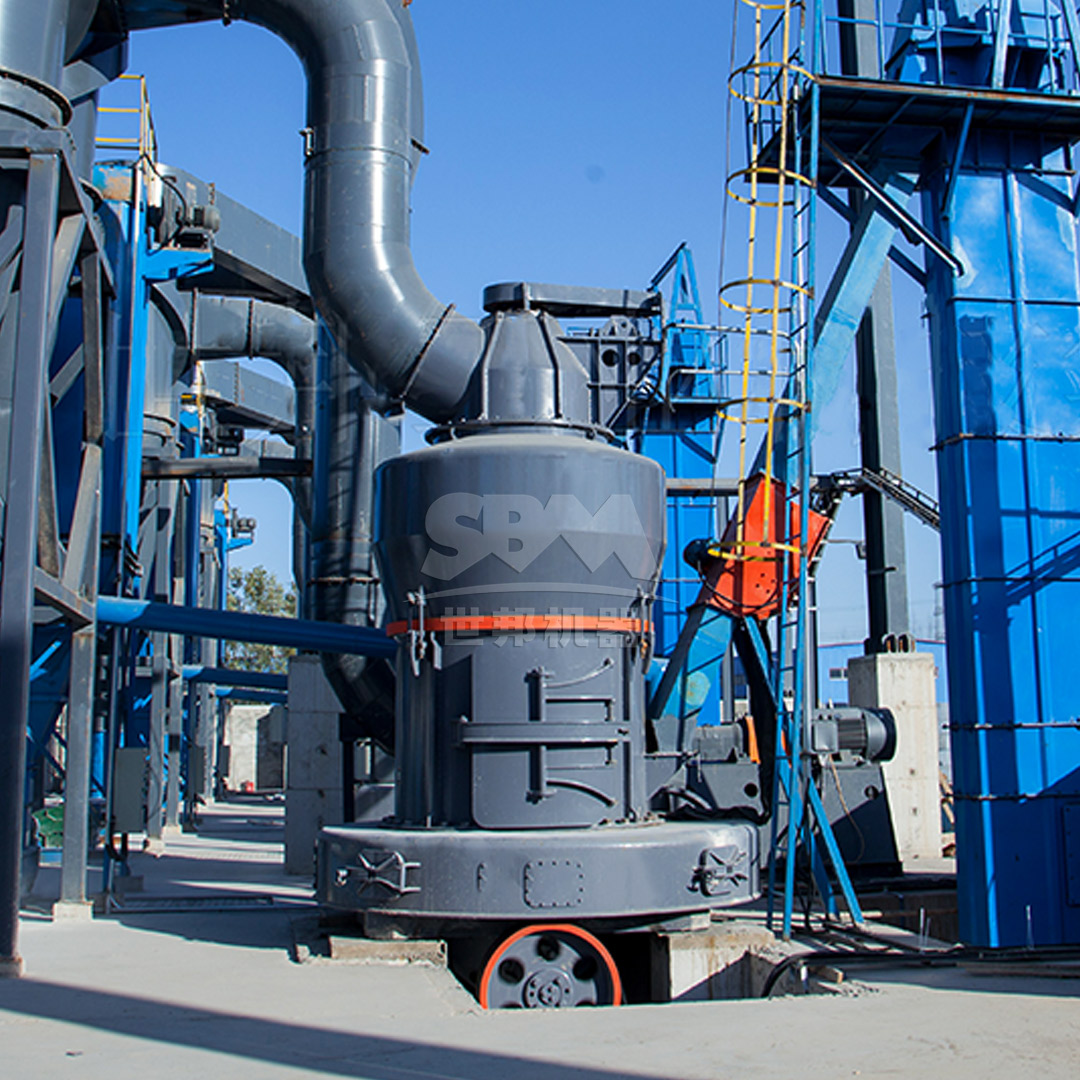
Product Recommendation 1: For a balanced approach to capacity and fineness, we highly recommend the MTW175G. It offers a capacity of 9.5-25 t/h with a feed size of <40mm. The main power of 160kW ensures that you are not overspending on energy for smaller capacities. Its ability to produce a fineness of 10-325 mesh means it can easily switch from producing base coarse aggregates to fine additives, offering operational flexibility. The 98% efficient gear drive minimizes idle power consumption, making it the ‘green’ choice for the cost-conscious producer.
In the premium non-fired brick market, adding a certain percentage of ultrafine activated coal gangue (below 20 µm) can dramatically enhance the strength and impermeability of the brick, allowing for thinner, lighter products. For this specialized application, you need dedicated SCM Series Ultrafine Mill. Unlike traditional mills that rely on compression only, the SCM uses a layer-by-layer grinding principle with three-layer grinding rings. This method is 2x more efficient than air-jet mills with 30% lower energy consumption. The vertical turbine classifier ensures that the finished product has a uniform particle size with zero coarse powder entrainment.
Product Recommendation 2: We suggest the SCM1000 for manufacturers looking to diversify into high-strength admixtures. With a capacity range of 1.0-8.5 t/h and a feed size of ≤20mm, it can handle the pre-crushed gangue easily. The key differentiator here is the intelligent control system with automatic finished product granularity feedback. This ensures that if the raw gangue hardness fluctuates, the mill adjusts its internal pressure to maintain a constant 1250-2500 mesh output. This ends the game of ‘quality roulette’ in brick manufacturing, ensuring every pallet of bricks has identical structural properties.
For mega-plants (capacity over 50 t/h) that process coal gangue alongside other minerals like slag or limestone, the LM Series Vertical Roller Mill is the definitive choice. Its integrated design crushes, grinds, and classifies in a single system, reducing the footprint by 50% and infrastructure costs by 40%. While the initial investment in a VRM is higher than a trapezium mill, the operational savings are transformative. The non-contact design between rollers and the grinding table extends wear life by 3x, and the system energy consumption is 30-40% lower than a ball mill system. The vertical layout requires no heavy crane for maintenance; the modular roller assembly can be swung out for quick replacement.
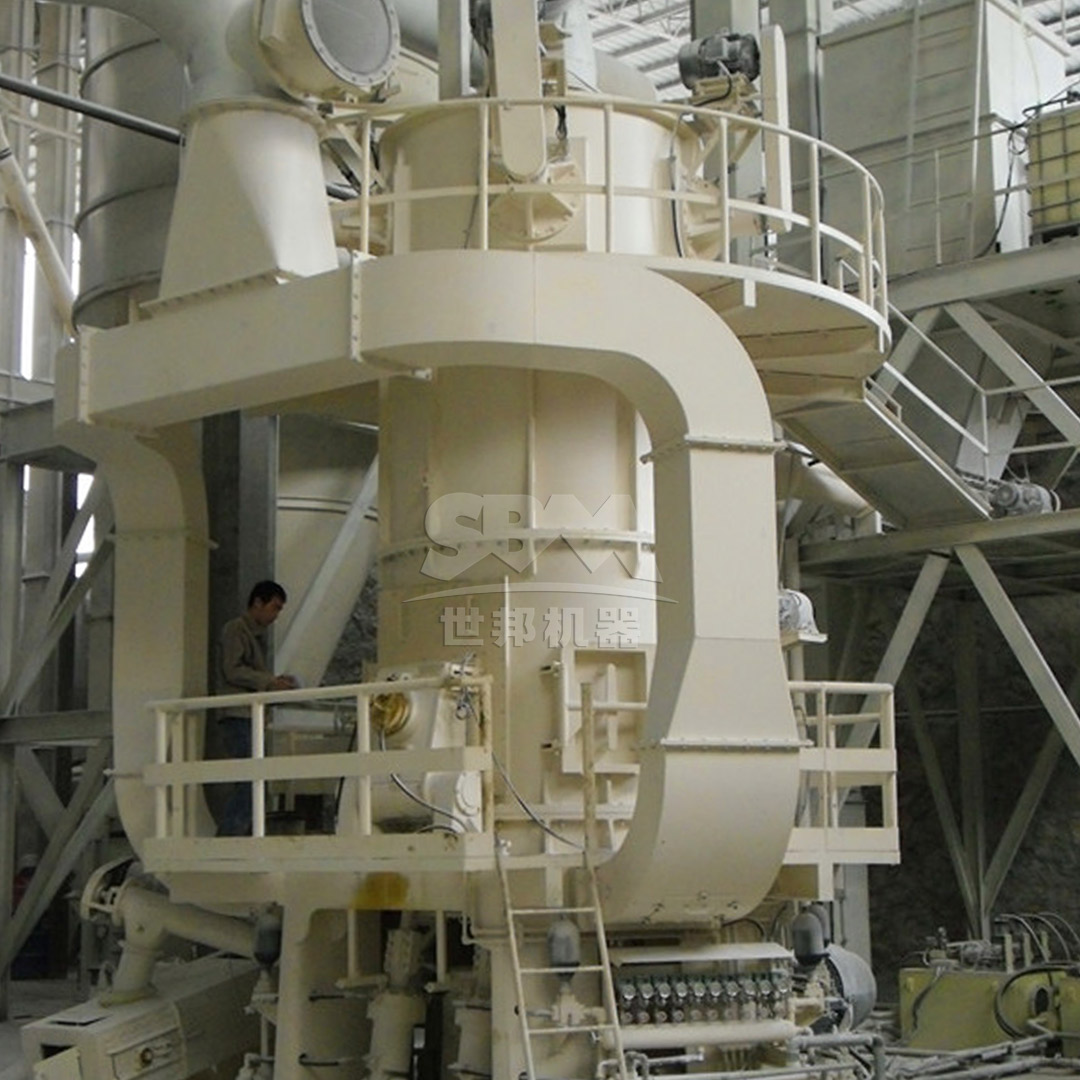
When using the LM series for coal gangue, the fully sealed negative pressure operation ensures that no dust escapes into the workshop, protecting operator health and eliminating the need for expensive dedicated dust collection rooms. This is a critical factor in terms of government environmental compliance certificates, which are often a prerequisite for production licenses in the building materials industry. The integrated hot air circulation system can also dry the raw gangue with a high moisture content in-situ, eliminating the need for a separate rotary dryer.
1. Pre-grinding to Remove Ball Mill Burden: One of the most effective cost-saving strategies is to implement a Pre-crushing Roller Press or a Hammer Mill ahead of the strict additive mill. If you are using a Ball Mill, feeding it with 0-3mm particles instead of 0-40mm gangue can increase the Ball Mill’s throughput by up to 40%. We also offer the LM-Y Pre-grinding Roller Mill, which utilizes bed grinding to create micro-cracks in the material before it enters the final milling stage, reducing the specific power consumption per ton significantly.
2. Dynamic Classification: Investing in a high-efficiency dynamic classifier is the silver bullet for cost saving. Older mills use static separators that allow ‘oversize’ particles to pass, leading to waste. Our vertical turbine classifiers (available on SCM and MTW) ensure that the fines are removed immediately from the grinding chamber, preventing ‘over-grinding’ of the fine particles. This prevents wasted energy on material that is already the correct size, reducing the power draw by 15-20%.
3. Intelligent Automation: Labor costs comprise a large portion of operational expenses. Our MTW and SCM mills come with PLC-based intelligent control systems that automatically adjust the feeder speed and classifier speed based on real-time amp draw of the main motor. This ‘set and forget’ technology allows one operator to monitor multiple mills simultaneously, reducing labor overhead by 30%. Furthermore, the automated feedback prevents vibration trips, reducing downtime and extending the mechanical life of the gearbox.
When evaluating projects, we advise our clients to use the ‘5-Step Rule’ to ensure they select the correct equipment without overspending. First, measure the true Mohs hardness of the raw gangue (typically 4-6). Second, define the target residue on sieve (e.g., 12% residue on 45µm for additives). Third, identify the plant’s available footprint—if space is tight, the LM vertical mill is the only option. Fourth, calculate the total feed moisture. If it exceeds 8%, you need hot air integration. Finally, never neglect the ‘system capability’—the feeder, classifier, and pulse dust collector must be synchronized. Avoid buying individual machines from different vendors; a mismatched system leads to constant bottlenecks. Our complete solutions, from the SCM Ultrafine Mill to the MTW Trapezium Mill, are finetuned as a single unit, delivering the lowest levelized cost of production.
In conclusion, the processing of coal gangue for non-fired bricks is a scientific exercise in material activation. The choice between an MTW, SCM, LM, or even a Ball Mill depends entirely on your target market and capacity. However, the underlying principle remains the same: production must be dust-free, energy-efficient, and the particle size distribution must be uniform. Our portfolio of grinding equipment is engineered to meet these stringent demands—ensuring that your non-fired bricks are not only eco-friendly but also structurally superior, giving your brand a competitive edge in the construction market. We invite you to contact our engineers for a material testing session to identify the exact ‘S-value’ (specific surface area) your bricks require.