The global cement industry is under constant pressure to produce higher performance materials while simultaneously reducing energy consumption and environmental impact. A critical quality parameter that directly influences the strength, durability, and reactivity of cement is the specific surface area (SSA), typically measured in cm²/g or m²/kg (Blaine). A higher SSA means finer particles, which lead to faster and more complete hydration reactions. This results in higher early and final compressive strength, improved workability, and the potential to increase the amount of supplementary cementitious materials (SCMs) like slag or fly ash in the final blend.
However, achieving a high SSA in cement clinker is an energy-intensive process. Traditional ball mills, while robust, suffer from low grinding efficiency and high power consumption, particularly when targeting fineness below 350 m²/kg. This article delves into the advanced processing equipment engineered for the modern cement plant, focusing on key machines that deliver enhanced fineness and grinding efficiency to meet the demanding specifications for high SSA cement clinker.
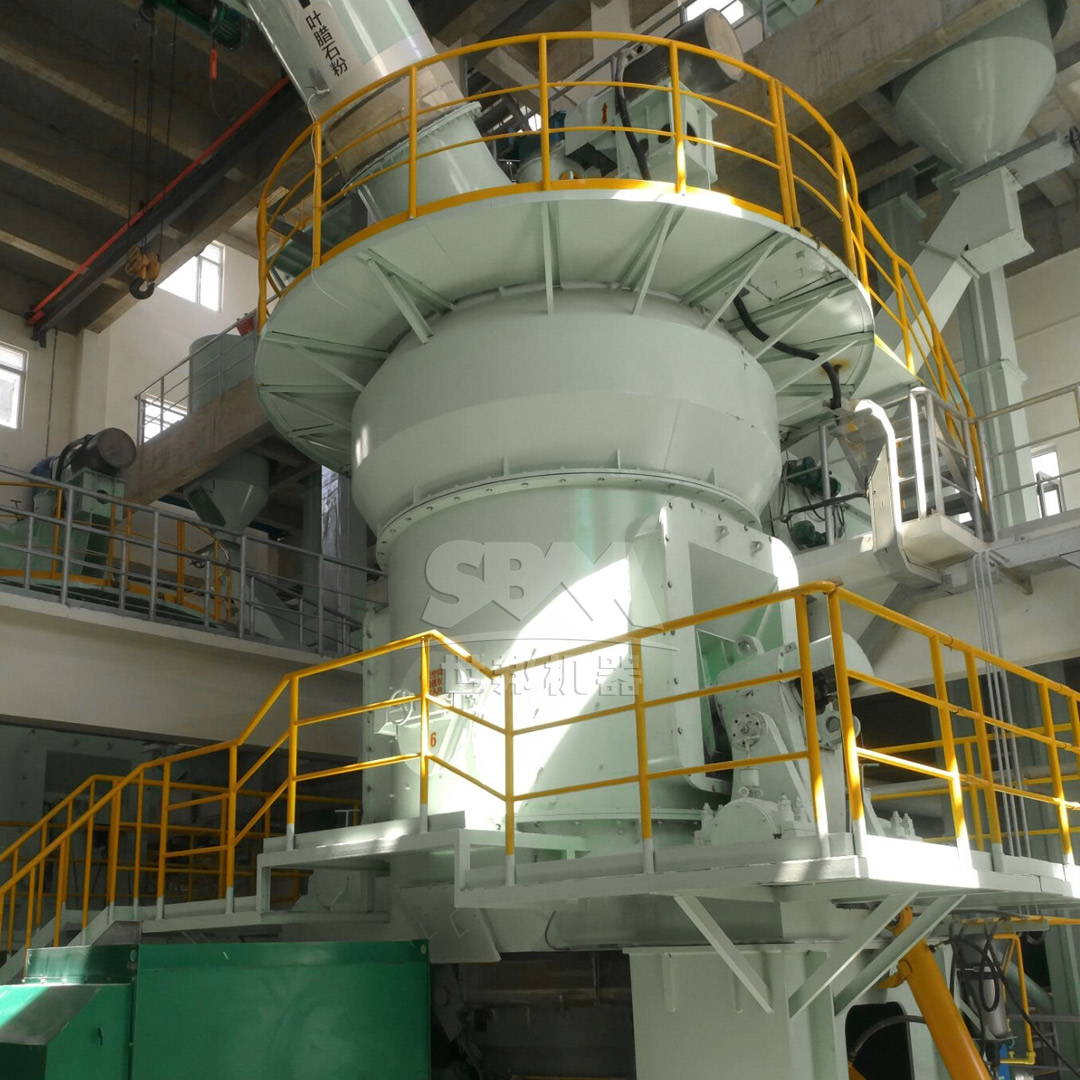
Regardless of the grinding mill type, the classification system is the ‘gatekeeper’ of product quality. To achieve a high SSA, the mill must be coupled with a highly efficient and precise classifier. Dynamic classifiers, especially vertical turbine classifiers, have become the standard. They work by spinning a rotor at variable speeds; finer particles are carried away by the airflow, while coarser particles are rejected and returned to the grinding zone for further size reduction.
The efficiency here is paramount. If a classifier misroutes coarse particles into the finished product, the SSA and overall quality of the cement drop. Conversely, if it returns overly fine particles to the mill, it causes energy waste and over-grinding. In the context of modern clinker processing, the classifier must be capable of a sharp cut and precise top-size limitation. This is particularly true for producing Ultra-High Performance Concrete (UHPC) or for inter-grinding clinker with abrasive SCMs, where a narrow particle size distribution (PSD) is necessary for optimal packing density and strength.
The push for higher SSA and lower energy footprints has driven the evolution of grinding equipment. While the conventional ball mill remains relevant for its versatility, the industry’s workhorses for large-scale, energy-efficient clinker grinding are now the Vertical Roller Mill (VRM) and the high-pressure grinding roll (HPGR), often used in hybrid systems. These technologies exploit the principle of inter-particle crushing in a dense bed, which is far more energy-efficient than the impact and attrition mechanisms in a tumbling mill.
For very fine grinding and high SSA requirements (e.g., >450 m²/kg), specialized mills such as the Trapezium Mill and Ultrafine Mill come to the fore. These machines are designed to handle the rigorous task of micro-fine grinding, often for specific applications where cement is blended with very fine mineral powders. In a cement clinker context, pre-grinding in a high-pressure roller press or VRM followed by finish grinding in a secondary mill enables a significant reduction in system energy consumption per ton of cement while maximizing SSA.
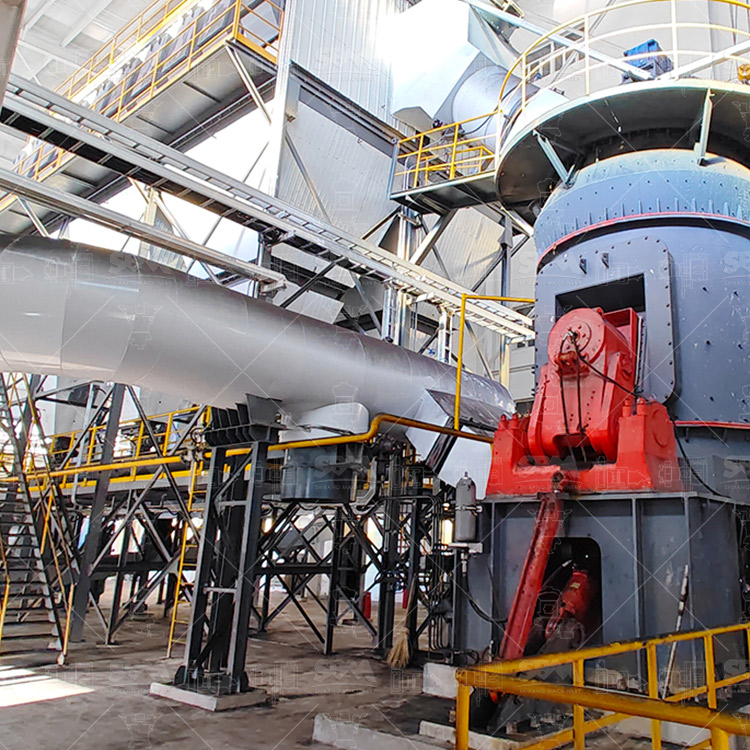
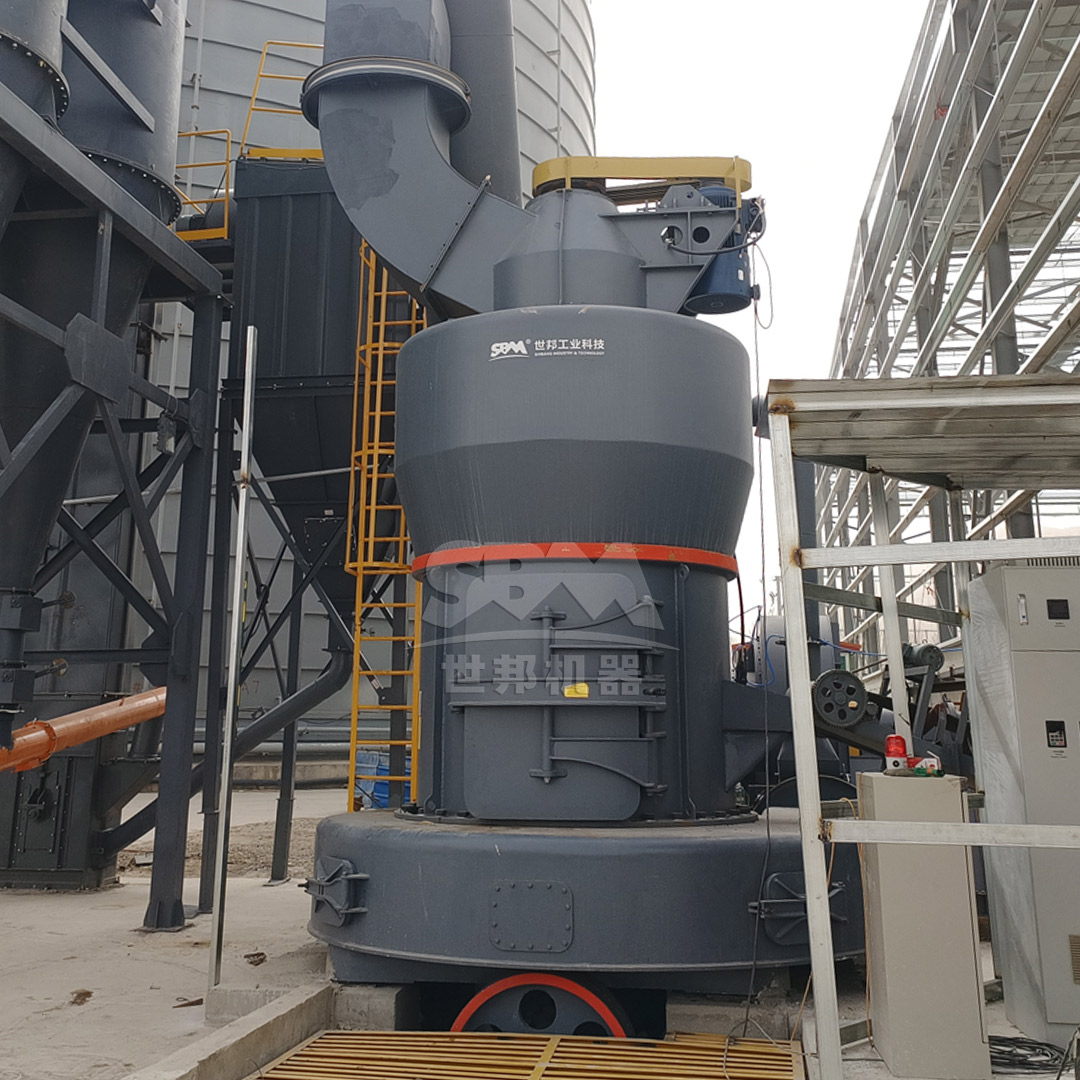
The LM Series Vertical Roller Mill is a prime example of state-of-the-art technology for cement clinker. Its integrated design combines crushing, drying, and grinding in one unit, virtually eliminating the need for a separate drying system and reducing the plant’s footprint by up to 50%. The key to its high efficiency lies in the grinding mechanism: clinker particles are crushed and ground between a rotating grinding table and stationary rollers. The material bed is stabilized and dried by hot air entering the mill, and the fine powder is conveyed to the built-in dynamic classifier.
Modern VRMs are equipped with intelligent control systems that automatically adjust the grinding pressure, table speed, and dam ring height to compensate for variations in feed size and grindability. This results in a consistent product fineness. For the next level of fineness, the LM Fine-powder Vertical Mill Series (LMX), distinct in its configuration with 3 rollers, is designed to produce fineness up to 600 mesh, ensuring an excellent SSA. However, for specialized clinker grinding demanding exceptional surface area expansion, high energy is still needed at the classification stage.
| Model | Table Diameter (mm) | Capacity (t/h) | Fineness | Main Power (kW) |
|---|---|---|---|---|
| LM130X-GX | 1300 | 4-10 | 325-600 mesh | 200 |
| LM170X-GX | 1700 | 7-18 | 325-600 mesh | 400 |
| LM220X-GX | 2200 | 12-30 | 325-600 mesh | 800 |
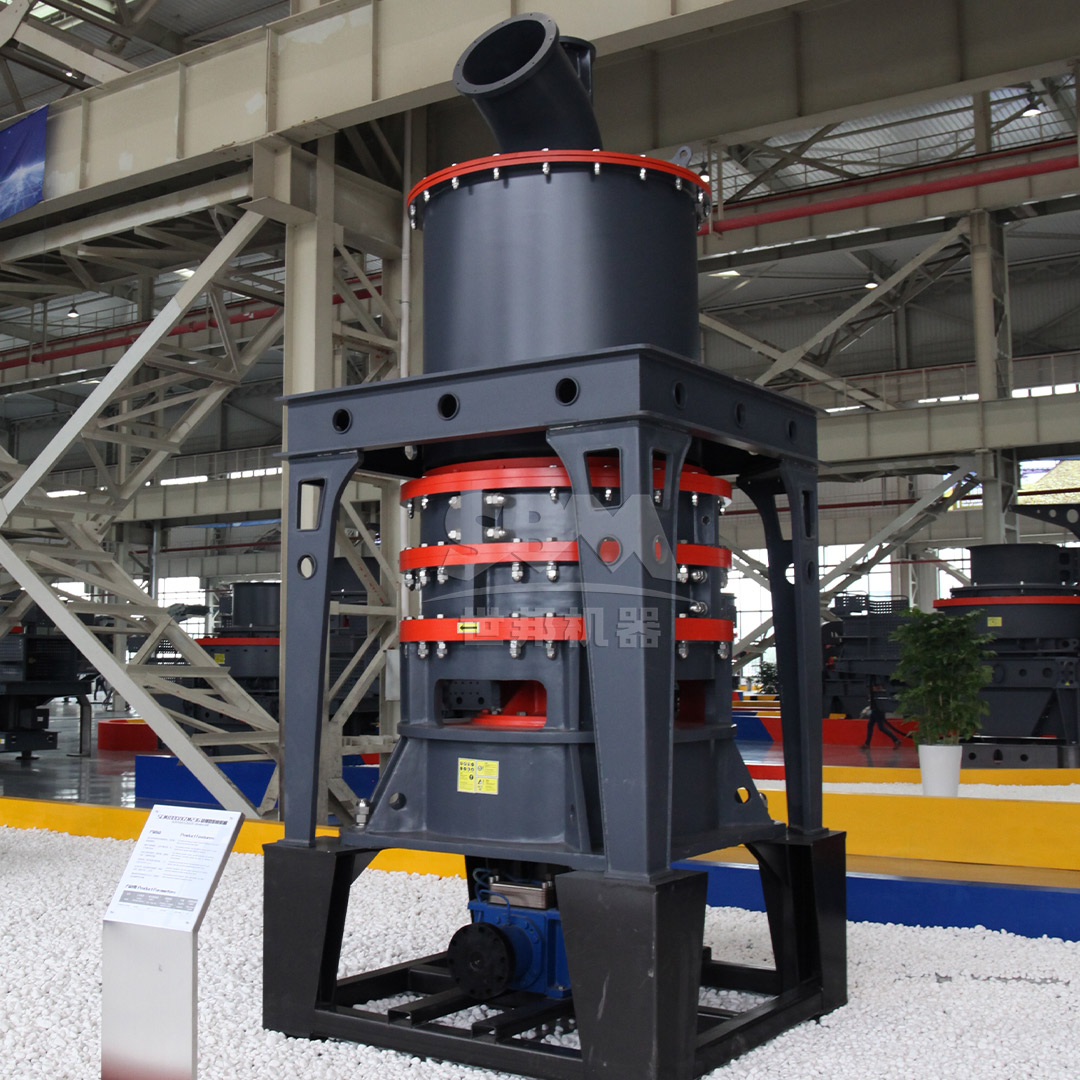
When the target SSA exceeds typical limits, standard mills struggle with either efficiency or practicality. This is where purpose-built high-pressure mills, such as the SCM Series Ultrafine Mill, step in. With the capacity to grind down to 5 microns (about 2500 mesh), the SCM series is perfect for very fine grinding of clinker, especially when producing high-early-strength cement or making micro-fillers. SCM is often deployed for post-processing or for blending hydration accelerators.
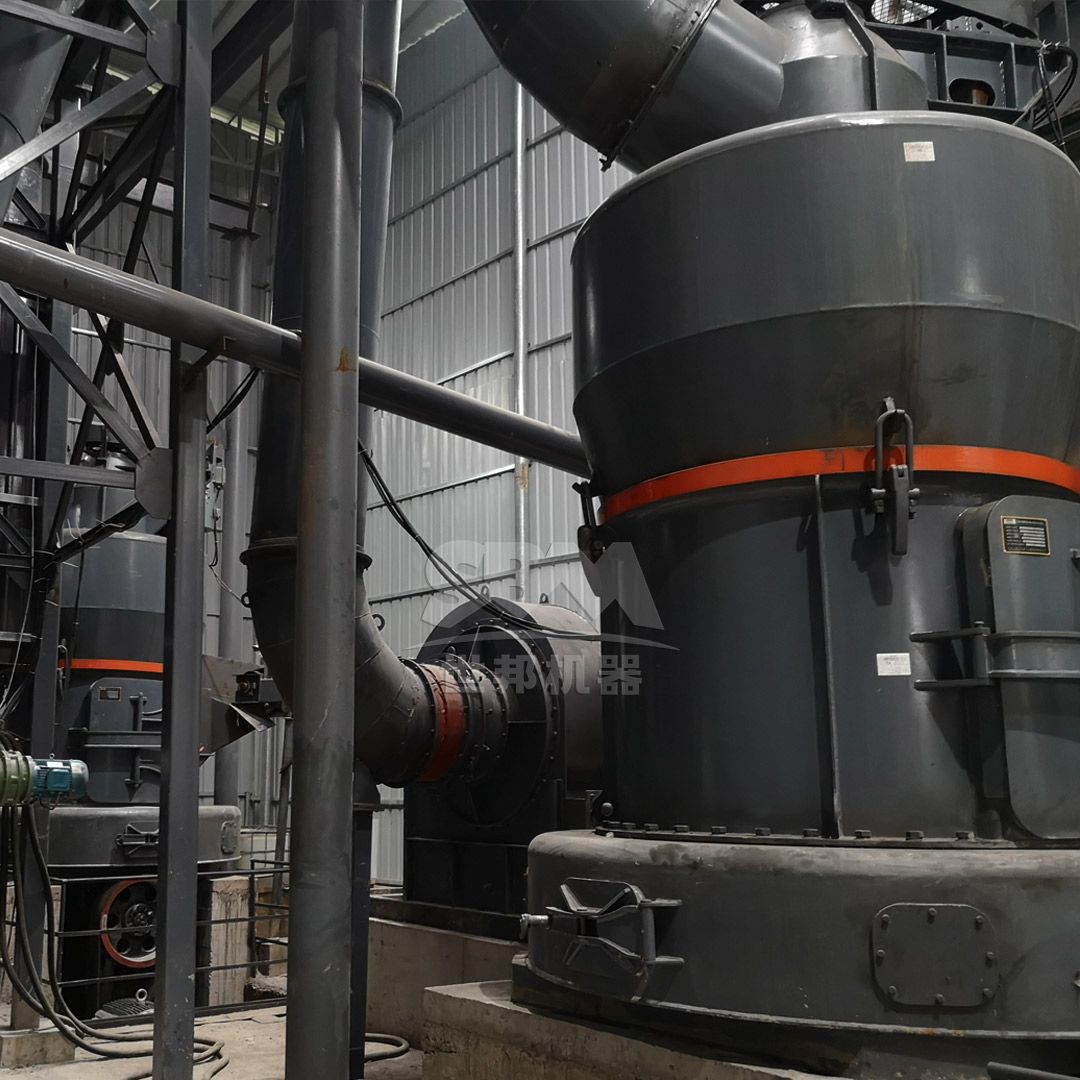
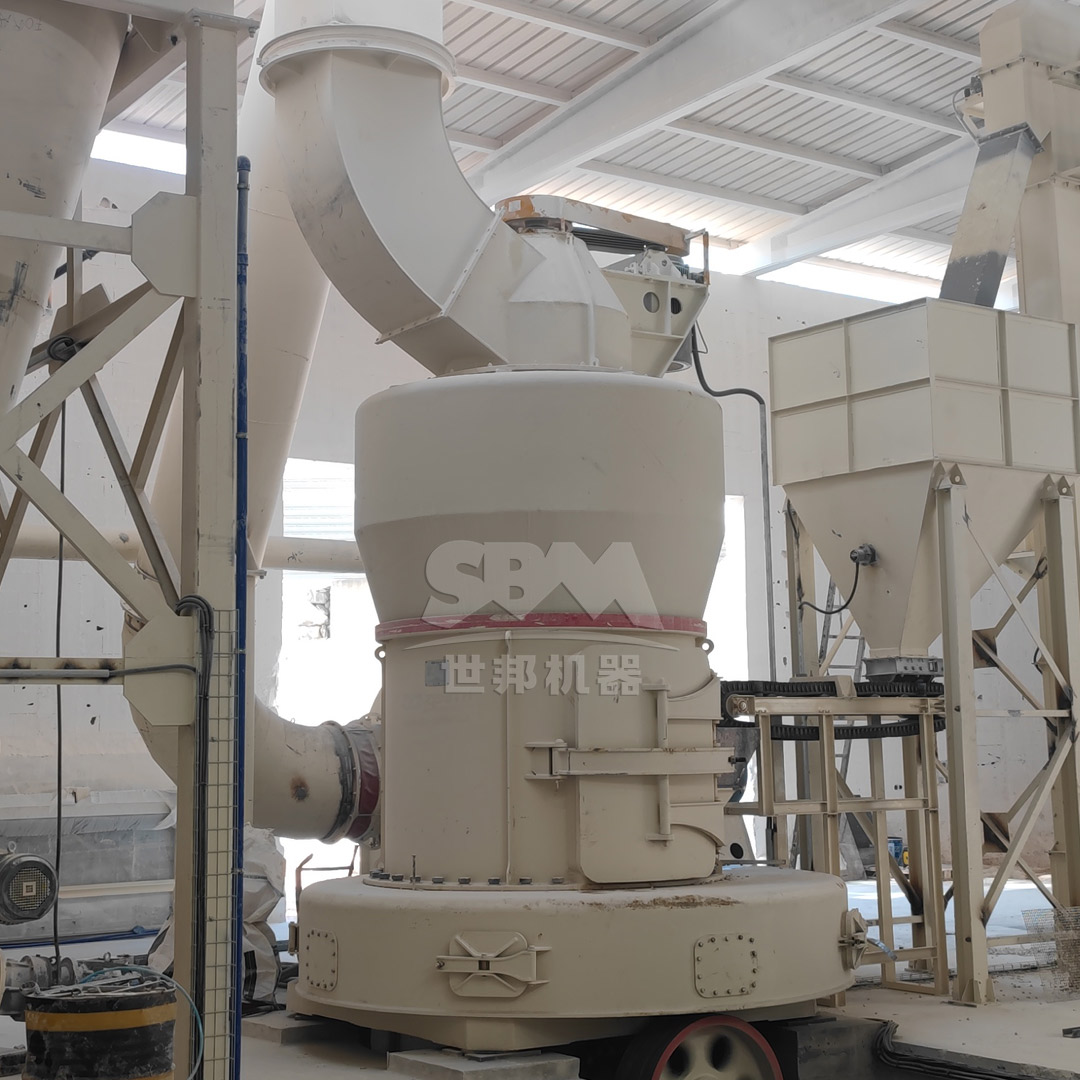
For a more general but efficient approach to increasing SSA for standard Portland cement, the MTW Series European Trapezium Mill offers a robust solution. It bridges the gap between a standard mill and an ultrafine mill, offering high capacity and precise classification. The key to its high output is an integral bevel gear drive system that achieves transmission efficiency up to 98%, significantly reducing energy loss in the drive train. This direct transfer of power to the grinding rollers means more mechanical energy goes into breaking the clinker, not heat, allowing for more effective grinding to reduce the clinker size and thus increase the Blaine surface area.
The financial viability of a cement plant hinges on energy costs. Grinding typically accounts for nearly 60-70% of the total electrical energy consumption of the plant. Therefore, selecting equipment with the lowest specific energy consumption (kWh/t) is crucial. The structure of a high-tech grinding plant aims to minimize this, using variable frequency drives (VFDs) to control fans and classifiers, ensuring they only consume the energy required for the current load.
High-efficiency mills contribute to environmental sustainability by lowering CO₂ emissions, which are indirectly linked to electrical power consumption. The durability of the grinding components is also a major cost factor. For instance, special material rollers and rings in high-stress machines are designed to extend service life several times over, directly impacting the bottom line by reducing downtime and spare parts costs.
To meet these conflicting demands of higher fineness and lower energy, we recommend two flagship products. For large-scale, high-throughput clinker grinding to achieve a stable SSA of 350-450 m²/kg with the lowest possible energy, the LM Series Vertical Roller Mill is the optimal choice due to its integrated design and bed-grinding principle. Conversely, for applications requiring targeted ultra-fine grinding to boost SSA beyond 600 m²/kg or for specialized products, our SCM Series Ultrafine Roller Mill is certified to be the go-to solution, delivering up to two times the capacity of jet mills while saving over 30% in energy.
Grinding cement clinker is an abrasive task. Equipment longevity depends on superior wear protection. In the MTW series, significant R&D has gone into the anti-wear shovel design. The combined shovel blades are engineered to be easily replaceable, reducing maintenance labor, and the curved design protects the grinding roller from centrifugal wear, extending its life cycle.
Similarly, the design of the air duct is critical. An optimized arc air duct reduces airflow energy loss and features high-strength guard plates that protect the duct surface from the erosive impact of cement particles. Furthermore, adopting a wear-resistant volute structure that avoids non-resistance flow can improve air selection efficiency by up to 30% while simultaneously reducing maintenance costs.
Modern cement plants operate under strict environmental regulations. Grinding mills are sources of both dust and noise. High SSA processing often involves handling very dry and fine materials, which can easily become airborne. The use of fully sealed negative pressure systems is a non-negotiable feature of state-of-the-art machinery. This ensures that dust emission during transportation and grinding is negligible, creating a safer workplace.
Acoustic noise is a regulatory hurdle in plants near populated areas. The design of the grinding chamber and body contributes greatly to vibration and sound levels. By utilizing damping springs and noise-reducing sealing strips, modern mills, like the MTW and LM series, effectively eliminate resonance. These designs keep operational noise levels below the limits typically required by municipal codes, negating the need for expensive external soundproofing structures and reducing installation costs.
The availability of the mill is defined by its maintenance schedule. Complex gearboxes and lubrication systems introduce risk. The adoption of internal suction oil lubrication systems, featured in the new MRN Pendulum Mill and MTW series, eliminates the need for external pumps and filters, minimizing the risk of oil leakage and ensuring critical components are always adequately lubricated regardless of temperature changes.
Through predictive maintenance sensors and feedback loops, mill operators can now monitor the condition of the grinding rollers and liners in real-time. Hydraulic systems have been simplified to allow quick roller change-outs, reducing shutdown times from days to hours. This reliability ensures the mill is always running at optimum capacity, fulfilling the plants requirement for high SSA clinker without significant downtime or costly maintenance interventions.
Investing in the right cement clinker processing equipment is a strategic decision that impacts production capability, operational cost, and product quality for decades. The path to achieving a high specific surface area relies on a holistic system view, where the mill, classifier, and fan work in harmony to maximize the breaking of the clinker while efficiently removing the fine powder.
Our company provides a comprehensive range of solutions tailored to these demands, including the SCM Ultrafine Mill as a high-precision finishing tool and the MTW Trapezium Mill for robust, high-capacity grinding. Through continuous innovation, we guarantee equipment that reduces energy consumption, maximizes uptime, elevates the specific surface area of your cement, and aligns with global sustainability goals.