In the modern cement industry, the grinding of cement clinker to a fine powder is a critical step that directly influences the quality, strength, and economic viability of Portland cement. Achieving a fineness of around 200 mesh (approximately 74 microns) is a standard requirement for ordinary Portland cement, as it ensures optimal hydration rates and compressive strength development. However, this process is also one of the most energy-intensive stages in cement production, accounting for up to 60-70% of the total electrical energy consumption of the plant. Therefore, selecting high-efficiency and reliable grinding equipment is paramount for producers seeking to enhance productivity, reduce operational costs, and maintain a competitive edge in the market.
Traditional ball mills, while reliable, are notorious for their high energy consumption and large footprint. In response to the industry’s need for more sustainable and efficient solutions, a new generation of vertical roller mills and ultra-fine grinding mills has been developed. These advanced systems integrate crushing, grinding, drying, and classification into a single compact unit, delivering significant energy savings of up to 40-50% compared to conventional ball mill systems. This article explores the complete grinding mill solutions available for processing cement clinker to a 200-mesh fineness, highlighting the technical innovations and operational benefits that define modern high-efficiency equipment.
For decades, the ball mill has been the workhorse of cement grinding. It consists of a rotating horizontal cylinder partially filled with steel grinding media. However, the process relies on impact and attrition, which is inherently inefficient as most of the energy is dissipated as heat and noise. The fineness and particle size distribution are often difficult to control precisely, and the system requires a separate classifier to return oversized particles, leading to complex and bulky installations.
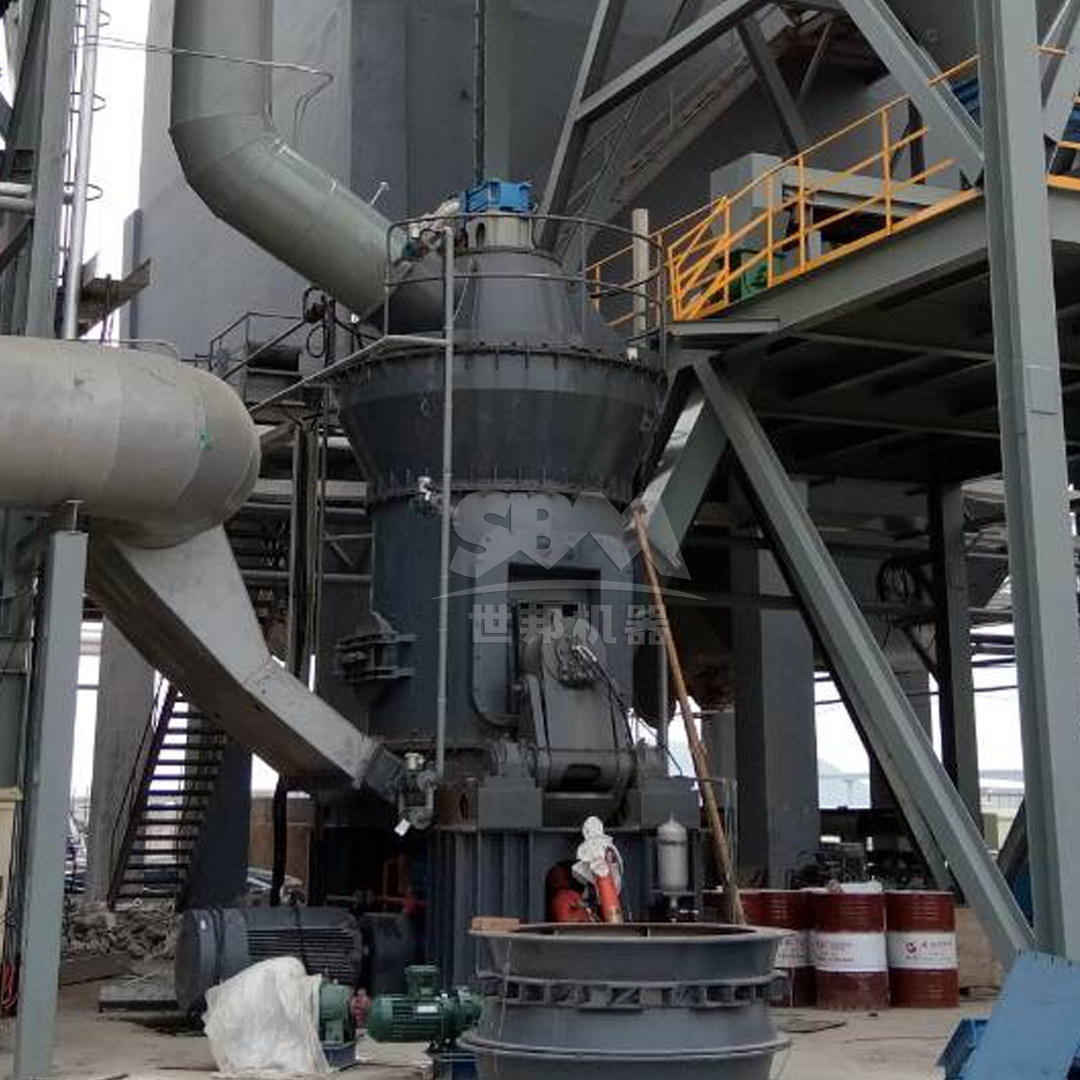
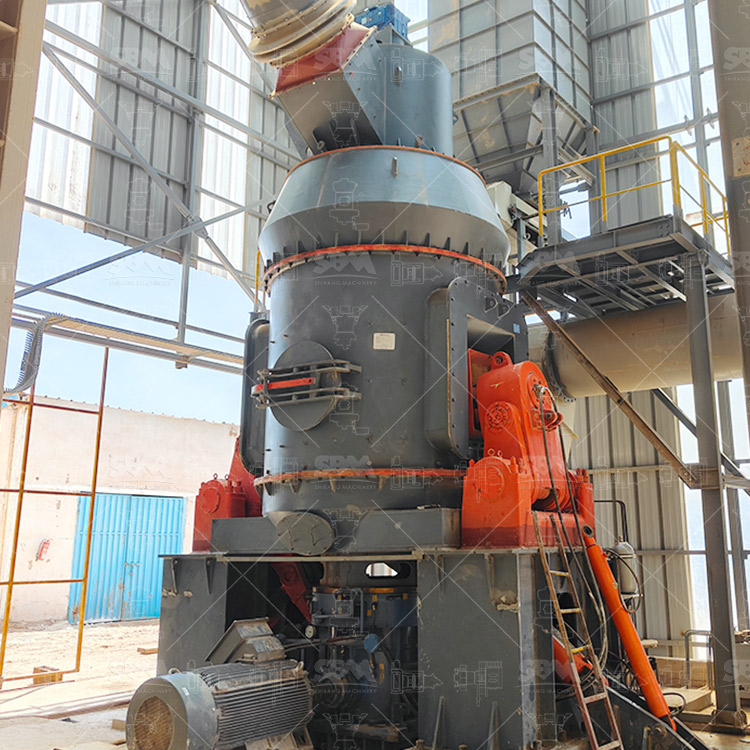
Recognizing these limitations, our company has pioneered the use of vertical roller mills (VRM) for cement and slag grinding. The LM Series Vertical Roller Mill (600-45μm) represents a paradigm shift in grinding technology. Instead of impact, it utilizes a bed grinding principle where materials are crushed between a rotating grinding table and stationary hydraulic rollers. This not only reduces energy consumption by 30-40% compared to ball mills but also allows for the integration of drying, grinding, and classification functions. The compact design reduces floor space and infrastructure costs by up to 50%, making it an ideal choice for new plants or capacity expansions.
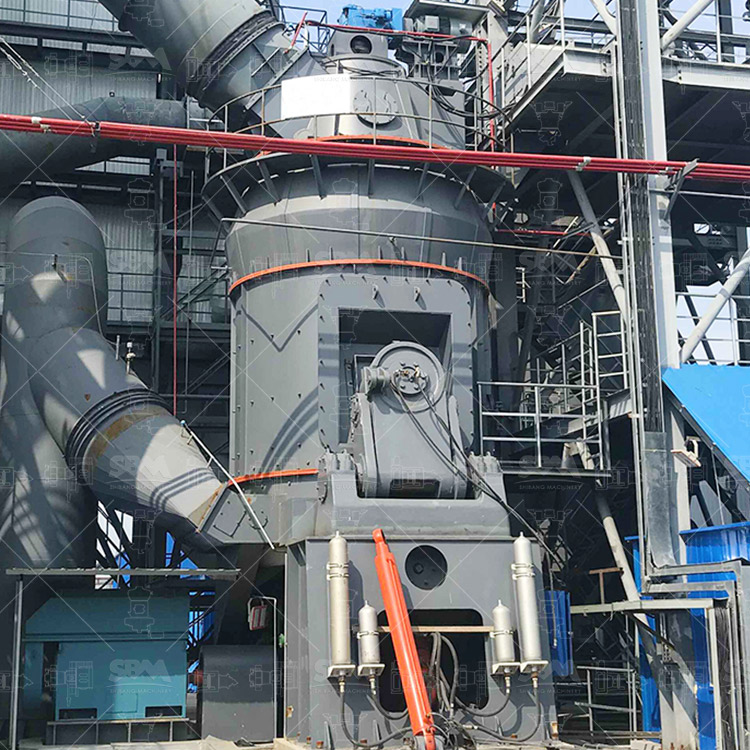
For producers specifically aiming at a 200-mesh (74-micron) final product, the LM horizontal mill offers exceptional performance. Its advanced dynamic classifier can be precisely adjusted to ensure a uniform particle size distribution, with no coarse powder mixing, thereby guaranteeing consistent cement quality. The low operating costs, attributable to the non-contact design between rollers and table that minimizes wear, further enhance the economic attractiveness of this system.
While vertical roller mills are excellent for large-scale operations, not all plants require a massive output. For medium to smaller-capacity producers, or for those needing a flexible solution to handle various materials, the MTW Series European Trapezium Mill (600-45μm) presents an unbeatable solution. This mill is an evolution of the traditional Raymond mill, incorporating numerous patented technologies that boost efficiency and reliability.
The MTW mill features an integral bevel gear drive with a transmission efficiency of up to 98%, significantly reducing energy losses. Its optimized arc air duct reduces airflow resistance, and high-strength guard plates protect the working surface from wear. When set to produce a 200-mesh fine powder, the MTW mill’s vertical turbine classifier ensures high-precision particle size cutting. The pendulum design of the grinding rollers, suspended on a central axis, creates a centrifugal force field that crushes the clinker efficiently between the roller and the grinding ring.
One of the standout features is its anti-wear shovel design combined with curved blade components, which extends the life of the grinding roller and minimizes maintenance frequency. This makes the MTW mill incredibly durable and cost-effective for continuous Portland cement production.
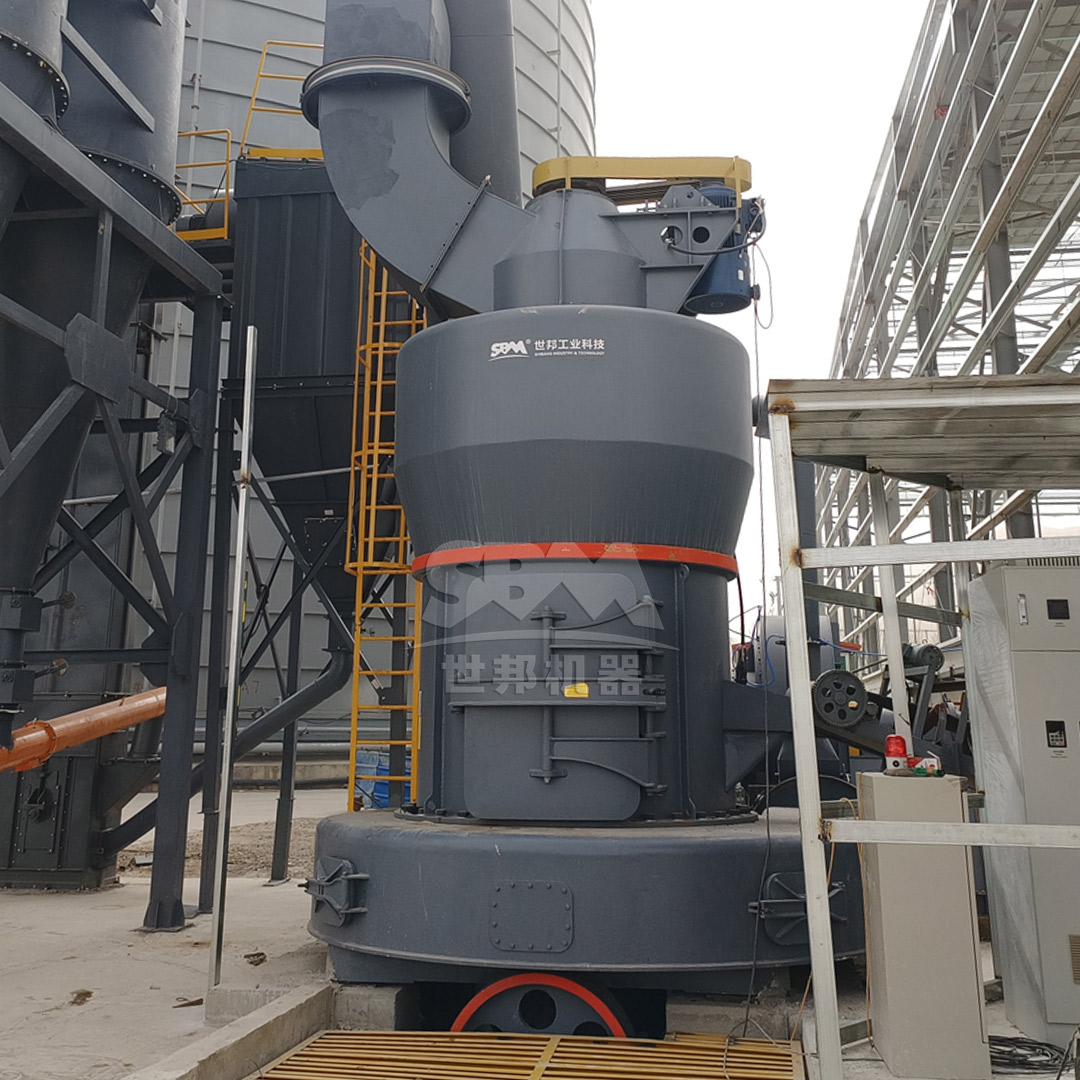
We offer a comprehensive range of MTW models tailored to varying capacity needs, from the MTW110 with a capacity of 3-9 TPH to the high-capacity MTW215G capable of producing 15-45 TPH. All models feature internal suction oil lubrication systems and internationally advanced pulse dust removal technology, ensuring clean and safe operation.
To offer our clients a complete solution for clinker grinding, especially where a 200-mesh output is needed without the necessity for ultra-fine classification, we have optimized our MRN pendulum mill series. The MRN158 and MRN198 models are specifically designed for the cement industry, bridging the gap between traditional pendulum mills and high-end vertical mills.
The MRN series boasts a first-in-class thin oil lubrication system that eliminates the need for frequent manual greasing, a significant step towards maintenance-free operation. Its efficient collector system and automatic pulse dust collector ensure eco-friendly performance, meeting the strictest emission standards. The scientific configuration of a new-type classifier and an isolated cyclone reduces system energy consumption while increasing collection efficiency.
With an input size of up to 45mm and a grinding fineness range of 30-325 mesh, the MRN158 (capacity 7-21 TPH) and MRN198 (capacity 12-33 TPH) are versatile workhorses for cement clinker. They provide an excellent balance of capital investment and operational cost, making them a favorite among mid-sized producers looking to upgrade their facilities.
While a 200-mesh fineness is the standard for OPC, many modern applications, such as blended cements or high-early-strength formulations, require an even finer grind or a separate pre-grinding stage to maximize the efficiency of the main mill. To cater to these needs, we offer high-performance alternatives.
For pre-grinding applications before the final milling stage, the LM-Y Series Vertical Pre-grinding Roller Mill is a perfect complement. These mills are designed to handle feed sizes of up to 20mm and have a circulation capacity of up to 1000 TPH. By implementing a pre-grinding stage, the main grinding mill’s capacity can be increased by up to 30-50%, while significantly lowering the specific power consumption. Models like LM150Y and LM340Y are widely used for cement clinker, limestone, and marble.
Furthermore, for producing ultra-fine Portland cement or if the production process also requires pozzolanic materials ground to very fine sizes (325-2500 mesh), the SCM Series Ultrafine Mill is our top-tier recommendation. It offers capacity double that of a jet mill at 30% lower energy consumption. The new SCM1250 and SCM1680 models are excellent for high-value, specialized cement products.
Operating a grinding mill for cement clinker at a consistent 200-mesh output requires a robust maintenance strategy. Key wear parts in any grinding system include the grinding rollers, table liners, and classifier blades. Our range of mills utilizes special alloy materials that demonstrate exceptional wear resistance. For instance, the MTW mill’s roller and ring constructed from special materials can have a service life several times longer than standard components, drastically reducing maintenance frequency and costs.
Another operational concern is the heat generated during grinding, especially when feed materials have high moisture content. The ventilation system integrated into our mills not only classifies particles but also removes moisture and dissipates heat. This external air circulation not only aids in drying the feed if necessary but also helps to avoid issues like coating on the grinding media and the blinding of filters. Our expert-level intelligent control systems, available on the LM and LUM series, monitor key parameters in real time, automatically adjusting the classifier speed and grinding pressure to maintain a stable finished product fineness with minimal manual intervention.
The choice of auxiliary equipment, such as dust collectors, also plays a crucial role in operational efficiency. We always supply our grinding mills with high-efficiency pulse dust collectors. The collected fine dust is returned to the finished product silo, achieving zero-emission and maximizing product yield. For noise reduction, our mills are designed with soundproofing options to maintain low workplace noise levels, ensuring compliance with strict health and safety regulations.
Choosing the right equipment for 200-mesh clinker grinding is often a matter of balancing capacity, input material characteristics, and plant layout. To summarize the appropriate solutions, we can look at the following table.
| Mill Type | Model | Capacity (TPH) | Fineness | Main Motor (kW) |
|---|---|---|---|---|
| LM Vertical Mill | LM130K | 10-28 | 170-40 μm | 200 |
| LM Vertical Mill | LM170K | 18-48 | 170-40 μm | 400 |
| MTW Trapezium Mill | MTW138Z | 6-17 | 10-325 mesh | 90 |
| MTW Trapezium Mill | MTW175G | 9.5-25 | 10-325 mesh | 160 |
| MRN Pendulum Mill | MRN158 | 7-21 | 30-325 mesh | 132 |
| MRN Pendulum Mill | MRN198 | 12-33 | 30-325 mesh | 220 |
As seen, the LM series excels in massive production capacities and is the most energy-efficient choice. For instance, the large LM190K (capacity 23-68 TPH) is an excellent example of a modern high-efficiency vertical roller mill. The LM series also offers models like the LM220K (36-105 TPH) for very large operations, showcasing the scaleability of our technology. When we discuss achieving 200 mesh of fineness, all vertical mills and pendulum mills in the table are perfectly suited.
For clients needing a lower upfront capital cost but with high efficiency and low maintenance, we highly recommend our MTW175G. This mill combines the robustness of traditional European technology with our patented anti-wear and intelligent control innovations. It is an ideal solution for a 200-mesh grinding task.
Producing high-quality Portland cement at 200-mesh fineness is a challenging endeavor that demands a high level of engineering expertise and precision. Our comprehensive line of grinding equipment, from the massive and efficient LM vertical roller mills to the versatile MTW and MRN pendulum mills, provides a complete solution tailored to the specific needs of cement manufacturers. Our machines are built not just to grind, but to do so with minimal energy, minimal wear, and maximum uptime.
Incorporating advanced technologies like bed grinding, precise dynamic classifiers, and intelligent automation, our equipment ensures that your cement plant operates at pinnacle efficiency. We understand that while achieving 200-mesh is the technical goal, the true business goals are profitability and sustainability. Our equipment is engineered to help you meet and exceed these standards. We invite you to contact our engineering team to discuss your specific project requirements. We guarantee a solution that will elevate your production capabilities and lower your total cost of ownership.