The global cement industry is witnessing an unprecedented shift toward finer product specifications, with 325 mesh (45 microns) becoming a standard requirement for high-performance cement blends, mineral admixtures, and specialized construction materials. Achieving this level of fineness consistently and economically requires more than just powerful machinery—it demands a deep understanding of your material characteristics, production targets, and energy efficiency goals. For cement clinker, which is inherently hard and abrasive, the selection of appropriate grinding equipment directly impacts product quality, operational costs, and long-term profitability.
When evaluating processing solutions for 325 mesh cement clinker, plant operators must consider three critical factors: specific surface area requirements, particle size distribution consistency, and specific energy consumption (kWh/t). Traditional ball mills, while versatile, often fall short in energy efficiency, consuming 30-40% more power than modern vertical roller mills (VRMs) for equivalent throughput. Meanwhile, jet mills, though capable of ultra-fine grinding, are prohibitively expensive for large-scale cement production. This article provides a systematic framework for selecting the right mill, comparing leading technologies, and recommending proven solutions that balance performance, reliability, and total cost of ownership.
325 mesh corresponds to a nominal particle size of 45 microns, a threshold that significantly enhances cement reactivity. At this fineness, the Blaine specific surface area typically ranges between 350-420 m²/kg for ordinary Portland cement, depending on clinker mineralogy. High-performance applications, such as oil-well cement or ultra-high-performance concrete (UHPC), may demand even higher fineness—up to 500 m²/kg—which pushes grinding equipment to its operational limits.
Beyond simple sieve residue (typically 1-5% retained on 45μm), modern quality control emphasizes particle size distribution (PSD) uniformity. A narrow PSD with minimal coarse particles (above 45μm) ensures rapid early strength development, while excessive ultra-fine particles (below 2μm) can cause water demand issues. Thus, the ideal grinding system must provide:
Sharp particle size cut-off: No oversized particles in the final product.
Controlled fines content: Avoid over-grinding to save energy.
Stable operation: Continuous processing without degradation in output quality.
Each mill type handles these challenges differently, making equipment selection a strategic decision rather than a purely technical one.
Ball mills have been the backbone of cement grinding for over a century. For 325 mesh clinker processing, a two-compartment ball mill equipped with high-efficiency separators can achieve the target fineness with a production capacity ranging from 0.65 to 450 t/h depending on mill dimensions. However, their operational weaknesses are well-documented:
High energy consumption: Typically 25-35 kWh/t for OPC at 350 m²/kg.
Excessive heat generation: Requires internal water spray or external cooling.
Wide PSD: Difficult to control without sophisticated dynamic separators.
Despite these drawbacks, ball mills remain viable for small-scale operations or plants where equipment flexibility is paramount. The GMQG series (e.g., GMQG2445 with 37 tons of grinding media) offers proven reliability, but operators seeking 325 mesh output should anticipate higher operating costs.
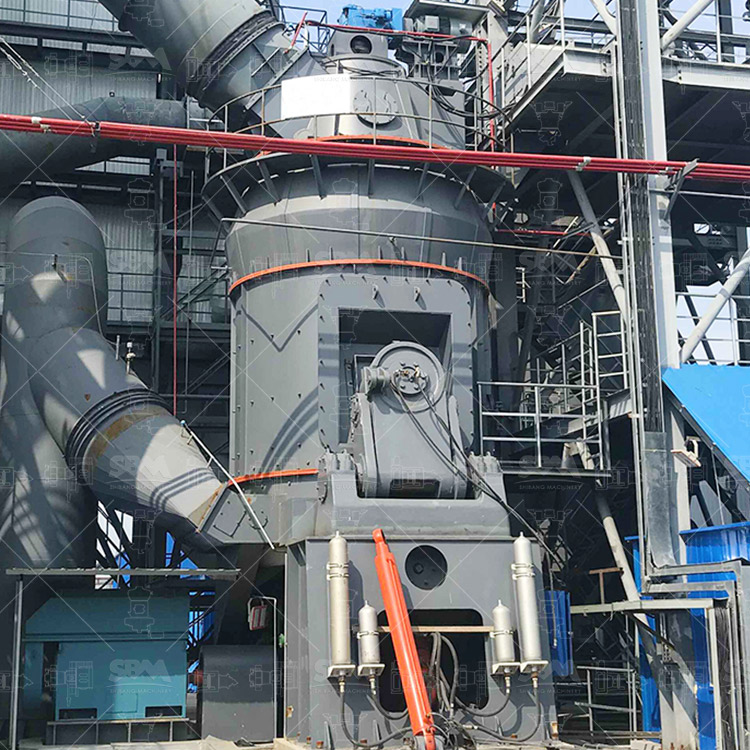
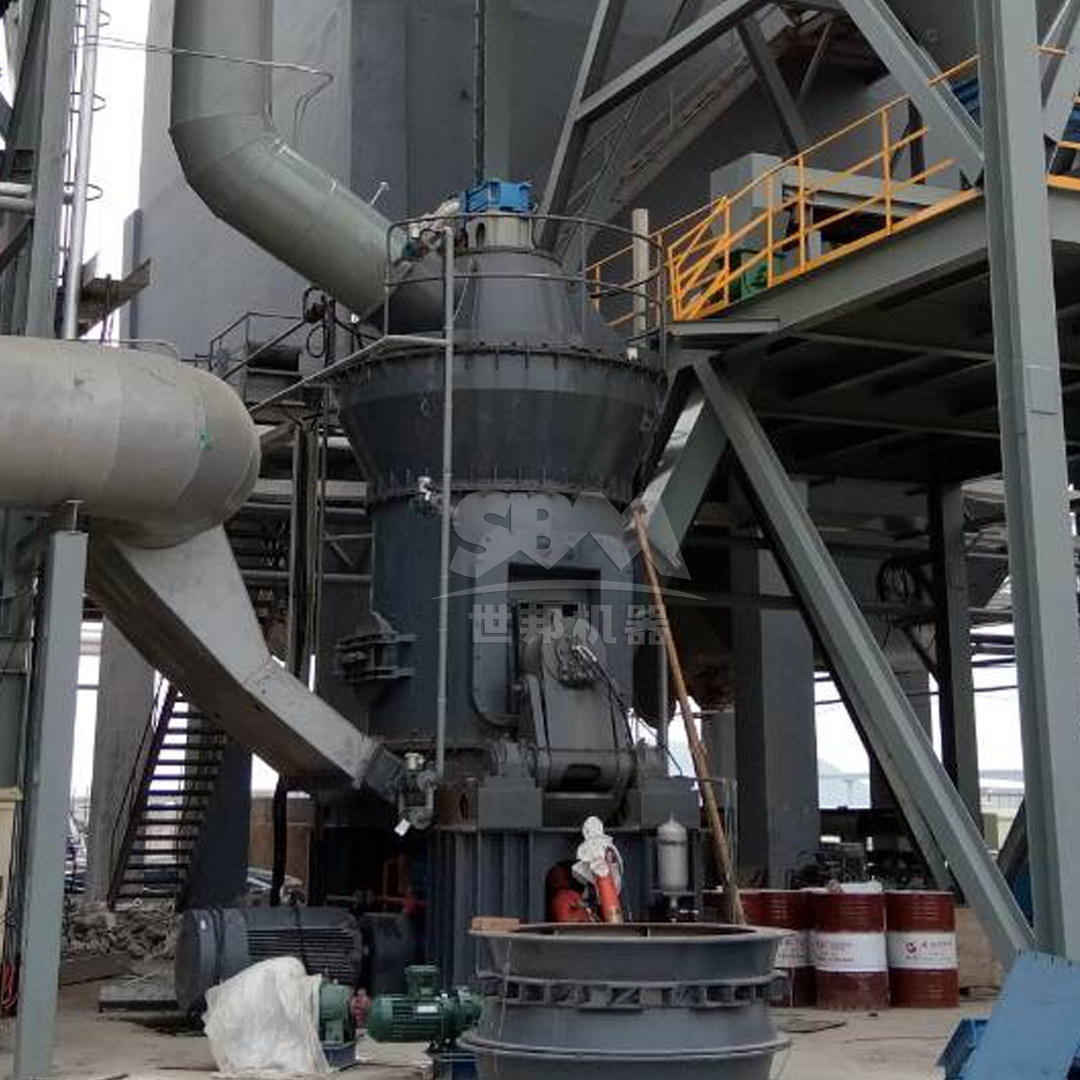
VRMs have revolutionized cement grinding through their integrated crushing, drying, and classification capabilities. For 325 mesh clinker, the LM series vertical roller mill stands out due to its:
Bed grinding principle: Non-contact between rollers and table minimizes wear.
Integrated classifier: Dynamic classifiers adjust fineness on-the-fly without stopping production.
Energy savings: 30-40% lower power consumption than ball mills.
The LM170K, for example, processes 18-48 t/h with a 400kW main motor, achieving fineness between 170-40μm. Its fully sealed negative pressure operation ensures dust-free environments, meeting stringent environmental standards. For plants targeting 325 mesh specifically, the LM vertical fine-powder mill series (LM130X-GX to LM220X-GX) offers dedicated solutions with 325-600 mesh capability, though for clinker with high abrasiveness, the standard K-series is often more appropriate.
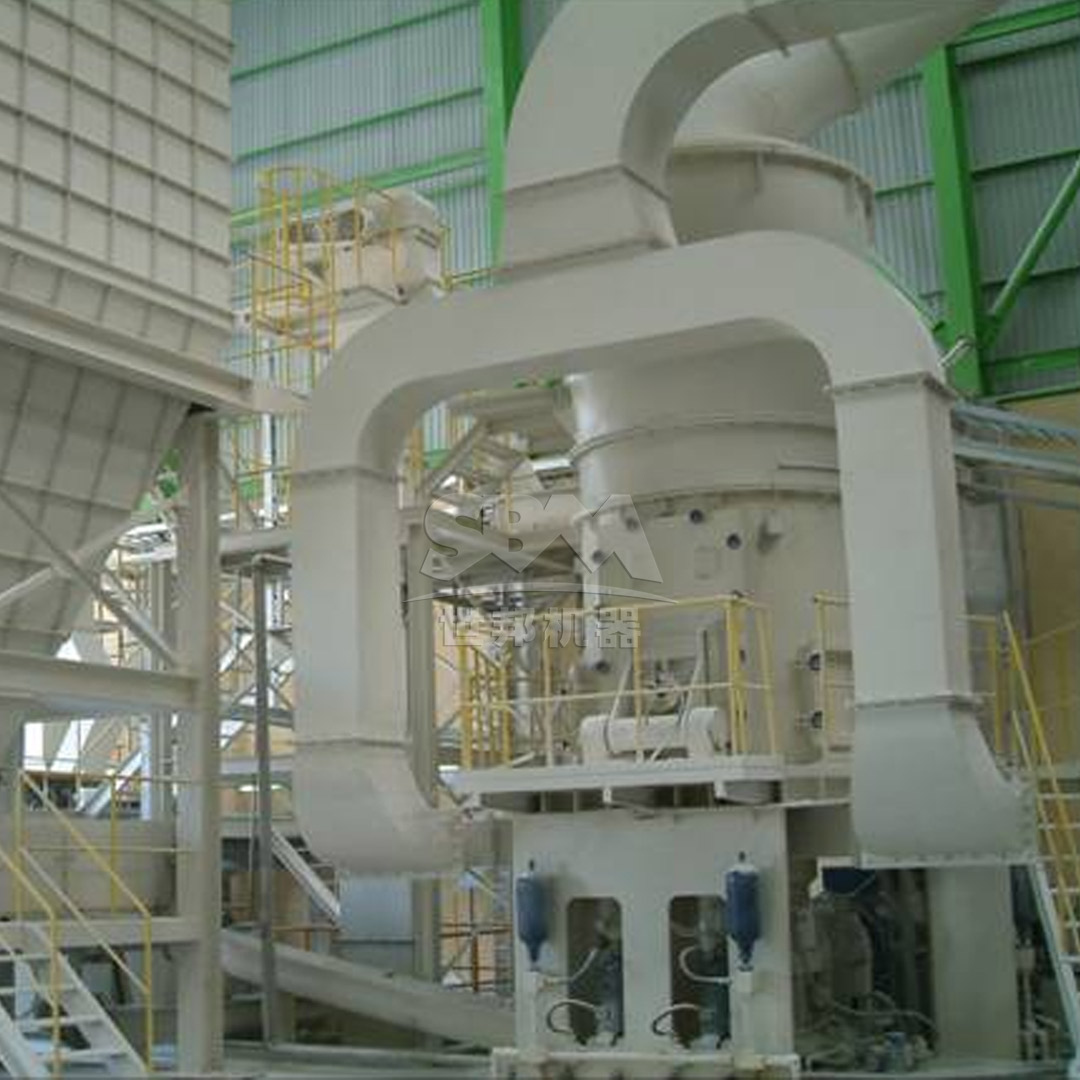
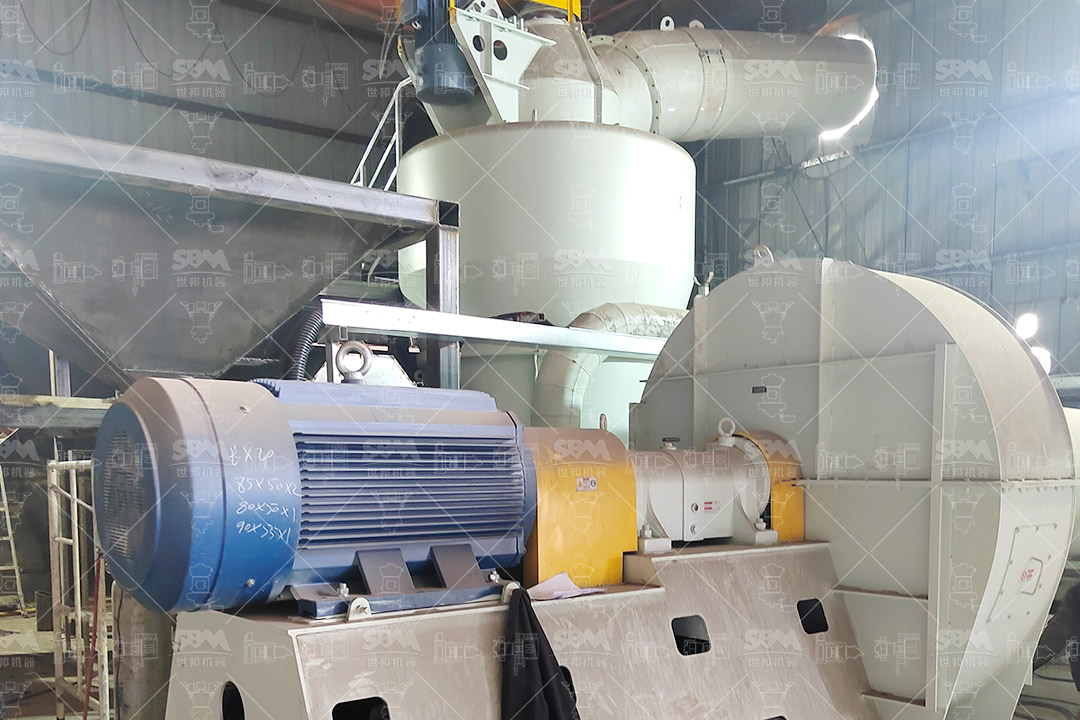
When specifications require 100% passing 325 mesh with exceptional PSD uniformity, ultrafine grinding equipment becomes necessary. The SCM series ultrafine mill and LUM vertical roller mill represent the cutting edge of this category. The SCM1000, with its 132kW main motor and 1.0-8.5 t/h capacity, utilizes a three-layer grinding ring design that disperses materials into a centrifugal grinding path—a mechanism distinctly different from standard VRMs. Its vertical turbine classifier achieves precise particle size cutting with no coarse powder mixing, making it ideal for high-value cementitious products.
Similarly, the LUM1632 (2-13.5 t/h, 280-315kW) employs multi-rotor classification technology that ensures pass rates greater than 99.5%. While these machines carry a higher initial investment, their energy efficiency and product quality often justify the premium for premium cement brands.
For moderate capacities with flexibility across a wide fineness range, the MTW European trapezium mill (30-325 mesh) and MTM medium-speed trapezium mill (45-325 mesh) offer robust construction with advanced features such as anti-wear shovel designs and integral bevel gear drives. The MTW175G provides 9.5-25 t/h with a 160kW motor, suitable for medium-scale operations. However, their PSD control is less precise compared to dedicated ultrafine systems.
The MRN pendulum mill series (e.g., MRN198 with 12-33 t/h) adds thin-oil lubrication and advanced pulse dust collectors, but for strict 325 mesh compliance, these may require supplementary classification.
Choosing the right mill goes beyond published capacity tables. Consider these decisive parameters:
| Criteria | Ball Mill | VRM | Ultrafine Mill |
|---|---|---|---|
| Energy Consumption (kWh/t) | 25-35 | 15-20 | 18-25 |
| Product Fineness Control | Good (with separator) | Excellent | Superior |
| Moisture Tolerance | Low (<2%) | High (up to 20%) | Moderate (<5%) |
| Maintenance Complexity | Low-Medium | Medium | High (specialized parts) |
| Capital Cost per t/h | Low | Medium | High |
| Noise Level (dB) | 95-100 | 85-90 | 80-85 |
Additionally, feed moisture plays a critical role. VRMs can integrate drying, processing clinker with up to 20% moisture, while ball mills require pre-dried feed (below 2%). For plants handling hot clinker directly from the cooler, VRMs or MTW mills with hot air circulation are preferable.
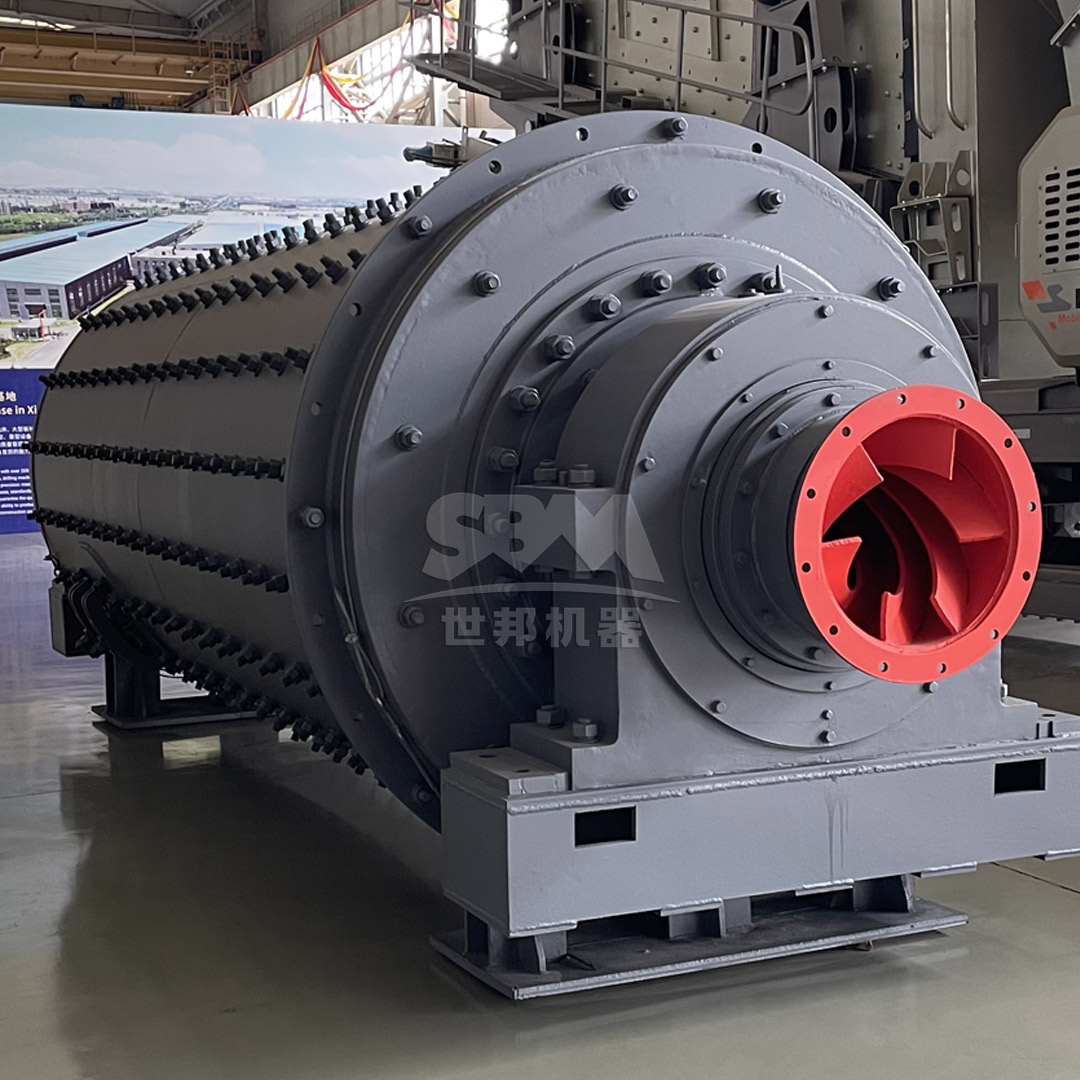
Based on decades of field applications and our comprehensive product portfolio, we recommend the following two configurations to meet diverse operational needs:
For producers requiring the highest quality 325 mesh cement with tight PSD specifications for specialty applications, the SCM1250 ultrafine mill is our premier recommendation. With a capacity of 2.5-14 t/h and main power of 185kW, this machine offers:
Dual energy savings: Twice the output of jet mills at 30% lower energy consumption.
Intelligent control: Automatic feedback on finished granularity ensures consistent quality.
Durability: Special material rollers and rings extend service life several times over conventional mills.
The shaftless screw grinding chamber maintains stable operation under varying feed conditions. For a plant producing 80,000 t/year of premium cement, this investment typically pays back within 2-3 years through energy savings alone.
When production volumes exceed 15 t/h, the LM150K vertical roller mill (13-38 t/h with 280kW power) offers the lowest total cost of ownership. Key advantages include:
50% smaller footprint: Integrated system reduces building space.
40% lower infrastructure costs: Permits outdoor installation.
3x longer wear life: Non-contact roller-table design eliminates direct metal contact.
Its expert-level automatic control system supports remote monitoring, reducing manual intervention. The LM150K can consistently deliver 325 mesh with 5-10% retained on 45μm, suitable for general-purpose Portland cement production.
We deliberately position the SCM1250 for its classification precision and the LM150K for its energy efficiency at scale. Many clients pair both machines—using the LM for bulk production and the SCM for premium grades. This hybrid strategy maximizes overall plant economics.
Achieving optimal performance requires attention to:
1. Feed Preparation: Crush clinker to below 20mm (SCM) or 40mm (LM) using a hammer mill (PC series) to avoid damaging grinding elements.
2. Temperature Control: Manage grinding heat with air cooling or water injection to prevent gypsum dehydration, which affects setting time.
3. Classifier Calibration: Regularly calibrate dynamic classifiers to maintain sharp PSD. Our mills offer multi-stage adjustment during operation.
4. Wear Monitoring: Track roller and liner wear patterns using vibration sensors—both recommended mills feature wear-compensation systems.
5. Dust Collection: Ensure pulse-jet collectors operate at optimal differential pressure; our designs achieve emissions below 30mg/Nm³.
For retrofits, consider the LM-Y series pre-grinding mill (e.g., LM150Y, 6-10 t/h) to boost existing ball mill circuits by 30-50%.
The selection of 325 mesh cement clinker processing equipment should never be an afterthought. A systematic evaluation reveals that:
Ball mills remain viable for small-scale, low-investment scenarios.
VRMs (LM series) dominate medium-to-large capacity operations due to energy efficiency.
Ultrafine mills (SCM/LUM) are indispensable for premium products requiring exceptional PSD control.
We encourage plant managers to test clinker samples in our pilot facilities using the SCM1250 and LM150K under their actual conditions. With over 10,000 mill installations worldwide, our engineering team can provide guaranteed performance contracts, including fineness and capacity warranties. Contact us today to arrange an on-site assessment or virtual demonstration—your path to high-performance 325 mesh grinding starts with the right partner.