In the construction and chemical industries, acid-resistant concrete has become indispensable for applications requiring durability in aggressive environments—from chemical plants and wastewater treatment facilities to industrial flooring and containment structures. The performance of acid-resistant concrete hinges on the quality of its additives, and quartz stone powder has emerged as a premier functional filler. However, producing quartz powder with the precise particle size, purity, and consistency required for high-performance acid-resistant concrete demands specialized processing equipment. This article explores the critical role of quartz stone processing equipment and highlights how advanced milling technologies from our company deliver the ultrafine powders that make acid-resistant concrete additives truly high-performance.
Quartz (silicon dioxide, SiO₂) is inherently resistant to most acids, making it an ideal mineral additive for acid-resistant concrete formulations. When finely ground, quartz powder serves multiple functions:
To achieve these benefits, the quartz powder must be processed to a fineness typically ranging from 325 to 2500 mesh, with strict control over particle size distribution. Coarse particles or inconsistent grading can compromise the additive’s effectiveness, leading to poor acid resistance and reduced mechanical properties.
Producing high-performance quartz additives demands equipment that can meet several critical criteria:
The equipment must consistently achieve fineness levels of 325 mesh and finer, with the ability to reach 2500 mesh for specialized formulations. This requires advanced grinding mechanisms that can reduce quartz—a hard and abrasive material—without excessive wear or energy consumption.
Uniform particle size distribution is essential. Coarse particles must be eliminated to ensure the additive’s reactivity and filler efficiency. High-precision classifiers are needed to cut the particle size curve sharply.
Industrial-scale production of acid-resistant concrete additives requires equipment that delivers high throughput while minimizing energy costs. Energy-efficient designs translate directly to lower production costs and reduced environmental impact.
Quartz’s abrasiveness accelerates wear on grinding components. Equipment with wear-resistant materials and designs that minimize downtime is essential for cost-effective operations.
Dust collection and noise control are critical for meeting environmental regulations and ensuring a safe workplace.
| Requirement | Target Specification | Impact on Additive Performance |
|---|---|---|
| Fineness | 325–2500 mesh | Filler density, reactivity, strength |
| Particle Size Distribution | Sharp cut, no coarse particles | Uniform matrix, reduced porosity |
| Capacity | 0.5–45 t/h depending on scale | Production efficiency, cost |
| Wear Resistance | Extended component life | Consistent quality, low downtime |
| Dust Emission | <10 mg/m³ | Environmental compliance |
Our company specializes in designing and manufacturing industrial grinding equipment that meets the exacting demands of quartz processing for acid-resistant concrete additives. Two of our flagship products—the SCM Series Ultrafine Mill and the MTW Series European Trapezium Mill—are particularly well-suited for this application.
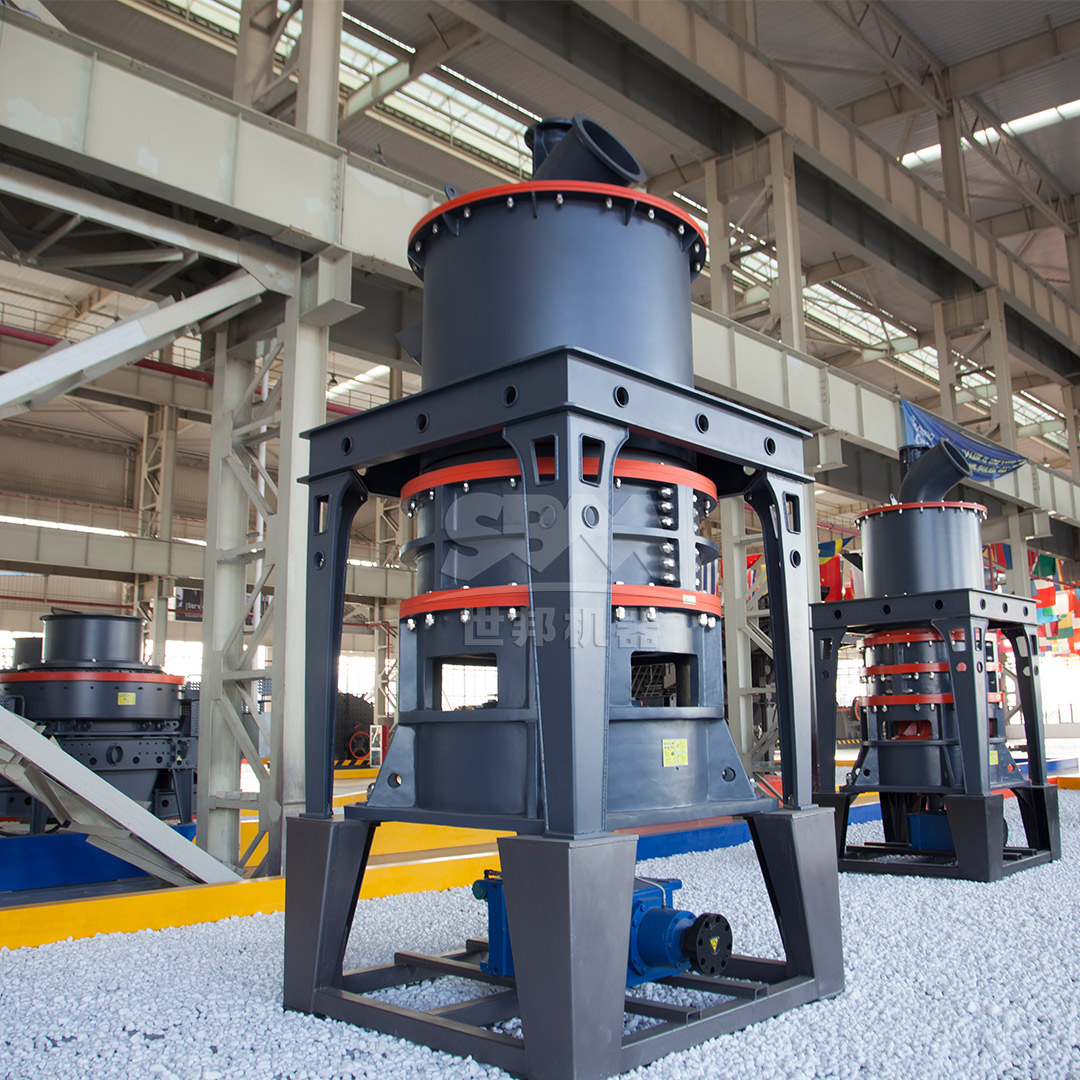
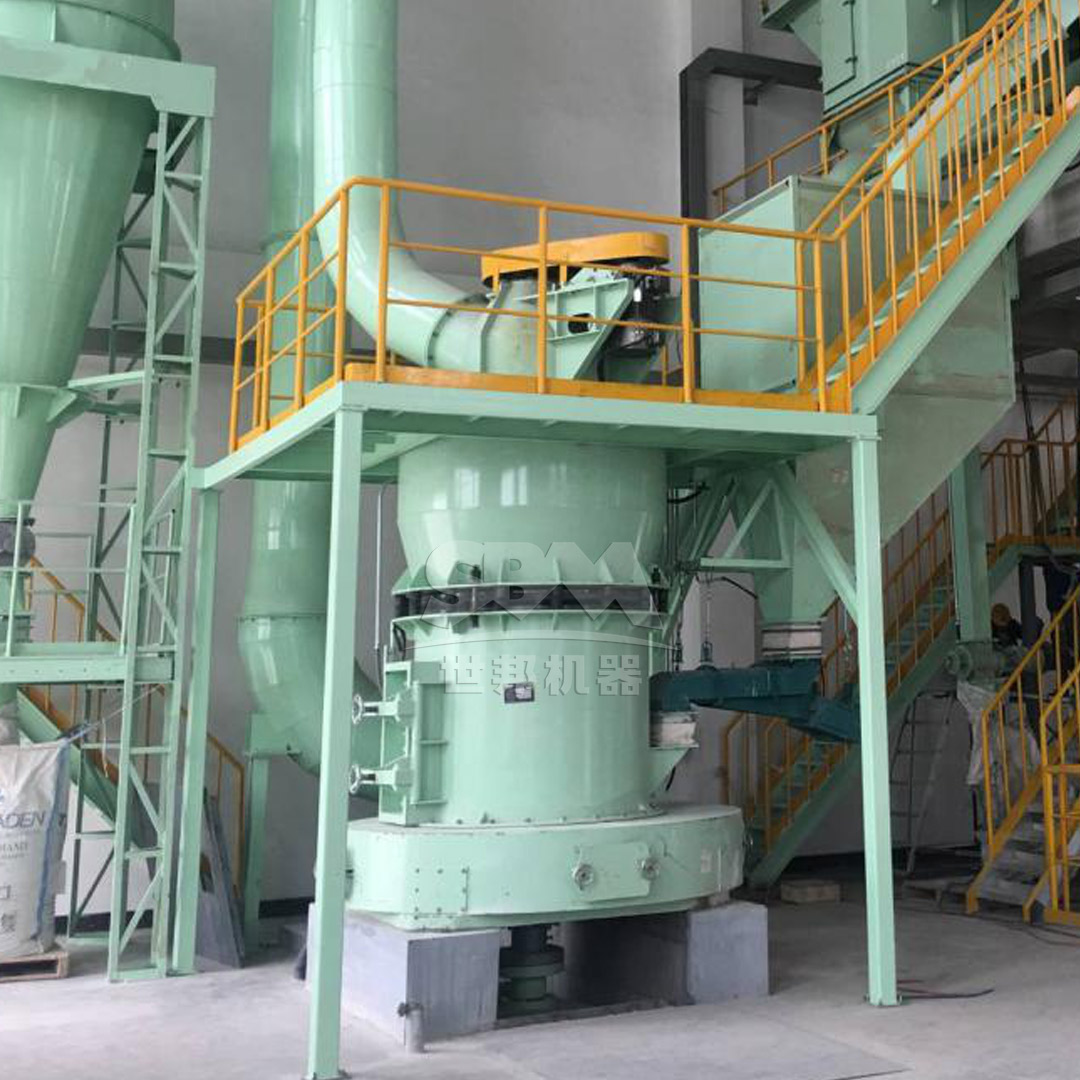
The SCM Series Ultrafine Mill is engineered for producing ultrafine powders in the 325–2500 mesh range, making it an ideal choice for manufacturing high-performance quartz additives. Key features include:
The SCM Series is available in models ranging from SCM800 (0.5–4.5 t/h) to SCM1680 (5.0–25 t/h), with fineness adjustable from 325 to 2500 mesh. For additive manufacturers requiring the finest quartz powders, this mill delivers the precision and reliability needed.
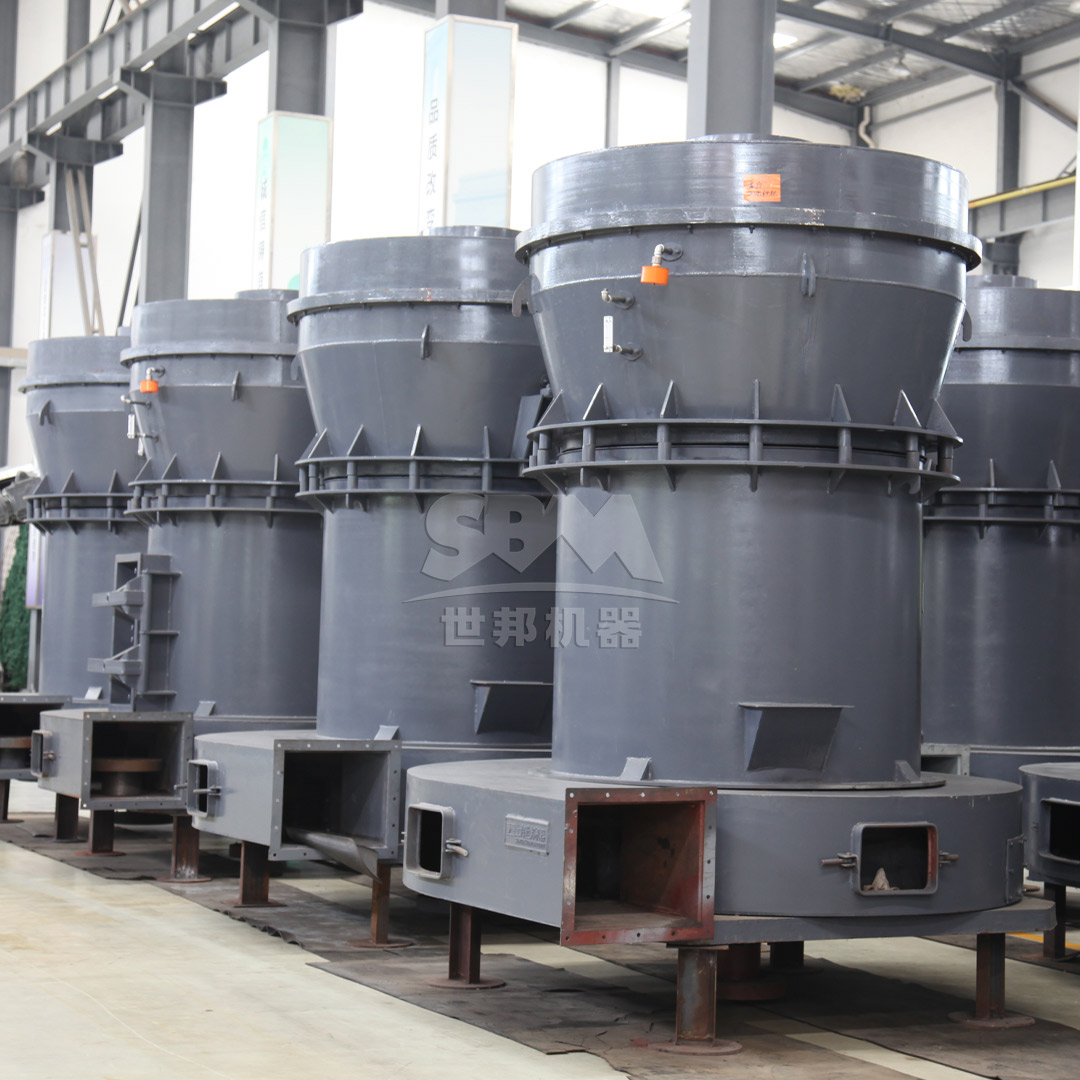
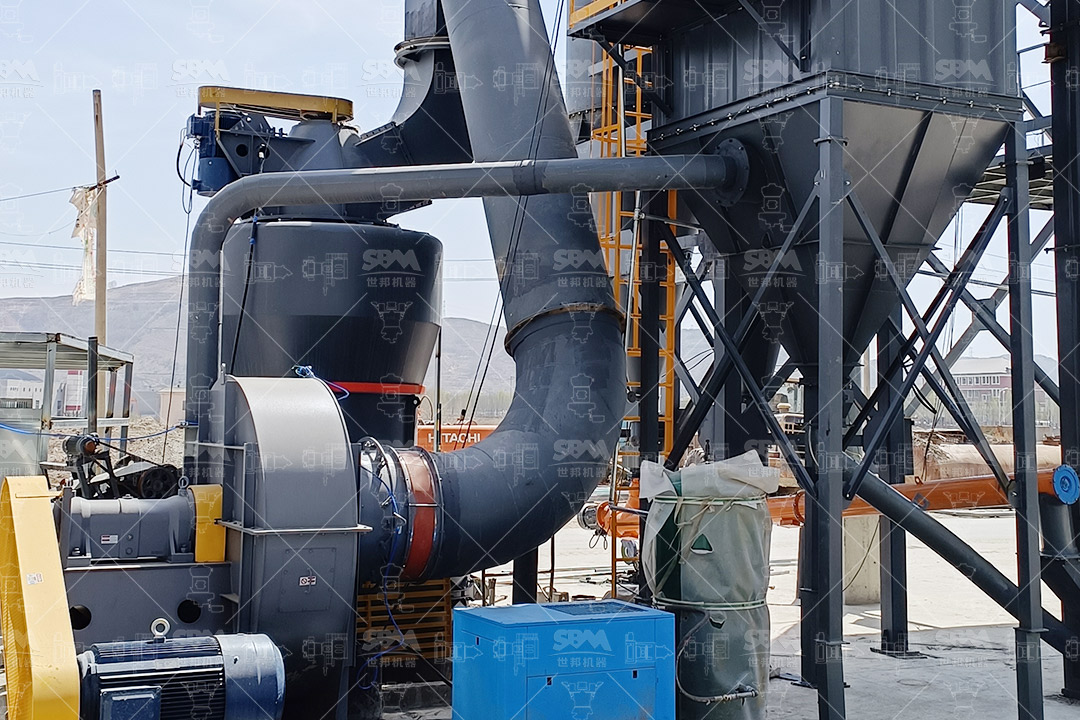
For additive producers seeking a balance between ultrafine capability and high-volume output, the MTW Series European Trapezium Mill offers an excellent solution. With fineness adjustable from 30 to 325 mesh (down to 0.038mm) and capacities ranging from 3 to 45 t/h, this mill is suitable for producing medium-to-fine quartz powders used in acid-resistant concrete formulations.
Notable technical advantages include:
The MTW Series includes models such as MTW110 (3–9 t/h), MTW138Z (6–17 t/h), and MTW215G (15–45 t/h), providing scalability for operations of varying sizes. For acid-resistant concrete additive production where both quality and throughput are priorities, the MTW Series delivers dependable performance.
| Model | Capacity (t/h) | Fineness (mesh) | Main Power (kW) | Application |
|---|---|---|---|---|
| SCM800 | 0.5–4.5 | 325–2500 | 75 | Ultrafine quartz additive |
| SCM1250 | 2.5–14 | 325–2500 | 185 | High-volume ultrafine |
| MTW110 | 3–9 | 30–325 | 55 | Medium-fine quartz |
| MTW215G | 15–45 | 30–325 | 280 | Large-scale production |
Quartz stone processing typically involves crushing, grinding, classification, and collection. For acid-resistant concrete additives, the process must be carefully controlled at each stage:
Our equipment is designed for seamless integration into automated production lines, with intelligent control systems that monitor and adjust parameters in real time. For instance, the SCM Series features automatic finished product granularity feedback, allowing operators to maintain consistent quality with minimal intervention.
The performance of acid-resistant concrete additives is directly linked to the physical characteristics of the quartz powder. Key factors include:
Finer particles provide a greater surface area for filler-matrix interactions, improving density and reducing permeability. However, an excessively broad particle size distribution can lead to packing inefficiencies. Equipment like the SCM Series, with its precise vertical turbine classifier, ensures a narrow particle size distribution, maximizing the additive’s effectiveness.
The grinding method influences particle shape. Our mills produce particles with favorable morphology for concrete additives, enhancing flowability and compaction.
Contamination during processing can introduce impurities that compromise acid resistance. Our equipment’s closed-system designs and efficient dust collection minimize contamination risks.
Batch-to-batch consistency is critical for additive manufacturers supplying concrete producers. Our equipment’s advanced control systems and durable wear parts ensure stable, repeatable results over long production runs.
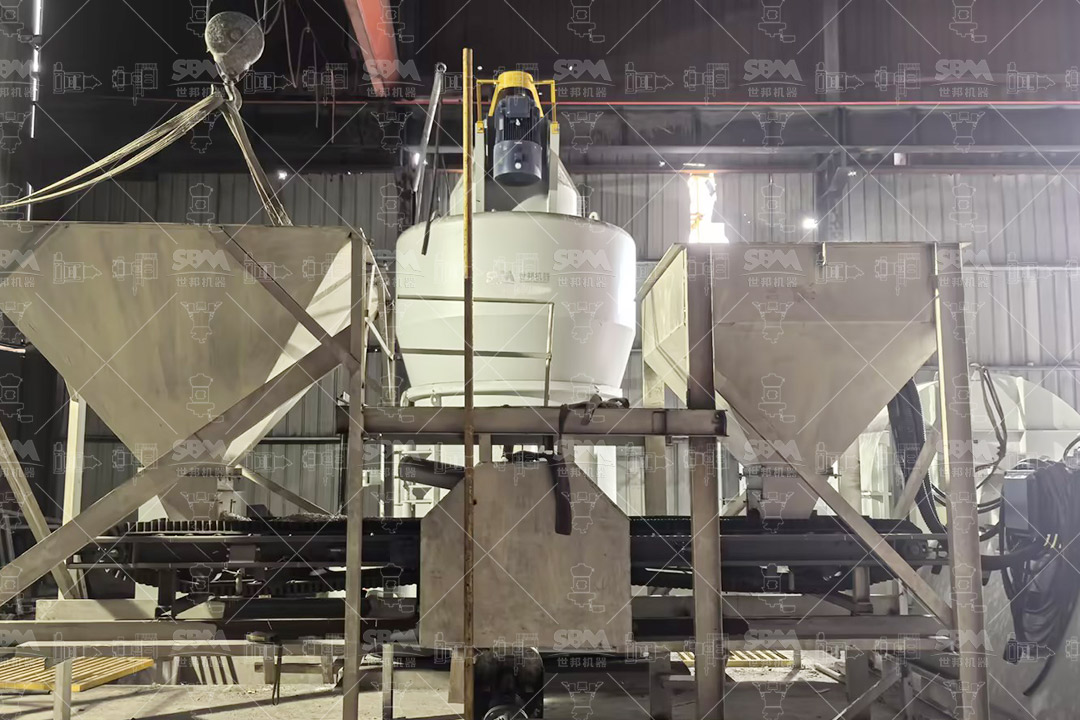
A concrete additive manufacturer recently upgraded its quartz processing line with an SCM1250 Ultrafine Mill to produce 800-mesh quartz powder for acid-resistant concrete formulations. The results were notable:
This case underscores how the right processing equipment can elevate additive performance and create competitive advantages for manufacturers.
Quartz stone processing equipment is the cornerstone of high-performance acid-resistant concrete additives. From achieving ultrafine fineness to ensuring precise particle size distribution, the right milling technology directly influences the additive’s effectiveness in aggressive environments. Our SCM Series Ultrafine Mill and MTW Series European Trapezium Mill offer manufacturers the precision, efficiency, and reliability needed to produce premium quartz additives. By investing in advanced processing equipment, additive producers can meet the growing demand for durable, acid-resistant concrete solutions while optimizing their operational costs. For more information on how our equipment can enhance your quartz processing line, contact our technical team today.