Magnesite (MgCO3) is the primary source of magnesia (MgO), one of the most essential raw materials in the refractory industry. Due to its exceptional thermal stability, high melting point (approximately 2,800°C), and resistance to alkaline environments, magnesia-based refractories are indispensable in steelmaking, cement production, glass manufacturing, and non-ferrous metallurgy. The global demand for high-quality magnesia refractories has been steadily rising, driven by the expansion of high-temperature industrial processes and the need for longer-lasting furnace linings.
However, the journey from raw magnesite ore to high-performance refractory material is far from simple. It involves a series of carefully controlled processing steps—crushing, grinding, calcination, and classification—each of which directly influences the final product’s purity, density, and thermal properties. Among these steps, grinding is arguably the most critical, as it determines the particle size distribution (PSD) of the magnesia powder, which in turn affects the sintering behavior, porosity, and mechanical strength of the finished refractory product.
Choosing the right grinding mill for magnesite processing is therefore not merely a matter of equipment selection—it is a strategic decision that impacts product quality, operational efficiency, energy consumption, and overall production cost. This article provides a comprehensive guide to selecting the appropriate grinding mill for magnesite processing in refractory material production, with a focus on fineness requirements, capacity, energy efficiency, and equipment reliability. We will also highlight two of our most advanced grinding solutions—the SCM Series Ultrafine Mill and the MTW Series European Trapezium Mill—which are particularly well-suited for magnesite processing.
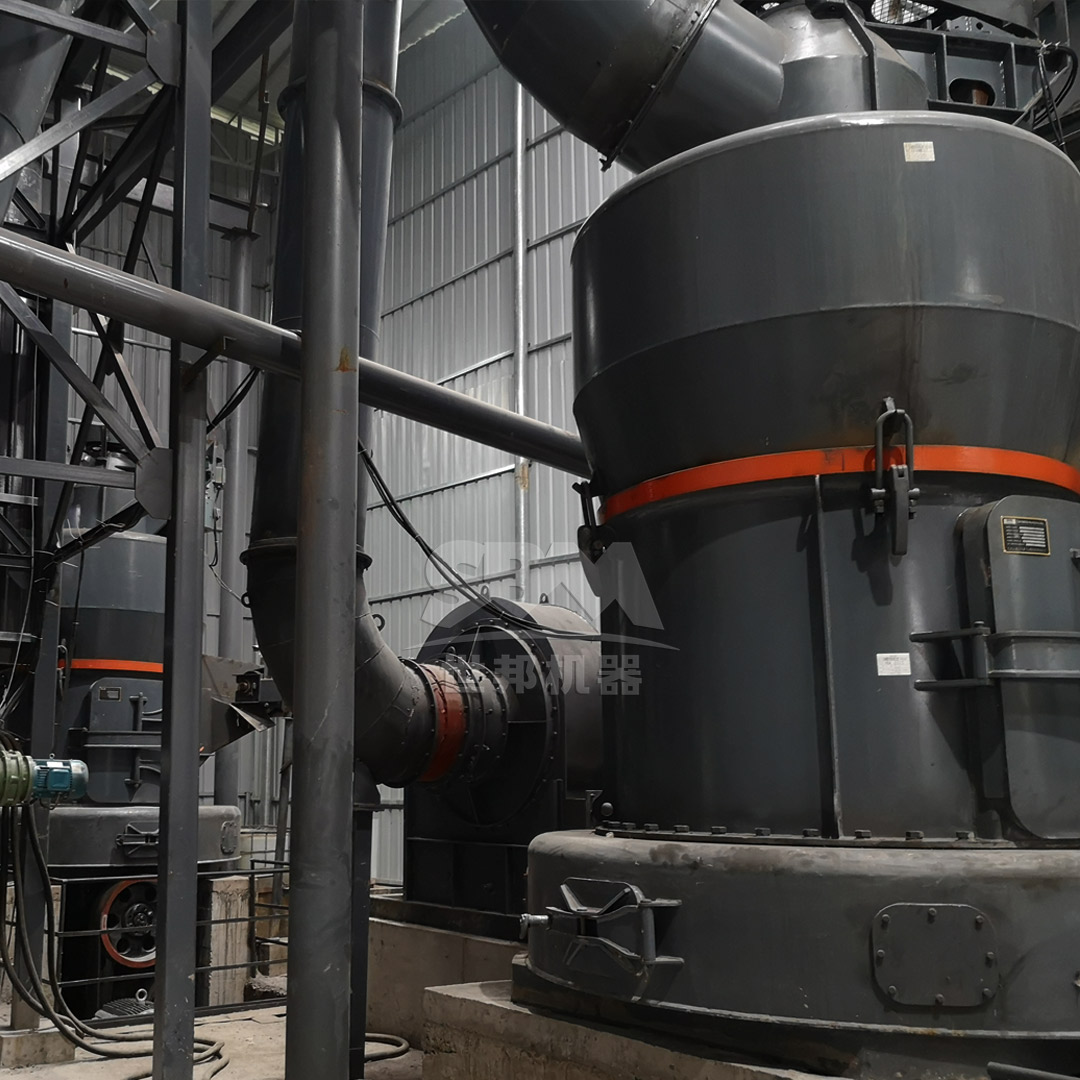
Magnesite ore typically contains impurities such as silica, iron oxide, alumina, and calcium oxide. The quality of the final refractory product depends heavily on the purity of the magnesia and the control of the particle size distribution. After mining, the ore is crushed and then ground to the desired fineness before calcination or fusion.
The grinding process must achieve several objectives:
The required fineness of magnesia powder varies depending on the application:
| Refractory Product | Typical Fineness Requirement | Grinding Mill Type |
|---|---|---|
| Magnesia-carbon bricks | 180–325 mesh (45–80 μm) | MTW series, MTM series |
| Fused magnesia | Coarse grinding, then fusion | Ball mill, LM series |
| Dead-burned magnesia | 200–400 mesh | MTW series, LM series |
| High-purity sintered magnesia | 325–1250 mesh (10–45 μm) | SCM series, LUM series |
| Nanostructured magnesia powders | 1250–2500 mesh (5–10 μm) | SCM series ultrafine mill |
As the table demonstrates, ultrafine grinding is increasingly important for high-performance refractories, particularly for high-purity sintered magnesia and nanostructured powders used in advanced ceramics and specialty refractories.
The most fundamental criterion is whether the mill can achieve the required fineness. Magnesite is a relatively soft mineral (Mohs hardness 3.5–4.5), but its grindability can vary depending on the ore’s origin and impurity content. The mill must be capable of producing a consistent particle size distribution with minimal oversize particles.
For refractories requiring fineness above 325 mesh, an ultrafine mill such as the SCM Series is ideal. For standard refractory grades (30–325 mesh), the MTW Series European Trapezium Mill offers an excellent balance of capacity, efficiency, and precision.
Production capacity must match the overall throughput of the refractory manufacturing line. Magnesite processing plants can range from small-scale operations (a few tons per hour) to large industrial facilities (tens to hundreds of tons per hour). The grinding mill must be selected with the appropriate capacity to avoid bottlenecks.
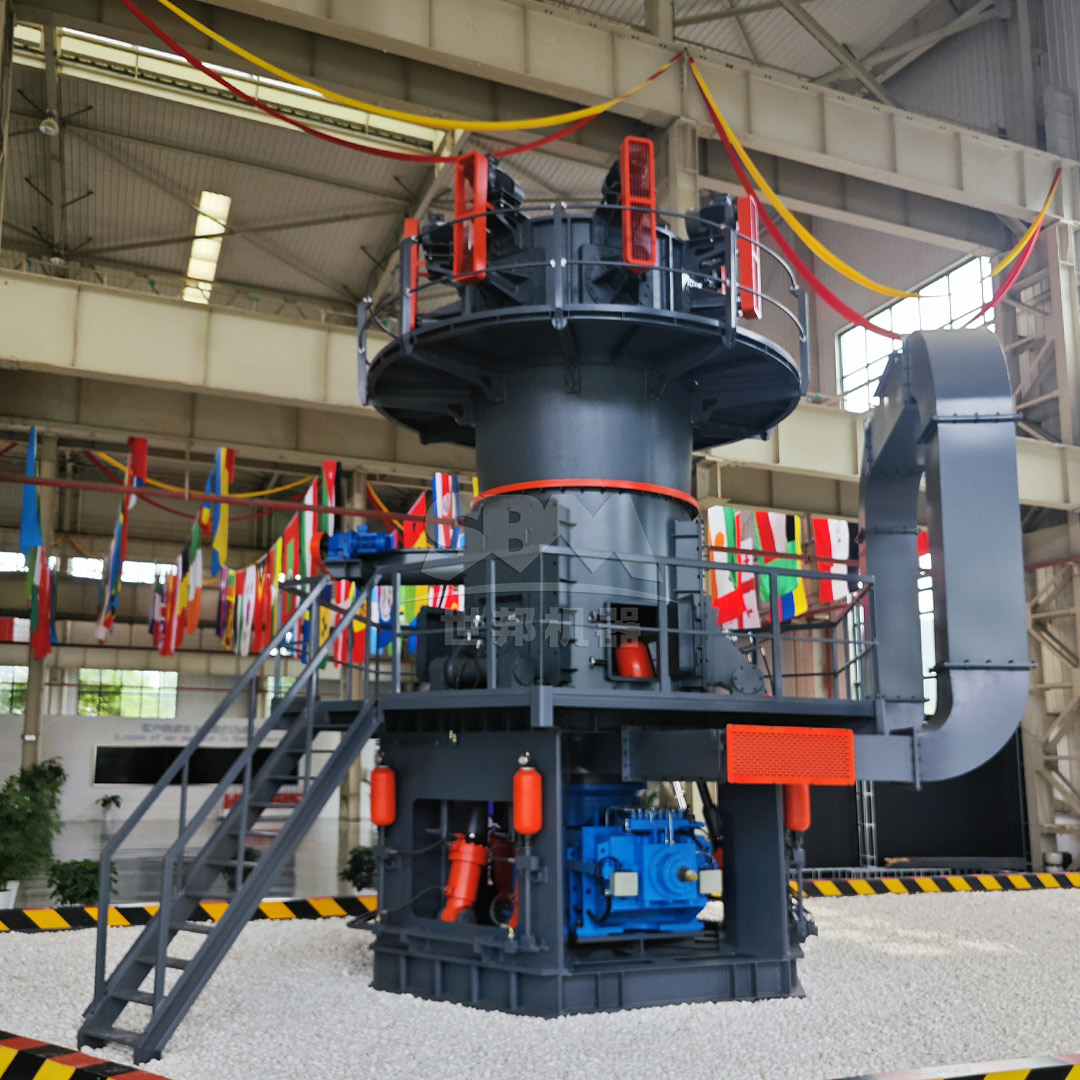
Our LM Series Vertical Roller Mill, for example, can handle capacities up to 250 tons per hour, making it suitable for large-scale magnesia production. For medium-capacity plants, the MTW Series offers models ranging from 3 to 45 tons per hour.
Grinding is one of the most energy-intensive operations in mineral processing. The energy consumption of the mill directly affects the production cost per ton of magnesia powder. Modern mills, such as the SCM and MTW series, are designed with advanced aerodynamics and grinding mechanisms that reduce energy consumption by 30–40% compared to traditional ball mills.
Additionally, wear parts consumption is a significant cost factor. Magnesite is abrasive, and the grinding rollers and rings must be made from wear-resistant materials. Our mills feature specially engineered rollers and rings that extend service life several times over, reducing maintenance downtime and spare parts costs.
Refractory material production is subject to stringent environmental regulations. The grinding mill must be equipped with an efficient dust collection system to minimize emissions. Pulse dust collectors, such as those integrated into our SCM and MTW mills, achieve dust collection efficiency exceeding international standards, ensuring a clean and safe working environment.
Noise reduction is another important consideration. Our mills are designed with soundproof enclosures and damping systems to keep noise levels well below regulatory limits.
Modern grinding mills are increasingly automated to improve consistency and reduce labor costs. Intelligent control systems can automatically adjust grinding parameters based on real-time feedback, ensuring stable product quality and optimal energy usage. Our SCM Series features automatic finished product granularity feedback, while the LM Series offers an expert-level auto-control system with remote monitoring capabilities.
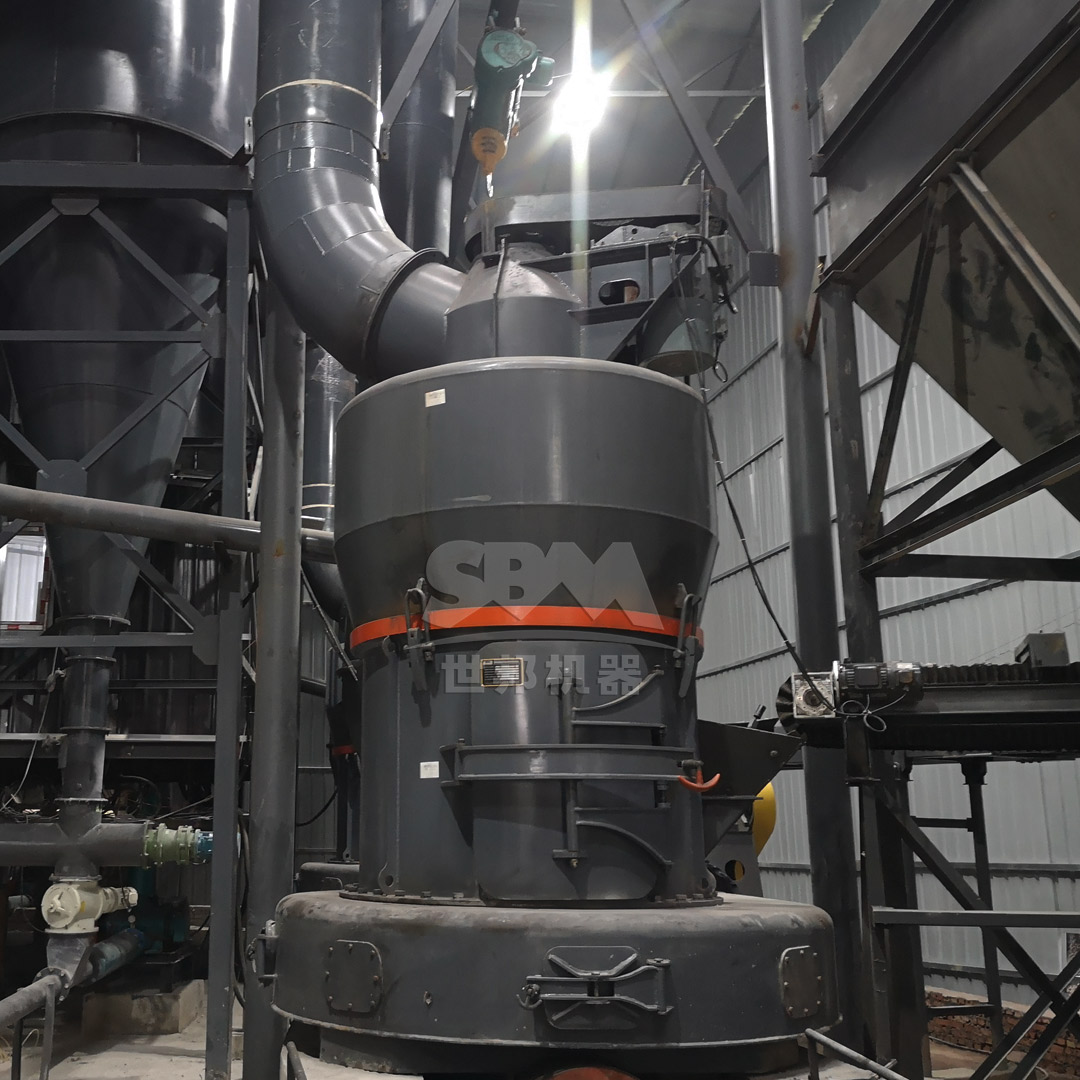
When producing high-purity sintered magnesia or nanostructured powders for advanced refractories, fineness requirements can reach 1250 mesh or even 2500 mesh. The SCM Series Ultrafine Mill is specifically designed for this purpose.
Core Parameters:
Technical Advantages:
Working Principle: The main motor drives three layers of grinding rings to rotate. Materials are dispersed into the grinding path by centrifugal force, crushed by roller pressure, and ground layer by layer. Finally, powder collection is completed by a cyclone collector and a pulse dust removal system.
Recommended Models for Magnesite:
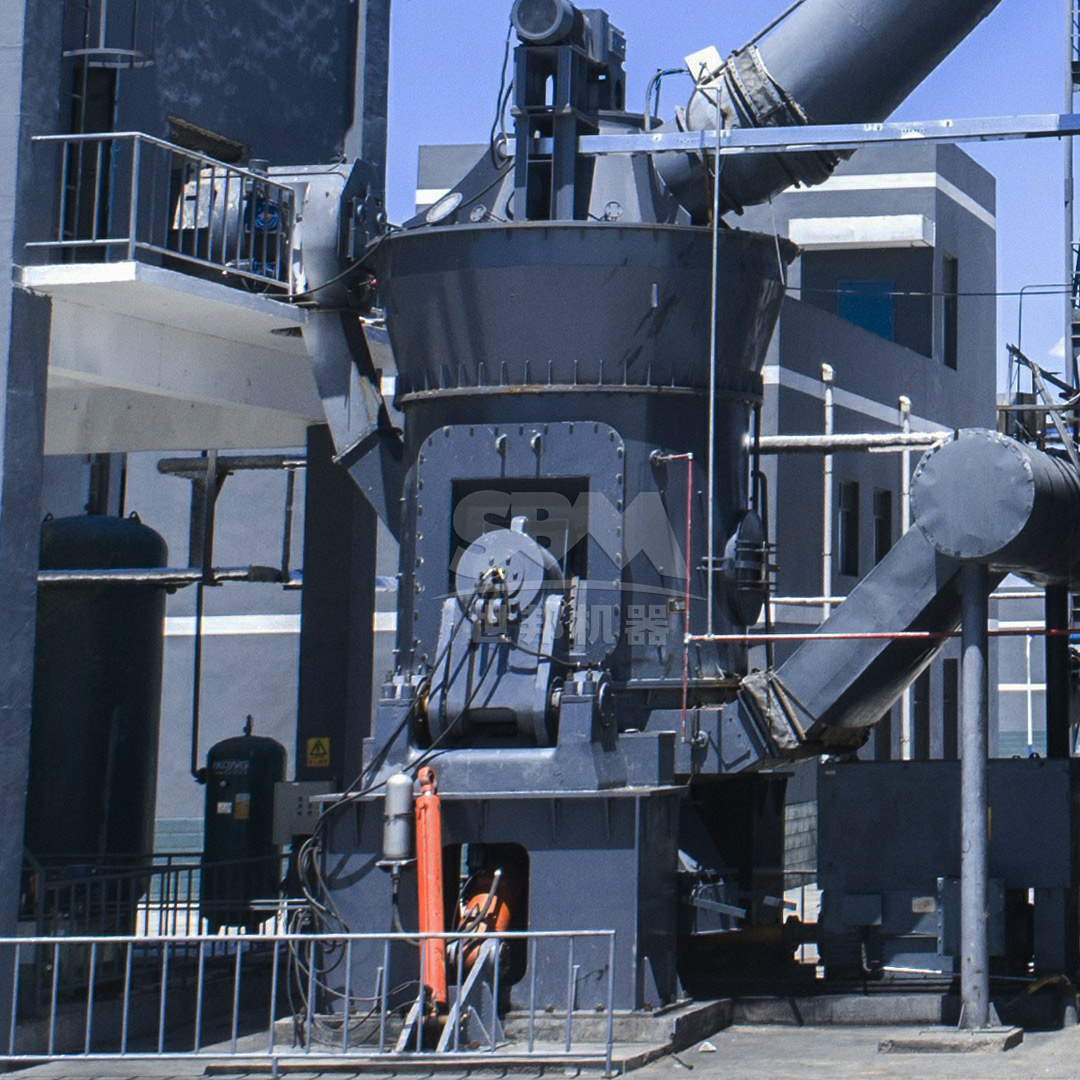
For refractory products requiring fineness in the range of 30–325 mesh, the MTW Series European Trapezium Mill is an excellent choice. It combines high capacity with precise classification and low operating costs.
Core Parameters:
Technical Advantages:
Working Principle: The main motor drives the grinding rollers to revolve around the central axis while self-rotating to generate centrifugal force. Shovels throw materials between the ring and rollers to form a material layer, achieving efficient crushing through extrusion. The classification system precisely controls the finished product size.
Recommended Models for Magnesite:
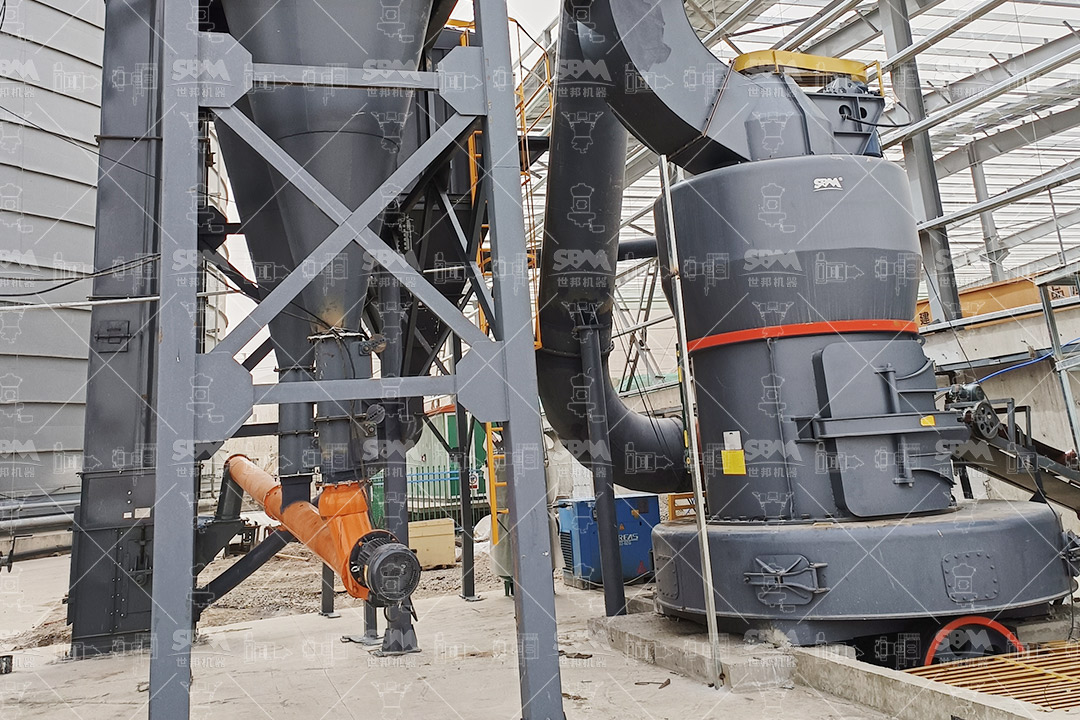
| Mill Type | Fineness Range | Capacity Range | Best For |
|---|---|---|---|
| SCM Ultrafine Mill | 325–2500 mesh | 0.5–25 t/h | High-purity sintered magnesia, nanostructured powders |
| MTW European Trapezium Mill | 30–325 mesh | 3–45 t/h | Standard refractory grades, dead-burned magnesia |
| LM Vertical Roller Mill | 30–325 mesh (up to 600 mesh) | 3–250 t/h | Large-scale magnesia production |
| MTM Medium-speed Trapezium Mill | 45–325 mesh | 3–22 t/h | Medium-scale plants, magnesia-carbon bricks |
| Ball Mill | 0.074–0.8 mm | 0.65–450 t/h | Coarse grinding, fused magnesia preparation |
Selecting the right grinding mill for magnesite processing is a multifaceted decision that must consider fineness requirements, production capacity, energy efficiency, environmental compliance, and long-term operational costs. For refractory material manufacturers, the choice of mill directly impacts product quality, consistency, and profitability.
For high-purity and ultrafine magnesia applications, the SCM Series Ultrafine Mill offers unmatched precision and efficiency, with the ability to produce powders down to 5 μm. For standard refractory grades, the MTW Series European Trapezium Mill provides an optimal balance of capacity, fineness control, and low maintenance costs.
We recommend conducting a thorough assessment of your raw material characteristics, target product specifications, and production scale before making a final decision. Our engineering team is available to provide customized recommendations and technical support to ensure you select the most suitable grinding solution for your magnesite processing needs.
With the right grinding mill, you can achieve consistent product quality, reduce energy consumption, and maintain a competitive edge in the refractory materials market. Invest wisely—your grinding circuit is the heart of your magnesia production line.