Calcite, a crystalline form of calcium carbonate (CaCO3), is one of the most abundant minerals on Earth and a critical raw material in cement manufacturing. In cement production, calcite serves multiple purposes: it acts as a filler material, contributes to clinker formation, and influences the setting time and strength development of the final product. As the cement industry continues to evolve toward higher efficiency, lower energy consumption, and stricter environmental compliance, the selection of appropriate calcite processing equipment—particularly grinding mills—has become a strategic decision that directly impacts operational costs, product quality, and profitability.
This article provides a comprehensive guide to choosing the right grinding mill for calcite processing in cement production, covering the key factors that influence equipment selection and highlighting two of our most advanced solutions: the SCM Series Ultrafine Mill and the LM Series Vertical Roller Mill.
The fineness of ground calcite is a primary determinant of its performance in cement. Different cement formulations and applications require different particle size distributions:
Cement plants vary enormously in scale—from small modular plants producing under 100 tons per day to massive integrated facilities exceeding 10,000 tons per day. The grinding mill must be matched to the plant’s throughput requirements. Undersized equipment leads to bottlenecks, while oversized equipment wastes capital and energy.
Calcite varies in hardness (Mohs 3), moisture content, and purity depending on the deposit. These characteristics influence the choice of grinding technology, wear material selection, and auxiliary equipment such as dryers and classifiers.
Grinding is one of the most energy-intensive processes in cement production. The selected mill should minimize specific energy consumption (kWh per ton of product) while maximizing availability and minimizing maintenance downtime.
Modern cement plants must comply with stringent dust emission and noise regulations. The grinding system should incorporate effective dust collection and noise reduction measures.
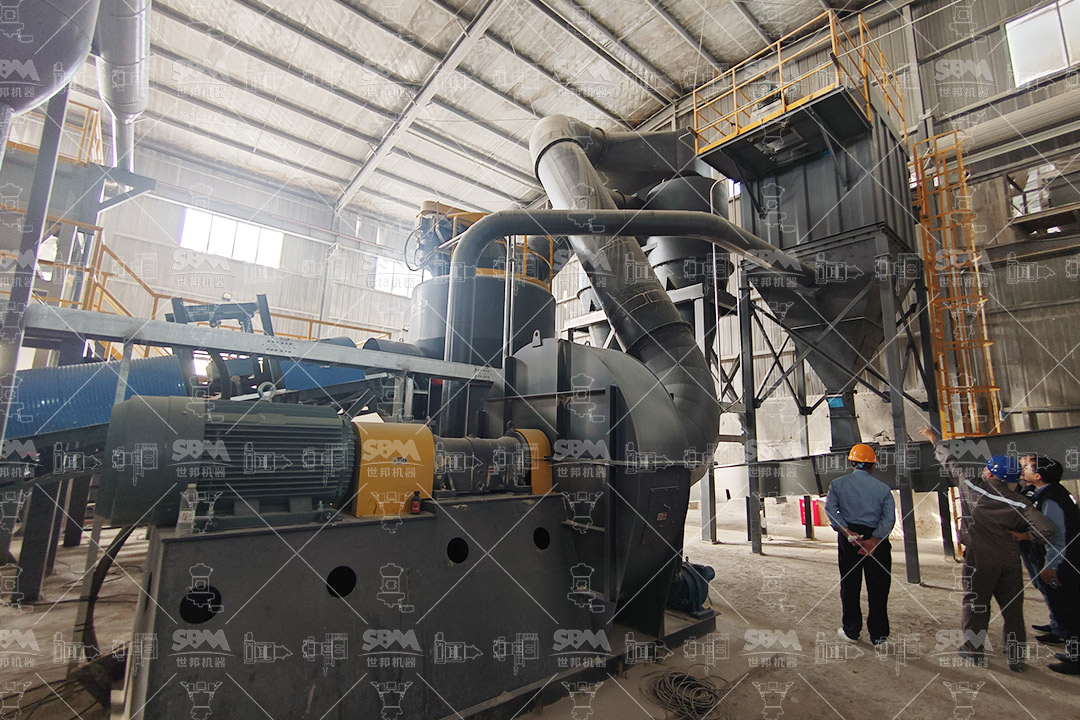
Ball mills are traditional workhorses in the cement industry, capable of grinding calcite to fineness levels between 0.074 mm and 0.8 mm. They offer high crushing ratios (up to 300:1) and can handle large capacities—up to 450 tons per hour in large models. However, ball mills are energy-intensive and less efficient for ultrafine grinding. They are best suited for raw meal preparation and applications where a relatively coarse product is acceptable.
Raymond mills, also known as pendulum mills, are widely used for grinding calcite to fineness levels between 30 and 325 mesh. They are relatively simple, reliable, and cost-effective for medium-fine grinding. Our MRN Pendulum Mill, for example, offers capacities from 2.7 to 83 TPH and features thin oil lubrication, efficient collectors, and pulse dust collectors for eco-friendly operation.
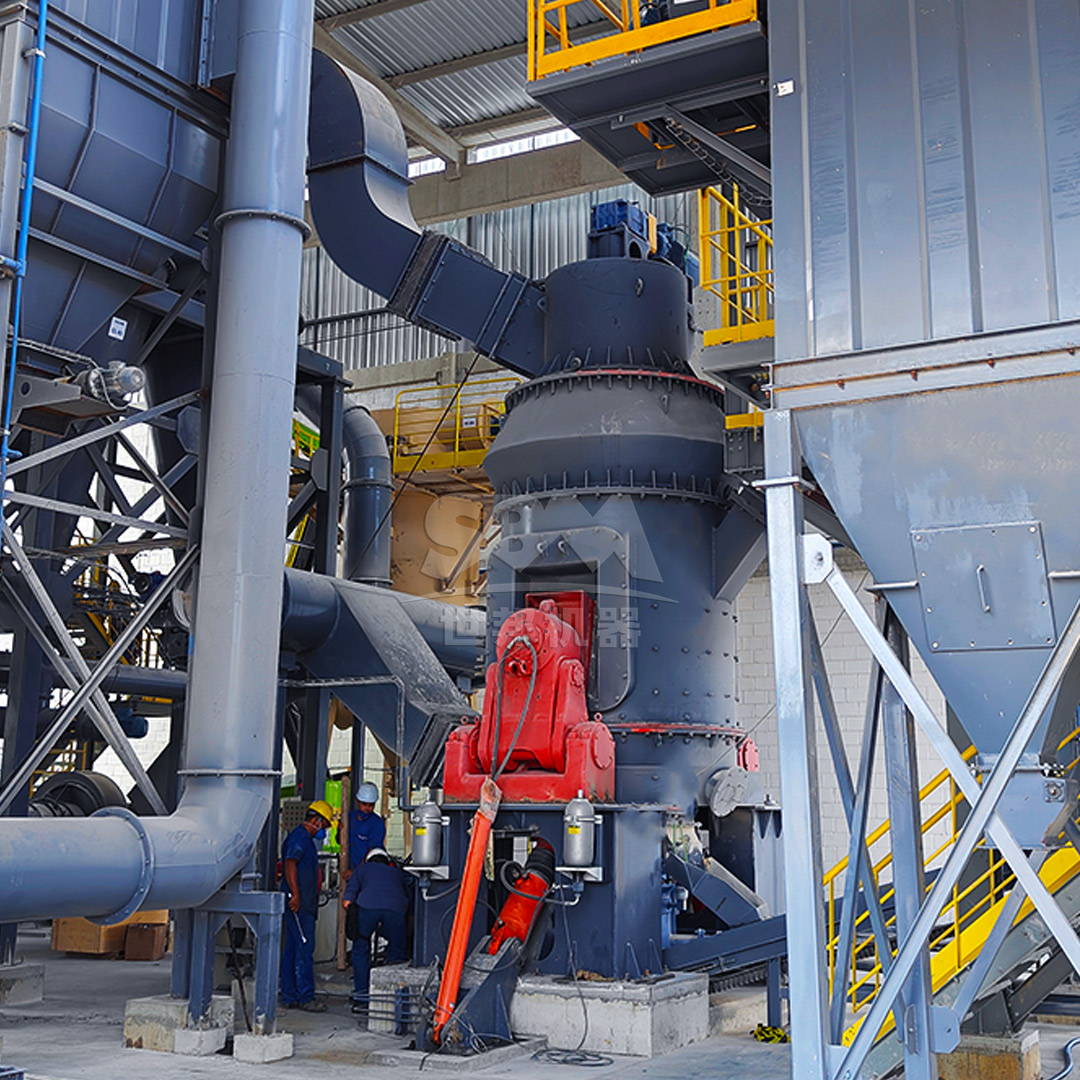
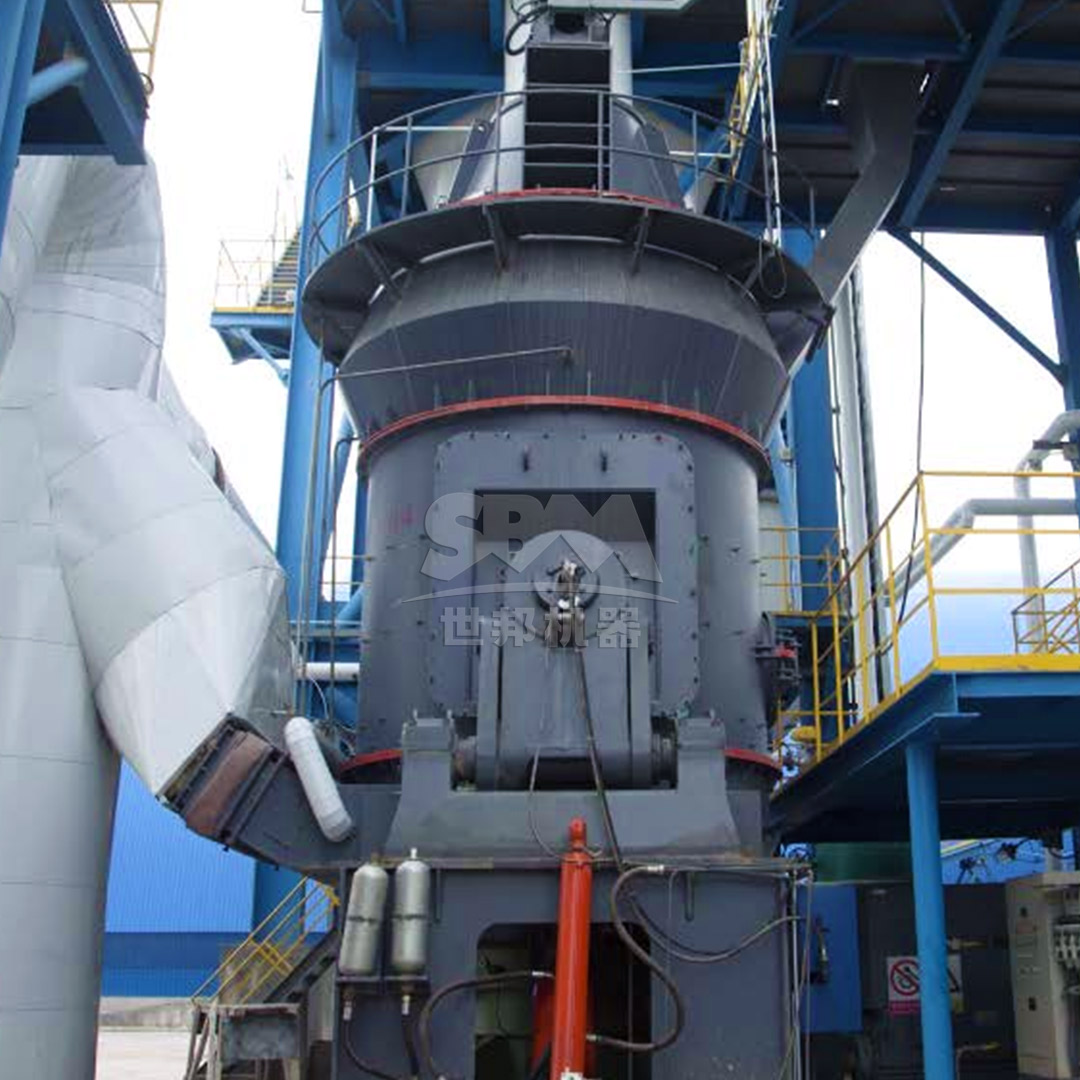
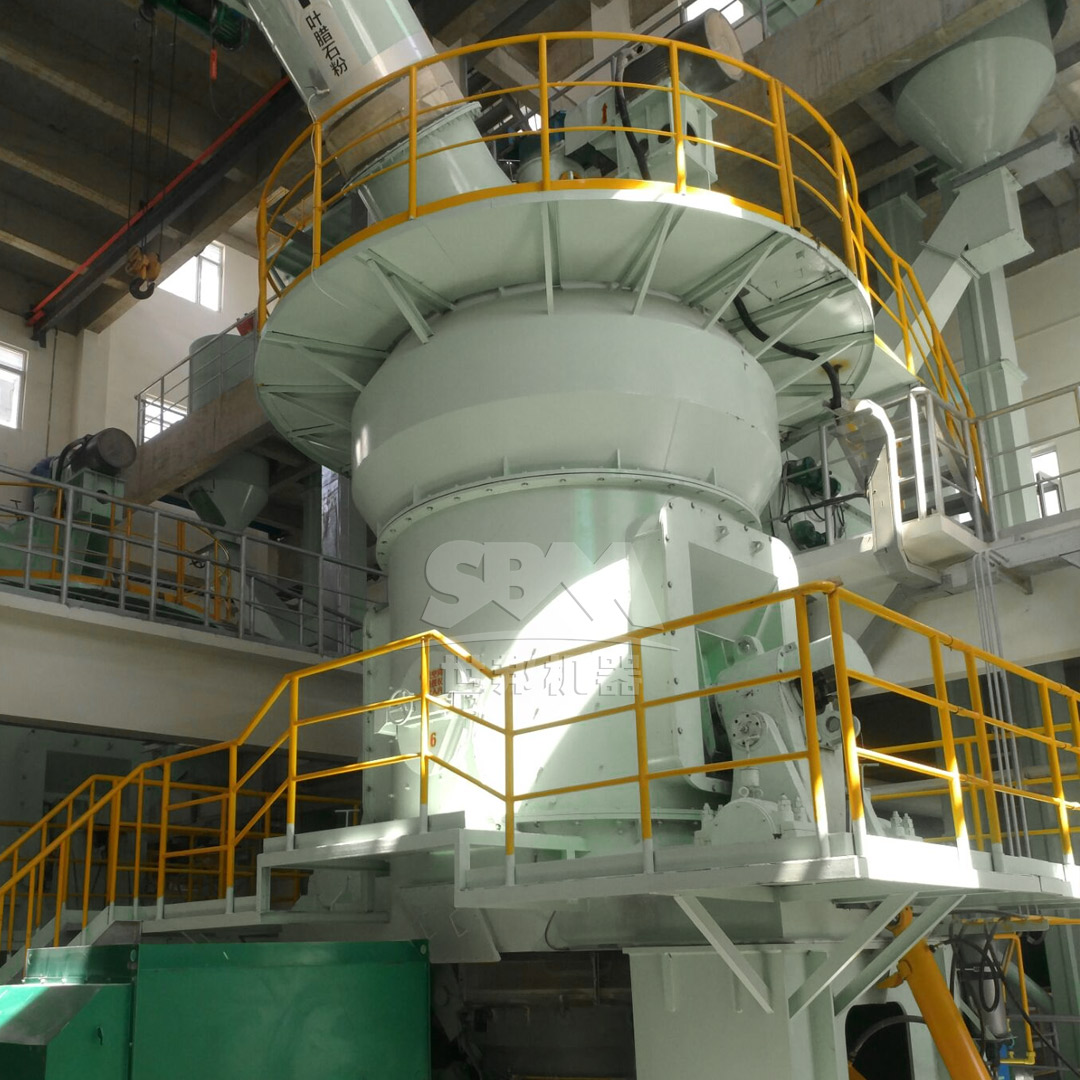
Vertical roller mills (VRMs) have become increasingly popular in cement production due to their high energy efficiency, compact footprint, and ability to handle large capacities. They are suitable for grinding calcite to fineness levels between 30 and 325 mesh (and up to 600 mesh in special models). Our LM Series Vertical Roller Mill is a prime example, offering capacities from 3 to 250 tons per hour and featuring integrated crushing, grinding, and classification.
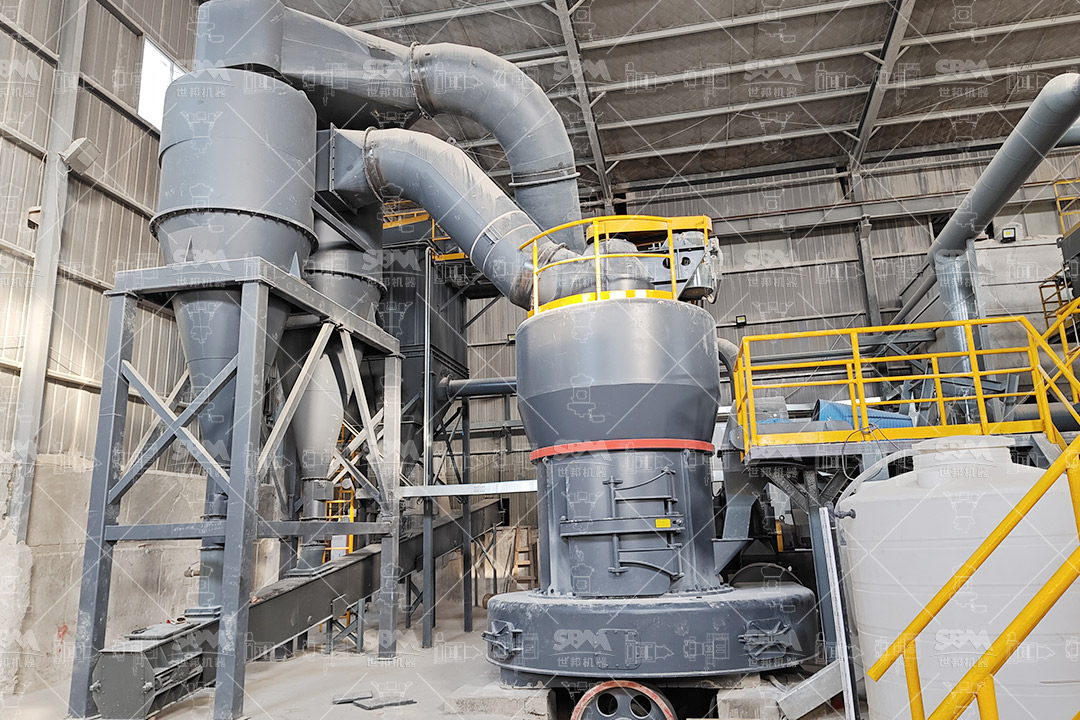
For applications requiring ultrafine calcite powder (325–2500 mesh), ultrafine mills such as the SCM Series are the ideal choice. These mills use high-speed rotation and advanced classification to achieve precise particle size control, making them suitable for specialty cement and high-performance concrete applications.
Determine the required fineness of the ground calcite. If the target is 325 mesh or coarser, a vertical roller mill or pendulum mill may be sufficient. For finer products, an ultrafine mill is necessary.
Consider not only current production needs but also future expansion. Modular equipment that can be scaled up or duplicated is often preferable to a single large unit that may become a bottleneck.
Compare specific energy consumption (kWh/t) across different mill types. Vertical roller mills and ultrafine mills generally offer better energy efficiency than ball mills for fine grinding.
Grinding calcite causes wear on rollers, rings, and liners. Choose equipment with wear-resistant materials and designs that facilitate quick maintenance. For example, the SCM Series features special material rollers and rings that extend service life several times over.
Ensure the mill system includes effective dust collection (e.g., pulse dust collectors) and noise reduction (e.g., soundproof enclosures). Our SCM Series and LM Series both incorporate advanced environmental features.
Modern grinding mills should offer intelligent control systems for automatic adjustment of parameters, remote monitoring, and predictive maintenance. The LM Series, for instance, features an expert-level auto-control system supporting remote/local switching.
When ultrafine calcite powder is required—whether for high-performance concrete, specialty cement, or as a functional filler—the SCM Series Ultrafine Mill is an outstanding choice. With a fineness range of 325–2500 mesh and capacities from 0.5 to 25 tons per hour, it delivers the precision and throughput needed for demanding applications.
Key advantages include:
With models ranging from SCM800 (0.5–4.5 t/h) to SCM1680 (5.0–25 t/h), there is a configuration suitable for virtually any cement plant scale.
For large-scale cement production where energy efficiency and throughput are paramount, the LM Series Vertical Roller Mill is the ideal solution. It integrates crushing, grinding, and classification into a single compact unit, reducing floor space by up to 50% and infrastructure costs by 40%.
Key advantages include:
With capacities from 3 to 250 tons per hour, the LM Series can be tailored to meet the exact needs of your cement production line.
| Feature | SCM Series Ultrafine Mill | LM Series Vertical Roller Mill |
|---|---|---|
| Fineness Range | 325–2500 mesh | 30–325 mesh (up to 600 mesh for special models) |
| Capacity Range | 0.5–25 t/h | 3–250 t/h |
| Energy Consumption | 30% lower than jet mills | 30–40% lower than ball mills |
| Footprint | Compact | Very compact (integrated design) |
| Best Application | Ultrafine specialty cement, high-performance concrete | Large-scale cement raw meal, slag, coal grinding |
Selecting the right grinding mill for calcite processing in cement production requires a careful balance of fineness requirements, capacity needs, energy efficiency, environmental compliance, and capital and operating costs. For ultrafine applications, the SCM Series Ultrafine Mill offers unmatched precision and efficiency. For large-scale, energy-efficient grinding, the LM Series Vertical Roller Mill is the proven industry leader.
We invite you to consult with our technical experts to determine the optimal configuration for your specific calcite processing needs. With decades of experience in grinding technology and a commitment to innovation, we are dedicated to helping you achieve maximum productivity and profitability in your cement operations.