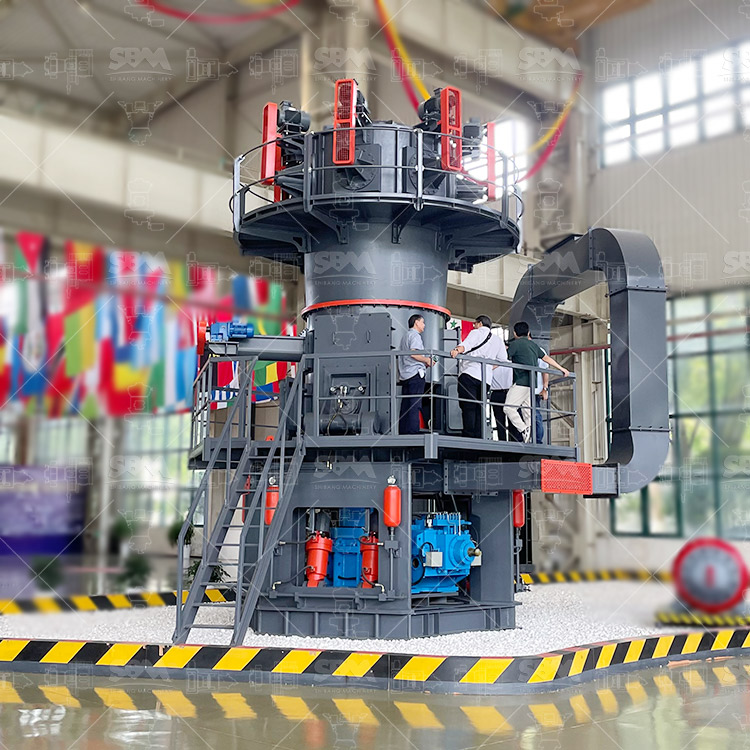
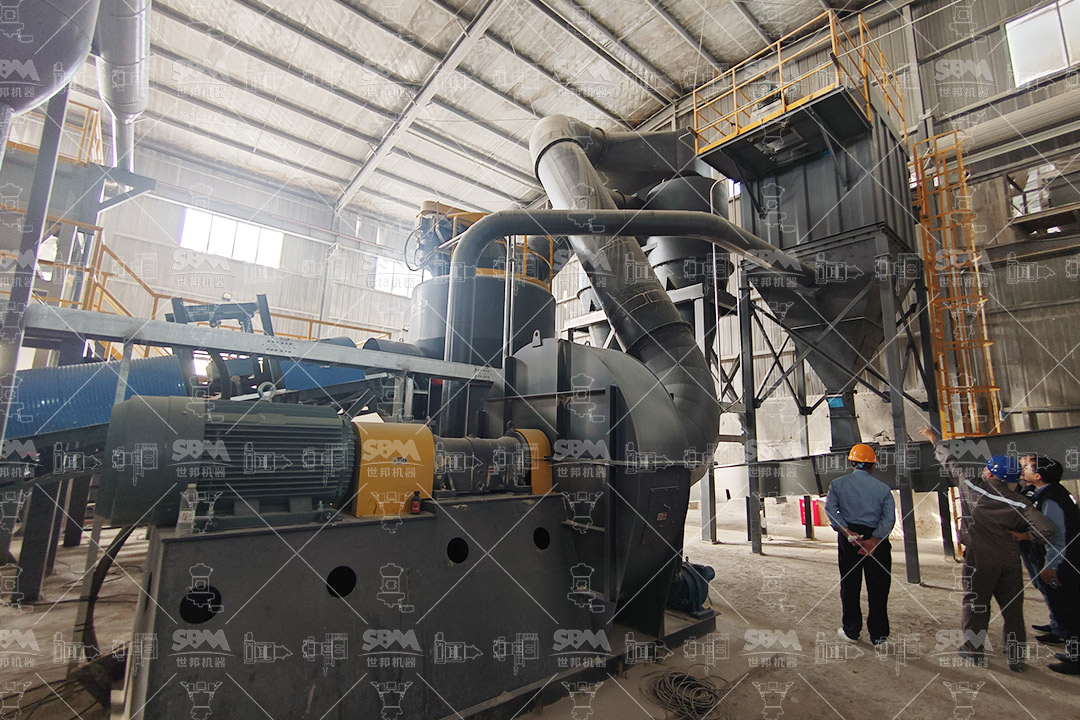
Calcite, a naturally occurring calcium carbonate mineral, is an indispensable component in metallurgical flux formulations. In steelmaking and other pyrometallurgical processes, calcite serves as a fluxing agent that helps remove impurities, control slag viscosity, and improve the efficiency of smelting operations. The demand for finely ground calcite with consistent particle size distribution has grown significantly as metallurgical industries pursue higher productivity and lower energy consumption.
Selecting the appropriate grinding mill for calcite processing is therefore a critical decision. The right equipment directly impacts product quality, operational costs, and overall project profitability. This article provides a professional guide to choosing the ideal grinding mill for calcite used in metallurgical flux applications, covering key selection criteria and recommending specific equipment solutions.
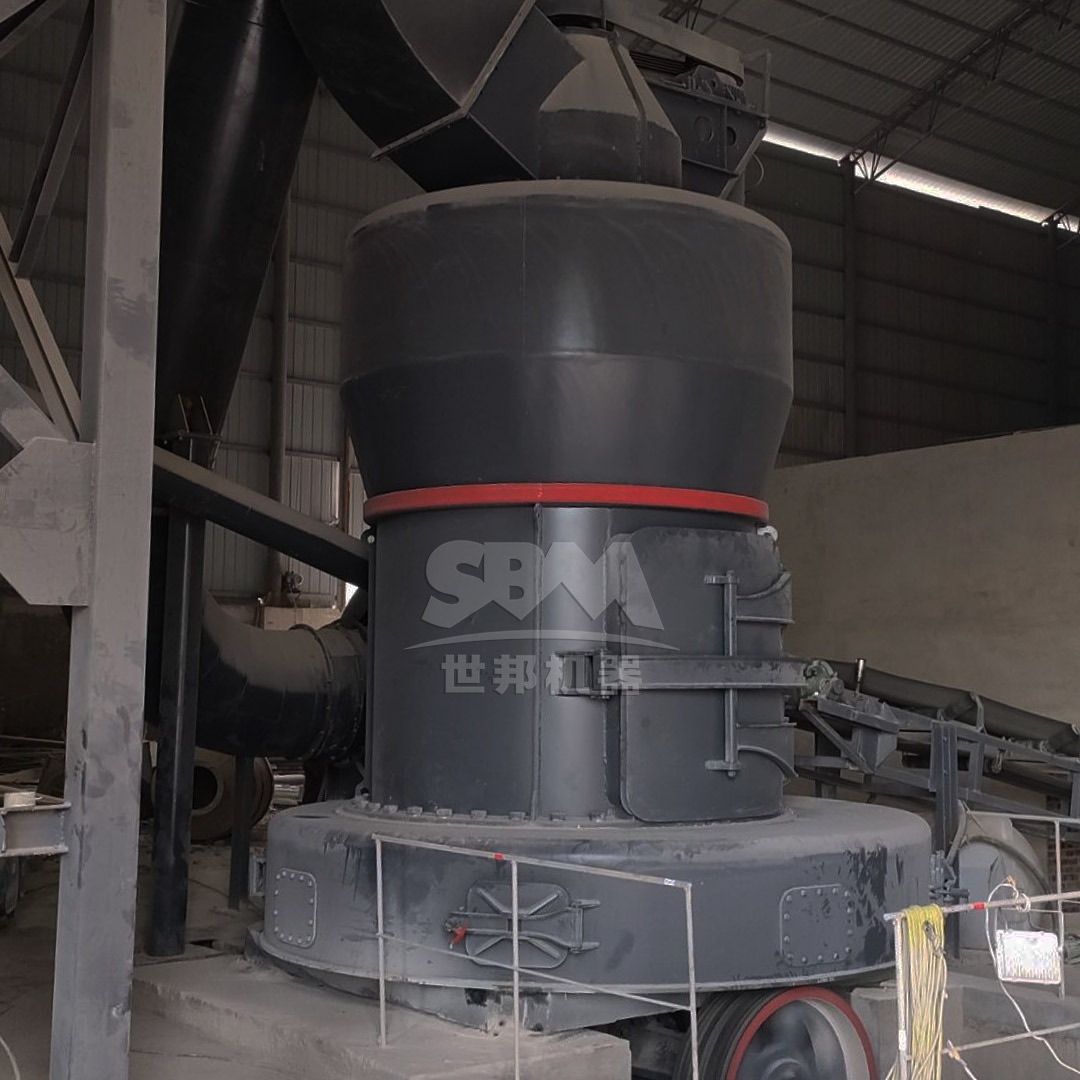
Metallurgical flux applications typically require calcite powder in the range of 80 to 325 mesh, although some advanced processes demand ultrafine grades down to 1250 mesh or finer. The target fineness dictates the type of mill: pendulum mills for coarse to medium fine, trapezium mills for medium fine, and ultrafine mills for fine and ultrafine products.
Capacity requirements vary from small-scale operations (a few tons per hour) to large industrial plants (hundreds of tons per hour). Matching mill capacity to the overall production line is essential to avoid bottlenecks and energy waste.
Grinding is an energy-intensive process. Mills with high grinding efficiency, low power consumption per ton, and reduced wear part consumption offer significant long-term savings. Advanced designs such as vertical roller mills and European trapezium mills can reduce energy consumption by 30–40% compared to traditional ball mills.
Calcite hardness (Mohs 3) is relatively low, but abrasive impurities may be present. The mill’s wear-resistant materials, such as special alloy rollers and rings, should be selected to ensure long service life and consistent product quality.
Modern grinding plants must meet strict dust emission and noise regulations. Equipment with integrated pulse dust collection, negative pressure operation, and soundproof enclosures is preferred.
Capital cost, installation complexity, and ease of maintenance are important. Modular designs, hydraulic adjustment systems, and remote monitoring capabilities reduce downtime and lower maintenance expenses.
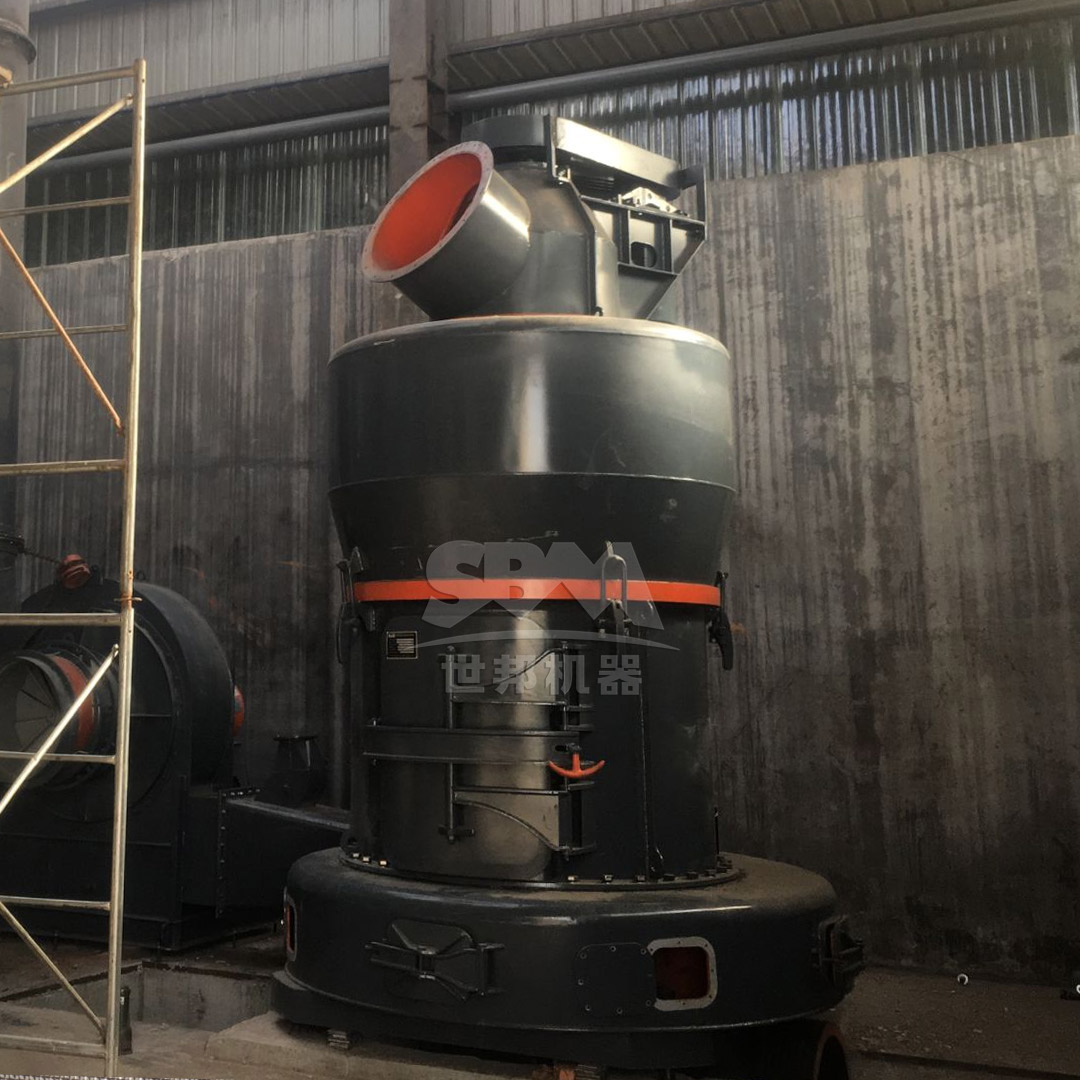
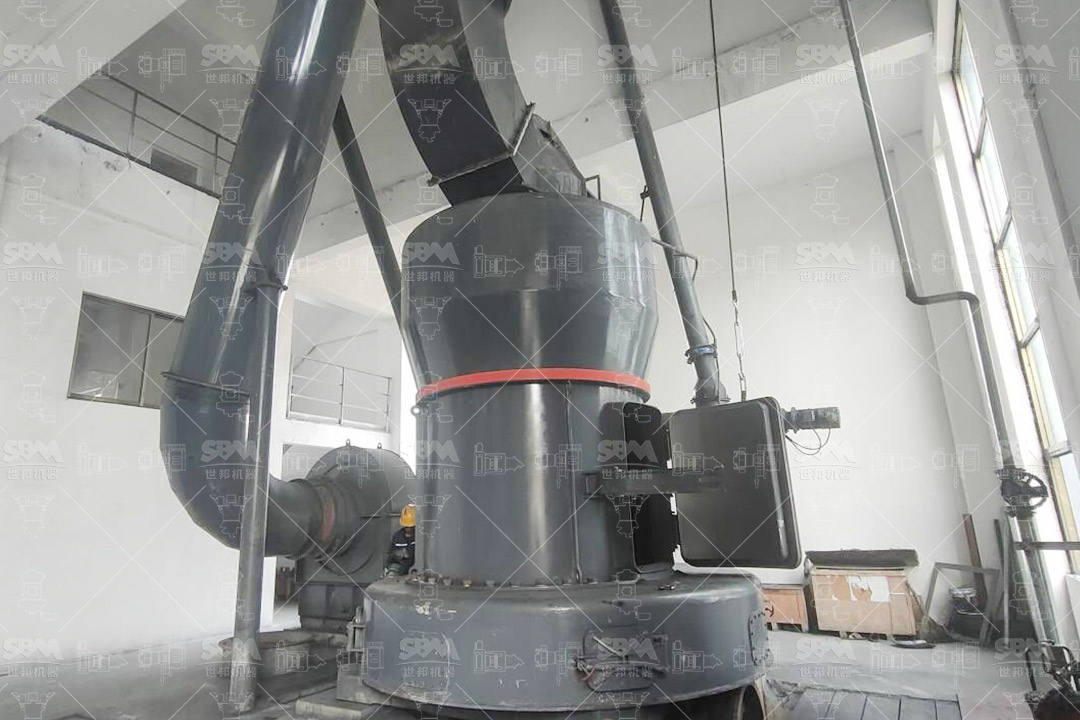
Based on the specific requirements of calcite grinding for metallurgical flux, we recommend two outstanding products from our portfolio: the MTW Series European Trapezium Mill and the SCM Series Ultrafine Mill. Both are engineered to deliver high efficiency, precise classification, and reliable operation.
The MTW Series is ideal for producing medium to fine calcite powder (30–325 mesh) at high capacity. Its innovative design features:
With models ranging from MTW110 (3–9 t/h) to MTW215G (15–45 t/h), the MTW Series can satisfy small to large-scale metallurgical flux production. The mill operates with a main motor driving grinding rollers that revolve around the central axis while self-rotating, generating centrifugal force that throws material between the ring and rollers for efficient crushing. The classification system ensures precise control of finished product size.
For a typical metallurgical flux plant requiring 10–20 t/h of calcite powder at 200 mesh, the MTW138Z or MTW175G model would be an excellent choice.
When ultrafine calcite powder is needed for specialty flux formulations, the SCM Series Ultrafine Mill is the preferred solution. It produces fineness from 325 to 2500 mesh with capacities from 0.5 to 25 t/h. Key advantages include:
The SCM Series employs a main motor that drives three layers of grinding rings to rotate. Materials are dispersed into the grinding path by centrifugal force, crushed by roller pressure, and ground layer by layer. A cyclone collector and pulse dust removal system complete powder collection. The SCM800 model, with 0.5–4.5 t/h capacity, is ideal for pilot or small-scale operations, while the SCM1680 (5–25 t/h) suits large industrial demands.
| Model | Type | Capacity (t/h) | Fineness (mesh) | Main Power (kW) |
|---|---|---|---|---|
| MTW138Z | Trapezium Mill | 6–17 | 10–325 | 90 |
| MTW175G | Trapezium Mill | 9.5–25 | 10–325 | 160 |
| SCM800 | Ultrafine Mill | 0.5–4.5 | 325–2500 | 75 |
| SCM1250 | Ultrafine Mill | 2.5–14 | 325–2500 | 185 |
While MTW and SCM mills are highly recommended, other mills in our product line can also be considered depending on specific needs:
For very large-scale operations (up to 250 t/h), the LM Series offers integrated crushing, grinding, and classification with low operating costs and compact footprint. It is suitable for both medium-fine and ultrafine grinding.
This mill is a cost-effective option for medium-fine calcite powder (45–325 mesh) with capacities up to 22 t/h. Its intelligent pressure regulation and damping system ensure stable operation.
Ball mills are versatile and can handle various materials, but they are less energy-efficient for fine grinding. They are better suited for coarse grinding or when a large capacity is required with less stringent fineness requirements.
Choosing the right grinding mill for calcite processing in metallurgical flux production requires a careful assessment of fineness, capacity, energy efficiency, and environmental compliance. The MTW Series European Trapezium Mill and SCM Series Ultrafine Mill stand out as excellent solutions for medium-fine and ultrafine applications, respectively. Both incorporate advanced technologies that reduce operating costs, improve product quality, and meet modern environmental standards.
For further assistance in selecting the optimal equipment for your calcite processing project, please consult our technical team. We are committed to providing tailored solutions that maximize your return on investment.