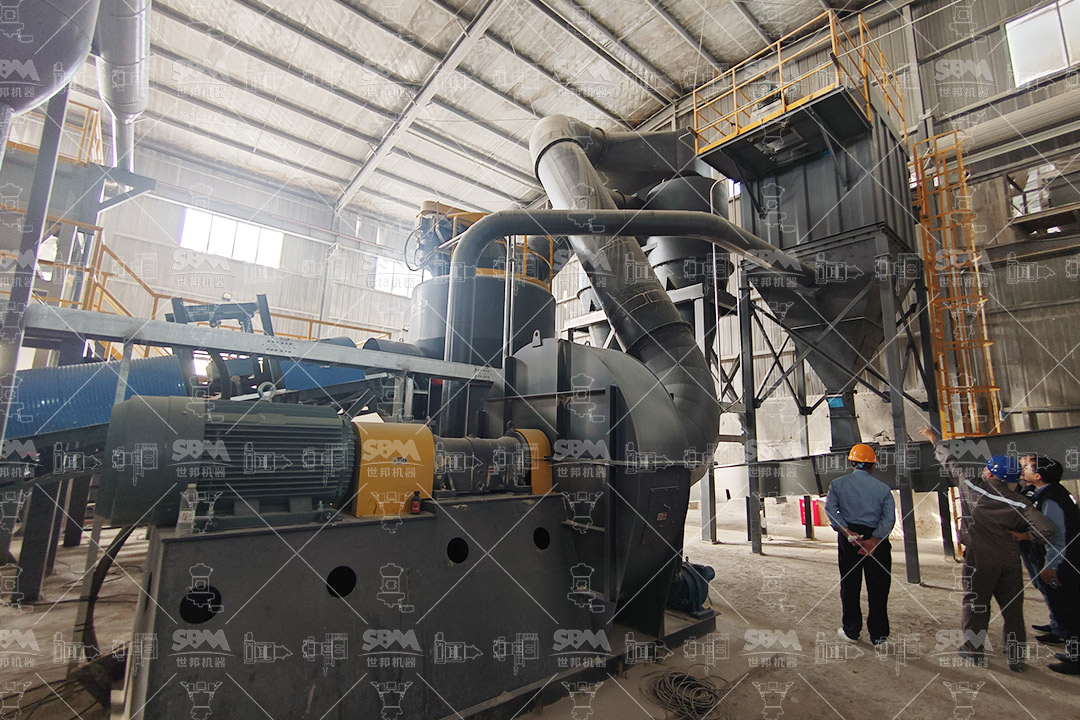
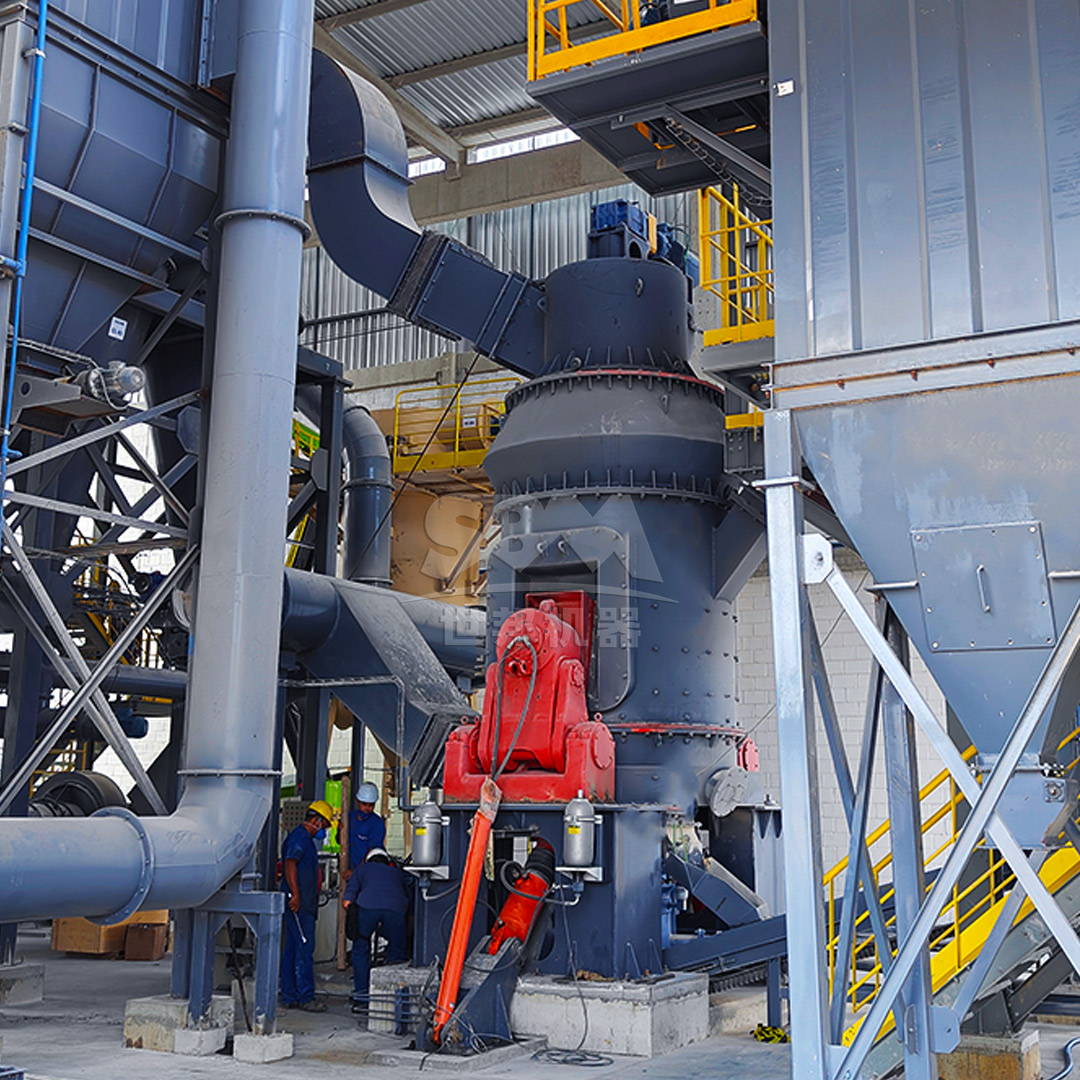
Calcite, a naturally occurring calcium carbonate mineral, is one of the most widely used industrial minerals in the world. Its applications span from construction and agriculture to pharmaceuticals, plastics, and paper manufacturing. In lime production, calcite serves as a primary raw material, and the efficiency of its processing directly impacts the quality and cost-effectiveness of the final product. Choosing the right grinding mill is therefore a critical decision for any lime producer. This article provides a comprehensive guide to selecting the optimal calcite processing equipment, with a focus on grinding mills that balance efficiency, product fineness, and operational costs.
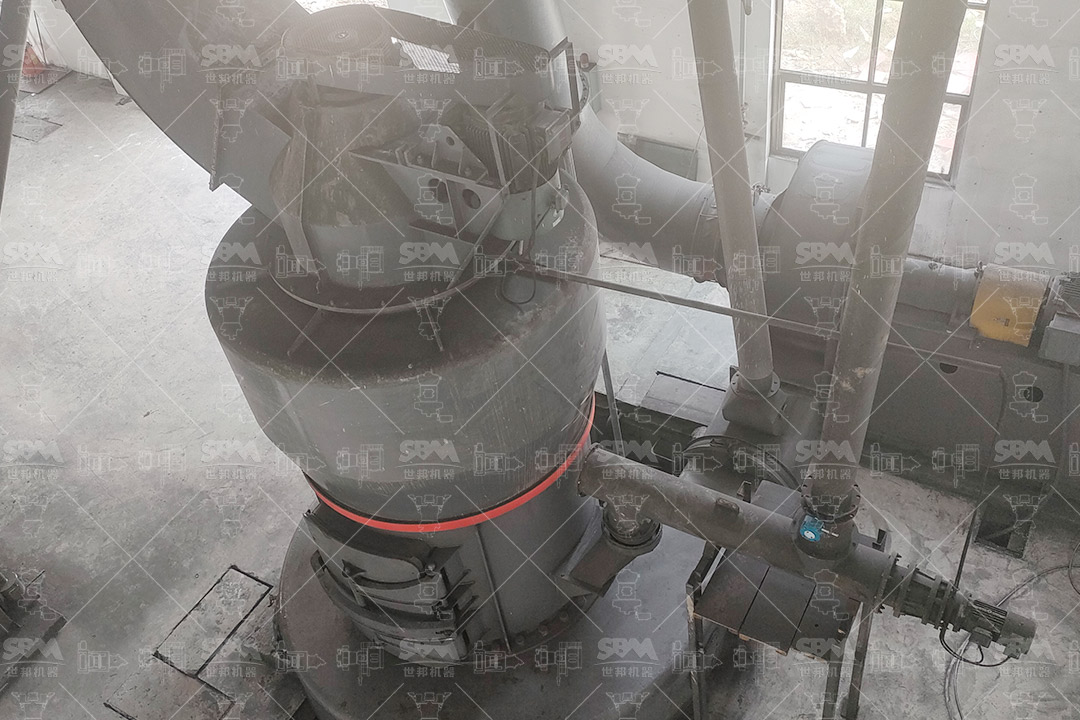
Calcite (CaCO₃) is the most stable polymorph of calcium carbonate. When heated to temperatures between 900°C and 1200°C, it undergoes calcination to produce quicklime (calcium oxide, CaO), which is a key ingredient in cement, steel, and environmental technologies. However, before calcination, calcite must be ground to a suitable particle size to ensure uniform heating and complete reaction. The fineness of the ground calcite also affects the reactivity and quality of the resulting lime.
In lime production, calcite is typically ground to a fineness ranging from 200 mesh (74 microns) to 600 mesh (25 microns) or even finer for specialized applications. The choice of grinding mill depends on several factors, including the desired fineness, production capacity, energy consumption, and the physical properties of the raw material.
Selecting the right grinding mill involves a careful analysis of your production requirements and operational constraints. The following factors should be considered:
The required fineness of the ground calcite is the most important parameter. Different applications demand different particle sizes. For example, calcite used in the paper industry typically requires a fineness of 325 to 600 mesh, while calcite for agricultural lime may only need 100 to 200 mesh. The grinding mill must be capable of achieving the target fineness consistently and with a narrow particle size distribution.
Your required hourly or annual output will determine the size and type of mill. Small to medium-scale operations may opt for a roller mill or a medium-speed trapezium mill, while large-scale lime plants may require a vertical roller mill or a ball mill with high capacity.
Energy consumption is a major operational cost in grinding. Mills that offer high grinding efficiency and low power consumption per ton of product are preferred. Advanced technologies such as vertical roller mills and ultrafine mills are known for their energy-saving capabilities.
The abrasive nature of calcite can cause significant wear on grinding components. Mills with durable wear parts, easy maintenance, and long service life reduce downtime and operating costs. Materials like high-chrome steel or ceramic liners are often used in high-wear applications.
Dust emissions and noise levels are regulated in many regions. Grinding mills equipped with efficient dust collection systems and soundproof enclosures help meet environmental standards and provide a safer working environment.
The capital cost of the mill, installation expenses, and ongoing operating costs (energy, maintenance, labor) should be evaluated against the expected return on investment. Sometimes a higher initial investment in a more efficient mill pays off through lower operating costs over time.
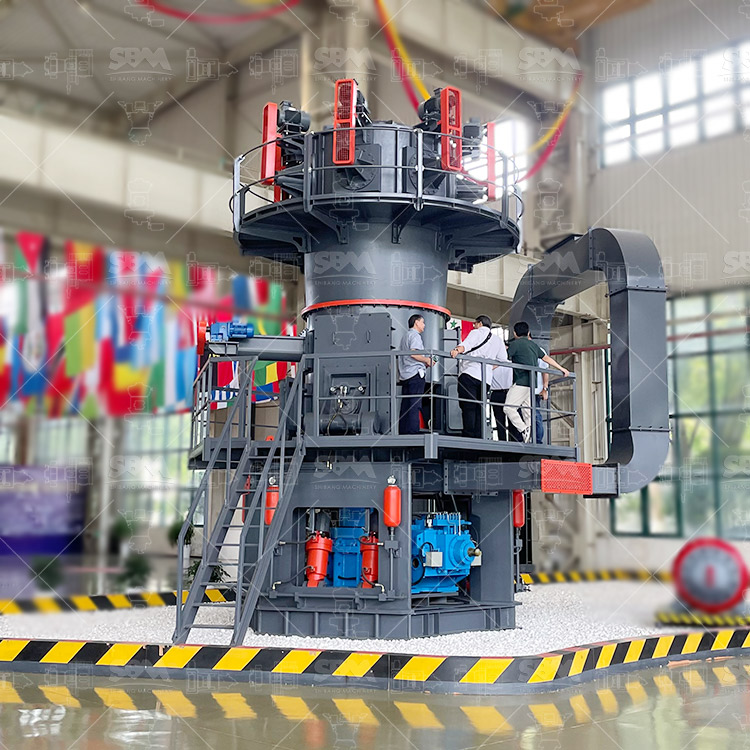
Several types of grinding mills are suitable for calcite processing, each with its own advantages and limitations. Below we discuss the most common options and highlight two products that are particularly well-suited for lime production: the SCM Series Ultrafine Mill and the MTW Series European Trapezium Mill.
The SCM Series Ultrafine Mill is a high-efficiency and energy-saving grinding mill designed for producing ultrafine powders. With an output fineness ranging from 325 to 2500 mesh (45-5μm), it is ideal for applications requiring very fine calcite powder, such as in the production of high-quality lime or specialty chemicals.
Technical Advantages:
Models & Specifications:
| Model | Capacity (t/h) | Main Power (kW) | Feed Size (mm) | Fineness (mesh) |
|---|---|---|---|---|
| SCM800 | 0.5-4.5 | 75 | 0-20 | 325-2500 |
| SCM900 | 0.8-6.5 | 90 | 0-20 | 325-2500 |
| SCM1000 | 1.0-8.5 | 132 | 0-20 | 325-2500 |
| SCM1250 | 2.5-14 | 185 | 0-20 | 325-2500 |
| SCM1680 | 5.0-25 | 315 | 0-20 | 325-2500 |
The SCM Series is particularly recommended for lime producers who need ultrafine calcite powder for high-reactivity lime or for blending with other materials. Its ability to produce consistent fineness down to 5μm makes it a top choice for advanced lime applications.
The MTW Series European Trapezium Mill is a versatile grinding mill suitable for medium to fine grinding of calcite. With an output fineness of 30-325 mesh (down to 0.038mm) and a capacity of 3-45 ton/h, it is an excellent choice for lime plants that require a balance between production capacity and fineness.
Technical Advantages:
Models & Specifications:
| Model | Capacity (t/h) | Main Power (kW) | Feed Size (mm) | Fineness (mesh) | Fan Power (kW) | Classifier Power (kW) |
|---|---|---|---|---|---|---|
| MTW110 | 3-9 | 55 | <30 | 10-325 | 55 | 7.5 |
| MTW110Z | 3-10 | 55 | <30 | 10-325 | 55 | 11 |
| MTW138Z | 6-17 | 90 | <35 | 10-325 | 110 | 18.5 |
| MTW175G | 9.5-25 | 160 | <40 | 10-325 | 200 | 22 |
| MTW215G | 15-45 | 280 | <50 | 10-325 | 315 | 55 |
The MTW Series is recommended for lime producers who need a reliable, high-capacity mill that can handle a range of fineness requirements. Its robust construction and efficient classification make it a cost-effective solution for medium to large-scale calcite grinding.
Depending on your specific needs, other mills such as the LM Series Vertical Roller Mill, MTM Series Medium-speed Trapezium Mill, and Ball Mill may also be considered. The LM Vertical Roller Mill is known for its integrated design and low operating costs, making it suitable for large-scale production. The MTM Medium-speed Trapezium Mill offers intelligent pressure regulation and is ideal for medium-fine grinding. Ball mills are versatile and can handle both dry and wet grinding but are generally less energy-efficient than vertical roller mills.
To select the best grinding mill for your calcite processing, follow these steps:
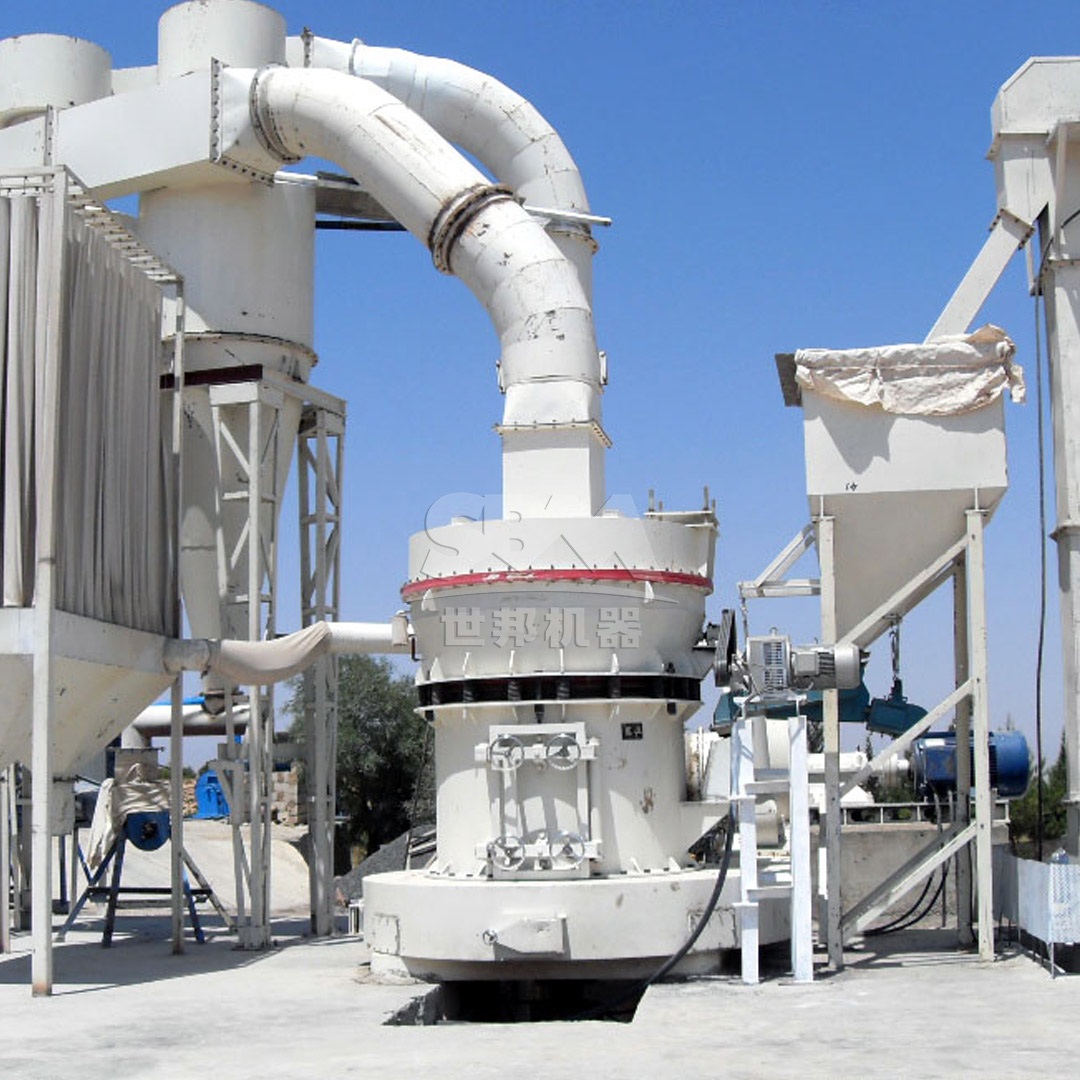
Choosing the right grinding mill for calcite processing in lime production is a decision that impacts product quality, operational efficiency, and profitability. The SCM Series Ultrafine Mill and MTW Series European Trapezium Mill are two excellent options that cater to different needs. The SCM Series excels in producing ultrafine powders with high efficiency, while the MTW Series offers a versatile solution for medium to fine grinding with high capacity. By carefully evaluating your requirements and considering the factors outlined in this article, you can select the mill that best aligns with your production goals. For personalized advice and a detailed consultation, please contact our team of experts.