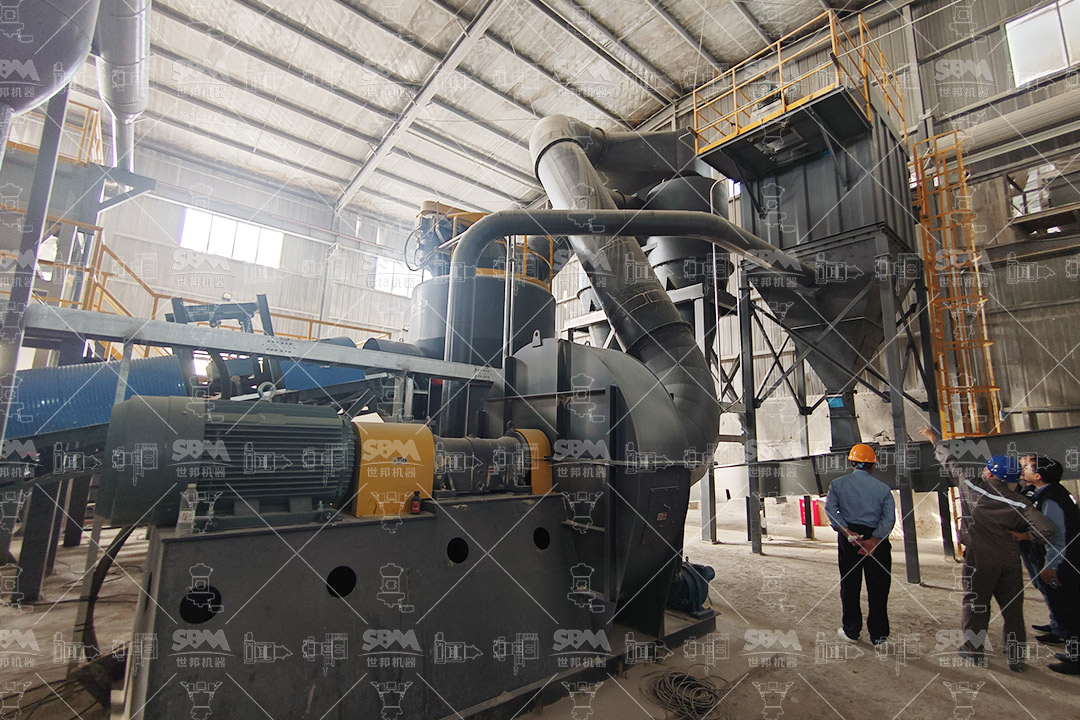
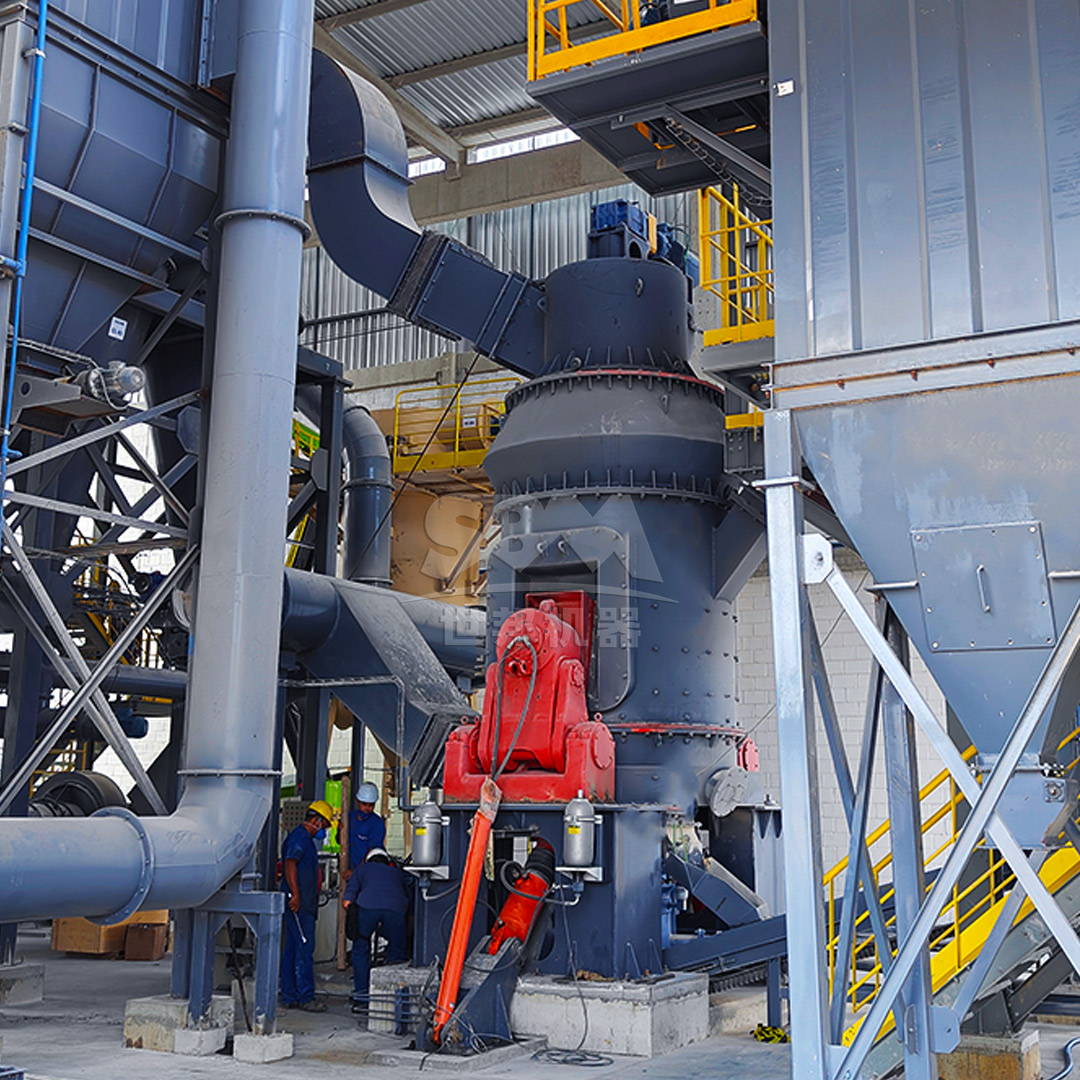
In the world of refractory manufacturing, magnesite (magnesium carbonate, MgCO3) and its derived products—such as dead-burned magnesia (DBM) and fused magnesia—are indispensable. These materials form the backbone of high-temperature industrial processes, lining steel ladles, cement kilns, glass furnaces, and non-ferrous metallurgical vessels. However, the performance of a magnesite-based refractory is not solely determined by its chemical purity or raw material source. The particle size distribution (PSD) achieved during grinding plays a pivotal role in determining density, porosity, thermal shock resistance, and ultimately the service life of the refractory brick or monolith.
Selecting the right grinding mill for chemical magnesite processing is therefore a strategic decision. A mill that is too coarse will fail to achieve the required reactivity and sintering behavior. A mill that is too fine may consume excessive energy and cause over-grinding, leading to poor flowability and segregation. Moreover, the abrasive nature of magnesite—especially after dead burning—demands equipment built with wear-resistant materials and robust engineering.
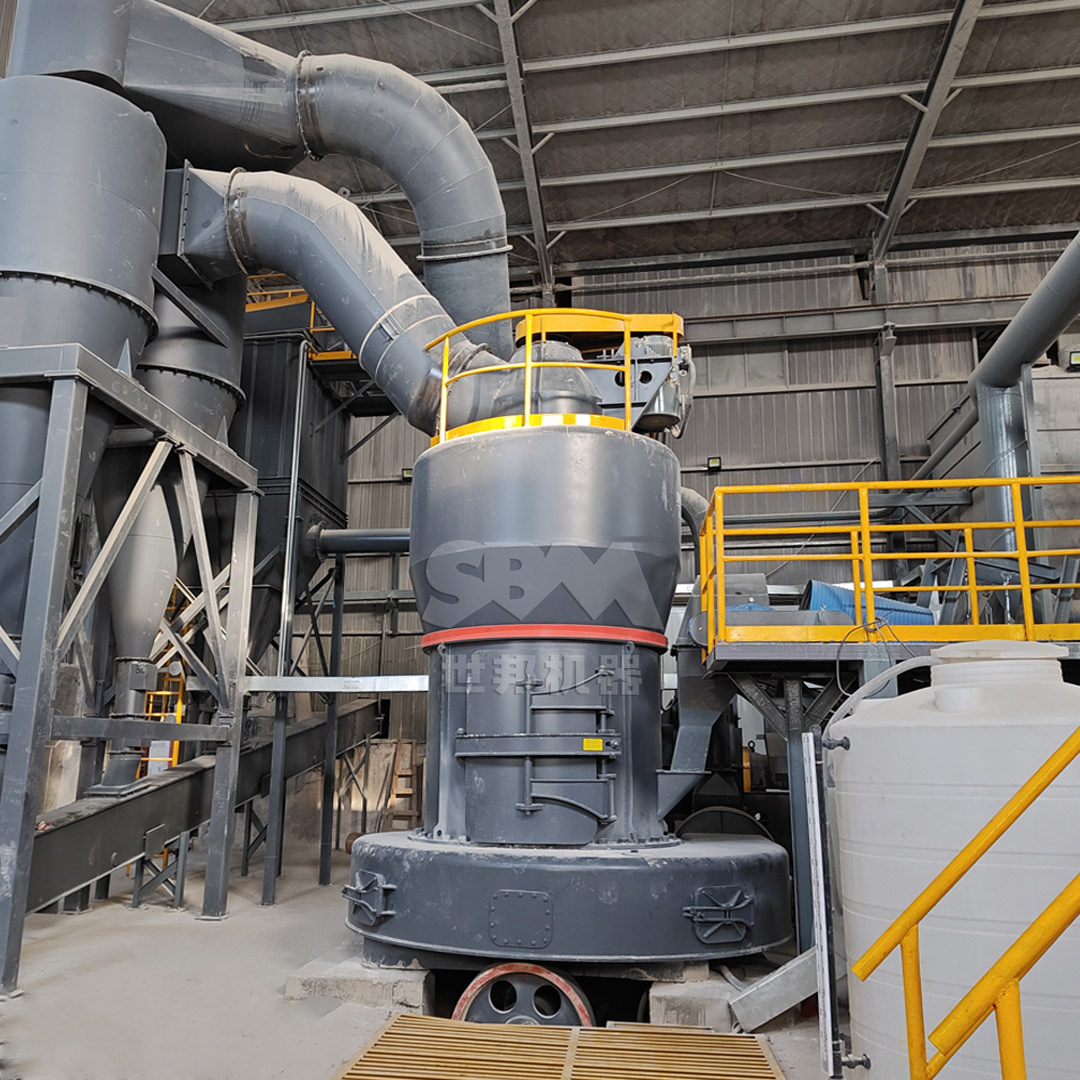
This article provides a comprehensive guide to choosing the optimal grinding mill for your refractory production line. We will examine the key characteristics of magnesite, review different mill technologies, and highlight specific equipment from our company that excels in this demanding application.
Before delving into mill selection, it is essential to understand what makes magnesite challenging to grind. Magnesite can be processed in several forms:
For refractory production, DBM and fused magnesia are the primary inputs. The grinding step must achieve a target fineness—typically between 45 μm and 200 μm for brick mixes, or finer for matrix components—while minimizing contamination from wear parts. Therefore, the ideal mill must offer:
Traditionally, ball mills have been used for magnesite grinding. They are robust and can handle large feed sizes. However, their energy efficiency is low (typically 5–15% of input energy used for size reduction), and they produce a wide PSD. For high-purity refractories, ball mill wear from steel media can introduce iron contamination.
Hammer mills are suitable for pre-crushing raw magnesite to 0–3 mm but cannot achieve the fine grinding required for refractory matrix. They are often used upstream of a fine mill.
Pendulum mills, also known as Raymond mills, offer improved efficiency over ball mills. They use centrifugal force to press rollers against a ring. Fineness up to 325 mesh is possible. However, for abrasive DBM, the wear on rollers and rings can be significant unless special alloys are used.
Vertical roller mills have become the industry standard for grinding cement raw meal, coal, and slag. They are also excellently suited for magnesite. The material bed grinding principle results in 30–40% lower specific energy consumption compared to ball mills. The integrated classifier ensures precise top-size control. Wear parts last longer because there is no metal-to-metal contact between grinding elements. Our company offers both LM Series Vertical Roller Mill (for 30–325 mesh) and LUM Ultrafine Vertical Roller Mill (for 325–2500 mesh).
Trapezium mills are an evolution of the pendulum mill. They feature curved grinding rollers and ring, higher pressure springs, and improved airflow. Fineness ranges from 30 to 425 mesh. For medium-fine refractory mixes, the MTW Series European Trapezium Mill is a cost-effective choice.
When the refractory formulation requires sub-45 μm particles—for example, to enhance sintering or to produce high-purity magnesia for special ceramics—ultrafine grinding is necessary. The SCM Series Ultrafine Mill uses a vertical turbine classifier to achieve 325–2500 mesh with sharp cut points.
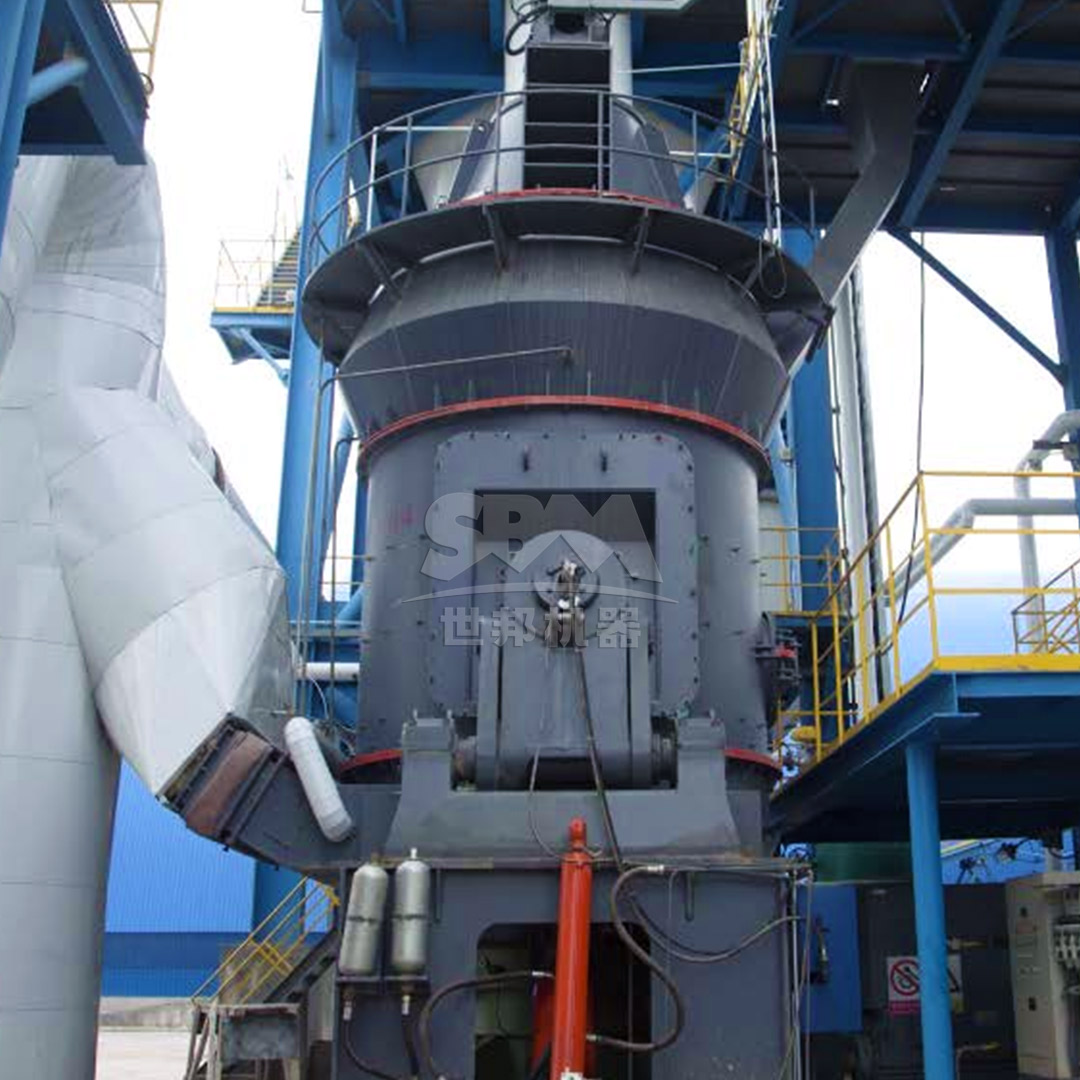
To choose the right mill, evaluate the following parameters against your production requirements:
| Selection Factor | Considerations for Magnesite | Recommended Mill Type |
|---|---|---|
| Target Fineness (P80) | 45–200 μm for brick mixes; <45 μm for matrix or specialty products | LM / MTW for coarse to medium; LUM / SCM for fine to ultrafine |
| Capacity (t/h) | From 3 t/h (pilot) to 100+ t/h (large refractory plant) | LM (up to 250 t/h); MTW (up to 45 t/h); SCM (up to 25 t/h) |
| Abrasiveness of Feed | DBM and fused magnesia are highly abrasive | Vertical mills with wear-resistant liners/rollers; avoid steel media |
| Energy Efficiency | Energy cost is a major OPEX component | Vertical roller mills (LM, LUM) use 30–40% less energy than ball mills |
| Product Purity | Iron contamination must be minimized | Ceramic or high-chrome liners; vertical mills with no metal-to-metal contact |
| Dust Emission | Magnesia dust is hazardous and valuable | Pulse dust collectors integrated into mill system |
| Flexibility | Ability to switch between product grades quickly | Dynamic classifiers with variable speed drive |
The LM Series Vertical Roller Mill is our flagship product for grinding magnesite, dolomite, and other refractory raw materials. It integrates crushing, drying, grinding, and classification in one unit, reducing floor space by 50% compared to a ball mill system. With capacities from 10 t/h (LM130K) to 170 t/h (LM280K), it can serve any scale of refractory production.
Why the LM Series excels with magnesite:
Model options include LM130K, LM150K, LM170K, LM190K, LM220K, and LM280K, with main motor power from 200 kW to 1250 kW. For refractory lines producing 10–50 t/h of 200 mesh magnesite, the LM170K or LM190K is an ideal choice.
When your refractory formulation requires ultrafine magnesia—for example, to produce magnesia-carbon bricks with enhanced oxidation resistance or to synthesize spinel—the SCM Series Ultrafine Mill is the answer. It achieves fineness from 325 mesh (45 μm) down to 2500 mesh (5 μm) with a capacity of 0.5–25 t/h.
Key advantages for magnesite ultrafine grinding:
Available models: SCM800 (0.5–4.5 t/h), SCM900 (0.8–6.5 t/h), SCM1000 (1.0–8.5 t/h), SCM1250 (2.5–14 t/h), and SCM1680 (5.0–25 t/h). For a refractory plant producing 5 t/h of 1250 mesh magnesia, the SCM1250 is a perfect fit.
A grinding mill is not a standalone machine; it must be integrated with feeding, conveying, dust collection, and product storage. For magnesite, we recommend a closed-loop system with the following components:
Our engineering team can provide a complete process guarantee, including layout drawings, utility requirements, and commissioning support.
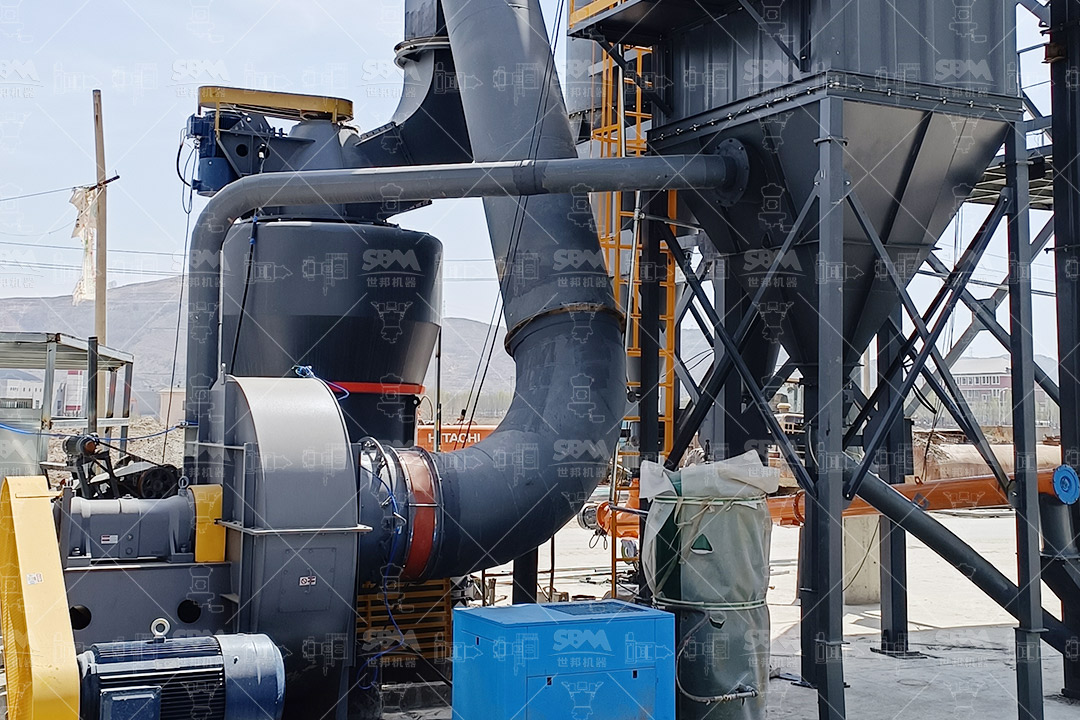
A leading refractory producer in Europe needed to grind dead-burned magnesia (DBM) with a bulk density of 3.2 g/cm³ and Mohs hardness of 6.5. The target fineness was 90% passing 74 μm (200 mesh), with a capacity of 25 t/h. The existing ball mill consumed 45 kWh/t and required frequent liner replacement due to abrasion.
After evaluating options, the company installed an LM190K Vertical Roller Mill. Results after one year of operation:
This case demonstrates that the right mill selection can transform the economics of magnesite processing.
Choosing the right grinding mill for chemical magnesite processing is a balance of technical performance, energy efficiency, wear life, and product quality. While ball mills remain an option for small-scale or low-purity applications, vertical roller mills and ultrafine mills offer superior performance for modern refractory production.
Our company provides a full range of mills to suit every stage of magnesite grinding:
We invite you to contact our application engineers with your specific magnesite characteristics (hardness, feed size, moisture) and production targets. We will recommend the optimal mill configuration and provide a detailed proposal including energy consumption, wear part life, and expected product PSD.
Investing in the right grinding technology today will pay dividends in refractory quality, operational cost, and environmental compliance for years to come.